Caring for an Old Siamese Cat
It's heartbreaking to watch our once spry, endlessly vocal Siamese companions slow down, isn't it? The energetic, demanding "Meezer" you've known for years starts to show its age, bringing new challenges that can feel overwhelming. This comprehensive guide is here to walk you through the specifics of caring for your beloved older Siamese cat, helping you understand their changing needs and how to best support them through their golden years, ensuring their comfort and happiness every step of the way.
Recognizing the Signs of Aging in Your Siamese Cat
As our Siamese cats gracefully enter their senior years, typically starting around age 10-12, the changes aren't always sudden or dramatic. Often, they're subtle shifts that, when pieced together, tell a story of a cat maturing. It’s easy to dismiss these changes as "just old age," but paying close attention can help us differentiate between normal aging and symptoms that warrant a vet visit. Understanding what to look for is the first step in providing truly responsive care.
Subtle Physical Changes You Might Notice
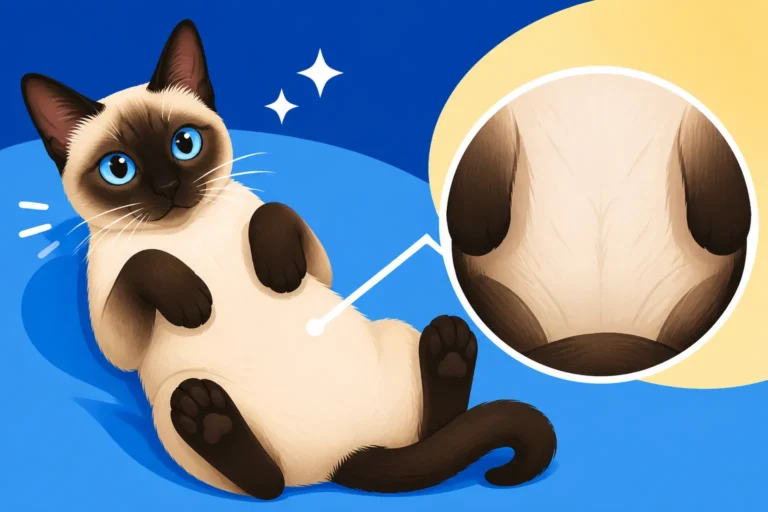
One of the first things you might notice in an older Siamese is a change in their physical appearance. Their once sleek, tightly-lying coat might start to look a little duller, or perhaps not quite as well-groomed. This isn't just cosmetic; it can indicate underlying issues or simply a decreased ability to self-groom due to stiffness or pain. You might also observe their beautiful point coloration changing over time; What Changes in a Siamese Cat After Twelve delves into this. Many older Siamese cats, despite eating well, may start to Why an Old Siamese Cat Loses Muscle, becoming noticeably bonier. This muscle loss is common in aging felines and can affect their strength and agility.
Their gait might also change. Where they once glided across the room, you might see a slight hesitation before jumping, or a more deliberate, slower pace. They might not jump as high as they used to, preferring to use steps or lower surfaces. These minor alterations in movement can be early indicators that Whether an Aging Siamese Cat Gets Stiff, a common issue that impacts comfort and mobility. Their eyes, once bright and clear, might develop a slight cloudiness, known as lenticular sclerosis, which is usually benign but can sometimes be confused with cataracts. Keep an eye on their senses too; some senior Siamese may experience Deafness in an Aging Siamese Cat, which can manifest as them not responding to their name or startling more easily.
Behavioral Shifts and What They Indicate
Beyond the physical, behavioral changes are often the most telling signs of an aging Siamese. Your famously vocal companion might become even more vocal, or perhaps surprisingly, a little quieter. Increased yowling, especially at night, can be a sign of cognitive decline or discomfort. On the other hand, a decrease in their usual chatty nature could indicate pain, illness, or depression. You might find them sleeping more, or in different, perhaps warmer, spots. They might also seek more solitude or, conversely, become clingier and demand more attention than before.
Another common behavioral change is a shift in their routine. They might eat at different times, seem disoriented, or even forget where their litter box is, leading to accidents outside the box. This disorientation can be a worrying sign of Signs of Dementia in an Old Siamese Cat, or what veterinarians call Feline Cognitive Dysfunction Syndrome (CDS). They might stare blankly at walls, wander aimlessly, or become less interested in play, even with their favorite feather wand. Any significant deviation from your cat's usual personality or habits warrants a closer look, as it could be their subtle way of telling you something is amiss. It’s crucial to remember that How a Siamese Cat Hides Pain, so these behavioral changes are often the best clues we have.
Adapting Their Diet to Senior Needs
Just like humans, a Siamese cat's nutritional requirements evolve as they age. What kept them thriving in their younger, more active years might not be ideal for their senior bodies. The goal is to provide a diet that supports their aging organs, maintains muscle mass, manages weight, and offers comfort. It's not just about what food you offer, but how and when you offer it.
The Importance of High-Quality Senior Formulas
As your Siamese enters its golden years, their metabolism often slows down, and their activity levels decrease. However, their need for high-quality protein remains crucial to combat muscle wastage. Senior-specific cat foods are formulated with these changes in mind. They typically contain easily digestible proteins, controlled phosphorus levels to support kidney health, and often added joint supplements like glucosamine and chondroitin. You’ll find options from reputable brands like Purina Pro Plan Veterinary Diets or Royal Canin, often available through retailers like Chewy or your vet's office.
These specialized diets can also be adjusted for different needs. For instance, some senior formulas focus on weight management if your cat has become a bit portly, while others are higher in calories and nutrients for cats who are losing weight due to underlying conditions. Always discuss your cat's specific health profile with your veterinarian before making a drastic dietary change. They can help you select the best formula, considering factors like whether your cat has kidney issues, diabetes, or other age-related conditions. Remember, a senior formula isn't just about 'less fat'; it's about a carefully balanced nutrient profile tailored to aging physiology.
Addressing Weight Changes: Loss or Gain
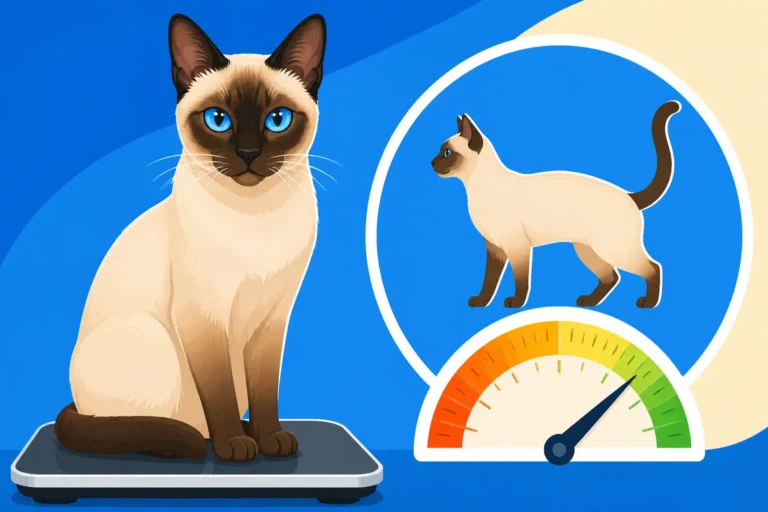
Weight management becomes a tightrope walk with senior Siamese cats. Some, like many energetic Meezers, might struggle with Why an Aging Siamese Cat Loses Weight even if they’re eating well, due to decreased nutrient absorption, muscle loss, or conditions like hyperthyroidism. For these cats, offering highly palatable, calorie-dense foods can be beneficial. Warming wet food slightly can enhance its aroma and tempt a finicky eater. Small, frequent meals throughout the day might also be more appealing than two large ones.
Conversely, other senior Siamese might gain weight as their activity drops and metabolism slows. Obesity in older cats exacerbates conditions like arthritis and diabetes, putting extra strain on their organs. For these cats, a veterinarian might recommend a prescription weight-management diet or carefully controlled portions of a senior formula designed for less active felines. Puzzle feeders, which you can find on Amazon, can also help slow down eating and provide mental enrichment. It's a delicate balance, and regular weight checks, ideally at home with a baby scale or at vet visits, are essential to ensure your cat is at a healthy weight.
Hydration Strategies for Older Cats
Hydration is paramount for aging cats, especially considering that kidney function often declines with age. Many older cats simply don't drink enough water, which can worsen kidney issues or lead to dehydration. If you've noticed Why a Siamese Cat Drinks More With Age, it might be a sign of underlying issues, but even without excessive drinking, increasing water intake is usually beneficial. Wet food is an excellent way to boost their fluid intake, as it has a high moisture content. If your cat primarily eats dry kibble, consider transitioning them to wet food or supplementing their diet with it.
Beyond food, encouraging water consumption is vital. Many Siamese cats prefer fresh, running water, so investing in a pet water fountain (many great options are available from Chewy) can make a huge difference. Make sure to clean it regularly to prevent bacterial buildup. Placing multiple water bowls around the house, in quiet and easily accessible spots, can also help. Some cats might even enjoy adding a splash of tuna juice or a low-sodium broth to their water to entice them. Proper hydration supports kidney function, helps prevent urinary tract issues, and aids in overall cellular health, making it a cornerstone of senior Siamese care.
Common Health Concerns in Older Siamese Cats
Aging brings with it an increased susceptibility to certain health conditions. While your Siamese might have been a picture of health for years, it's wise to be aware of the common ailments that often affect senior felines. Early detection and management are key to maintaining their quality of life.
Kidney Disease and Its Management
Chronic Kidney Disease (CKD) is regrettably common in older cats, including Siamese. It occurs when the kidneys gradually lose their ability to filter waste products from the blood. Signs can be subtle at first but often include increased thirst and urination, weight loss, decreased appetite, and sometimes vomiting. If you notice your Siamese drinking more or spending more time at the water bowl, don't dismiss it. This could be an early indicator. Regular vet check-ups, including blood work that monitors kidney values, are crucial for early diagnosis, as outlined in What a Siamese Cat's Yearly Bloodwork Should Cover.
While CKD isn't curable, it can often be managed effectively for months or even years. Treatment typically involves a prescription diet that is low in phosphorus and protein, designed to reduce the workload on the kidneys. Your vet might also prescribe medications to control symptoms like nausea, blood pressure, or to bind phosphorus in their food. Subcutaneous fluids, administered at home, can also be a game-changer for hydration and flushing toxins, significantly improving your cat's comfort and energy levels. What a Siamese Cat's Kidney Disease Costs to Manage can be a concern for owners, but there are often various treatment avenues to explore with your vet.
Hyperthyroidism: A Common Culprit
Another prevalent endocrine disorder in senior Siamese cats is hyperthyroidism, caused by an overactive thyroid gland. This condition effectively puts your cat's metabolism into overdrive. Common signs include sudden, unexplained weight loss despite a ravenous appetite, increased thirst and urination, hyperactivity, increased vocalization, and sometimes vomiting or diarrhea. They might seem restless, constantly pacing, and their coat might look greasy or unkempt.
Hyperthyroidism is diagnosed with a simple blood test measuring thyroid hormone levels. Fortunately, it's a very treatable condition. Treatment options include daily medication (methimazole), a special iodine-restricted prescription diet (which means no other food or treats can be given), radioactive iodine therapy (a one-time curative treatment), or surgery to remove the affected thyroid gland. Each option has its pros and cons, and your vet will help you decide the best course for your individual cat. Addressing Hyperthyroidism in an Older Siamese Cat can dramatically improve their well-being and extend their healthy lifespan.
Arthritis and Mobility Challenges
Just like us, older cats can develop arthritis (osteoarthritis) in their joints, leading to pain and stiffness. This isn't just a big dog problem; it affects many felines, and their innate ability to How a Siamese Cat Hides Pain means it can go unnoticed for a long time. You might observe changes in their movement: difficulty jumping, climbing stairs, reluctance to play, a stiff gait, or even lameness. They might struggle to use the litter box, missing it if the sides are too high, or find grooming themselves difficult.
While arthritis isn't curable, its pain can be managed. Your vet can prescribe anti-inflammatory medications (NSAIDs), joint supplements, or even newer injectable therapies specifically designed for feline arthritis. Beyond medication, simple home modifications can make a world of difference. Providing ramps or steps to help them reach favorite perching spots, ensuring easy access to food, water, and low-sided litter boxes, and offering soft, orthopedic beds can greatly improve their comfort. Gentle massage and maintaining a healthy weight also play a crucial role in managing Whether an Aging Siamese Cat Gets Stiff.
Dental Health: More Critical Than Ever
Dental disease is a silent epidemic in cats of all ages, but it becomes particularly prevalent and problematic in seniors. Plaque and tartar build up over time, leading to gingivitis, painful tooth resorption, and periodontal disease. The bacteria from dental disease can also enter the bloodstream, affecting vital organs like the heart, kidneys, and liver. Signs can include bad breath, difficulty eating, drooling, pawing at the mouth, or a noticeable decrease in appetite. Dental Disease in a Siamese Cat is not just about bad breath; it's a serious health concern.
Regular professional dental cleanings under anesthesia are the gold standard for preventing and treating dental disease. While the thought of anesthesia for an older cat can be daunting, modern veterinary practices take extensive precautions, including pre-anesthetic bloodwork and intravenous fluids, to make it as safe as possible. Between cleanings, a consistent home dental care routine, even if it's just a dental treat or a water additive, can help. Your vet will assess your cat's dental health at each How Often a Siamese Cat Needs a Wellness Exam and recommend appropriate care.
Creating a Comfortable and Accessible Home Environment
As your Siamese ages, the world around them can become more challenging to navigate. Their declining vision, hearing, mobility, and cognitive function mean that their once-familiar home might present new obstacles. Thoughtful adjustments to their living space can dramatically enhance their comfort, reduce stress, and prevent accidents.
Rethinking Litter Box Accessibility
One of the most common issues reported by owners of senior cats is inappropriate urination or defecation outside the litter box. While this can sometimes be a sign of medical issues like urinary tract infections or kidney disease, it's often simply a matter of accessibility. An older Siamese with arthritis might find it painful or impossible to climb into a litter box with high sides. How a Blind Siamese Cat Finds the Litter Box also points to the need for consistency and easy access.
To address this, consider switching to litter boxes with lower sides – some brands specifically design "senior" litter boxes with entry points as low as a few inches. You can even use a shallow plastic storage container or a cookie sheet in a pinch. Place multiple litter boxes in easily accessible, quiet locations throughout your home, especially if your cat spends most of its time on one floor. Ensure the litter itself is soft and comfortable, as sensitive paws might be irritated by rougher textures. Scooping frequently is also important, as an arthritic cat might avoid a dirty box.
Warmth and Comfort: Essential for Older Bones
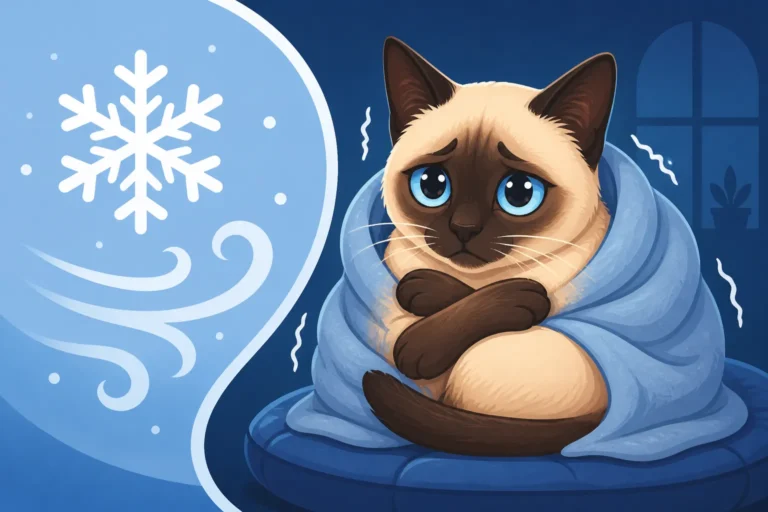
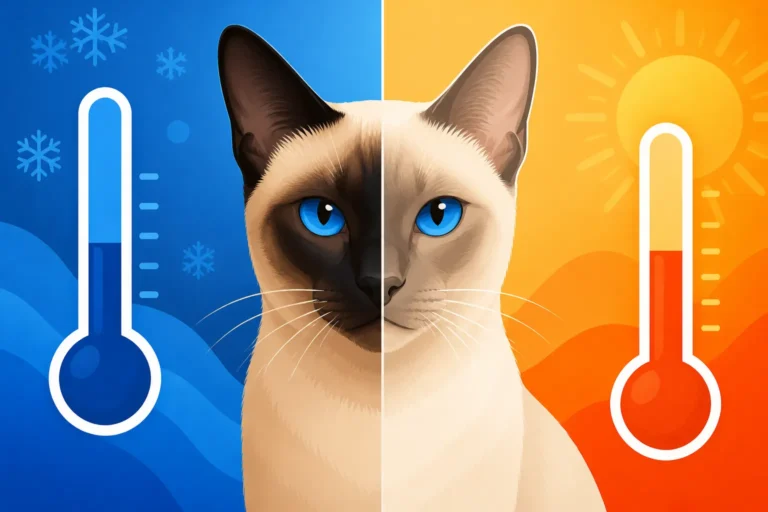
Siamese cats are naturally sleek and don't have a dense undercoat, which means they can feel the cold more acutely than some other breeds. As they age, their ability to regulate body temperature can diminish, and arthritic joints often feel worse in the cold. Whether an Aging Siamese Cat Feels the Cold More is a common concern for owners. Providing ample sources of warmth and comfort is not just a luxury; it's a necessity.
Consider investing in a heated cat bed or a self-warming mat. These can be particularly soothing for aching joints and encourage restful sleep. Ensure their favorite napping spots are away from drafts and in sunny, warm areas of the house. Soft blankets and orthopedic beds can also provide much-needed cushioning for bony bodies. If your home tends to be chilly, ensure a consistent ambient temperature, especially during colder months. A warm, cozy environment helps alleviate pain and allows your senior Siamese to relax and recuperate.
Navigating the Home: Ramps and Safe Spaces
An older cat's diminished eyesight, hearing, and agility can make navigating your home a daunting task. Jumping onto furniture or climbing stairs can become painful or risky. To prevent falls and reduce strain, consider introducing ramps or pet steps to help them reach their favorite elevated spots, like the sofa, bed, or a sunny windowsill. These can be particularly helpful for cats with arthritis or vision impairment.
Create safe, easily accessible spaces where your senior Siamese can retreat and feel secure. This might be a cozy corner with their favorite bed, a cat tree with easily accessible levels, or a designated spot under a table. Keep their food, water, and litter boxes consistently in the same locations to avoid confusion, especially if they are experiencing Signs of Dementia in an Old Siamese Cat. For cats with vision loss, avoid rearranging furniture frequently. Maintaining a consistent environment provides a sense of security and familiarity, reducing anxiety and making their daily life much easier.
Maintaining Grooming and Hygiene as They Age
One of the less obvious but significant changes in an aging Siamese is a decline in their ability or willingness to self-groom. What was once a fastidious routine can become a neglected chore due to stiffness, pain, dental issues, or even cognitive decline. This means it falls to us, their devoted caregivers, to step in and help them maintain their hygiene and comfort.
Gentle Brushing and Coat Care
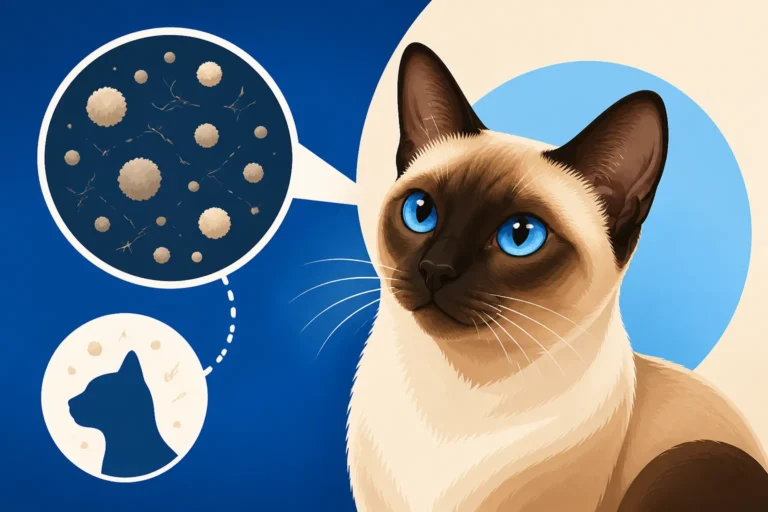
An older Siamese cat's coat can become matted, dull, or greasy if they stop grooming themselves adequately. This isn't just an aesthetic issue; matts can pull at the skin, causing pain and even skin infections. Regular, gentle brushing becomes crucial. What an Aging Siamese Cat's Coat Looks Like might be different from their youthful sheen, but good care can still keep it healthy. Use a soft brush or a grooming glove, and keep sessions short and positive to avoid overwhelming your cat.
Brushing not only helps remove loose fur and prevents matting but also stimulates circulation and distributes natural oils, keeping their skin and coat healthy. It also provides an opportunity to check for any lumps, bumps, or skin irritations that might need veterinary attention. Many senior cats enjoy the gentle massage that comes with brushing, turning it into a bonding experience. If your Siamese has stopped grooming themselves, it's often a sign of underlying pain or illness, so always mention this to your vet.
Nail Trims and Paw Pad Health
As Siamese cats age, their activity levels decrease, and their nails might not wear down naturally as they once did. This can lead to overgrown claws that curl under, grow into their paw pads, and cause significant pain, discomfort, and difficulty walking. Regular nail trims are essential to prevent these issues. If your cat is arthritic, overgrown nails can also make walking more challenging and painful.
Trimming a senior cat's nails requires patience and a gentle touch. If you're unsure how to do it, ask your vet or a groomer for a demonstration. You'll want to use sharp, feline-specific nail clippers and only snip the very tip, avoiding the quick (the pink part that contains blood vessels and nerves). While you're at it, inspect their paw pads for any cracks, sores, or foreign objects that might be causing discomfort. Keeping their paws healthy contributes greatly to their overall mobility and comfort.
Eye and Ear Cleaning
With age, some Siamese cats might produce more eye discharge, or they might not be as diligent about cleaning around their eyes and ears. This can lead to crusty buildup around the eyes or excess wax and debris in the ears, potentially causing irritation or infection. While How Often a Siamese Cat's Ears Need Cleaning might not be daily, it's a good idea to check them regularly.
Gently wipe away any eye discharge with a soft, damp cloth, using a fresh part of the cloth for each eye to prevent cross-contamination. For ears, only clean the visible outer ear and just inside the ear canal with a cotton ball or gauze dampened with a vet-approved ear cleaner. Never insert cotton swabs into the ear canal, as this can push debris further in and damage delicate structures. If you notice any redness, swelling, foul odor, or excessive discharge from the eyes or ears, it's time for a vet check, as these could indicate infections or other medical issues.
Mental and Emotional Well-being for Senior Siamese
Our Siamese cats are renowned for their intelligence and vibrant personalities. As they age, their mental and emotional health needs just as much attention as their physical well-being. Keeping their minds engaged and providing emotional security can help stave off cognitive decline and reduce anxiety, ensuring they remain the loving companions we cherish.
Managing Cognitive Dysfunction (Feline Dementia)
Feline Cognitive Dysfunction Syndrome (CDS), often referred to as "feline dementia," is a genuine concern for aging cats. Signs can include disorientation (getting lost in familiar surroundings), changes in social interaction (becoming more withdrawn or clingy), altered sleep-wake cycles (waking and vocalizing at night), house soiling, and decreased activity or interest in toys. Signs of Dementia in an Old Siamese Cat can be subtle at first, but they can significantly impact quality of life.
While there's no cure, management strategies can help. Maintaining a consistent routine for feeding, playtime, and sleep can provide comfort and predictability. Creating easily navigable pathways in the home, keeping food, water, and litter boxes in consistent, accessible spots, and providing nightlights can help with disorientation. Your vet might suggest supplements or prescription diets containing antioxidants, omega-3 fatty acids, or other brain-supporting nutrients. In some cases, medications can help manage anxiety or sleep disturbances associated with CDS.
Addressing Increased Vocalization or Anxiety
Many senior Siamese cats exhibit increased vocalization, often seemingly without purpose. This can be particularly challenging for owners, especially if it happens at night. It can be a symptom of disorientation from CDS, discomfort from pain, hyperthyroidism, high blood pressure, or simply a plea for attention. Understanding Why an Old Siamese Cat Yowls More is key to addressing it. If the vocalization is new or excessive, a vet visit is always warranted to rule out underlying medical causes.
If medical causes are ruled out, managing increased vocalization or anxiety often involves a multi-pronged approach. Providing consistent reassurance and attention, without inadvertently rewarding excessive vocalization, is a delicate balance. A cozy, secure sleeping spot, perhaps a heated bed, can help with comfort. Pheromone diffusers, like Feliway, can create a calming environment. Ensuring they have ample enrichment during the day can help promote better sleep at night. For severe anxiety, your vet might discuss anti-anxiety medications or supplements.
The Value of Continued Enrichment and Interaction
Just because a Siamese cat is old doesn't mean they've lost their zest for life or their need for mental stimulation. Continued enrichment and interaction are vital for their emotional and cognitive health. While their play might be less vigorous, their desire for connection and engagement remains strong.
Gentle play sessions with toys they can easily manage, like soft feather wands or toys that dispense treats (many options can be found on Amazon), can keep their minds sharp and their bodies moving within their limits. Puzzle feeders are excellent for mental stimulation, making meal times an engaging challenge. Spending quality time with your senior Siamese, whether it's through gentle petting, grooming, or simply talking to them, reinforces your bond and provides emotional security. Maintaining a consistent, loving environment and routine helps them feel safe and cherished, which is paramount for their overall well-being.
Essential Veterinary Care and Monitoring
The journey with a senior Siamese cat inevitably involves closer collaboration with your veterinarian. Regular check-ups are no longer just routine; they become critical opportunities for early detection, proactive management, and maintaining your cat's comfort and quality of life.
The Importance of Regular Senior Check-ups
For a senior Siamese, an annual vet visit might not be enough. Many veterinarians recommend twice-yearly check-ups for cats over the age of seven or ten. These more frequent visits allow your vet to catch subtle changes that might indicate emerging health issues before they become advanced or debilitating. This proactive approach can lead to earlier diagnosis and more effective treatment of common senior ailments like kidney disease, hyperthyroidism, and arthritis. How Often a Siamese Cat Needs a Wellness Exam genuinely increases with age.
During these check-ups, your vet will perform a thorough physical examination, checking their weight, teeth, eyes, ears, heart, lungs, and palpating their abdomen and joints. They'll also discuss any behavioral changes you've noticed at home, which can provide invaluable clues about your cat's well-being. Don't be afraid to bring a detailed list of questions or observations; no concern is too small when it comes to your senior cat's health.
Understanding Diagnostic Tests for Older Cats
Beyond the physical exam, your vet will likely recommend a "senior panel" of diagnostic tests at least once a year. This typically includes blood work and a urinalysis. The blood work usually covers a complete blood count (CBC) to check for anemia or infection, and a biochemistry panel to assess organ function, including kidney, liver, and pancreatic enzymes, as well as electrolyte and glucose levels. What a Siamese Cat's Yearly Bloodwork Should Cover provides more specific details.
| Test Type | What It Checks For | Why It's Important for Senior Siamese Cats |
|---|---|---|
| Complete Blood Count (CBC) | Red blood cells (anemia), white blood cells (infection/inflammation), platelets (clotting) | Detects anemia, infections, or inflammatory conditions common in older cats. |
| Biochemistry Panel | Kidney function (creatinine, BUN), liver enzymes, glucose (diabetes), electrolytes, thyroid hormone (T4) | Essential for early detection of kidney disease, hyperthyroidism, diabetes, and liver issues. |
| Urinalysis | Urine concentration, pH, presence of blood, protein, glucose, bacteria, crystals | Assesses kidney function, hydration status, urinary tract infections, and diabetes. |
| Blood Pressure | High blood pressure (hypertension) | Common in older cats, especially those with kidney disease or hyperthyroidism, can lead to organ damage. |
| Fecal Exam | Intestinal parasites | Can detect parasites that might cause weight loss or digestive upset. |
A urinalysis helps assess kidney function and detect urinary tract infections or diabetes. Blood pressure measurement is also crucial, as hypertension is common in older cats and can lead to serious issues if left untreated. These tests provide a baseline and allow your vet to track trends over time, catching subtle changes before they become critical. It’s an investment in your cat's health that truly pays off in peace of mind and quality of life.
Medication Management and Follow-Up
If your senior Siamese is diagnosed with a chronic condition, medication will likely become a part of their daily routine. This can include anything from daily oral medications for hyperthyroidism or pain management to subcutaneous fluids for kidney disease. Proper medication management is vital for effectiveness and your cat's well-being.
Your vet will guide you on how to administer medications, whether it's pills, liquids, or injections. Many cats can be pilled using pill pockets (like those from Greenies or other brands available on Chewy) or by crushing pills into wet food (always check with your vet first to ensure it's safe to crush). Consistency is key – administer medications at the same time each day, as prescribed. Regular follow-up appointments and blood tests are often necessary to monitor your cat's response to medication and adjust dosages as needed. Don't hesitate to call your vet if you have any questions or concerns about administering medications or if you notice any adverse reactions.
Supporting Their Quality of Life and End-of-Life Decisions
This is arguably the most challenging, yet most important, aspect of caring for an old Siamese cat. Our goal as loving owners is to ensure their comfort, dignity, and joy for as long as possible, and to make compassionate decisions when their quality of life inevitably declines.
Assessing Overall Well-being and Comfort
Evaluating your senior Siamese's quality of life is an ongoing process. It's not about one single factor but a holistic view of their physical and emotional state. A helpful tool is the "HIM" scale: Hydration, Interaction, Mobility. Are they well-hydrated? Are they still interacting with you and their environment, even if less vigorously? Can they move comfortably to eat, drink, and use the litter box? Consider their appetite, pain levels, and their "spark" – are they still enjoying their favorite things, even small ones?
It’s easy to focus on just one aspect, but sometimes a combination of small declines significantly impacts their overall happiness. Keep a journal of their good days and bad days, noting changes in appetite, energy, vocalization, and pain. This objective record can be incredibly helpful when discussing quality of life with your veterinarian. Remember that Signs a Siamese Cat Is Unwell can be subtle and multifaceted, so consistent observation is crucial.
Navigating Difficult Decisions
At some point, you may face the heartbreaking decision of when to say goodbye. This is perhaps the hardest part of pet ownership, and there is no "right" answer. The decision is deeply personal and should be made with compassion, considering your cat's comfort and dignity above all else. Your veterinarian is your most valuable resource during this time. They can offer an objective assessment of your cat's condition, discuss prognosis, pain management options, and help you understand when medical intervention is no longer beneficial or humane.
Open communication with your vet about your concerns and feelings is essential. Discuss palliative care options, which focus on comfort and pain relief rather than a cure. Consider hospice care, either at home or through specialized services, which can provide support during their final days. The decision to euthanize is a profound act of love, choosing to prevent further suffering. Many vets offer in-home euthanasia, allowing your beloved Siamese to pass peacefully in the comfort of their familiar surroundings, surrounded by those who love them.
Grief and Remembrance
The bond we share with our Siamese cats is incredibly strong, and losing them leaves a profound void. Grief is a natural and valid response to such a loss, and it's important to allow yourself to feel it. Don't let anyone tell you it's "just a cat" – they were family. There are many resources available to help navigate pet loss, including support groups, online forums, and pet bereavement counseling.
Remembering your Siamese can be a comforting part of the healing process. This might involve creating a memorial, planting a tree, keeping a special photo album, or simply sharing stories about their unique personality and quirks with loved ones. The love you shared created a lifetime of memories, and those memories will always be a part of you. While the pain of loss is immense, the joy and companionship your Siamese brought into your life will endure. The Fifteen to Twenty Years a Siamese Cat Gets is a gift, and caring for them until the very end is the greatest tribute we can offer.
Disclaimer
This article is for general informational purposes only and does not constitute professional advice. Laws, prices and regulations vary by location and change over time. Consult a qualified professional for guidance on your specific situation.