Whether a Cold Injury Darkens a Siamese Cat
It's quite startling, isn't it, to see a patch of your beautiful Siamese cat's fur grow back a different, darker color, especially if it's after an injury or a shaved area. Many Siamese owners worry if this change indicates a deeper problem or if their beloved feline's unique coloration has been permanently altered. This guide will dive deep into the fascinating science behind your Siamese cat's color changes, particularly how cold exposure and even injuries can lead to those surprising dark patches, and what you can expect as they heal.
The Science of Siamese Cat Color: Temperature is Key
The stunning coloration of a Siamese cat, with its darker "points" on the ears, face, paws, and tail, is one of its most defining and beloved characteristics. But this isn't just a random genetic quirk; it's a fascinating example of how temperature directly influences your cat's appearance. Understanding this fundamental principle is crucial to grasping why an injury or cold might lead to darker fur.
How Pigment Production Works in Siamese Cats
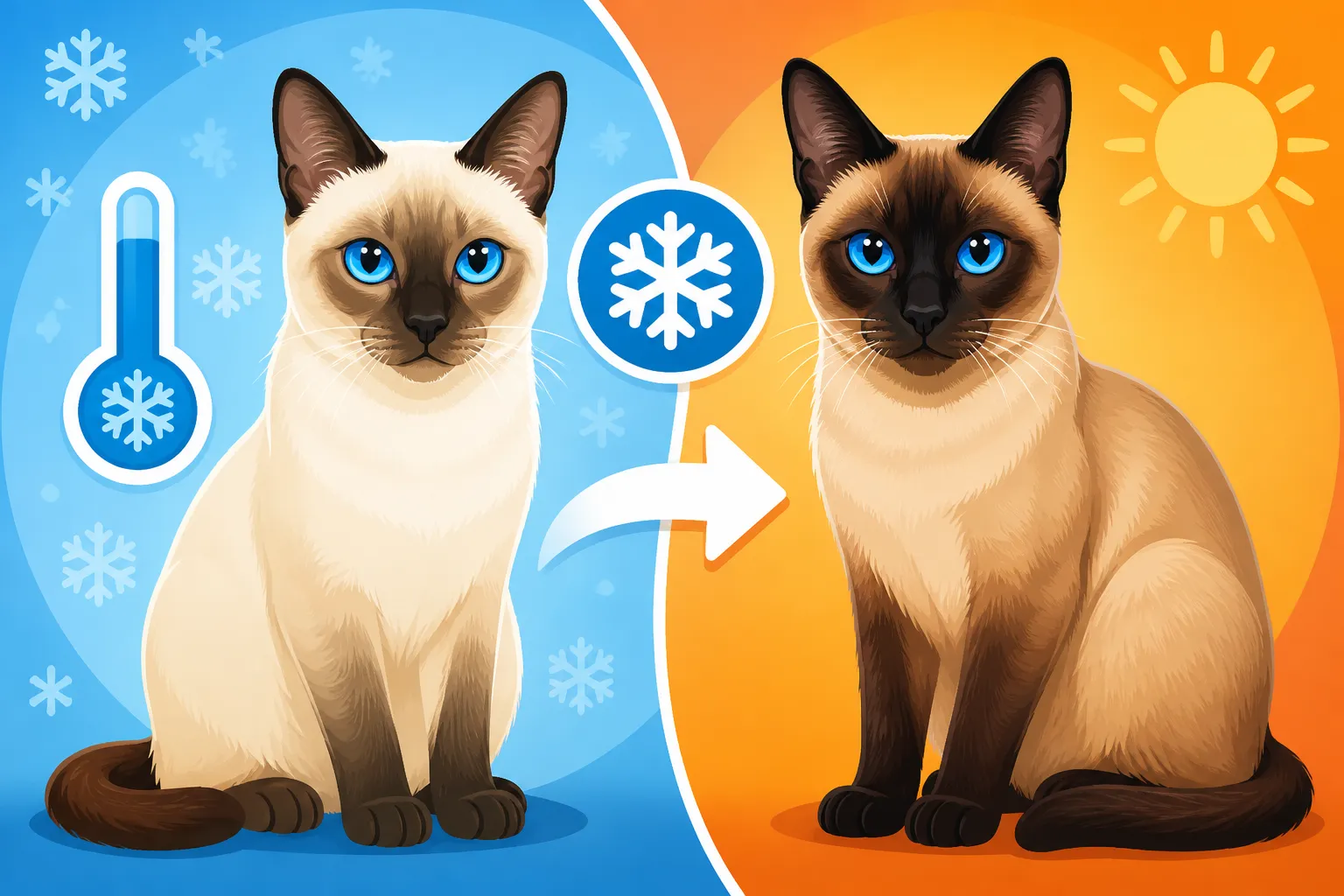
The secret lies in a special enzyme called tyrosinase. In most cats, this enzyme works efficiently regardless of temperature, producing melanin (the pigment that gives fur its color) evenly across their bodies. However, in Siamese cats, a genetic mutation causes their tyrosinase enzyme to be temperature-sensitive. This means it only functions effectively in cooler temperatures.
Think of it like this: the enzyme is a little worker, but it gets sluggish and stops working when it's too warm. In the warmer core areas of your Siamese cat's body – its torso, belly, and upper legs – the body temperature is too high for the tyrosinase to produce much pigment. This is why these areas remain a creamy white or pale fawn. But in the extremities – the ears, nose, paws, and tail – where the body temperature is naturally a few degrees cooler, the enzyme kicks into gear, producing abundant melanin and creating those rich, dark points we adore. This unique characteristic is why Why a Siamese Cat's Pigment Only Works When Cool is so critical to their appearance.
The Phenomenon of Darkening with Age and Environment
This temperature-sensitive enzyme also explains why a Siamese cat's color can change over its lifetime and in different environments. A Siamese kitten is actually born completely white or very pale because they've been warm and cozy in their mother's womb, where the enzyme was mostly inactive. Within a few days or weeks, as they're exposed to the cooler ambient air, their points begin to emerge and darken. You can truly see How Old a Siamese Cat Kitten Is When Points Show right before your eyes.
As your Siamese cat ages, its overall body temperature can subtly decrease, or simply prolonged exposure to cooler environments can lead to a general darkening of its coat, especially its body fur. It’s not uncommon for an older Siamese to develop a much richer, darker body color than they had as a young cat. Similarly, a Siamese cat living in a perpetually chilly house might develop darker fur all over its body compared to one kept in a consistently warm environment. This isn't just an anecdotal observation; it's a direct physiological response to temperature impacting pigment production.
How Injury and Inflammation Affect Fur Color
Now that we understand the temperature-dependent nature of Siamese cat coloration, it makes more sense why a cold injury, or any injury that causes a temporary change in local temperature or blood flow, might lead to a darker patch of fur. It's not magic; it's just the enzyme doing its job where it usually can't.
The "Shaved Patch" Effect and Local Cooling
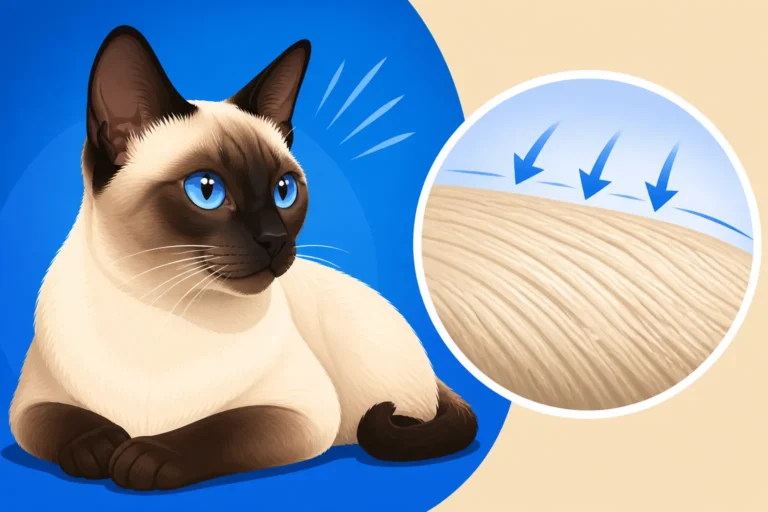
One of the most common ways owners observe this phenomenon is after a surgical procedure or a veterinary visit where a patch of fur is shaved. We even have an article about The Shaved Patch That Grows Back Dark on a Siamese Cat because it's so common. When the fur is removed, that area of skin is now directly exposed to the ambient air, making it cooler than the surrounding fur-covered skin. This localized cooling reactivates the temperature-sensitive tyrosinase enzyme in that specific spot.
As the new fur grows in, it's produced with more melanin, resulting in a darker patch. This can be quite striking – a bright white Siamese might suddenly have a deep brown or even black patch where they had an IV line, a surgical incision, or even just a small scrape. It's a temporary effect that usually fades over time as the fur grows longer and provides insulation, warming the skin beneath it once again. But it beautifully illustrates the direct link between temperature and pigment.
Inflammation, Blood Flow, and Temperature Shifts
Beyond a simple shaved patch, any kind of injury that causes inflammation can also lead to localized temperature changes. When an area of the body is injured, the immune system rushes to the site, increasing blood flow as part of the healing process. Initially, this might make the area feel warmer to the touch. However, as the injury heals and the inflammation subsides, the area might experience localized cooling, especially if the superficial layers of skin or fur have been compromised.
Consider a minor burn, a deep scratch, or even persistent licking due to an irritation. These traumas can temporarily alter the skin's microenvironment. If the healing process involves a period where the skin's temperature drops below the threshold where the tyrosinase enzyme becomes active, the fur growing back in that specific spot will likely be darker. It's the body's natural response, working within the unique genetic parameters of the Siamese cat. It's not necessarily a "cold injury" in the sense of frostbite, but rather any process that creates a cooler microclimate on the skin.
Caring for a Siamese Cat with a Darkened Patch
While a darkened patch of fur after an injury or shaving is usually harmless, it can still be a bit disorienting for owners, and sometimes it's an indication that the underlying issue needs attention. Knowing how to care for your Siamese through these changes is important for their comfort and health.
Monitoring the Injury and Healing Process
The first step is always to ensure the initial injury is healing properly. If the darkened patch is a result of a wound, scrape, or surgical incision, continue to follow your veterinarian's instructions for wound care. Look for signs of infection like redness, swelling, pus, or a foul odor. A minor injury that seems to be healing well might just result in a temporary color change, but anything suspicious warrants another trip to the vet. For more general indicators of health, knowing Signs a Siamese Cat Is Unwell can be really helpful.
Once the wound is fully closed and healthy, the darkening itself is primarily cosmetic. The fur will grow back, and as the area becomes re-insulated by the new coat, the skin temperature will likely normalize, and subsequent fur growth should return to the cat's original coloration for that area. This can take several months, as cat fur grows in cycles. Patience is definitely a virtue here!
Grooming and Environmental Considerations
While you can't magically make a dark patch lighter once the fur has grown in, you can support your Siamese cat's overall coat health and ensure their comfort. Regular, gentle grooming, which for a Siamese often only takes Grooming a Siamese Cat Takes Five Minutes a Week, can help stimulate healthy fur growth and keep the skin beneath clear. A soft brush, perhaps from a selection you can find on Amazon, can also help distribute natural oils and keep the coat sleek.
For general comfort, especially if your Siamese tends to feel the cold, ensuring they have warm, cozy spots around the house is always a good idea. Keeping a Siamese Cat Warm isn't just about their color; it's about their well-being. Consider a heated bed (many options are available on Chewy) or plenty of soft blankets for them to snuggle into. While this won't reverse a darkened patch caused by a localized injury, it contributes to their overall comfort and can influence future fur growth.
Distinguishing Normal Color Changes from Injury-Related Darkening
It's easy to get a little confused about your Siamese cat's ever-shifting coat colors, especially when you factor in age, ambient temperature, and then add injuries to the mix. Knowing what's normal and when to be concerned is key.
Table: Normal vs. Injury-Related Darkening
Here's a quick comparison to help you distinguish between typical color changes and those related to an injury:
| Feature | Normal Siamese Darkening (Age/Environment) | Injury-Related Darkening |
|---|---|---|
| Timing | Gradual over months/years; seasonal shifts; after kittenhood | Appears as new fur grows in after specific incident (shave, wound) |
| Location | Generalized body fur, points darken further, symmetrical changes | Localized to the site of trauma, surgery, or close shave |
| Associated Symptoms | None, healthy cat | May have signs of original injury (scab, redness, tenderness) |
| Pattern | Diffuse, even darkening over large areas | Distinct patch, often with a clear border, matches trauma area |
| Cause | Long-term exposure to cooler temperatures, aging | Localized temporary cooling of skin, often due to hair removal or inflammatory response |
| Reversibility | Can lighten somewhat in warmer conditions/summer | Usually fades as fur grows out and skin re-insulates over many months |
When to Consult Your Veterinarian
While most post-injury darkening is benign, it's always wise to consult your veterinarian if you have any concerns. This is especially true if:
- The original injury is not healing well, showing signs of infection, or causing your cat pain.
- The darkened patch is accompanied by skin irritation, itchiness, hair loss in other areas, or changes in skin texture.
- The darkening is spreading rapidly or appears in an area without any known trauma.
- Your cat is exhibiting other signs of illness, such as lethargy, appetite changes, or behavioral shifts.
Remember, your vet is your best resource for ruling out any underlying health issues. They can examine the area, confirm the cause of the darkening, and provide peace of mind or necessary treatment. The unique genetics of the Siamese mean they often present with these fascinating color changes, but it's important to differentiate between a curious characteristic and a potential health concern. Understanding How Healthy the Siamese Cat Actually Is means being proactive about any unusual changes.
Disclaimer
This article is for general informational purposes only and does not constitute professional advice. Laws, prices and regulations vary by location and change over time. Consult a qualified professional for guidance on your specific situation.