Whether an Aging Siamese Cat Needs Softer Food
As our beloved Siamese companions gracefully enter their golden years, many of us start to notice subtle shifts in their habits, especially around mealtime. One of the most common worries I hear from fellow Siamese owners is that their once voracious eaters are suddenly turning their noses up at their favorite crunchy kibble, or worse, struggling to chew. It's heartbreaking to see them decline an otherwise perfectly good meal, and it often leaves us wondering if their food, specifically its texture, might be the culprit. This guide aims to explore whether an aging Siamese cat truly needs softer food and how to make those transitions smoothly for their comfort and continued good health.
The Unique Challenges of an Aging Siamese Cat's Mouth
It's a common misconception that if a cat isn't crying in pain, they're not hurting. But cats are masters of disguise, especially our stoic Siamese friends. Their mouths, unfortunately, can become a real minefield of discomfort as they age, making the simple act of eating dry, hard food a genuine struggle.
Dental Disease Is a Silent Enemy
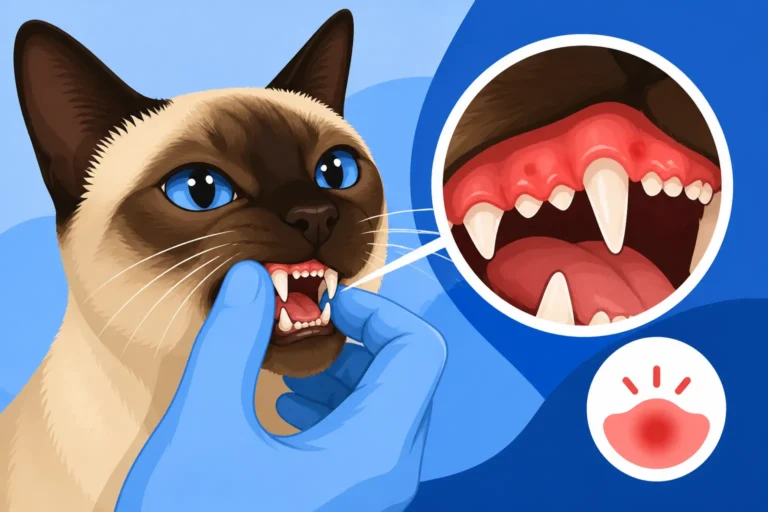
Just like us, cats are susceptible to dental problems, and these issues tend to escalate significantly with age. For a senior Siamese, dental disease isn't just a minor annoyance; it can be incredibly painful and profoundly impact their ability to eat. We're talking about conditions like gingivitis, which is inflammation of the gums, and periodontal disease, where the supporting structures around the teeth become infected and damaged. Imagine trying to chew with swollen, bleeding gums – it's no wonder they might shy away from hard kibble.
Even more insidious is tooth resorption, a condition where parts of the tooth structure gradually erode, often starting below the gum line. It's excruciating, and unfortunately, it's very common in older cats. These lesions can expose the sensitive pulp of the tooth, causing immense pain every time pressure is applied, such as when biting into a piece of dry food. Many times, you won't even see these problems until they're advanced, making regular vet checks and proactive care essential. If your Siamese has Dental Disease in a Siamese Cat, even seemingly minor issues can make hard food a non-starter.
Jaw Pain and Mobility Issues
Beyond the teeth themselves, an aging cat can develop arthritis or other inflammatory conditions in the temporomandibular joint (TMJ), which is essentially their jaw joint. Just like in humans, arthritis can cause stiffness, soreness, and reduced mobility. If their jaw is achy, opening wide enough to crunch a piece of kibble or applying enough pressure to break it down can become a painful ordeal.
Think about it: every bite involves a complex series of movements in the jaw. If these movements are hindered by inflammation or pain, your cat might try to eat, only to stop midway, drop the food, or walk away entirely. They're not being picky; they're trying to avoid discomfort. This can be particularly frustrating for owners who don't see any obvious dental issues but notice a change in eating habits.
Gum Sensitivity and Receding Gums
Over years of chewing, a cat's gums can become more sensitive and even recede, exposing the roots of their teeth. This exposure makes the roots, which lack the protective enamel of the crown, highly vulnerable to temperature and pressure changes. Crunchy, hard kibble can feel like shards on these sensitive areas.
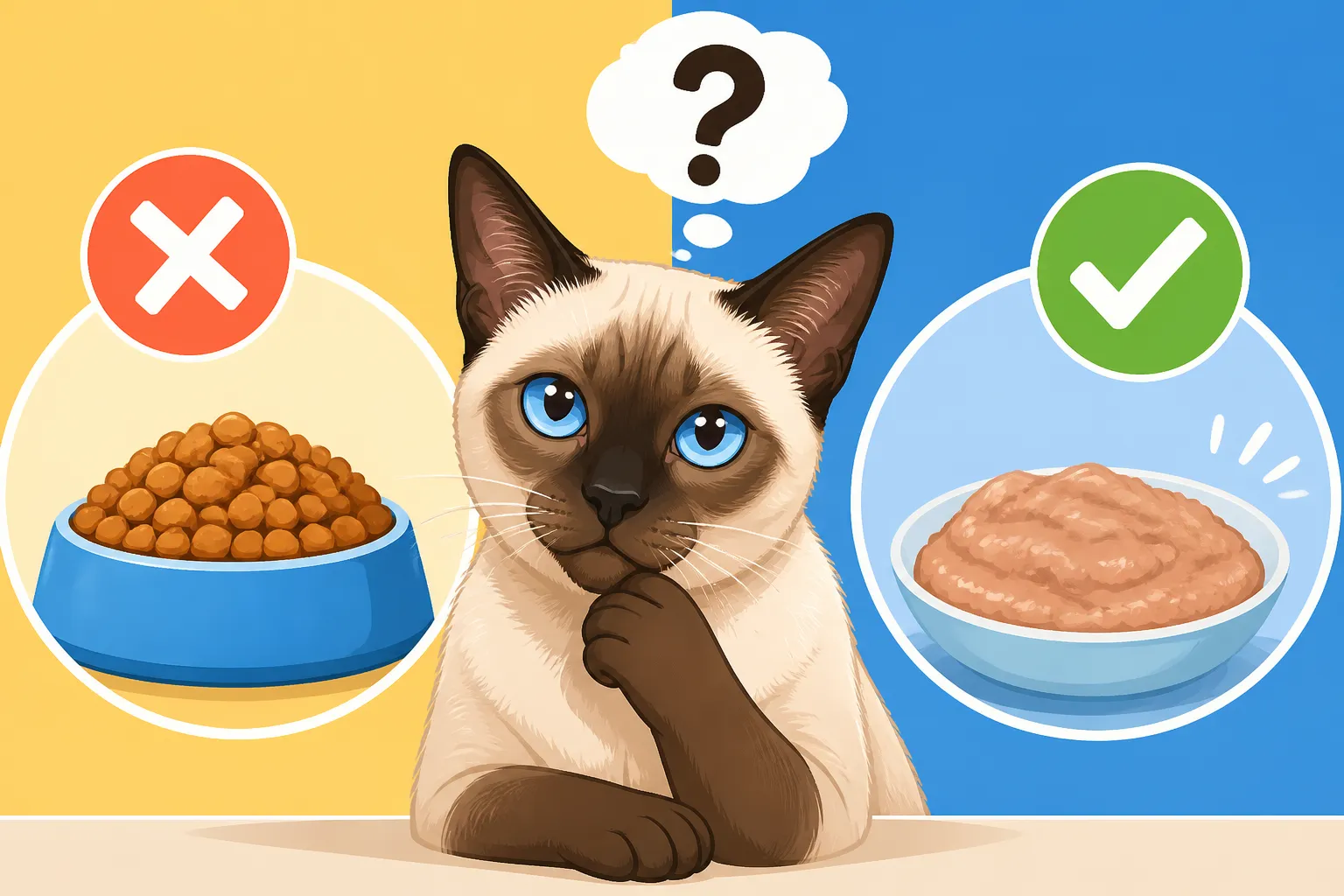
A softer food, on the other hand, can be gently licked or mashed against the roof of the mouth with minimal effort, bypassing much of this discomfort. It's about making the dining experience enjoyable again, rather than a painful chore. Sometimes, simply switching to a paté or gravy-laden wet food can transform a reluctant eater into a happy diner overnight, all because it takes the pressure off their delicate gums and jaws.
Nutritional Considerations for Senior Siamese Cats
Beyond the physical comfort of eating, the type of food your senior Siamese consumes plays a huge role in their overall health and longevity. As they age, their nutritional needs shift, and getting adequate calories and hydration becomes even more critical.
Maintaining Weight and Muscle Mass
One of the most concerning changes we often observe in older Siamese cats is unintentional weight loss and muscle wasting. Our Siamese are naturally lean to begin with, so any significant dip can be alarming. This loss of muscle, or sarcopenia, is a natural part of aging, but it can be exacerbated if they're not consuming enough calories and protein. If your older Siamese is struggling with hard food, they might simply not be eating enough to maintain their body condition. It's a vicious cycle: pain leads to less eating, which leads to weight loss and weakness, which further impacts their ability to eat and thrive.
Softer foods, particularly high-quality wet foods, can be much more calorie-dense and easier to consume in sufficient quantities. This means your cat can get the necessary energy and protein without having to work as hard or endure as much pain. Look for options that are specifically formulated for senior cats, as these often have a better balance of protein to support muscle mass, along with other age-appropriate nutrients. Understanding Why an Old Siamese Cat Loses Muscle is key to addressing this dietary need.
Hydration is Key
Our elegant Siamese cats, like all felines, are prone to kidney issues as they age. They evolved as desert creatures, getting most of their moisture from their prey, so their thirst drive isn't always as strong as it should be. This often means they don't drink enough water, leading to chronic dehydration, which puts a strain on their kidneys. You might notice your Why a Siamese Cat Drinks More With Age, which is often a sign that their kidneys are already working harder.
Wet food is a game-changer here. Most wet cat foods are 70-80% water, which means every meal contributes significantly to their daily fluid intake. This extra hydration can be incredibly beneficial for supporting kidney function and preventing urinary tract issues. Even if your cat drinks from a water fountain or bowl, incorporating wet food ensures a consistent level of hydration that dry kibble simply can't provide on its own. It's an easy and effective way to bolster their internal health without them even realizing it.
Digestibility and Nutrient Absorption
An older cat's digestive system isn't always as robust as it once was. They might not process and absorb nutrients from their food as efficiently, even if they're eating enough. Softer foods, especially those made with easily digestible proteins and limited fillers, can be gentler on their sensitive stomachs. The higher moisture content also aids in the digestive process, making it easier for their bodies to extract the vital nutrients they need.
Some senior-specific formulas in softer textures will also include prebiotics or probiotics to support gut health, which is crucial for nutrient absorption and a strong immune system. This thoughtful formulation can mean the difference between an elderly cat merely existing and truly thriving in their later years.
Types of Softer Food Options and How to Transition
Once you've decided that softer food is the way to go for your senior Siamese, the next step is navigating the myriad of options available and, perhaps most crucially, how to get your discerning feline to accept the change.
Wet Food and Pâtés
This is often the first and most obvious choice when considering softer foods. Wet foods come in an incredible variety of textures: smooth pâtés, chunky stews, delicate flakes in gravy, and shredded meats. For cats with significant dental pain or missing teeth, a smooth pâté is often the most palatable, as it requires minimal chewing. For those who still enjoy some texture but need it soft, a flaked or shredded variety can be a good compromise.
Brands like Chewy offer a vast selection of wet foods, making it easy to experiment with different textures and flavors to find what your Siamese loves. Remember, quality matters. Look for wet foods with high-quality protein sources as the primary ingredients and minimal artificial additives.
Hydrating Dry Kibble
If your Siamese is particularly attached to their dry kibble, or if wet food isn't an option for some reason, you can still make their dry food softer and easier to eat. The simplest method is to add warm water or a low-sodium, cat-safe chicken or beef broth to their kibble. Let it sit for about 10-15 minutes to allow the kibble to soften and swell. This creates a softer, more palatable texture that's easier on their teeth and also adds a much-needed boost of hydration.
Another trick is to gently crush the kibble before adding liquid, especially if the pieces are large. Some cats even enjoy a mix of soft, rehydrated kibble alongside a small portion of wet food. This can be a great way to gradually introduce new textures while still offering something familiar.
Fresh and Gently Cooked Diets
For owners looking for an even more specialized approach, fresh or gently cooked diets can be an excellent option. These diets typically consist of human-grade ingredients, often prepared with minimal processing, and delivered fresh or frozen. Some companies specialize in this kind of fresh pet food, often customizing meals based on your cat's specific needs and preferences.
The high moisture content and natural softness of fresh food can be incredibly appealing to senior cats, and the quality of ingredients can offer superior digestibility and nutrient absorption. However, these diets often come with a higher price tag and require careful storage. Always discuss fresh food options with your vet to ensure they are nutritionally complete and balanced for your aging Siamese.
The Transition Process
Cats are creatures of habit, and suddenly changing their food can lead to stress and digestive upset. A slow, gradual transition is key.
- Start Small: Begin by mixing a very small amount of the new softer food with their current food. A ratio of 10% new food to 90% old food is a good starting point.
- Gradual Increase: Over the next 7-10 days, slowly increase the proportion of the new food while decreasing the old. Monitor your Siamese for any signs of digestive upset like vomiting or diarrhea, or if they're refusing to eat. If you notice these, slow down the transition even further.
- Warm It Up: Many cats prefer their wet food warmed slightly to body temperature, which enhances the aroma and makes it more appealing. You can do this by placing the food in the microwave for a few seconds (stir well to eliminate hot spots) or by adding a little warm water.
- Patience is a Virtue: Some cats will take to new food immediately, while others will be much more resistant. Don't get discouraged! Keep offering the new food in small amounts, perhaps at different times of the day, until they become accustomed to it.
- Separate Bowls (if needed): If you're mixing, sometimes a cat will pick out the new food or the old. If this happens, you might try offering the new food in a separate, small bowl next to their main meal initially, just for them to sample.
When to Consult Your Vet About Food Changes
While changing to softer food can be incredibly beneficial for an aging Siamese, it's crucial to remember that a sudden change in eating habits or a refusal to eat is always a red flag that warrants a veterinary visit.
Signs Your Siamese Cat Needs a Change
Beyond simply leaving kibble in the bowl, there are other signs that your Siamese might be struggling with their current diet and could benefit from softer food. Keep a close eye out for these cues:
- Dropping Food: They pick up a piece of kibble, but it immediately falls out of their mouth. This is a classic sign of dental pain.
- Chewing on One Side: If you notice them consistently favoring one side of their mouth, it suggests pain on the other.
- Halitosis (Bad Breath): While not directly about food texture, foul breath is a strong indicator of dental disease, which absolutely impacts eating.
- Pawing at Mouth: They might paw at their mouth, rub their face, or show general discomfort around their head.
- Reduced Appetite or Pickiness: They may start eating less overall or become unusually fussy, turning away from food they once loved.
- Weight Loss: This is a major concern. If your Signs a Siamese Cat Is Unwell, especially if it's accompanied by weight loss, it needs immediate attention.
- Changes in Grooming: Painful mouths can make grooming difficult, so they might have a scruffier coat.
If you observe any of these signs, don't just switch their food and hope for the best. Make an appointment with your veterinarian.
Underlying Health Conditions
A decrease in appetite or significant weight loss in a senior Siamese isn't always due to dental issues. These can be symptoms of more serious underlying health conditions that require diagnosis and treatment. For example, older Siamese cats are predisposed to conditions such as Kidney Disease in an Older Siamese Cat or Hyperthyroidism in an Older Siamese Cat. Both of these can lead to changes in appetite, weight loss, and general malaise. Even some cancers can manifest with similar symptoms.
Your vet can perform a thorough physical examination, including a dental check-up, and recommend blood tests or other diagnostics to get to the root of the problem. If an underlying illness is found, dietary changes might be part of a broader treatment plan, and your vet can advise on the most appropriate food, which often includes highly digestible, softer options. Never assume changes in eating are just a sign of aging; always rule out medical issues first.
When it comes to the comfort and health of our senior Siamese, their diet is one of the most impactful areas we can adjust. Listening to their subtle cues and consulting with your veterinarian will ensure they enjoy their golden years with as much joy and vitality as possible.
| Food Type | Pros for Senior Siamese Cats | Cons for Senior Siamese Cats |
|---|---|---|
| Wet Food (Pâté/Gravy) | High moisture for hydration, very soft/easy to eat, highly palatable. | Can be more expensive, some cats are fussy about texture, needs refrigeration. |
| Rehydrated Kibble | Retains familiar flavor, adds hydration, softens texture. | Not as hydrating as pure wet food, some cats dislike mushy texture. |
| Fresh/Gently Cooked | High quality, highly digestible ingredients, excellent hydration. | Can be very expensive, requires careful storage, may need vet formulation. |
Disclaimer
This article is for general informational purposes only and does not constitute professional advice. Laws, prices and regulations vary by location and change over time. Consult a qualified professional for guidance on your specific situation.