Why a Siamese Cat’s Coat Lies Flat
You might have noticed that your Siamese cat's fur always seems to lie incredibly flat against their body, almost like it's painted on. It's a distinct characteristic that makes them look so elegant and sleek, and it's a far cry from the fluffy, voluminous coats of many other breeds. This guide is here to unravel the mysteries behind that wonderfully smooth Siamese coat, diving into the genetics, the breed standards, and what it all means for how you care for your feline friend.
The Unique Structure of the Siamese Cat Coat
When you run your hand over a Siamese cat, you can immediately feel the difference. Their fur isn't just short; it's remarkably fine and dense, clinging to their athletic form without any fluff or lift. This sleek appearance isn't just an aesthetic choice; it's a direct result of their unique coat structure, which sets them apart from many other cat breeds. Understanding this structure is key to appreciating why their coat behaves the way it does.
Single Coat vs. Double Coat
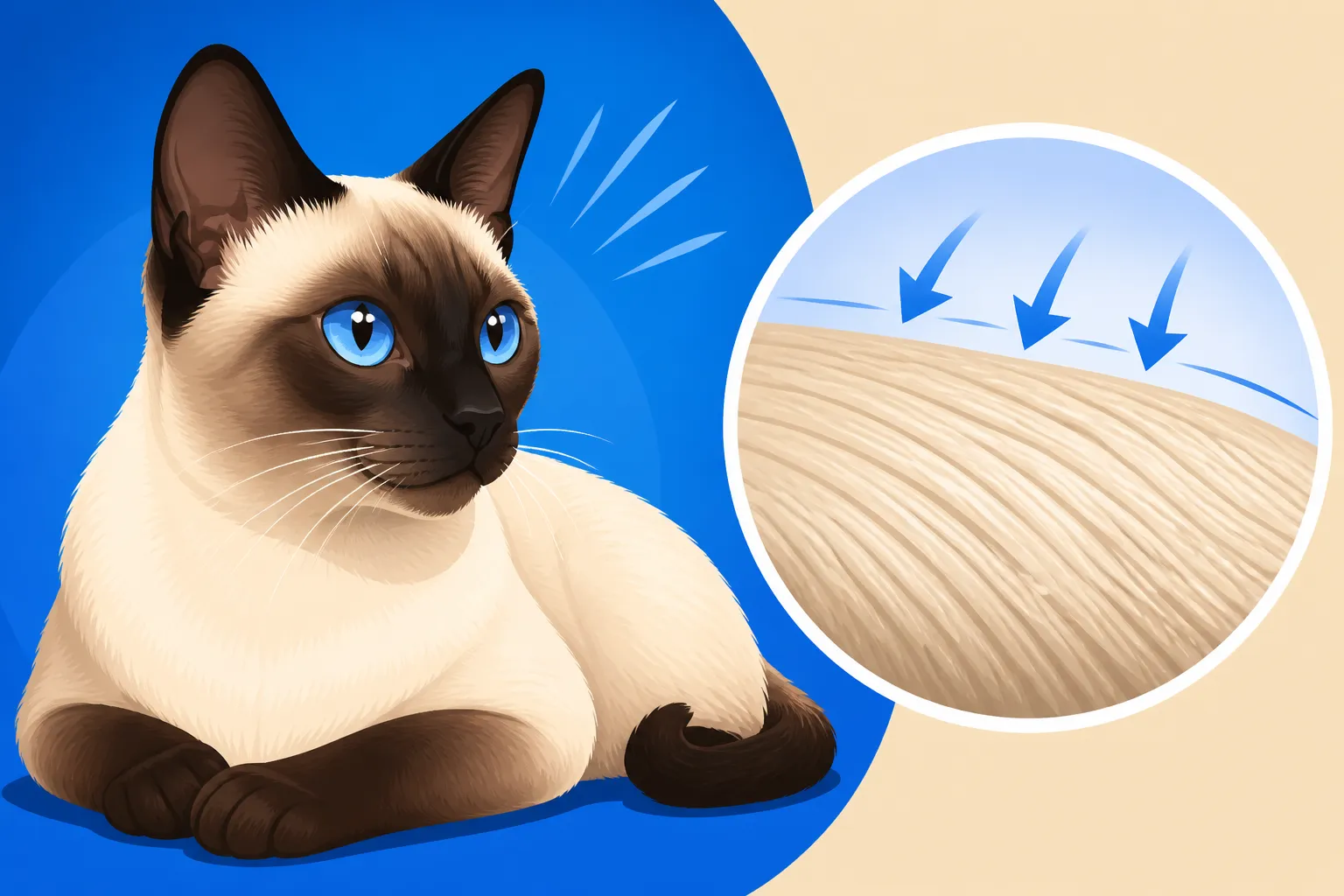
The primary reason a Siamese cat's coat lies so flat is that they possess a single coat. What does that mean, exactly? Well, most cat breeds have what's called a double coat. Think of a Maine Coon or a Persian cat; they have a soft, downy undercoat that provides insulation and gives them their plush, voluminous look, plus coarser guard hairs on top. It's like wearing a fluffy sweater under a waterproof jacket.
Siamese cats, however, skip the sweater entirely. They lack that dense, insulating undercoat. Their fur consists almost entirely of guard hairs, which are the protective, outer layer of fur. These hairs are naturally designed to lie flat, providing a smooth, streamlined surface. Without the thick, crinkly undercoat pushing them outwards, the guard hairs simply have nowhere else to go but to hug the contours of your cat's body. This structural difference impacts everything from how they feel to how they cope with temperature.
Fine Texture and Close-Lying Hairs
Beyond being a single coat, the individual hairs of a Siamese cat are themselves incredibly fine and silky. Imagine strands of human hair – some are thick and coarse, while others are baby-fine. Siamese cat hairs fall into the latter category. This fineness, coupled with their inherent growth pattern, dictates that each strand lies very close to the skin. There's no stiffness or coarse texture that would make the hairs stand away from the body, creating volume.
When you pet a Siamese, the sensation is one of unparalleled smoothness. The hairs glide under your fingers, offering virtually no resistance. This isn't just about length; even some short-haired breeds can have a slightly coarser or more "springy" coat due to different hair textures or a denser growth pattern. The Siamese coat is designed for maximum sleekness, which contributes to their famously elegant and somewhat aristocratic bearing. This fine texture also means they tend to pick up less debris from their environment, which is a nice bonus for owners!
Absence of an Insulating Undercoat
The lack of an insulating undercoat is the crucial factor contributing to the flat-lying nature of the Siamese coat. While it gives them that desirable sleek look, it also has significant functional implications, particularly regarding their ability to regulate body temperature. A thick undercoat acts like a built-in down jacket, trapping air close to the body to keep the cat warm in cold weather and sometimes even cool in hot weather by preventing external heat from reaching the skin.
Because Siamese cats don't have this natural insulation, their bodies are much more susceptible to temperature fluctuations. This is why you'll often find your Siamese snuggled deep under blankets, basking in sunbeams, or curled up on your lap – they are constantly seeking external warmth. They are not equipped for chilly environments and will actively look for the warmest spot in the house. This preference for warmth directly impacts their comfort and overall well-being. It's a key part of Why a Siamese Cat Feels the Cold. If you want to dive deeper into this specific aspect, you can explore Why a Siamese Cat Has No Undercoat to understand more about its structural reasons.
Genetic Factors and Breed Standards
It's no accident that Siamese cats have such a distinctive coat. Their unique appearance, from their striking blue eyes to their color points, is deeply rooted in their genetics, and this includes the very texture and lie of their fur. The breed's history and the careful selection by breeders over generations have solidified this coat type as a defining characteristic.
The Pointed Gene and Coat Texture
The genetic blueprint of the Siamese cat is fascinating, and it's all linked back to a specific gene responsible for their iconic "pointed" coloration. This gene, a form of partial albinism, causes pigment to only develop in cooler areas of the body, leading to the dark extremities (points) and a lighter body. But it doesn't stop there; this same genetic foundation also influences other physical traits, including the type of coat they grow.
While not a direct one-to-one correlation, the genes that dictate the Siamese color pattern are intrinsically linked to the development of a single, fine coat. It's part of a suite of characteristics that define the Siamese phenotype. Think of it as a package deal: the genes that give them their unique color also contribute to their sleek, close-lying fur. It's believed that early Siamese cats, living in warmer climates, evolved with this lighter, less insulated coat, and these traits were then reinforced through selective breeding. This genetic predisposition means that a truly purebred Siamese will inherently have this type of coat.
Breed Standard Requirements for Coat
Cat registries around the world, such as the Cat Fanciers' Association (CFA) and The International Cat Association (TICA), have very specific standards for what a Siamese cat should look like. And guess what? The coat is a major component. These standards explicitly call for a short, fine, silky coat that lies close to the body. Any deviation from this – such as a coarse texture, a fluffy appearance, or a noticeable undercoat – would be considered a fault in a show cat.
Breeders, therefore, actively select for these traits when planning their litters. They are aiming to produce cats that not only meet the aesthetic requirements of the breed but also carry forward the genetic legacy of the Siamese. This careful selection ensures that the characteristic flat-lying coat remains a hallmark of the breed. It's not just a cute quirk; it's a deeply ingrained and highly valued feature. You can learn more about all the physical attributes in What a Siamese Cat Looks Like by the Standard. This dedication to the breed standard means that if you have a Siamese, you can expect that signature sleekness.
Historical Perspective on Siamese Coat
The distinct coat of the Siamese cat isn't a modern invention; it's been a consistent feature throughout their long and storied history. Ancient texts and artistic depictions from their homeland of Siam (modern-day Thailand) show cats with the same slender bodies and sleek, close-lying fur that we recognize today. The famous "Tamra Maew" or "Cat-Book Poems," which date back centuries, describe cats with specific physical attributes, and the description of the Wichianmat (the ancestor of the modern Siamese) aligns perfectly with the single-coated, elegant feline we know.
These historical records provide fascinating insight into how long this coat type has been a defining characteristic. It wasn't something that changed dramatically as the breed developed or was exported to the West. The smooth, athletic build and the accompanying flat coat were always part of their mystique and allure. This consistency over centuries underscores the deep genetic basis for their coat and how integral it is to the Siamese identity. Reading more about these historical accounts, such as What the Tamra Maew Manuscripts Show About the Siamese Cat, can give you an even richer appreciation for your cat's heritage.
Practical Implications for Care and Lifestyle
Understanding why your Siamese cat's coat lies flat isn't just about satisfying curiosity; it also has very real implications for how you care for them day-to-day. From grooming routines to keeping them comfortable, their unique fur dictates a slightly different approach than you might take with a fluffier breed.
Grooming Needs (or Lack Thereof)
One of the biggest advantages of a Siamese cat's flat-lying, single coat is its wonderfully low maintenance grooming needs. Unlike double-coated breeds that require daily brushing to prevent mats, tangles, and excessive shedding, your Siamese is much easier to keep looking pristine. There's no dense undercoat to shed out in huge clumps, and the fine, short hairs rarely tangle.
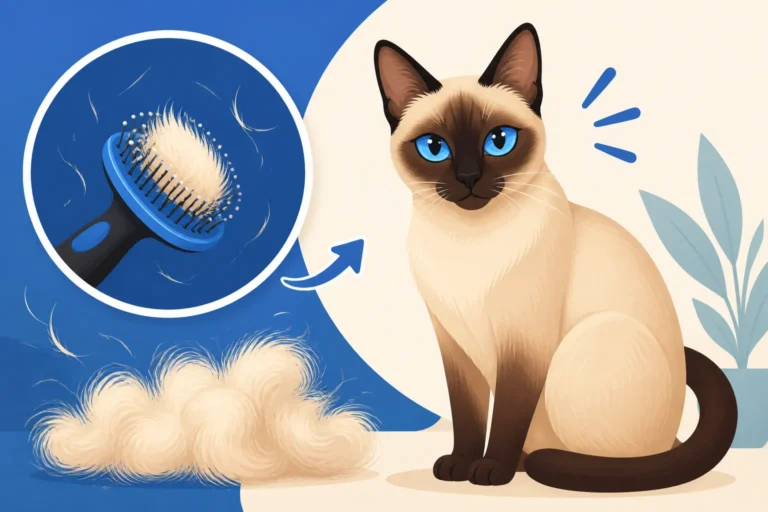
A quick brush two to three times a week is often more than enough to keep their coat healthy, shiny, and to remove any loose hairs. A rubber curry brush or a soft bristle brush works perfectly, gently massaging their skin and distributing natural oils. Many Siamese cats actually enjoy being brushed as it feels like a massage, making it a pleasant bonding experience rather than a chore. This minimal effort truly highlights why Grooming a Siamese Cat Takes Five Minutes a Week is a realistic statement. It also means less fur around your house, which is a win for everyone! If you're looking for recommendations, many excellent brushes are available on Chewy or Amazon.
Shedding Characteristics
While it's true that Siamese cats do shed, their single, fine coat means that the shedding is typically far less noticeable and problematic than with many other breeds. You won't usually find giant fur tumbleweeds rolling across your floor, or discover that your black pants are suddenly white with cat hair after a single cuddle session. The hairs they do shed are generally quite fine and less voluminous.
Regular brushing, as mentioned, is the best way to manage what little shedding they do. By gently removing loose hairs before they fall out naturally, you keep your cat comfortable and your home cleaner. While they don't have the heavy seasonal "blowouts" that double-coated cats experience, you might notice slightly more shedding during changes in temperature or stress. Overall, however, their shedding is one of the more manageable aspects of Siamese ownership. You can find more detail on this topic in How Much a Siamese Cat Sheds.
Temperature Sensitivity and Comfort
As we touched on earlier, the absence of an insulating undercoat means Siamese cats are quite sensitive to cold. Their sleek, flat coat offers little protection against chilly drafts or low room temperatures. This isn't just a minor preference; it's a significant physiological consideration for their well-being. A cold Siamese cat isn't just uncomfortable; prolonged exposure to cold can stress their system.
Therefore, ensuring a warm and cozy environment is paramount. You'll often find your Siamese seeking out the warmest spots in your home: curled up on a sunny windowsill, burrowed under a blanket, or snuggled firmly against you. Providing heated cat beds or soft, plush blankets is highly recommended, especially in cooler climates or during winter months. Many brands offer wonderful heated beds you can easily find on Chewy or Amazon that your Siamese will absolutely adore. They also thrive in homes where the ambient temperature is kept comfortably warm. This need for warmth is a critical part of How Warm a Siamese Cat's House Should Be and should be a top priority for any Siamese owner.
Common Misconceptions and What to Look For
The Siamese cat's unique coat often leads to certain assumptions and questions. While their sleek fur offers many benefits, it's important to separate fact from fiction and understand when a coat that doesn't lie flat might signal an underlying issue.
"Hypoallergenic" Claims and Reality
One of the most persistent myths surrounding Siamese cats is that they are hypoallergenic due to their short, flat-lying coat. It's a lovely thought, especially for allergy sufferers, but unfortunately, it's not entirely accurate. No cat breed is truly 100% hypoallergenic because cat allergies are primarily caused by a protein called Fel d 1, which is found in a cat's saliva, urine, and dander (dead skin flakes), not just their fur.
That being said, Siamese cats can be better tolerated by some allergy sufferers. Because they have a single coat and typically shed less than many other breeds, they might distribute less dander and allergen-laden saliva around the house. Their short, close-lying fur also means there's less surface area for allergens to cling to compared to a long-haired, fluffy cat. So, while they aren't allergen-free, their characteristics might make them a more manageable option for individuals with milder cat allergies. It's always best for an allergic person to spend time with a specific Siamese cat before committing to adoption.
When a Siamese Coat Doesn't Lie Flat
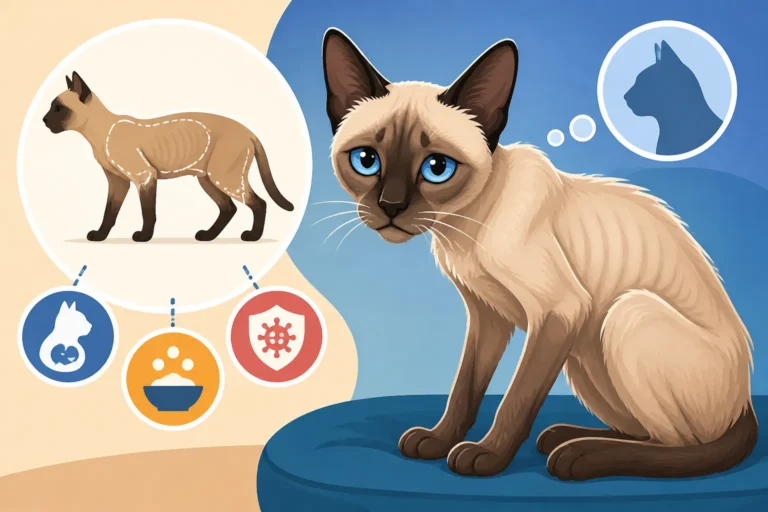
A healthy Siamese cat's coat should always be sleek, shiny, and lie flat against their body. If you notice your cat's fur looking dull, standing up, feeling rough, or appearing unusually fluffy, it could be a subtle sign that something isn't quite right. These changes can sometimes be indicators of various issues:
- Health Problems: An underlying illness or chronic condition can often manifest in a poor coat quality. Cats who are unwell may not groom themselves adequately, or their body may not be able to process nutrients effectively to maintain a healthy coat.
- Poor Nutrition: A diet lacking essential fatty acids, vitamins, or high-quality protein can quickly lead to a dull, dry, or 'fluffed up' coat. Just like our hair can suffer from a bad diet, so can a cat's. Ensuring your Siamese is on a high-quality diet, whether fresh food or a premium dry kibble, is crucial.
- Stress or Anxiety: Cats under stress may over-groom, leading to bald patches, or under-groom, resulting in a neglected, poor-looking coat.
- Dehydration: Adequate hydration is vital for skin and coat health. If your Siamese isn't drinking enough water, their fur might suffer.
- Parasites: Fleas, mites, or other skin parasites can cause irritation, leading to scratching, biting, and a generally unhealthy-looking coat.
If you observe a significant change in your Siamese's coat quality, especially if accompanied by other behavioral or physical changes, a visit to your veterinarian is always the best course of action. It could be an early indicator of something more serious. Pay attention to Signs a Siamese Cat Is Unwell to catch any issues early.
Maintaining a Healthy, Flat-Lying Coat
To ensure your Siamese cat's coat remains beautifully sleek, shiny, and flat-lying, a holistic approach to their care is essential. It's not just about brushing; it's about overall health and well-being.
- Nutrition is Key: As mentioned, a high-quality diet is paramount. Look for cat foods with high protein content, good sources of omega-3 and omega-6 fatty acids (like fish oil), and essential vitamins. Fresh, human-grade food and excellent dry and wet options from reputable brands can do wonders for a cat's coat. A healthy diet supports skin integrity and hair growth. Feeding a Lean Siamese Cat That Burns Everything covers more on their dietary needs.
- Hydration: Always provide access to fresh, clean water. Some Siamese cats prefer running water from a fountain, which can encourage them to drink more. Good hydration is crucial for supple skin and a lustrous coat.
- Regular Grooming: While minimal, consistent brushing helps remove loose hairs, dirt, and distributes natural skin oils, enhancing the coat's shine and promoting that flat lie. Which Grooming Glove Suits a Siamese Cat could provide some useful tips.
- Stress-Free Environment: A calm and predictable home environment contributes significantly to your cat's overall health, including their coat. Reduce stressors where possible, provide plenty of enrichment, and maintain a consistent routine.
- Regular Vet Check-ups: Routine veterinary visits allow for early detection of any health issues that could impact their coat. Your vet can also offer advice on specific dietary supplements if your cat has persistent coat problems.
By providing attentive care, you'll not only keep your Siamese cat feeling fantastic but also ensure their stunning, flat-lying coat remains a testament to their regal beauty.
Here's a quick comparison of the Siamese coat versus a typical double-coated breed:
| Feature | Siamese Cat Coat | Typical Double-Coated Breed (e.g., Maine Coon) |
|---|---|---|
| Coat Layers | Single coat (primarily guard hairs) | Double coat (guard hairs + dense undercoat) |
| Texture | Fine, silky, smooth | Coarser guard hairs, soft/fluffy undercoat |
| Appearance | Lies flat, sleek, close to body, defined contours | Voluminous, fluffy, stands away from body |
| Insulation | Minimal natural insulation | Excellent natural insulation |
| Shedding | Present, but generally less noticeable/voluminous | Often heavy, especially seasonally, more visible |
| Grooming Needs | Low (2-3 times a week brushing) | Moderate to High (daily brushing often needed) |
| Temperature | Sensitive to cold, seeks warmth | Tolerant of cooler temperatures |
Disclaimer
This article is for general informational purposes only and does not constitute professional advice. Laws, prices and regulations vary by location and change over time. Consult a qualified professional for guidance on your specific situation.