Whether a Siamese Cat Needs High Calorie Food
It’s a common sight for Siamese cat parents: you look at your sleek, athletic feline, and a little voice in your head asks, "Are they eating enough? Are they too skinny?" Because of their notoriously lean and often bony build, many Siamese owners worry their beloved Meezer needs a special, high-calorie diet to put on weight or simply stay healthy. This guide is here to help you understand your Siamese cat's unique metabolic needs and determine if high-calorie food is truly the answer, or if their slender frame is simply part of their charming genetic makeup.
Understanding the Siamese Cat's Natural Build and Metabolism
Let's face it, Siamese cats are built differently. They’re not your fluffy, round-faced Persian. Their elegant, svelte bodies are part of their breed standard, a hallmark of their beauty. This often leads to owners feeling a little anxious, constantly wondering Why a Siamese Cat Stays So Thin. But that lean look isn't necessarily a sign of malnourishment; it's usually just them.
Why Siamese Cats are Naturally Lean and Energetic
Siamese cats are renowned for their high energy levels and a metabolism that seems to burn calories at an incredible rate. They are active, playful, and always on the go, whether they're chasing a laser pointer, scaling a cat tree, or having a full-blown conversation with you about the day's events. This constant activity means they expend more energy than many other, more sedentary breeds. Think of them as feline athletes, always ready for action. Their body structure is designed for agility and speed, not bulk. This is why their rib cage might be more prominent, and they might feel quite bony to the touch, even when they are at a perfectly healthy weight. It's a physiological trait, not typically a nutritional deficiency in a healthy adult.
Moreover, their short, close-lying coat also contributes to their slender appearance. There's no thick undercoat to provide visual padding, so what you see is truly what you get. If your Siamese is playful, has bright eyes, a shiny coat, and good muscle tone despite their leanness, they're likely thriving. It’s important not to project our own human or other cat breed expectations onto their unique physique. They're built for speed and vocalizations, not for cuddling up as a plush pillow, no matter how much we might try to convince them.
What a Healthy Siamese Cat's Weight Looks Like
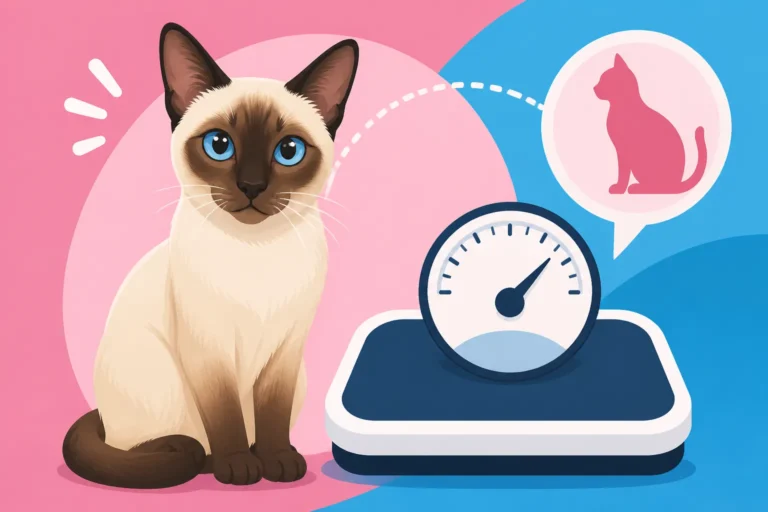
Determining a healthy weight for a Siamese isn't always about the number on the scale, but more about their body condition. A healthy adult Siamese typically weighs somewhere between 6 to 10 pounds, with males often being slightly larger than females. However, individual cats vary, and the most crucial indicator is their body condition score. You should be able to easily feel their ribs without pressing hard, but they shouldn't be visibly protruding. There should be a noticeable waistline when you view them from above, and a slight tuck in their abdomen when viewed from the side.
A great way to assess this is using the Body Condition Score (BCS) chart, often used by veterinarians. A healthy Siamese usually falls into the ideal range (around a 5 out of 9). If you're concerned about Whether a Siamese Cat Is Too Thin, your vet can give you an accurate assessment. They'll consider their age, activity level, and overall health. Remember, a cat that is too thin will often show other signs, like lethargy, a dull coat, or a decrease in appetite, not just a lean appearance. A truly underweight Siamese will have very prominent bones, no visible waist, and potentially a lack of muscle mass.
When High-Calorie Food Might Actually Be Needed
While a naturally lean Siamese typically doesn't need high-calorie food, there are specific situations where a caloric boost is genuinely beneficial and even necessary. These are usually times of increased energy demand or recovery from illness.
For Growing Kittens and Young Cats
Siamese kittens, much like all kittens, are little bundles of rapid growth and boundless energy. Their bodies are working overtime to develop bones, muscles, and organs, and this intense growth period requires a significant caloric intake. Kitten-specific foods are naturally higher in calories, protein, and essential nutrients to support this demanding phase. If you’re raising a Siamese kitten, feeding a high-quality kitten formula is crucial for their development.
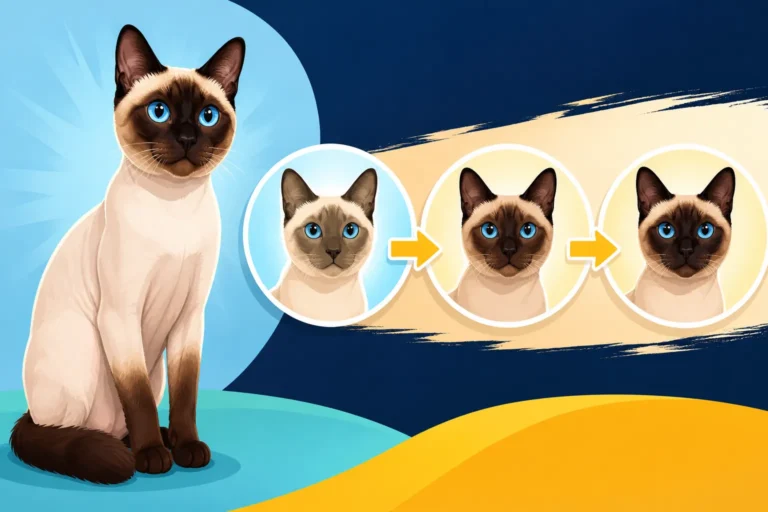
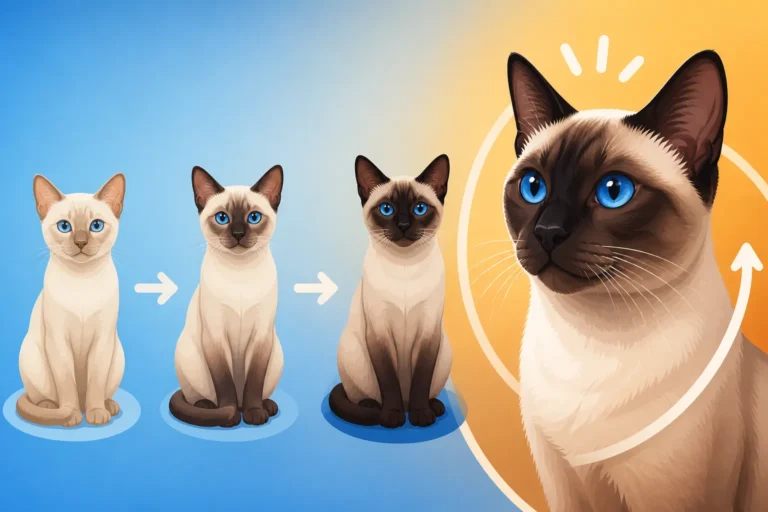
These young ones are also incredibly active, constantly exploring, playing, and learning. Their metabolism is roaring, and they burn through energy quickly. Ensuring they have access to nutrient-dense food specifically formulated for growth will help them reach their full potential. As they approach adulthood, usually around 12 months, you can gradually transition them to an adult formula, but their first year definitely warrants that extra caloric support. What a Siamese Cat Kitten Should Eat is often a kitten-specific, high-quality kibble or wet food designed for growth.
During Recovery from Illness or Surgery
When a Siamese cat is recovering from an illness, injury, or surgery, their body needs extra resources to heal and regain strength. This is a critical time when their immune system is working hard, and their appetite might be suppressed. In such cases, your vet might recommend a highly palatable, high-calorie, and nutrient-dense recovery diet. These specialized foods are formulated to provide maximum nutrition in a smaller volume, making it easier for a cat with a poor appetite to consume enough calories.
For example, if your Siamese has undergone a major dental procedure and is struggling to eat, or if they've been battling a prolonged illness like hyperthyroidism or kidney disease, a high-calorie diet can make a huge difference in their recuperation. Conditions like Hyperthyroidism in an Older Siamese Cat or Kidney Disease in an Older Siamese Cat can cause significant weight loss, making targeted nutritional support vital. This isn't about fattening them up, but providing the necessary fuel for tissue repair and immune function. Always follow your vet's advice regarding specific recovery diets.
For Underweight or Malnourished Cats
Occasionally, a Siamese cat might genuinely be underweight due to factors other than their natural build. This could be due to a history of neglect, an undiagnosed medical condition, or simply being a very picky eater who hasn't been getting adequate nutrition. In these situations, a vet-recommended high-calorie diet is essential for safe and gradual weight gain. It’s not just about adding fat, but about rebuilding lost muscle mass and restoring overall health.
This often involves not only a calorically dense food but also a highly digestible one to ensure the cat can absorb as many nutrients as possible. Your vet might also run tests to rule out underlying health issues that are contributing to the weight loss. For a truly malnourished Siamese, simply increasing the quantity of their regular food might not be enough or could even upset their digestive system. A carefully chosen high-calorie option, along with regular vet check-ups, is the best approach to help them return to a healthy body condition.
Choosing the Right Food and Monitoring Your Siamese's Health
When it comes to your Siamese's diet, quality and appropriateness are key, whether they need high-calorie food or just their regular maintenance diet. The goal is always optimal health and energy.
What to Look For in a High-Quality Cat Food
Whether you're looking for standard maintenance food or a higher-calorie option, the principles of a good quality cat food remain the same. Cats are obligate carnivores, meaning they require a diet rich in animal protein. Look for foods where meat is the first ingredient, and ideally, the first few ingredients are animal-based proteins like chicken, turkey, fish, or beef. Avoid foods with excessive fillers like corn, wheat, or soy, as these offer little nutritional value for a cat.
Healthy fats, such as those from fish oil or chicken fat, are also crucial for energy, skin, and coat health. Ensure the food is complete and balanced, meeting AAFCO (Association of American Feed Control Officials) nutritional standards for your cat's life stage (kitten, adult, or senior). For high-calorie needs, the food will typically have a higher fat content and sometimes a higher protein percentage to boost the caloric density without increasing the volume too much. You can find excellent options from reputable brands on platforms like Chewy or Amazon, offering a wide range of choices to discuss with your vet.
Here's a quick comparison of when you might consider a high-calorie diet:
| Situation | Need for High-Calorie Food | Why |
|---|---|---|
| Healthy, Active Adult Siamese | Generally No | Naturally lean with high metabolism; standard quality adult food usually sufficient. |
| Siamese Kitten | Yes | Rapid growth and high energy demands require nutrient and calorie-dense kitten formula. |
| Senior Siamese (Healthy) | Generally No | Needs easy-to-digest, age-appropriate food, not necessarily high-calorie unless losing weight. |
| Senior Siamese (Underweight) | Often Yes | May need help maintaining weight due to age-related changes or conditions like What Changes in a Siamese Cat After Twelve. |
| Recovering from Illness/Surgery | Yes | Body needs extra fuel for healing, immune function, and regaining strength. |
| Clinically Underweight Cat | Yes | To safely and gradually regain lost muscle mass and overall body condition. |
| Pregnant/Lactating Queen | Yes | Significant energy and nutrient demands for developing kittens and milk production. |
Monitoring Your Siamese Cat's Body Condition and Energy Levels
Regularly assessing your Siamese's body condition and monitoring their behavior are the best ways to tell if their diet is meeting their needs. Feel their ribs, spine, and hip bones weekly. You should be able to feel them easily, but they shouldn't protrude sharply without any muscle or fat covering. Run your hands along their sides; they should have a discernible waist.
Beyond physical checks, observe their energy levels, playfulness, and overall demeanor. Is your Siamese as vocal and active as usual? Is their coat shiny and soft? Are they eating well and using the litter box normally? Any significant changes in these areas warrant a vet visit. A healthy Siamese cat should be energetic, curious, and engaged with their environment. If you're providing them with good quality, nutrient-dense food and they're still not thriving, it's time to consult your veterinarian to rule out any underlying health issues that might be affecting their weight or digestion. How Many Calories a Siamese Cat Needs a Day can vary widely based on individual factors, so consistent monitoring is crucial.
Addressing Owner Concerns and Common Misconceptions
It's completely natural to worry about your beloved Siamese, especially when their slender build makes you wonder if they're getting enough. This concern is very common among Siamese owners, who often feel that they are constantly Feeding a Lean Siamese Cat That Burns Everything. Let's address some of those anxieties and clear up common misunderstandings.
The Difference Between Lean and Underweight
One of the biggest sources of anxiety for Siamese owners is mistaking their cat's naturally lean physique for being underweight. It's a common misconception because many other cat breeds carry more fat or have thicker fur, making them appear "fuller." A healthy Siamese is inherently sleek, muscular, and athletic. Their elegance is defined by their lithe frame. You should be able to feel their ribs under a thin layer of muscle and fat, see a distinct waist, and notice an abdominal tuck. These are all signs of a fit, healthy Siamese.
An underweight Siamese, on the other hand, will look gaunt. Their ribs, spine, and hip bones will be very prominent, with little to no muscle or fat covering them. Their face might appear sunken, and they could seem lethargic, have a dull coat, or exhibit signs of a poor appetite. If your Siamese is acting energetic, has a glossy coat, and is eating regularly, their leanness is likely just their breed's natural healthy state. Don't be fooled by the visual contrast with chunkier breeds; what's healthy for a Maine Coon is very different from what's healthy for a Siamese.
Why Your Vet Knows Best for Your Individual Cat
While advice from fellow cat enthusiasts and online articles is helpful, your veterinarian is truly the best resource for assessing your individual Siamese cat's nutritional needs. They have the expertise to perform a thorough physical examination, assess their body condition score, and take into account their age, lifestyle, and medical history. If you're concerned your cat might be underweight, or if you're considering a high-calorie diet, always consult your vet first.
They can rule out underlying medical conditions that might be causing weight loss, such as hyperthyroidism, dental disease, or digestive issues. Your vet can recommend specific diets, whether it's a therapeutic high-calorie food for recovery or simply adjusting their current diet to ensure they're getting adequate nutrition for their activity level. They can also guide you on the appropriate portion sizes and feeding schedule. Remember, every cat is an individual, and a one-size-fits-all approach to diet just doesn't work. Trusting your vet ensures your Siamese gets the personalized care they deserve throughout their The Fifteen to Twenty Years a Siamese Cat Gets.
Balancing High-Calorie Intake with Digestive Health
If your vet does recommend a high-calorie diet, it's crucial to introduce it gradually and monitor your cat's digestive health. Suddenly switching to a rich, high-calorie food can cause stomach upset, vomiting, or diarrhea. Always transition new foods over 7-10 days, slowly mixing increasing amounts of the new food with decreasing amounts of the old. This allows your cat's digestive system to adjust.
Even with a gradual transition, some cats might still experience mild digestive upset. Watch for changes in stool consistency, frequency, or any signs of discomfort. If issues persist, discuss them with your vet. Sometimes, a different formulation or a slower transition period is needed. The goal is to provide beneficial calories and nutrients, not to create new health problems. A healthy cat with a robust digestive system is better equipped to absorb the nutrients from any diet, high-calorie or otherwise. Ensure they always have access to fresh water to aid digestion and overall hydration. What Care a Siamese Cat Needs Its Whole Life includes careful attention to their diet and digestive well-being.
Disclaimer
This article is for general informational purposes only and does not constitute professional advice. Laws, prices and regulations vary by location and change over time. Consult a qualified professional for guidance on your specific situation.