What Changes in a Siamese Cat After Twelve
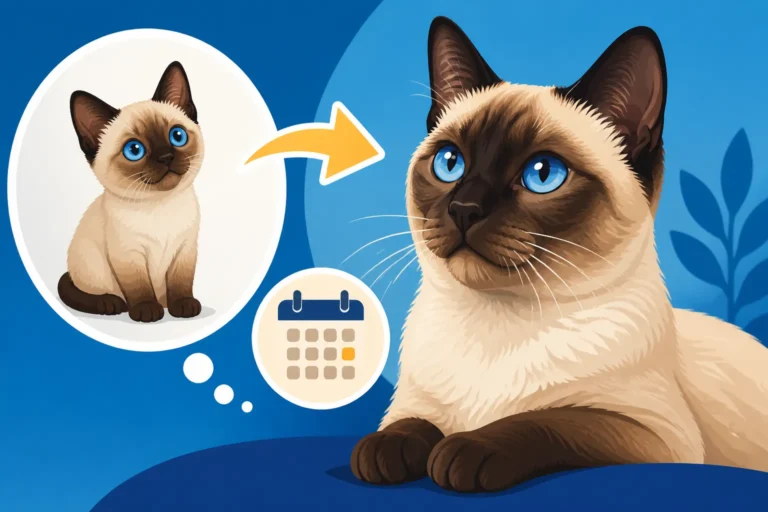
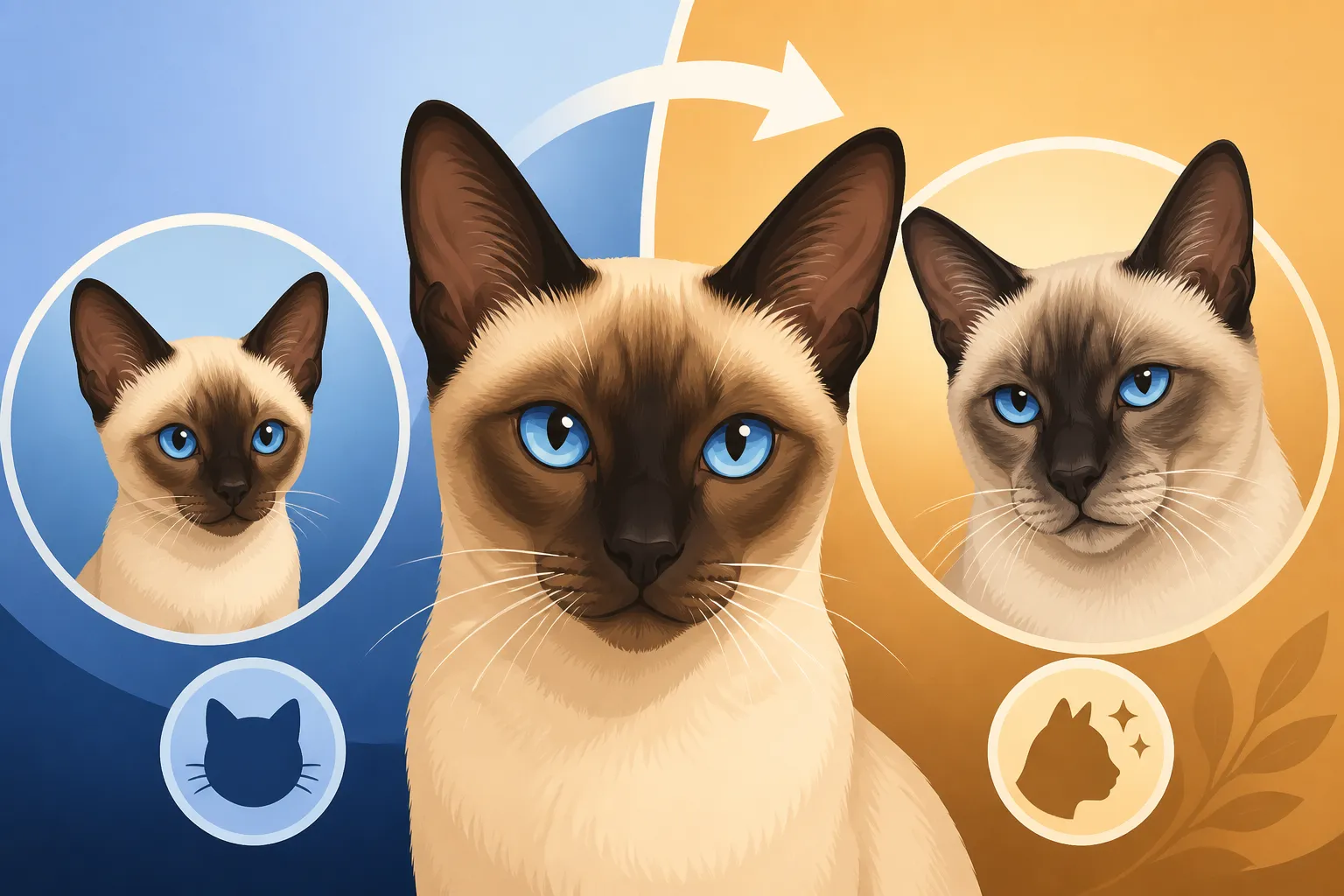
As our beloved Siamese cats gracefully enter their golden years, typically starting around age twelve, many devoted owners begin to notice subtle shifts in their feline companions. It's a natural part of life, but it can be disheartening to see your once-vibrant, playful Meezer start to slow down or exhibit new behaviors. This comprehensive guide is here to walk you through the common physical, behavioral, and health changes you might observe in your Siamese cat after they turn twelve, helping you understand what to expect and how best to support them through this new chapter.
The Subtle Shifts in Your Senior Siamese Cat's Body
Just like us, older cats experience a range of physical changes as they age. Your Siamese, known for its sleek lines and energetic demeanor, might start to show signs of time passing that are both visible and internal. Recognizing these can help you adjust their care and keep them comfortable.
Changes in Coat Texture and Condition
You might first notice changes in your Siamese cat's fur. Their once ultra-short, soft coat might become a bit coarser, or perhaps a little thinner in places. This can be due to a few factors. Older cats sometimes struggle to groom themselves as meticulously as they once did, especially if they have joint stiffness or dental pain, leading to a duller, less pristine coat. You might also find their beautiful point coloration, which is famously influenced by temperature, starts to spread more across their body, making them appear darker overall. This is a common and fascinating aspect of What Point Coloration in a Siamese Cat Is, and it tends to become more pronounced as they age.
Their skin, too, can become less elastic, and you might notice small lumps or bumps more frequently. While many of these are benign fatty deposits, any new growth should always be checked by your veterinarian. Additionally, older cats can be more prone to dry skin, which might lead to mild flaking, especially if their grooming habits decline. Regular, gentle brushing can not only help keep their coat in good condition but also serves as a wonderful bonding experience and an opportunity to check for any new developments on their skin. It also removes loose fur, which can help prevent hairballs that older cats sometimes struggle to pass.
Understanding Weight Loss and Muscle Wasting
One of the most concerning physical changes for many owners is unexpected weight loss and a noticeable reduction in muscle mass. Despite a healthy appetite, you might find your Siamese feels bonier to the touch, and their once athletic physique starts to look a bit more fragile. This is often an unavoidable part of aging, as older cats metabolize food differently and may have a reduced ability to absorb nutrients. You can read more about Why an Old Siamese Cat Loses Muscle.
However, significant or rapid weight loss is never normal and always warrants a vet visit. It can be a symptom of underlying health conditions common in senior cats, such as hyperthyroidism, kidney disease, or even certain cancers. Your vet will want to perform a thorough examination, which usually includes bloodwork, to pinpoint the cause. Adjusting their diet to a higher-calorie, easily digestible food, or even specific prescription diets, might be necessary to help them maintain a healthy weight and muscle tone. Ensuring easy access to food and water, perhaps in multiple locations, can also encourage more frequent eating and drinking.
Sensory Changes: Sight and Hearing
The world can become a bit blurrier and quieter for your senior Siamese. Their once piercing blue eyes might develop a slight cloudiness, a condition known as lenticular sclerosis, which is often benign and doesn't significantly impact their vision in most cases. However, true cataracts, glaucoma, or retinal degeneration can also occur, leading to more profound vision loss. You might notice them bumping into furniture, hesitating before jumping, or being startled more easily by sudden movements.
Similarly, hearing loss is common. Your once responsive Meezer might not come running at the sound of the treat bag or might sleep through the usual household commotions. This can be frustrating for both of you, but patience is key. Instead of calling their name, try approaching them gently, perhaps with a soft footfall to create vibrations they can feel, or use visual cues. If you suspect Deafness in an Aging Siamese Cat, communicate this to your vet. Creating a consistent, unchanging environment can help a cat with declining senses navigate their home safely and confidently.
Dental Health: A Silent Battleground
Dental disease is incredibly prevalent in older cats, and Siamese cats are unfortunately not immune. Years of plaque and tartar buildup can lead to gingivitis, painful tooth resorption, and even infections that can spread throughout the body. Your cat might be silently suffering from chronic pain, which impacts their appetite, overall demeanor, and even organ health. You might notice bad breath, difficulty chewing, drooling, or a reluctance to eat harder foods. This is why Dental Disease in a Siamese Cat is such a critical concern.
Regular professional dental cleanings under anesthesia become even more important as your Siamese ages. While the thought of anesthesia for an older cat can be scary, the benefits of addressing dental pain far outweigh the risks, especially with proper pre-anesthetic screening. Between cleanings, try to maintain a routine of brushing their teeth with feline-specific toothpaste if they tolerate it, or use dental rinses and treats recommended by your vet. Early intervention and ongoing care are crucial for their comfort and overall health.
Noticing Behavioral and Personality Evolutions
It's not just their bodies that change; their personalities, routines, and interactions can evolve too. These shifts can sometimes be confusing or concerning for owners who cherish their Siamese's distinct personality.
Altered Energy Levels and Sleep Cycles
The boundless energy and playful antics that Siamese cats are famous for might start to wane past age twelve. You'll likely notice they sleep more deeply and for longer periods, often finding their favorite warm spots for extended naps. Their bursts of activity might become shorter, and they might show less interest in high-intensity play sessions. This natural slowing down is generally normal and part of The Age a Siamese Cat Is Considered Senior.
However, a sudden and drastic change in energy, where they become extremely lethargic or restless, could indicate an underlying health issue. For example, excessive sleeping could be a sign of pain or illness, while increased restlessness, especially at night, can be a symptom of cognitive dysfunction. It's important to differentiate between typical senior cat napping and a concerning lack of engagement or discomfort. Provide comfortable, easily accessible sleeping areas, perhaps with a heated bed, and continue to offer gentle play opportunities that match their current energy levels.
Vocalization Variations: More or Less Meezer Talk
The quintessential Siamese "meezer yowl" is a hallmark of the breed, and you might find it changes with age. Some senior Siamese cats become more vocal, perhaps due to disorientation from cognitive decline, increased pain or discomfort, or simply seeking more attention as their other senses fade. They might yowl more at night, wander aimlessly while vocalizing, or become more insistent with their demands. Conversely, some Siamese cats might become quieter, their once booming voice softened by age, or their desire to communicate less pronounced.
If your Siamese suddenly becomes much more vocal, especially with a different tone or intensity, it’s always a good idea to consult your vet. This can be a sign of pain, anxiety, hyperthyroidism, high blood pressure, or even the beginnings of Signs of Dementia in an Old Siamese Cat. Your vet can rule out medical causes and suggest strategies to manage increased vocalization, such as adjusting their environment or exploring anxiety-reducing options.
Navigating Cognitive Changes and "Dementia"
Feline Cognitive Dysfunction Syndrome (CDS), often compared to dementia in humans, is a real and often heartbreaking challenge for many senior cat owners. Beyond general slowing down, you might observe specific signs of cognitive decline. These can include disorientation (getting "lost" in familiar rooms), changes in social interaction (becoming more clingy or withdrawn), altered sleep-wake cycles (pacing and vocalizing at night), reduced activity, and changes in house-soiling behavior or grooming.
It's crucial to approach these changes with patience and understanding. While there's no cure for CDS, strategies can help manage symptoms and improve your cat's quality of life. Maintaining a consistent routine, avoiding rearranging furniture, providing enrichment activities that are easy for them, and using calming pheromones can all be beneficial. Your vet might also discuss specific diets or supplements that support brain health, or even medications to help with anxiety or sleep disturbances. Recognizing Signs of Dementia in an Old Siamese Cat early allows for better management.
Grooming Habits and Litter Box Etiquette
As cats age, their fastidious grooming habits can sometimes suffer. This might be due to arthritic pain making it difficult to reach certain areas, a decline in cognitive function leading to forgetfulness, or even general weakness. You might notice their fur becoming matted or greasy, or they may groom excessively in one spot due to pain or anxiety (psychogenic alopecia).
Litter box habits can also change. An older Siamese might start having accidents outside the box, not because they've forgotten their training, but often due to physical limitations or cognitive changes. Arthritis can make it painful to step into a high-sided box, or they might simply forget where the box is located or get confused about how to use it. A cat struggling with Whether an Aging Siamese Cat Gets Stiff needs accessible facilities. Providing more litter boxes, opting for low-sided or ramped boxes, ensuring they are in easily accessible, quiet locations, and maintaining a scrupulous cleaning schedule can help. Any change in litter box habits, especially urination or defecation outside the box, should always prompt a vet visit to rule out medical issues like urinary tract infections, kidney disease, or diabetes.
Recognizing Common Health Issues in Aging Siamese Cats
While many changes in senior Siamese cats are a normal part of aging, others can signal underlying health conditions that require prompt veterinary attention. Early detection and management are key to maintaining their quality of life.
The Ever-Present Threat of Kidney and Thyroid Disease
Two of the most common health concerns for Siamese cats over twelve are chronic kidney disease (CKD) and hyperthyroidism. CKD often manifests as increased thirst and urination, weight loss, decreased appetite, and sometimes vomiting. Early detection through regular blood and urine tests is critical because early intervention can slow its progression. You can learn more about Kidney Disease in an Older Siamese Cat and how diet and medication play a crucial role in management.
Hyperthyroidism, on the other hand, often causes an increased appetite despite weight loss, hyperactivity (which might be mistaken for a return to kitten-like energy!), a greasy or poor coat, and increased thirst. Both conditions can have significant impacts on your cat's well-being if left untreated. Regular senior wellness checks, typically twice a year, which include comprehensive blood panels and urinalysis, are absolutely essential for catching these conditions early. Many pet insurance plans, like those offered by Healthy Paws, can help cover the ongoing costs of diagnostics and medications for these chronic conditions.
Joint Mobility and Arthritic Aches
It’s often heartbreaking to see our once agile Siamese struggle with movement. As they age, many cats develop osteoarthritis, a degenerative joint disease that causes pain and stiffness. While cats are masters at hiding pain, you might notice subtle signs: hesitation before jumping, difficulty climbing stairs, a less graceful gait, or spending more time lying down. You can read more about How a Siamese Cat Hides Pain.
There are many ways to support a cat with arthritis. Providing ramps or steps to their favorite perching spots, ensuring litter boxes are easy to access, and offering orthopedic beds can make a huge difference. Your veterinarian can discuss various treatments, including joint supplements (like glucosamine and chondroitin), anti-inflammatory medications, pain management, and even physical therapy or laser treatments. Maintaining a healthy weight is also paramount, as extra pounds put more strain on aging joints.
Monitoring Heart and Respiratory Health
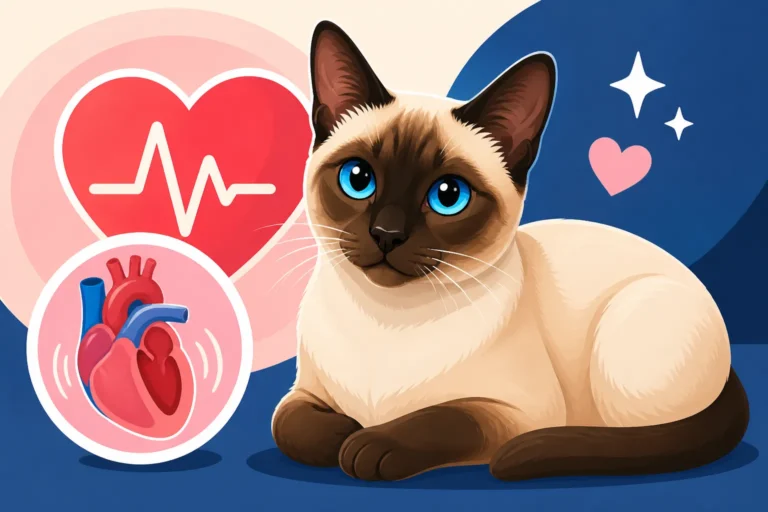
Heart disease, particularly hypertrophic cardiomyopathy (HCM), can affect Siamese cats, and its incidence can increase with age, though some cats are diagnosed younger. Signs can be subtle or sudden, ranging from lethargy and decreased appetite to difficulty breathing, coughing, or even sudden collapse. Regular veterinary check-ups allow your vet to listen for heart murmurs, which can be an early indicator, though not all murmurs signify disease.
Respiratory issues, such as asthma or chronic bronchitis, can also become more pronounced. You might notice a persistent cough, wheezing, or increased effort when breathing. If your Siamese cat is showing any signs of breathing difficulty, this is an emergency and requires immediate veterinary attention. Keeping an eye on their breathing rate at rest can be a helpful way to monitor their respiratory health. A normal resting respiratory rate is usually between 15-30 breaths per minute. A veterinarian can conduct further diagnostics like chest X-rays or an echocardiogram to assess heart and lung function.
Increased Susceptibility to Other Ailments
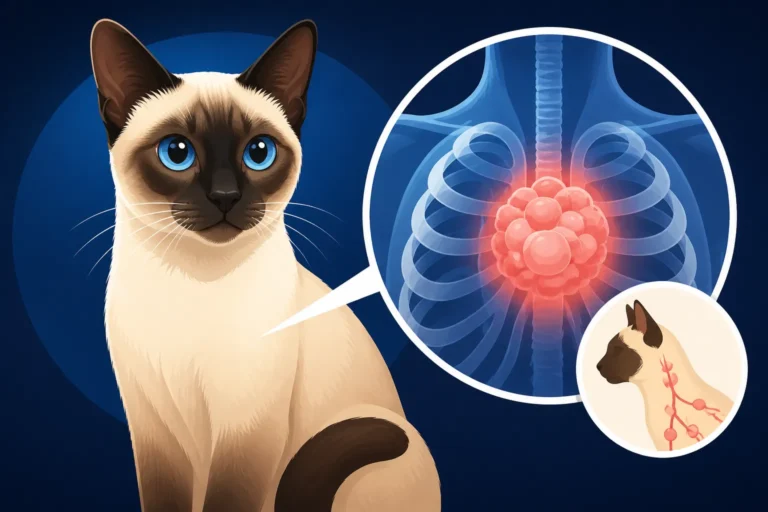
Beyond these common issues, senior Siamese cats are generally more susceptible to a range of other health problems. Their immune systems can become less robust, making them more prone to infections. They might develop vision issues beyond simple cloudiness, requiring careful monitoring. Certain cancers, while less frequent than in some other breeds, can also occur more often in older animals. This is why vigilance and proactive care are so crucial during these years.
Maintaining regular veterinary visits, even if your cat seems healthy, is the best defense. These check-ups allow your vet to establish baseline bloodwork and physical parameters, making it easier to detect deviations early. Discussing your observations, no matter how minor they seem, can provide your vet with valuable clues. Having pet insurance, perhaps from a reputable provider like Healthy Paws, can offer peace of mind when facing unexpected diagnostic tests or treatments for these conditions. Remember, What Most Siamese Cats Die Of often comes down to one of these common senior ailments, making preventative care paramount.
| Category | Normal Aging Signs (Often Manageable) | When to Call the Vet (Urgent) |
|---|---|---|
| Physical Appearance | Slight coat dullness, occasional grey hairs | Rapid weight loss, new lumps/bumps, matted fur, excessive dryness |
| Mobility | Slower to jump, needs more rest | Limping, vocalizing in pain, inability to jump, dragging limbs |
| Appetite/Thirst | Slightly decreased interest in food | Significant increase/decrease in appetite, excessive thirst, vomiting, diarrhea |
| Behavior | More sleep, less intense play, some vocal changes | Disorientation, sudden aggression/withdrawal, excessive vocalization, pacing, house-soiling |
| Senses | Mild cloudiness in eyes, some hearing loss | Bumping into things, sudden blindness, unresponsiveness to loud noises |
Taking care of an aging Siamese cat is a journey that requires patience, observation, and a strong partnership with your veterinarian. By understanding these common changes, you can provide the best possible environment and care for your beloved feline friend, ensuring their golden years are as comfortable and joyful as they can be.
Disclaimer
This article is for general informational purposes only and does not constitute professional advice. Laws, prices and regulations vary by location and change over time. Consult a qualified professional for guidance on your specific situation.