Which Heated Bed Suits a Siamese Cat
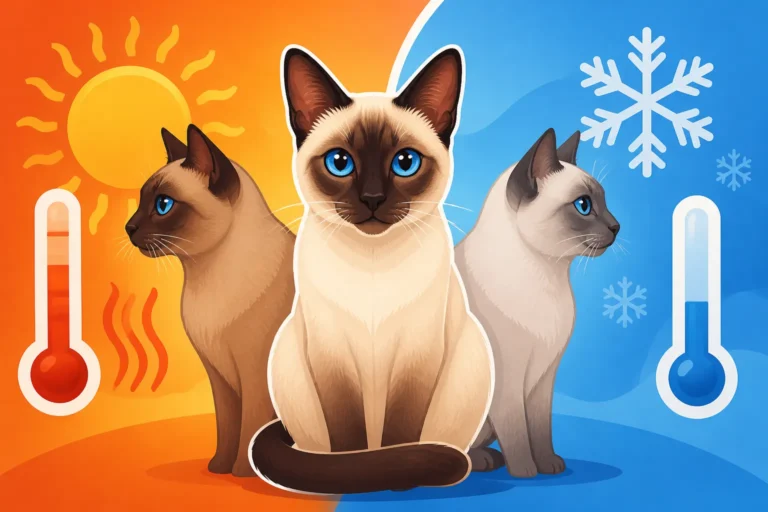
It's no secret that our beloved Siamese cats are total heat-seekers. If you've ever found your Meezer burrowed under a duvet, squeezed behind a radiator, or sunbathing in the tiniest patch of winter sun, you know the struggle is real. They crave warmth, and sometimes a simple blanket just doesn't cut it. This guide is all about finding the perfect heated bed to suit your Siamese cat, ensuring they have a cozy, safe, and perpetually warm spot to call their own, no matter how chilly it gets outside or inside.
Why Your Siamese Cat Craves Warmth So Much
Anyone who lives with a Siamese cat can tell you they’re not built for the cold. You might see other breeds lounging around on cool tile floors, but your Siamese is likely giving you the side-eye from atop a pile of blankets, clearly demanding more warmth. This isn't just a quirky preference; it's deeply rooted in their unique physiology and genetics. Understanding why they're so sensitive to temperature helps us appreciate their constant quest for a warm hideaway.
The Siamese Cat's Unique Coat and Metabolism
One of the primary reasons Siamese cats feel the cold more acutely than many other breeds is their distinctive coat. Unlike many domestic cats, Siamese possess a single coat layer, meaning they lack the dense, insulating undercoat that helps many breeds retain body heat. Their fur is short, fine, and lies close to their body, which is fantastic for showing off their sleek physique but not so great for keeping them toasty in a drafty room. It’s like wearing a light t-shirt in winter when everyone else has a thick sweater on.
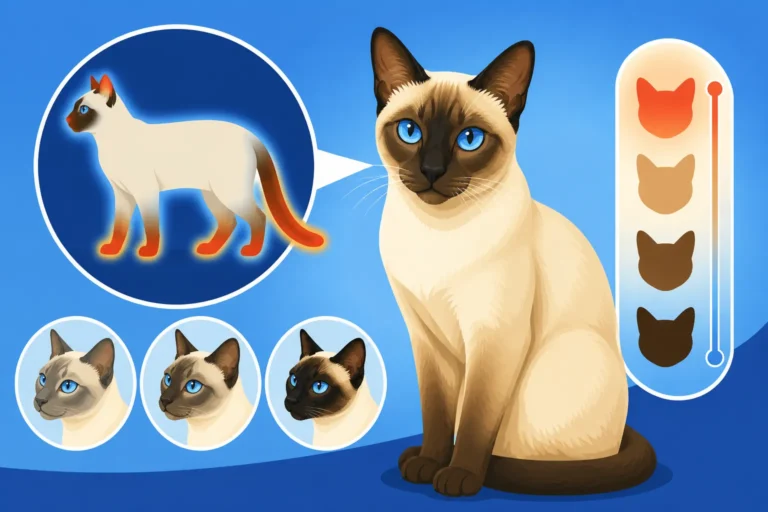
Adding to this is their naturally higher metabolism. Siamese cats are known for being active, slender, and energetic, burning through calories at a faster rate than some other, more sedentary breeds. While this contributes to their lean physique, it also means they generate and lose body heat more quickly. Their bodies are constantly working, which is why they generally stay so thin, but it also leaves them more vulnerable to temperature drops. You can actually see the effect of temperature on their fur color, as their A Siamese Cat's Points Are Made by Temperature, with cooler body parts developing darker pigment, and Why a Siamese Cat Darkens Every Winter as their overall body temperature drops.
Signs Your Siamese Is Feeling Chilly
It's usually pretty obvious when your Siamese is feeling the chill, but sometimes their signals can be subtle, especially if you're not attuned to their specific quirks. One of the most common signs is their relentless pursuit of warmth. You'll find them gravitating towards any heat source available – the top of a warm electronics box, a sunny windowsill (even on a cold day, just for that bit of radiant heat), or, of course, your lap or under the covers. My own Siamese, Mittens, would turn into a furry limpet clinging to my side the moment the thermostat dipped.
Beyond seeking out warmth, observe their body language. A cold Siamese will often curl up into a very tight ball, tucking their paws and tail close to their body, minimizing their exposed surface area to conserve heat. You might even notice a slight shiver, especially if they’ve been sleeping in a cooler spot. Their ears and paw pads might feel noticeably cooler to the touch. Another less obvious sign, for those already familiar with their talkative nature, might be an increase in their characteristic vocalizations, often a plaintive "meow" or a dramatic "yowl" that seems to say, "Human, why is it not warmer in here?!" They are experts at demanding attention, and warmth is often high on their list of demands. If your Siamese is routinely seeking refuge under your bedding, it's a clear indicator they need more warmth, as outlined in Why a Siamese Cat Sleeps Under the Duvet.
Types of Heated Beds for Siamese Cats
When you decide it’s time to get a heated bed for your Siamese, you’ll quickly discover there’s a whole world of options out there. It’s not just a simple on/off switch anymore! Each type offers different benefits and considerations, so choosing the right one really depends on your cat’s specific needs, your home environment, and your personal preferences for safety and convenience. Let’s break down the main categories so you can make an informed decision.
Electrically Heated Beds
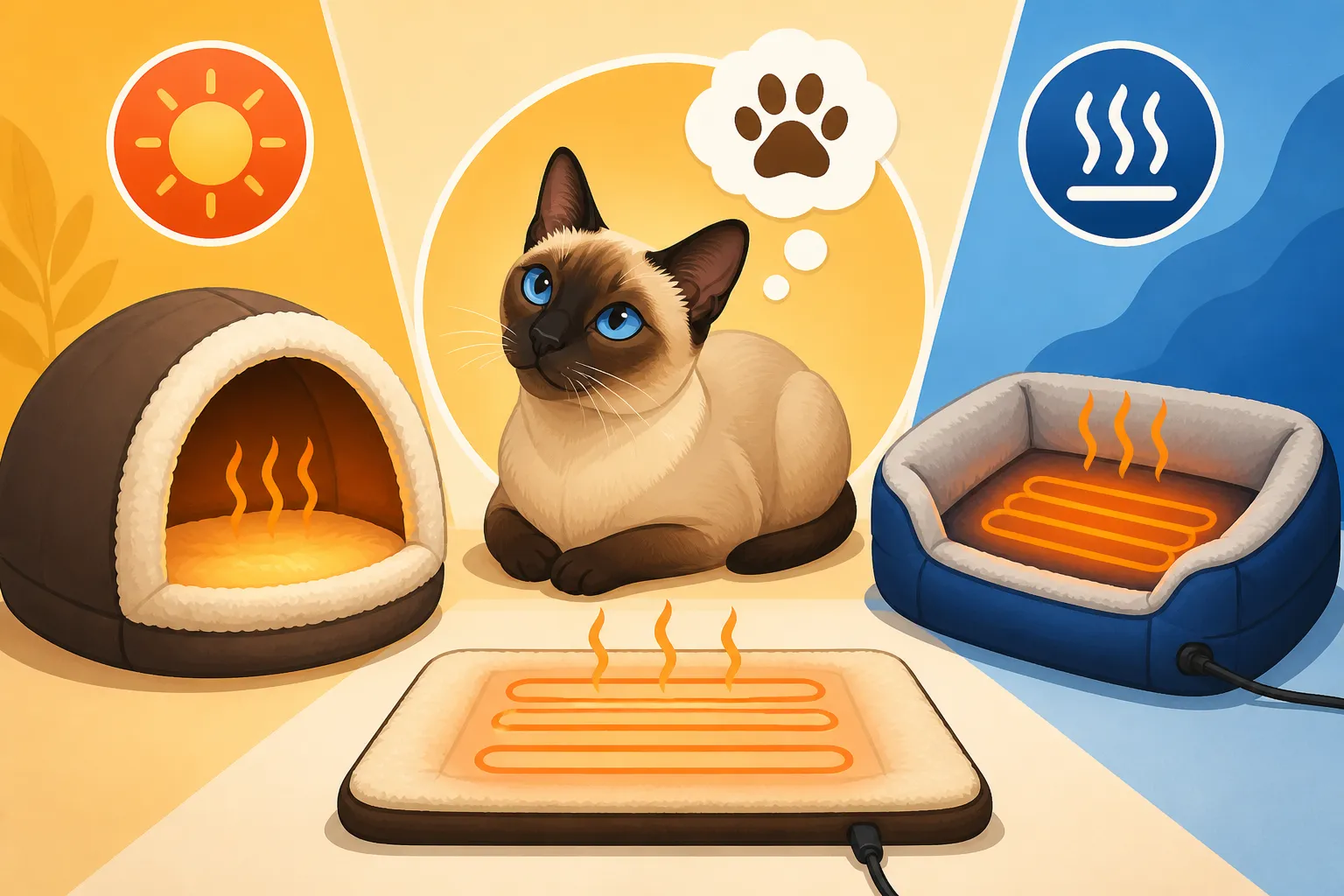
Electrically heated beds are often the first thing people think of when they hear "heated cat bed," and for good reason. They provide consistent, reliable warmth that can make a huge difference, especially in colder climates or for cats who are particularly sensitive to the cold. These beds typically have an internal heating element that plugs into a standard electrical outlet, much like an electric blanket. Many models offer adjustable temperature settings, allowing you to fine-tune the warmth to your cat’s liking – a feature that can be invaluable for senior cats or those with health conditions that benefit from steady, gentle heat.
The primary advantage of these beds is the unwavering warmth they provide, regardless of the ambient room temperature. This makes them ideal for homes that might get a bit drafty or for cats who simply demand a higher level of coziness. However, the electrical component does introduce some considerations. Safety is paramount; you'll want to look for beds with low voltage, automatic shut-off features, and chew-resistant cords. Some Siamese cats, being curious and occasionally destructive, might be tempted to chew on cords, which is a serious hazard. Always ensure the bed is specifically designed for pets and meets safety standards. You can often find a wide array of options on sites like Chewy or Amazon, where you can read reviews to gauge real-world performance and safety.
Self-Warming Beds Non-Electric
If the thought of an electrical cord near your precious Siamese gives you pause, or if you're looking for a more portable and energy-efficient solution, self-warming beds are a fantastic alternative. These ingenious beds don't require any electricity. Instead, they work by reflecting your cat’s own body heat back to them. They achieve this through special internal layers, often made with materials like Mylar (the same material used in emergency blankets) or other thermal reflective fabrics, sandwiched between soft, insulating layers.
The beauty of self-warming beds lies in their simplicity and safety. There are no cords to chew, no electricity bills to worry about, and they can be placed anywhere your cat desires. They're perfect for adding an extra layer of warmth to a favorite cat tree perch, a carrier during a trip to the vet, or simply a spot on the floor in a mildly cool room. While they won't provide the intense, active heat of an electric bed, they do an excellent job of creating a noticeably cozier environment. For a Siamese who just needs a little boost in warmth or for supplementing an already adequately warm home, they are often perfectly sufficient. They are also a great choice for areas where an electrical outlet isn't convenient, like a quiet corner in a sunroom or a spot in the guest room.
Microwaveable/Reusable Heat Packs
Sometimes, a full bed isn't what you need, but rather a temporary burst of warmth or a targeted heat source. This is where microwaveable or reusable heat packs come in handy. These are typically soft pouches or disks filled with materials like gel, beads, or even certain seeds, designed to be heated in a microwave. Once warm, they can be placed inside a regular cat bed, wrapped in a blanket, or tucked into a carrier to provide a comforting warmth for a few hours.
These packs are fantastic for specific situations, such as providing warmth during a short car journey, offering comfort to a cat recovering from an illness (always under vet guidance!), or simply boosting the warmth of an existing bed on a particularly frigid evening. The main drawback, of course, is that the warmth isn't continuous; it gradually fades, requiring reheating. You also need to be very careful not to overheat them and always ensure they are properly covered or wrapped to prevent direct contact with your cat's skin, which could cause burns. They’re a great tool to have in your cat care arsenal for those times when a quick, localized warmth is needed, but they aren't a substitute for a continuously warm bed.
What to Look For in a Siamese Cat Heated Bed
Choosing the right heated bed for your Siamese isn't just about picking one that looks cute. There are several crucial factors to consider, especially given the Siamese breed's specific needs and, let's be honest, their sometimes mischievous personalities. Safety, comfort, and practicality should be at the forefront of your decision-making process.
Safety Features are Non-Negotiable
This is arguably the most important consideration, especially if you're opting for an electrically heated bed. Our curious Siamese cats have a knack for getting into things, and electrical cords can be a tempting target for playful nips or full-on chewing sessions. For any electric bed, look for models that are UL-listed or bear other recognized safety certifications. This indicates that the product has met specific safety standards. Low voltage operation is always preferable, as it significantly reduces the risk of electrical shock or fire. Many quality heated pet beds operate on very low voltage, often with an adapter that converts standard household current to a safer level.
Furthermore, a chew-resistant cord is a must-have for a Siamese. Some beds come with cords encased in heavy-duty steel or other protective materials, which can deter even the most determined chewers. An automatic shut-off feature or thermostatic control is also highly desirable. These features prevent the bed from overheating and ensure it maintains a consistent, safe temperature, turning off if it gets too warm. You want your Siamese to be warm, not roasted! Never use a human heating pad for a cat, as they can get dangerously hot and lack the specific safety features designed for pets. Always remember, a cheap, uncertified bed isn't worth the risk to your furry family member.
Size, Comfort, and Material
Once safety is covered, turn your attention to comfort. Siamese cats, despite their lean build, do enjoy stretching out, but they also adore curling up in a secure, bolster-style bed. Think about how your cat usually sleeps. Do they prefer to sprawl? Or do they like to feel enclosed and nestled? A bed with raised bolsters provides a sense of security and a cozy headrest, which many cats appreciate. Alternatively, a flatter mat-style bed allows for full stretching. Remember, What a Siamese Cat's Coat Feels Like is very soft, so the material of the bed itself should be equally inviting.
The material of the bed's cover is also key. Look for soft, plush fabrics like polyester fleece or faux fur that are inviting to touch. More importantly, the cover should be removable and machine-washable. Accidents happen, and a cat bed can quickly accumulate fur, dander, and odors. Being able to easily toss the cover in the wash is a huge convenience and essential for maintaining a hygienic sleeping environment. Consider the overall size too; while your Siamese is slender, they still need enough space to move around comfortably without feeling cramped. A bed that's too small might be ignored, no matter how warm it is.
Practicality and Placement
Finally, think about how the heated bed will fit into your home and your cat's daily routine. Consider the cord length if you're getting an electric model. Does it reach a safe outlet without needing an extension cord or creating a trip hazard? Placement is also important. Locate the bed in a draft-free area of your home. A warm bed in a constantly drafty spot will struggle to provide adequate comfort. Many Siamese cats love to look out windows, so a heated window perch can be a fantastic option, but ensure it's not in direct, intense sunlight all day, which could lead to overheating when combined with the bed's own warmth.
Easy cleaning is another major practicality point. As mentioned, removable, machine-washable covers are a godsend. You might also want to consider whether the entire bed is washable or just the cover. For self-warming beds, ensure the internal thermal layers can withstand gentle washing without losing their effectiveness. Think about the overall aesthetic too – while your cat doesn't care about decor, you might prefer a bed that blends in with your home's style. Remember, the goal is to enhance your cat's comfort in their personal space. You might want to consider How Warm a Siamese Cat's House Should Be in general, to see if an additional heated bed is truly necessary or if adjusting your home's ambient temperature might be a better overall solution.
Integrating a Heated Bed into Your Siamese's Life
So, you've picked out the perfect heated bed, brought it home, and are ready for your Siamese to dive into its warm embrace. But hold on a minute! Cats, especially the intelligent and sometimes wary Siamese, aren't always thrilled with new additions to their territory. It takes a little strategy and a lot of patience to ensure they accept and love their new cozy haven.
Introducing the New Bed
When you first bring home a new heated bed, resist the urge to immediately plop your Siamese onto it. Cats prefer to investigate things on their own terms. Instead, place the bed in a spot where your Siamese already enjoys relaxing. This could be near a favorite window, beside your couch, or on their preferred cat tree perch. Familiarity helps immensely. Make the bed even more inviting by adding a familiar scent – maybe a small, well-loved blanket or a favorite toy that already carries their scent. Some people even put a piece of their worn clothing in there.
Another trick is to sprinkle a little catnip on or around the bed. This can pique their interest and encourage them to explore. Don't be discouraged if they sniff it, walk away, and ignore it for a few days. Siamese can be surprisingly particular. They might eye it suspiciously from afar for a while, but once they realize it's a safe, warm spot, they'll usually come around. The key is never to force them into the bed. Let them discover its delights on their own schedule. They might initially prefer to explore it when you're not actively watching, so give them space.
When to Use a Heated Bed
While a heated bed is a fantastic addition, it's not necessarily a year-round fixture in every home. The most obvious time to use it is during colder months or in chilly environments. If your home tends to be a bit drafty, or you keep your thermostat lower to save on heating costs, a heated bed provides that personal warmth bubble your Siamese craves. For some cats, especially those living in areas where Whether a Siamese Cat Can Go Out in Winter is not an option and they spend all their time indoors, extra warmth is crucial.
Heated beds are also incredibly beneficial for older cats. As Siamese cats age, they can become more susceptible to the cold due to thinning fur, reduced fat layers, and less active circulation. Conditions like arthritis, which are common in senior felines, can be soothed by gentle warmth, as discussed in Caring for an Old Siamese Cat. If your senior Siamese is always looking for a warm spot, or if you notice them becoming stiffer, a heated bed can provide immense comfort. Similarly, sick or recovering cats can benefit greatly from the warmth, but always consult your veterinarian before introducing a heated bed in these situations, especially if they have a fever or certain medical conditions where heat might be contraindicated. For younger, healthy Siamese cats, a heated bed is often more about luxury and ensuring they don't get unnecessarily chilly, especially if you've noticed Why a Siamese Cat Feels the Cold frequently. Just monitor your cat to ensure they aren't getting too hot; they should be able to move off the bed if they get uncomfortable.
Monitoring and Maintenance
Even after your Siamese has claimed their new heated bed as their favorite spot, your job isn't quite done. Regular monitoring and maintenance are essential for safety, hygiene, and ensuring the bed continues to provide optimal comfort. For electrically heated beds, make it a habit to regularly inspect the cord for any signs of damage, fraying, or chewing. If you spot any issues, discontinue use immediately and replace the bed. Also, check the bed itself for any hot spots or areas that feel excessively warm, which could indicate a malfunction.
Keep an eye on your cat too. While rare, it is possible for a cat to get too warm, especially if they are particularly sensitive or if the bed's thermostat isn't working correctly. Signs of a cat being too hot might include panting, excessive grooming, or simply moving off the bed frequently to cool down. They're usually pretty good at regulating themselves, but it's good to observe. Finally, cleaning is crucial. Even though Siamese have short hair, they still shed. Follow the manufacturer's instructions for cleaning. Most come with removable, machine-washable covers, which should be laundered regularly to keep the bed fresh and free of dander and allergens. For beds that aren't fully washable, spot cleaning is usually an option. This diligence ensures the heated bed remains a safe, inviting, and clean sanctuary for your Siamese for years to come.
Here's a quick comparison of the heated bed types to help you decide:
| Feature | Electrically Heated Bed | Self-Warming Bed | Microwaveable Heat Pack |
|---|---|---|---|
| Warmth Level | High, consistent, often adjustable | Moderate, relies on reflected body heat | High initially, then gradually fades |
| Power Source | Household electricity | Cat's own body heat, thermal layers | Microwave for heating |
| Safety Concerns | Electrical hazards, cord chewing | Minimal | Overheating during microwaving, burns if too hot and uncovered |
| Portability | Limited by proximity to an outlet | Highly portable | Highly portable |
| Best For | Very cold cats, older cats with pain, consistently cold rooms | Mildly chilly cats, travel, supplementing existing warmth | Targeted, temporary warmth, carriers, short-term relief |
| Initial Cost | Moderate to higher | Low to moderate | Low |
| Running Cost | Low (electricity consumption) | None | Minimal (microwave energy) |
Ultimately, investing in a heated bed for your Siamese cat isn't just a luxury; it's a thoughtful way to cater to their natural needs and provide them with immense comfort. Whether you choose an electric, self-warming, or supplemental heat pack option, ensuring their warmth will contribute to their overall happiness and well-being. Your Siamese will thank you with endless purrs and contented snoozing.
Disclaimer
This article is for general informational purposes only and does not constitute professional advice. Laws, prices and regulations vary by location and change over time. Consult a qualified professional for guidance on your specific situation.