What a Siamese Cat’s Coat Feels Like
You’ve seen a Siamese cat, admired their stunning blue eyes, and probably heard their unforgettable voice. But have you ever truly considered what their coat feels like? It’s not just fur; it’s a distinct tactile experience, and understanding its unique qualities is key to appreciating this magnificent breed and knowing how to keep them looking and feeling their absolute best. This guide will walk you through the luxurious texture of the Siamese coat, why it feels the way it does, and how you can care for it to maintain its signature silkiness.
The Unique Tactile Signature of the Siamese Coat
Many cat breeds have dense, plush coats, some with long flowing locks, others with thick, woolly undercoats. The Siamese, however, offers a completely different sensory experience. It's truly a marvel of feline genetics and evolution, resulting in a coat that is as distinctive as their personality.
A Silky, Fine, and Surprisingly Dense Texture
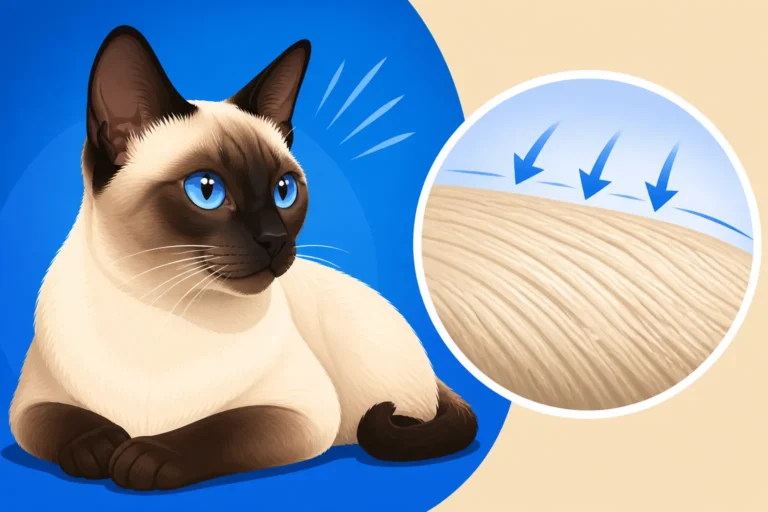
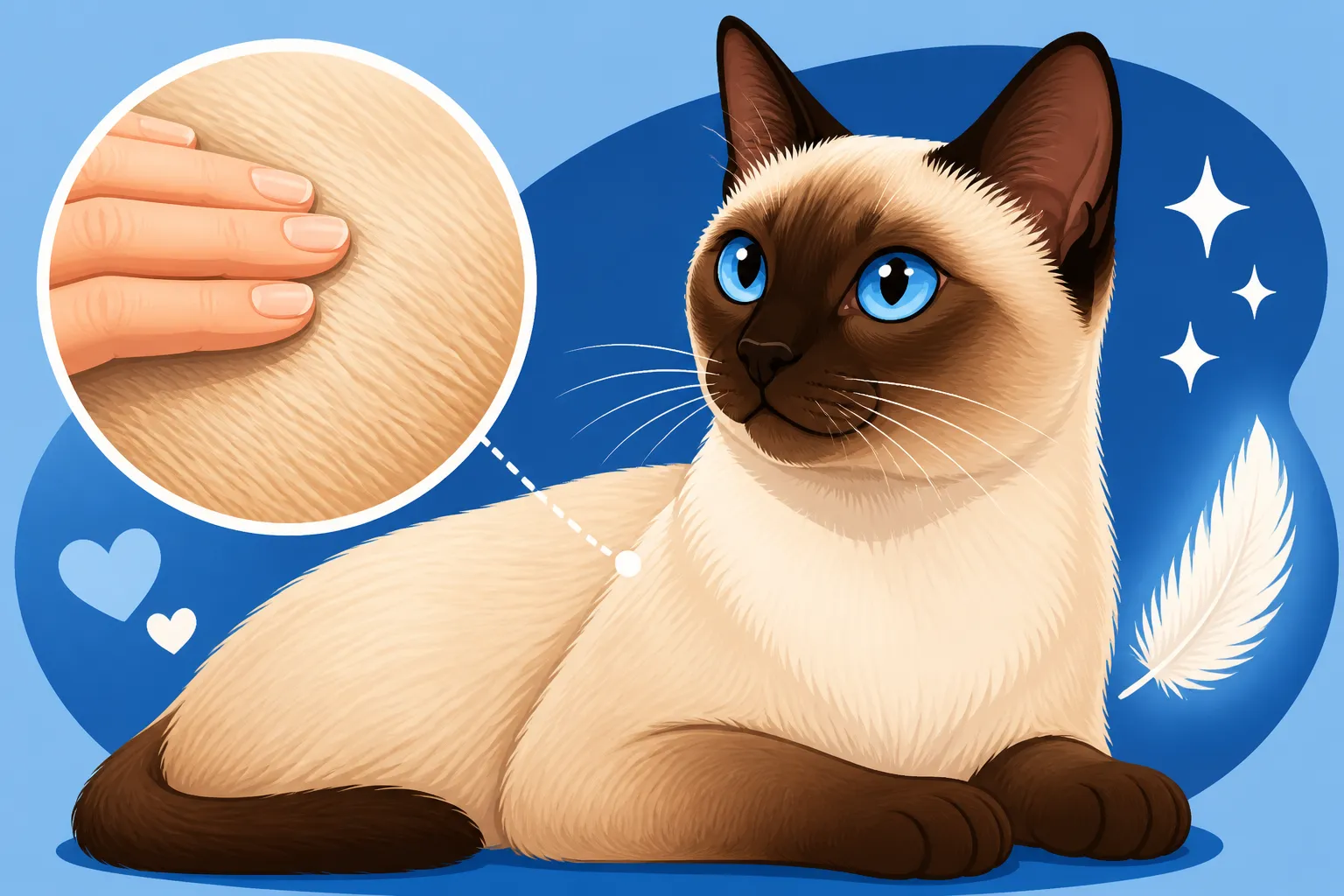
When you run your hand over a well-cared-for Siamese cat, the first thing you notice is an incredible silkiness. It's not just soft; it's like a finely woven silk scarf, smooth and cool to the touch. The individual hairs are very fine, almost like human hair, which contributes to this luxurious feel. This fineness means there's less bulk per strand, creating a sleek, almost liquid quality when stroked.
Despite the individual hairs being fine, the Siamese coat is surprisingly dense. This isn't the puffiness of a Persian or the thickness of a Maine Coon; instead, it's a tight, compact density that lies incredibly close to their body. This combination of fine, dense hair creates that signature sleek, almost wet-look appearance, truly hugging their lean, muscular physique. It’s a texture that feels substantial yet incredibly refined.
This unique combination makes petting a Siamese cat an absolute delight. Their coat has a way of conforming to your hand, feeling cool and smooth, almost slippery, as you stroke. It’s a texture that feels alive and vibrant, a testament to the breed's natural elegance. If you've only ever owned domestic shorthairs, you'll immediately notice the difference in the finer, smoother feel of a Siamese.
The Absence of an Undercoat: What It Means for the Feel
One of the most significant factors contributing to the distinctive feel of the Siamese coat is the Why a Siamese Cat Has No Undercoat. Unlike many other cat breeds that possess a double coat—a coarse outer guard coat and a soft, insulating undercoat—the Siamese only has a single layer of fur. This means they lack the fluffy, downy undercoat that often gives other cats their plushness and contributes to significant shedding.
The absence of an undercoat is directly responsible for the sleekness and close-lying nature of their fur. Without that secondary layer, there's nothing to stand the outer coat up, allowing it to lie perfectly flat against their skin. This is why a Siamese often looks so streamlined and athletic; their coat doesn't add any visual bulk. It truly highlights their svelte form.
From a tactile perspective, not having an undercoat means there's no woolly, insulating layer to contend with. You're feeling pure, unadulterated silky topcoat, right down to the skin. This contributes to the cool, smooth sensation when you pet them, as there's less trapped air and insulation. It also means their fur is less likely to matt or tangle, making grooming a remarkably straightforward affair.
What Makes the Siamese Coat So Distinctive?
The captivating qualities of the Siamese coat aren't just a happy accident; they are deeply rooted in the breed's genetic makeup and physical characteristics. Everything about a Siamese, from their lean body to their temperature-sensitive coloration, plays a role in how their fur looks and feels.
Genetics and Body Structure: A Sleek Design
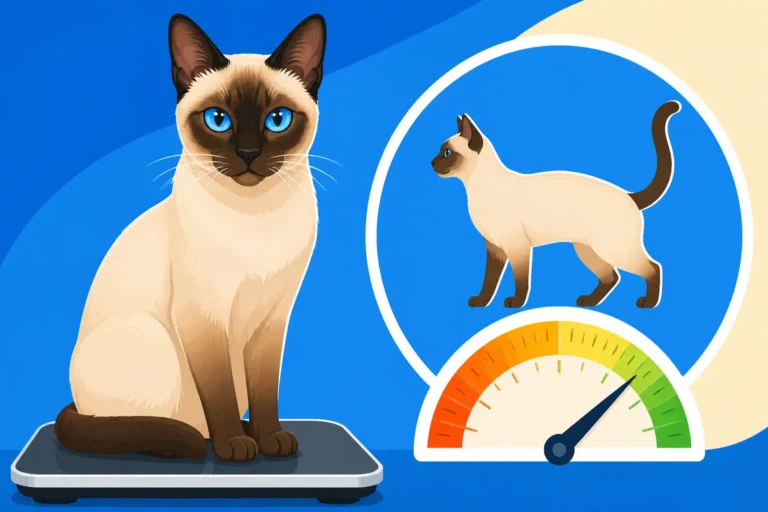
The Siamese cat's genetic lineage is intrinsically linked to its unique coat. Bred for centuries for their elegant, svelte build, their coat evolved to complement this physique perfectly. Their long, lithe bodies, fine bone structure, and well-developed muscles are emphasized by a short, close-lying coat that accentuates every contour. You won't find a fluffy Siamese; their design is all about sleek lines and a refined appearance.
This inherent body structure means the fur doesn't need to be long or voluminous to provide protection. Instead, a short, fine, and dense coat offers sufficient coverage without adding any bulk. Imagine a highly tuned athlete; their gear is designed to enhance performance and agility, not hinder it. In the same way, the Siamese coat is a perfect "outfit" for their active, acrobatic nature, allowing them full freedom of movement without any hindrance.
Furthermore, the type of hair follicles and their growth cycle are genetically predisposed to produce this specific texture. The fine diameter of each hair shaft is a breed trait, consistently passed down through generations. This genetic blueprint ensures that the characteristic silky feel is a hallmark of the purebred Siamese, distinguishing them immediately from other shorthaired breeds.
How Point Coloration Influences Coat Characteristics
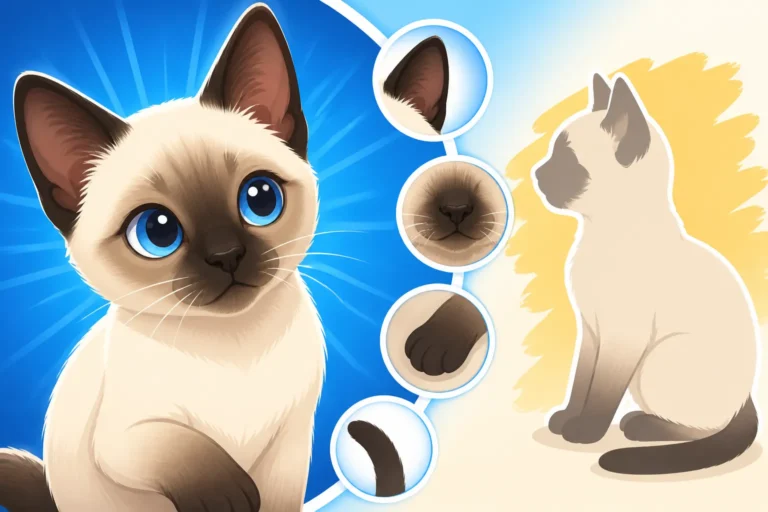
The iconic "points" of a Siamese cat—the darker coloration on their ears, face, paws, and tail—are a result of a fascinating genetic quirk where pigment production is temperature-sensitive. A Siamese Cat's Points Are Made by Temperature. While this primary affects color, it can subtly influence the coat's feel as well. The cooler extremities where pigment develops might have a slightly denser, perhaps even marginally coarser, feel compared to the warmer, paler areas of their body.
This isn't to say the pointed areas will feel rough, but the contrast in temperature during hair growth could lead to subtle variations in the hair shaft's structure or density. Think of it less as a dramatic change and more as a very nuanced difference, perhaps only discernible to the most observant and tactile cat owner. The main body, which is warmer, tends to remain a lighter color and maintain that ultra-silky, fine texture.
Over time, particularly as a Siamese ages or if they live in a colder environment, their body coat can darken. How Much a Siamese Cat Darkens in a Cold House. This darkening is due to consistent lower body temperature allowing more pigment to develop. When this happens, some owners report a slight shift in the texture of the main body coat, becoming marginally less soft or more robust. However, even with age-related darkening, the fundamental silky, fine quality of the Siamese coat remains intact, distinguishing it from breeds with truly coarse or thick fur.
Grooming Essentials for Maintaining That Supple Feel
Even with their low-maintenance reputation, a Siamese cat's coat benefits immensely from regular, albeit quick, grooming. It’s not just about keeping them clean; it’s about promoting healthy skin, distributing natural oils, and, most importantly, strengthening the bond between you and your feline companion.
Shedding Realities: Less Hair, Still Needs Care
One of the joys of owning a Siamese is their relatively minimal shedding. Compared to double-coated breeds, you'll find significantly less fur tumbleweeding across your floors. This is directly attributable to their single coat and fine hair structure. How Much a Siamese Cat Sheds is generally far less than many other breeds, making them a popular choice for those who prefer a tidier home.
However, "minimal" doesn't mean "no" shedding. All cats shed to some degree as their hair cycles through growth and rest phases. Even with a Siamese, you'll notice a light shedding throughout the year, with perhaps a slight increase during seasonal changes. This natural shedding process needs a little help to remove loose hairs and prevent them from ending up on your furniture or, worse, being ingested by your cat during self-grooming.
Regular grooming helps to capture these loose hairs before they become an issue. It also stimulates the skin, encouraging healthy circulation and the distribution of natural oils that keep the coat looking shiny and feeling soft. Think of it as a preventative measure: a quick brush a few times a week keeps the shedding in check and maintains that signature silky feel, making both you and your Siamese happier.
Brushing for Health and Connection
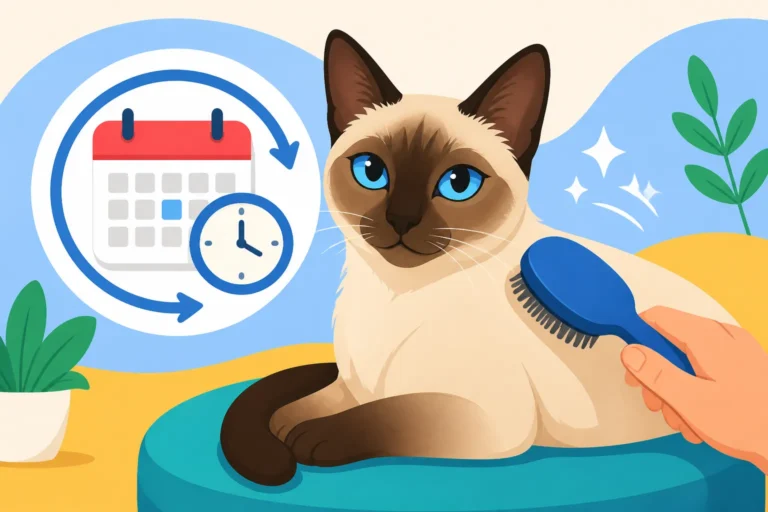
The beauty of grooming a Siamese is its simplicity and the wonderful opportunity it provides for bonding. Grooming a Siamese Cat Takes Five Minutes a Week, truly! Their short, sleek coat requires little more than a quick once-over, but these moments are precious. It’s not just about removing loose fur; it’s about shared time, gentle touches, and reinforcing trust.
Brushing a Siamese isn't a chore; it's a calm, sensory experience for both of you. The gentle strokes of a brush or grooming mitt massage their skin, which feels fantastic to them, and helps spread those essential natural oils evenly across their coat. This process enhances the fur's natural luster and maintains its exceptional softness, preventing any dullness or slight coarsening that can occur from oil buildup or dead hair accumulation.
Moreover, regular brushing allows you to inspect your cat's skin for any abnormalities, such as dry patches, fleas, or minor injuries that might otherwise go unnoticed. It’s a proactive step in their overall health and wellness routine, providing an intimate check-up disguised as affection. A few minutes daily or every other day can make a world of difference in keeping their coat in prime condition and their purr motor running smoothly. How Often a Siamese Cat Needs Brushing can be tailored to your cat's individual needs, but frequent, short sessions are often more effective and enjoyable than infrequent, long ones.
Choosing the Right Tools for Their Delicate Fur
Because of their unique coat, the type of grooming tool you use for your Siamese cat really matters. You don't need heavy-duty rakes or deshedding tools designed for thick undercoats; in fact, these can be too harsh and even cause skin irritation for a Siamese. The goal is gentle, effective hair removal and skin stimulation.
A soft rubber curry brush or a grooming mitt is often the perfect choice for a Siamese. These tools are designed to massage the skin, stimulate blood flow, and gently lift away loose hairs without pulling or causing discomfort. The rubber nubs catch the fine hairs effectively while providing a pleasant sensation for your cat. Many pet supply stores, including those found on Chewy or Amazon, offer a wide range of these gentle grooming tools specifically for short-haired cats. Look for options that fit comfortably in your hand and have soft, pliable bristles.
Another excellent option is a fine-toothed comb, like a flea comb, used sparingly to check for any tiny debris or to give a final polish. However, the primary tool should be something that offers a gentle massage while removing dead hair. You'll find that with the right brush, your Siamese will not only tolerate grooming but often actively seek it out, rubbing into the brush and purring contentedly. Which Brush a Siamese Cat Needs is often a matter of personal preference for both you and your cat, but always prioritize gentleness.
| Feature | Siamese Cat Coat | Typical Domestic Shorthair Coat | Long-haired Breed Coat |
|---|---|---|---|
| Feel | Silky, fine, smooth, cool | Soft, generally a bit coarser | Plush, flowing, sometimes woolly |
| Undercoat | Absent | Often present, less dense | Dense, insulating undercoat |
| Shedding Level | Low | Moderate | High |
| Maintenance | Low (weekly quick brush) | Moderate (weekly brush) | High (daily brushing, detangling) |
| Appearance | Sleek, close-lying, highlights body | Variable, can be a bit more voluminous | Luxuriant, full, adds volume |
| Matting Risk | Very low | Low | High |
Nurturing Coat Health from the Inside Out
A truly magnificent Siamese coat isn't just a result of good grooming; it's a reflection of their overall health and well-being. What goes into their body and how they live their daily lives directly impacts the luster, softness, and resilience of their fur. It’s a holistic approach to care that yields stunning results.
The Critical Role of Diet in Coat Quality
Just like with us, what a Siamese cat eats forms the very foundation of their health, and their skin and coat are often the first places to show signs of dietary deficiencies or excellence. A dull, dry, or brittle coat is often a red flag that something is amiss with their nutrition, while a shiny, silky coat points to a well-balanced diet.
High-quality protein is paramount for a Siamese cat's coat health. Hair is primarily made of protein, so providing easily digestible, animal-based proteins supports strong, healthy hair growth. Look for cat foods where real meat (chicken, fish, turkey) is the first ingredient, not fillers or by-products. Healthy fats, particularly Omega-3 and Omega-6 fatty acids, are also crucial. These essential fatty acids nourish the skin, reduce inflammation, and contribute directly to the sheen and softness of the fur. Many premium cat foods incorporate ingredients like fish oil or flaxseed for this purpose.
Consider options that focus on fresh, whole ingredients, as these often retain more natural nutrients. Fresh, human-grade cat food can be an excellent choice for optimizing coat health, as it prioritizes nutrient-dense formulas. Alternatively, high-quality kibble or wet food from reputable brands found on Chewy can also provide the necessary building blocks. Always discuss dietary changes with your vet, especially if your Siamese has specific health needs. Which Food Suits a Siamese Cat often depends on individual preferences and sensitivities, but quality is key.
Hydration, Environment, and Overall Wellness
Beyond diet, proper hydration is an unsung hero when it comes to coat health. A well-hydrated cat will have more supple skin and a more vibrant coat. If a cat is even mildly dehydrated, their skin can become dry and flaky, and their fur can lose its luster and softness. Ensuring your Siamese has constant access to fresh water is crucial. Many Siamese cats prefer drinking from running water, so a feline water fountain can be a fantastic investment. How Much Water a Siamese Cat Should Drink varies, but consistent access and encouragement are vital.
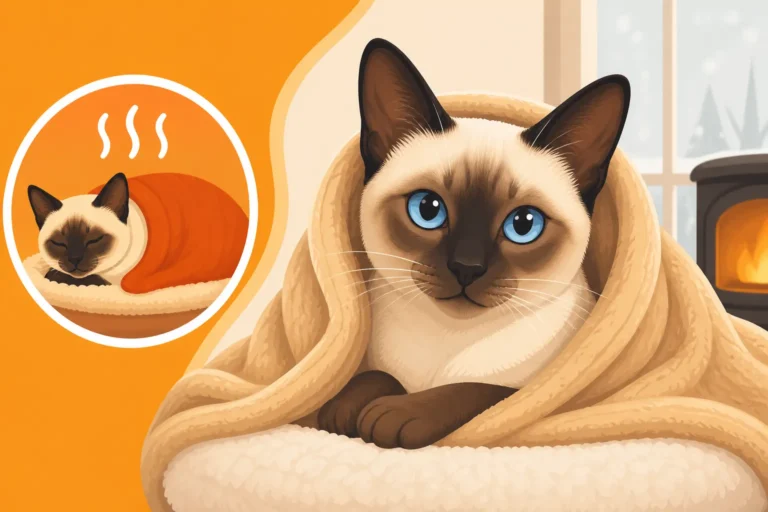
The home environment also plays a role. Siamese cats, with their single coat, can be sensitive to cold. Keeping a Siamese Cat Warm is important, as being too cold might encourage their fur to darken and potentially alter its texture subtly. A comfortable, stable indoor temperature prevents their body from expending too much energy trying to stay warm, energy that can then be directed towards maintaining a healthy coat. Excessive dryness in the air, especially in heated homes during winter, can also contribute to dry skin and static in their fur.
Finally, a stress-free environment and regular veterinary check-ups contribute to overall wellness, which in turn reflects in their coat. Chronic stress can sometimes lead to excessive grooming or even skin issues that affect fur quality. Regular vet visits ensure any underlying health issues that could impact their coat—such as parasites, allergies, or systemic diseases—are caught and treated early. What a Siamese Cat's Yearly Bloodwork Should Cover often includes markers that give insights into overall organ health, which can indirectly affect skin and coat.
Common Coat Questions and Unique Siamese Traits
The Siamese coat, while beautiful and low-maintenance, does come with some unique characteristics and frequently asked questions. Understanding these can help you better appreciate your cat and address any concerns that might arise.
Addressing the 'Hypoallergenic' Myth
It's a common misconception that Siamese cats are hypoallergenic. Many people who suffer from cat allergies are drawn to breeds like the Siamese due to their short hair and minimal shedding, hoping they might trigger fewer allergic reactions. Unfortunately, this isn't entirely true. Whether a Siamese Cat Is Hypoallergenic is a question with a complex answer.
The primary allergen in cats isn't their fur itself, but a protein called Fel d 1, found in their saliva, urine, and dander (dead skin flakes). When a cat grooms itself, this protein-laden saliva dries on their fur, becoming airborne as dander and hair shed. While Siamese cats do shed less and produce less dander than some other breeds, they still produce the Fel d 1 protein. Therefore, they are not truly hypoallergenic.
However, some individuals with mild cat allergies might find they react less severely to a Siamese compared to a long-haired or heavy-shedding breed. This is because less hair and dander circulating in the environment can mean less exposure to the allergen. It's crucial for allergic individuals to spend time with a Siamese before committing to adoption to see how their allergies react. There's no one-size-fits-all answer, and individual sensitivity varies widely.
When the Coat Changes: Age, Illness, and Shaved Patches
A Siamese cat's coat can undergo subtle changes throughout their life, influenced by factors like age, health, and even medical interventions. As a Siamese cat ages, you might notice their coat becoming slightly coarser or thinner. What Changes in an Aging Siamese Cat's Coat often includes a decrease in the density and elasticity of the skin, which can impact the feel and appearance of the fur. Older cats may also become less diligent about self-grooming, leading to a duller coat if not regularly brushed by their human companions.
Illness is another significant factor that can impact coat quality. A sick cat's coat often appears dull, greasy, or unkempt. This isn't just an aesthetic change; it's a vital sign that something might be wrong internally. For example, kidney disease or hyperthyroidism can lead to a noticeable deterioration in coat condition, losing its silky texture and shine. If you notice a sudden or sustained change in your Siamese's coat quality, alongside other behavioral shifts, it's always best to consult your veterinarian promptly.
Perhaps one of the most fascinating and sometimes surprising changes occurs after a Siamese cat has been shaved, perhaps for surgery or a medical procedure. The fur that grows back on the shaved patch will often be significantly darker than the surrounding body fur. The Shaved Patch That Grows Back Dark on a Siamese Cat is a direct result of their temperature-sensitive albinism. The act of shaving exposes the skin to cooler air, triggering pigment production as the new hair grows. This patch will feel the same silky texture but will be a stark, dark contrast to their usual body color, eventually fading over many months as it warms up to the body's ambient temperature.
Disclaimer
This article is for general informational purposes only and does not constitute professional advice. Laws, prices and regulations vary by location and change over time. Consult a qualified professional for guidance on your specific situation.