Whether Heating Affects a Siamese Cat’s Color
It's a common observation for Siamese cat parents: one day your beautifully pointed kitty seems a little lighter, the next they're sporting a darker coat, especially as the seasons change or your home environment shifts. You might find yourself wondering, "Is it just my imagination, or is my thermostat actually changing my cat's fur color?" The answer is absolutely not your imagination, and yes, the heating in your home can indeed have a noticeable effect on your beloved Siamese cat's striking coloration. This guide will dive deep into the fascinating science behind these color shifts, explain why your home's temperature plays such a significant role, and help you understand what to expect.
Understanding the Magic Behind Your Siamese Cat's Color
The distinctive point coloration of a Siamese cat isn't just beautiful; it's a living, breathing science experiment right there on your sofa. It’s all thanks to a very unique genetic trait that makes these cats so special.
The Temperature-Sensitive Gene at Play
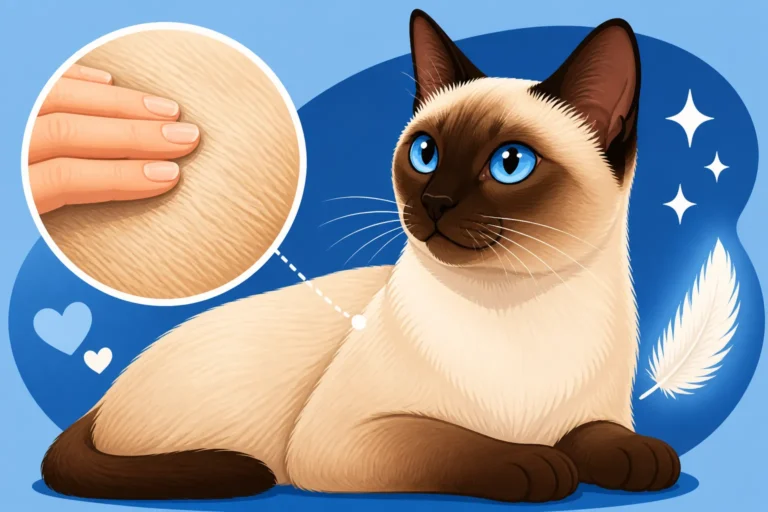
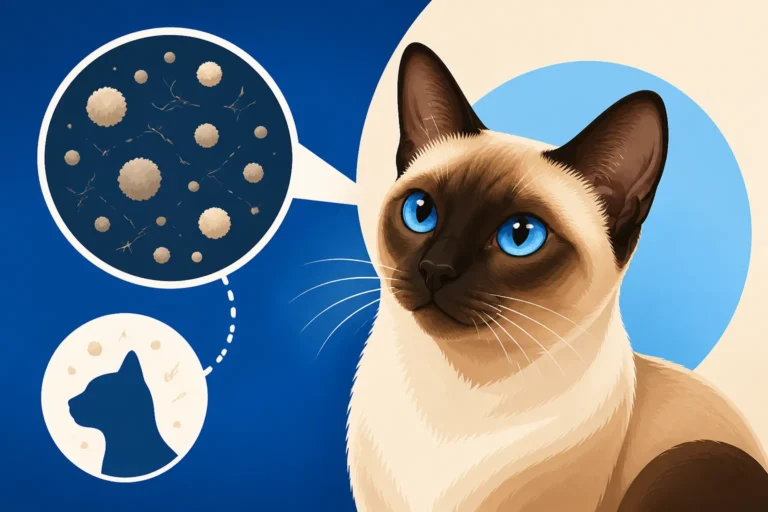
At the heart of a Siamese cat's stunning appearance is a special mutation in the tyrosinase enzyme, which is responsible for producing melanin, the pigment that gives hair its color. This particular mutation means that the enzyme is temperature-sensitive. What does that mean in plain English? It means the enzyme only works efficiently and produces pigment when the body temperature is cooler. When the body is warmer, the enzyme is less active, and less pigment is produced.
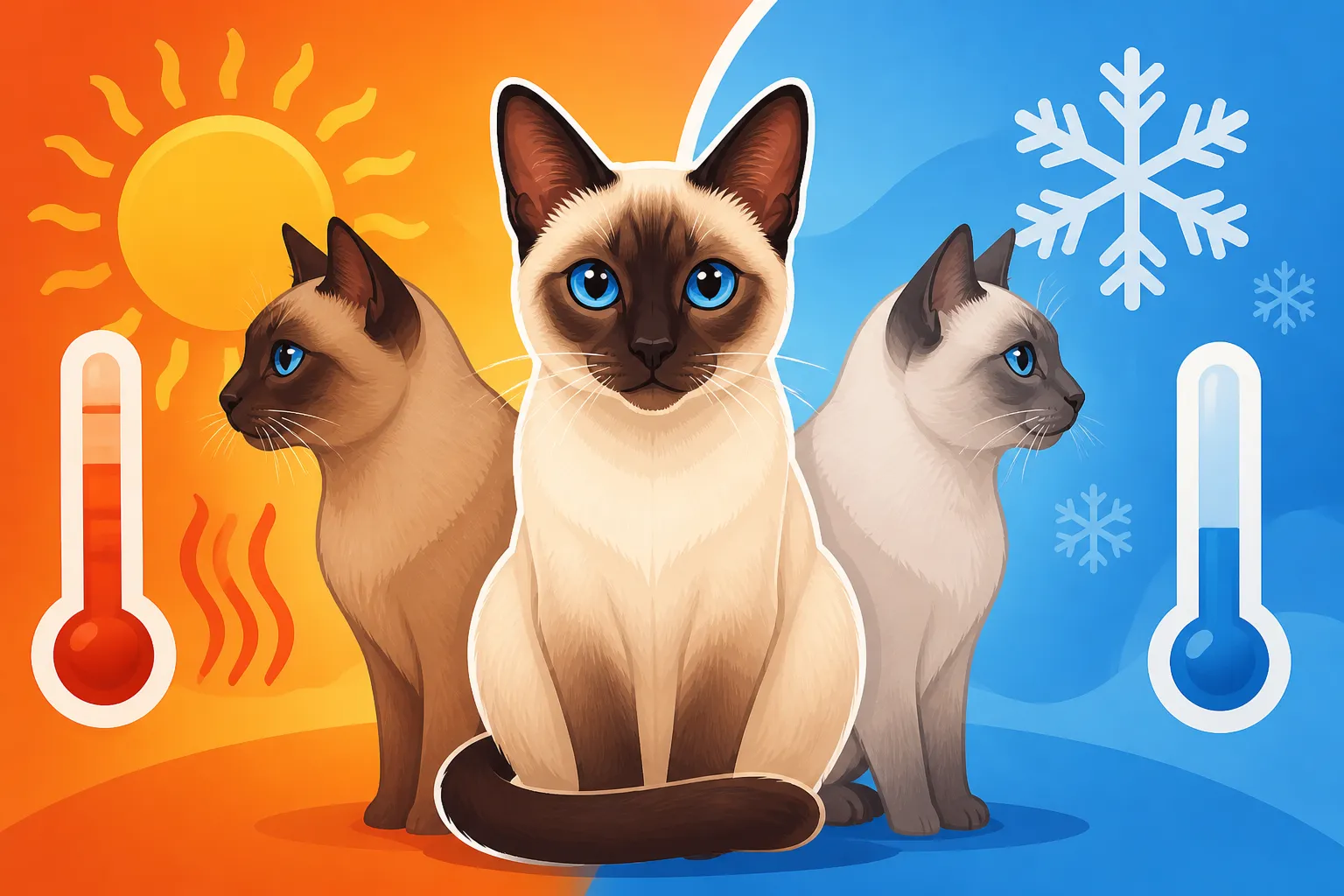
Think of it like a tiny, built-in thermometer for fur production. In the warmest parts of your cat's body – typically the torso, belly, and back – the body temperature is higher, so the enzyme isn't very active, resulting in very little pigment and a pale, cream, or off-white coat. But in the cooler extremities – the face (ears, nose), paws, and tail – the temperature drops just enough for that enzyme to kick into gear, producing the rich, dark "points" that Siamese cats are famous for. This is precisely why A Siamese Cat's Points Are Made by Temperature.
How Points Develop on a Siamese Kitten
If you've ever seen a litter of newborn Siamese kittens, you might have been surprised to find that they are almost entirely white or a very pale cream. This isn't a mistake or a trick of the light. It's because while they were snug and warm inside their mother's womb, their entire body was at a consistently warm temperature. The temperature-sensitive enzyme simply couldn't get to work to produce much pigment. As a result, Why a Siamese Cat Kitten Is Born White.
Once they are born and exposed to the outside world, their cooler environment allows their points to gradually emerge. You'll start to see those tell-tale darker shades on their ears, nose, paws, and tail within the first few weeks or months of life. The exact timing and intensity depend on their individual genetics and, you guessed it, the ambient temperature they grow up in. Over time, these points will deepen and become more defined as they mature and their body's thermoregulation settles.
The Direct Link Between Heating and Siamese Cat Color
Given the temperature-sensitive nature of their pigment, it stands to reason that the temperature of your home, especially during different seasons, will directly impact your Siamese cat's coat color. This isn't just anecdotal; it's a fundamental aspect of their physiology.
Observing Color Changes in a Heated Home
If you keep your home consistently toasty, especially during colder months, you might notice your Siamese cat's points appearing lighter than they would if your home were cooler. This is because the overall higher ambient temperature of your living space influences your cat's surface body temperature. With less contrast between their core body temperature and their extremities, the tyrosinase enzyme has fewer opportunities to really kick into high gear and produce dark pigment. Owners often report that their indoor-only Siamese cats, particularly those in homes with efficient central heating, tend to be lighter in overall body color compared to cats that might spend some time in cooler areas or in less consistently heated environments. This is a common phenomenon that makes you question Whether an Indoor Siamese Cat Stays Paler.
Conversely, if your heating system isn't always running, or if you keep your home at a cooler temperature during the winter, you'll likely observe a deepening of your Siamese cat's points, and often, their body color will also become richer. This is a very common part of Why a Siamese Cat Darkens Every Winter. The cooler air means more of their body is cool enough for the enzyme to be active, leading to more widespread pigment production. It's like your cat is adapting its fur coat to match the season, quite literally!
The Winter Darkening Phenomenon
Winter is prime time for Siamese cat color changes. Even if you maintain a steady indoor temperature, the mere drop in outdoor temperatures can influence the subtle microclimates within your home and around your cat. Colder windows, draftier spots, and even the simple act of cuddling up to you under a blanket in a cooler room can create environments where their pigment-producing enzyme thrives. My own Meezer, Luna, gets noticeably darker around her back and flanks every winter, almost like she's growing a little thermal blanket of darker fur. As the days get shorter and the nights get colder, her beautiful lilac points become even more pronounced, and her body fur takes on a lovely, soft grayish hue that isn't present in the summer.
This winter darkening is a perfect example of how sensitive their system is. Even small, consistent temperature differences can lead to significant visual changes in their coat. You might notice this more in cats that love to lounge by cooler windows or seek out less insulated parts of the house. For instance, if your cat has a favorite sleeping spot on a floor vent that's blasting warm air, those areas might stay lighter, while parts of their body not directly exposed to the heat might darken considerably.
What This Means for Your Cat's Appearance and Health
Observing these color shifts can be endlessly fascinating, but it naturally leads to questions about your cat's well-being. Is a darker or lighter coat a sign of anything important? And how should you manage your home environment with this in mind?
Is a Darker Coat a Sign of Trouble?
Absolutely not! A change in your Siamese cat's coat color due to ambient temperature is a completely normal, healthy, and expected part of their breed's unique genetic makeup. It's simply the visible expression of that temperature-sensitive enzyme doing its job. A darker coat in winter or a lighter coat in summer isn't a sign of illness, stress, or any underlying health issue. It's just your cat being a Siamese! The key is that these changes are gradual and usually symmetrical. If you notice sudden, patchy, or uneven darkening or lightening that doesn't seem to correlate with temperature or a shaved area (more on that later), it's always worth a vet visit, just to rule out other causes.
In fact, some owners enjoy observing these natural shifts, seeing it as another unique aspect of living with a Siamese. It's a testament to the marvel of genetics that such a simple environmental factor can have such a profound and beautiful effect on their appearance. The notion of Whether a Siamese Cat's Color Says Anything About Health is typically tied to extreme or sudden, unexplained changes, not these gentle, seasonal variations.
Managing Your Home Environment
While you might be tempted to adjust your thermostat purely for your cat's aesthetic, remember that their comfort and overall health come first. Siamese cats, with their short, fine coats and lack of a thick undercoat, generally Why a Siamese Cat Feels the Cold more easily than many other breeds. They thrive in comfortable, warm environments, often seeking out sunny spots, laps, or heated beds.
If you like your home on the cooler side, that's fine, but do ensure your Siamese has plenty of options to warm themselves up. Cozy blankets, soft beds in draft-free zones, or even a self-heating mat (you can find great options on Amazon or Chewy) can make a world of difference. Conversely, if your home is always very warm, your cat might have lighter points, but they'll likely be comfortable. The main goal is to keep your cat happy and healthy, not to manipulate their fur color. For specific advice on temperature, you might want to look into How Warm a Siamese Cat's House Should Be.
Here's a quick comparison of how temperature might influence your Siamese cat's points:
| Environmental Temperature | Tyrosinase Enzyme Activity | Pigment Production | Expected Coat Color |
|---|---|---|---|
| Cooler (e.g., winter, cooler room) | High Activity | More Pigment | Darker points, potentially darker body fur |
| Warmer (e.g., summer, heated room) | Lower Activity | Less Pigment | Lighter points, paler body fur |
| Very Cold (e.g., outdoor in winter) | Very High Activity | Abundant Pigment | Very dark, rich points and body color |
Beyond Heating: Other Factors Influencing Siamese Color
While heating and ambient temperature are major players in the Siamese cat's coat color story, they aren't the only influences. A few other factors contribute to the gradual changes you might observe over your cat's lifetime.
Age and Genetics
Just like humans, cats experience changes as they age, and for a Siamese, this includes their coat color. Many Siamese cats will naturally darken over time, regardless of how warm or cool their environment is. The Age a Siamese Cat Starts Darkening can vary, but it's a very common observation that an older Siamese cat will have a noticeably darker body coat than they did as a kitten or young adult. This is thought to be due to the enzyme becoming slightly more active or less inhibited over time, leading to a more widespread production of melanin. Genetics also play a huge role; some Siamese lines are predisposed to be darker or lighter overall, and this will be evident from a young age. A seal point, for example, will always be darker than a lilac point, no matter the thermostat setting.
These age-related changes are typically gradual and consistent. So, while your home heating might cause seasonal fluctuations, the overall trend towards a darker coat as they get older is often a genetic predisposition that can't be completely reversed by turning up the heat.
Shaving and Injury Marks
This is one of the most striking demonstrations of the temperature-sensitive gene! If your Siamese cat ever needs surgery, a blood draw, or has an injury that requires shaving a patch of fur, you'll likely notice something fascinating (and sometimes a little surprising) when that fur grows back. The new fur in the shaved area will often grow back significantly darker than the surrounding fur. This is because the act of shaving and the subsequent skin exposure to the cooler air (and sometimes even the cooling effect of the anesthetic itself) lowers the local skin temperature enough for the tyrosinase enzyme to work overtime.
This phenomenon, sometimes called "post-clipping melanosis" or the "Siamese cat tattoo," is a clear visual proof of how directly temperature influences pigment production. It's a completely harmless effect, but it can create a temporary dark patch. You can read more about it in The Shaved Patch That Grows Back Dark on a Siamese Cat. It usually fades over time as the fur grows out and the skin temperature normalizes, but it's always a fun conversation starter at the vet's office!
So, the next time you adjust your thermostat, take a moment to appreciate the incredible science happening right there on your Siamese cat's beautiful coat. Their color changes aren't just an aesthetic feature; they're a dynamic, living display of their unique genetics interacting with the world around them. Whether they're light and summery or dark and cozy, your Siamese is a marvel! And remember, a wide array of products, from special diets to cozy beds, is available to support feline health and comfort.
Disclaimer
This article is for general informational purposes only and does not constitute professional advice. Laws, prices and regulations vary by location and change over time. Consult a qualified professional for guidance on your specific situation.