Whether a Siamese Cat’s Eyes Need Wiping
It's a common concern among Siamese cat owners, staring into those stunning blue eyes and wondering if you should be doing more to keep them clean. Many of us fret, seeing a tiny bit of crust or a tear stain, convinced we're neglecting our beloved Meezers. This guide is here to settle those worries, explaining what's normal, what's not, and when and how to give those gorgeous eyes the gentle care they truly need.
Understanding Normal Siamese Cat Eye Health
Siamese cats are known for their striking appearance, and their piercing blue eyes are often the first thing people notice. Understanding what constitutes healthy eyes for this breed is crucial before you even think about reaching for a wipe. Most of the time, your Siamese's eyes are perfectly capable of taking care of themselves.
The Bright, Clear Eyes of a Healthy Siamese
A healthy Siamese cat's eyes should be bright, clear, and free from any noticeable redness or cloudiness. The pupils should be reactive, meaning they constrict in bright light and dilate in dim light. The whites of their eyes, if visible, should be white, not yellow or inflamed. When you look at your Siamese, you should see an alert, engaged gaze, reflecting their intelligent and curious nature. There shouldn't be any squinting or excessive blinking, which could indicate discomfort or irritation. Think of their eyes as windows to their soul – if they're sparkling and open, things are likely just fine.
Minimal Discharge is Normal
Just like humans, cats can have a tiny bit of discharge in the corners of their eyes, especially after a long nap. This is usually clear or a very light, dried reddish-brown crust, similar to "sleep" in a human's eye. It's often just a combination of tears, dust, and natural oils. If it's minimal, easy to wipe away with a dry finger, and doesn't recur rapidly or seem to bother your cat, it's generally nothing to worry about. This is their body's way of self-cleaning, flushing out small particles throughout the day. You might notice it more in the morning, and it usually clears up on its own with normal blinking and movement throughout the day.
Why Their Eyes Might Water Occasionally
Sometimes, you might notice a Siamese cat's eyes watering a bit. This can be completely normal. A strong yawn, a sudden change in air pressure, or even a tiny speck of dust temporarily irritating the eye can cause a brief increase in tear production. Their eyes are sensitive, and tears are the natural defense mechanism to wash away irritants. If the watering is clear, stops quickly, and doesn't lead to redness, swelling, or persistent discharge, it's usually just a fleeting response to their environment. It’s their internal rinse cycle working exactly as it should.
When Wiping Becomes Necessary
While a healthy Siamese cat's eyes are largely self-maintaining, there are definitely times when intervention, in the form of gentle wiping, becomes necessary. Knowing the difference between normal and concerning signs is key to providing appropriate care without overdoing it.
Signs of Excessive Tearing or Discharge
If you start seeing consistent, excessive tearing, or discharge that isn't clear, it's a signal to pay closer attention. Persistent wetness around the eyes, especially if it's staining the fur or leaving wet trails, is often a sign of an underlying issue. This might manifest as damp fur near the inner corners of their eyes, or actual liquid dripping. The discharge itself could change too; instead of clear or light brown crust, you might notice it's thicker, yellowish, green, or even bubbly. This kind of discharge suggests something more than just normal ocular maintenance is happening, and it warrants your attention.
Crusty Buildup and Its Implications
A little dry crust is one thing, but if your Siamese has significant, persistent, or hard crusty buildup around their eyes, it's a different story. This kind of buildup can trap bacteria, irritate the delicate skin, and even pull on their fur. If you find yourself needing to pick at it or moisten it significantly to remove it, it's a sign that the eyes are producing more discharge than they should, or that the tears aren't draining properly. This can also be a symptom of a mild infection or irritation that the body is trying to fight off, leading to an accumulation of dried material that impedes comfort and can look unsightly.
Addressing Irritants and Allergens
Just like us, cats can be sensitive to environmental irritants and allergens. Dust, pollen, strong perfumes, cleaning products, or even certain types of cat litter can cause their eyes to react. If you notice your Siamese's eyes becoming watery or developing discharge after you've cleaned the house, changed their litter, or introduced a new scent, it might be an allergic reaction or irritation. This is where you might consider making some changes in your home environment. Using an air purifier can sometimes help reduce airborne irritants, and switching to a dust-free litter can make a huge difference for sensitive felines. You'll want to address the source of the irritation first, but gentle wiping can provide immediate relief by clearing away the reactive discharge.
| Eye Symptom | Normal/Healthy | Concerning/Needs Attention |
|---|---|---|
| Clarity of Eyes | Bright, clear, no cloudiness | Cloudy, dull, visible film |
| Pupil Response | Reactive to light, constricts and dilates | Sluggish, fixed, unequal pupil sizes |
| Eye Color (Sclera) | White or slightly visible pink | Red, yellow, inflamed |
| Discharge Amount | Minimal, clear, dry light brown crust | Excessive, persistent, wet trails |
| Discharge Color | Clear or light brown (dried) | Yellow, green, thick, bubbly, blood-tinged |
| Behavior | Alert, no squinting or excessive blinking | Squinting, rubbing eyes, sensitivity to light |
| Surrounding Area | Clean fur, no redness or swelling | Staining of fur, redness, swelling, hair loss |
The Right Way to Clean a Siamese Cat's Eyes
When you've determined that your Siamese's eyes do need a little assistance, it's vital to do it correctly and gently. The area around their eyes is incredibly delicate, and rough handling can cause more harm than good. Precision and a calm demeanor are your best tools.
Gathering Your Supplies Safely
Before you even approach your cat, make sure you have everything you need laid out. You'll want soft, sterile cotton balls or pads, or even specialized cat eye wipes. Avoid using facial tissues or toilet paper, as they can leave tiny fibers behind that further irritate the eye. For a cleaning solution, plain sterile saline solution (the kind used for contact lenses, without any added chemicals or preservatives) is ideal. Distilled water that has been boiled and cooled is another option. Never use human eye drops or any solutions not explicitly approved for cats, as these can be harmful. You might find a good selection of pet-safe eye wipes and sterile saline solutions on retailers like Chewy or Amazon, making it easy to stock up on the right products.
Gentle Technique for Eye Wiping
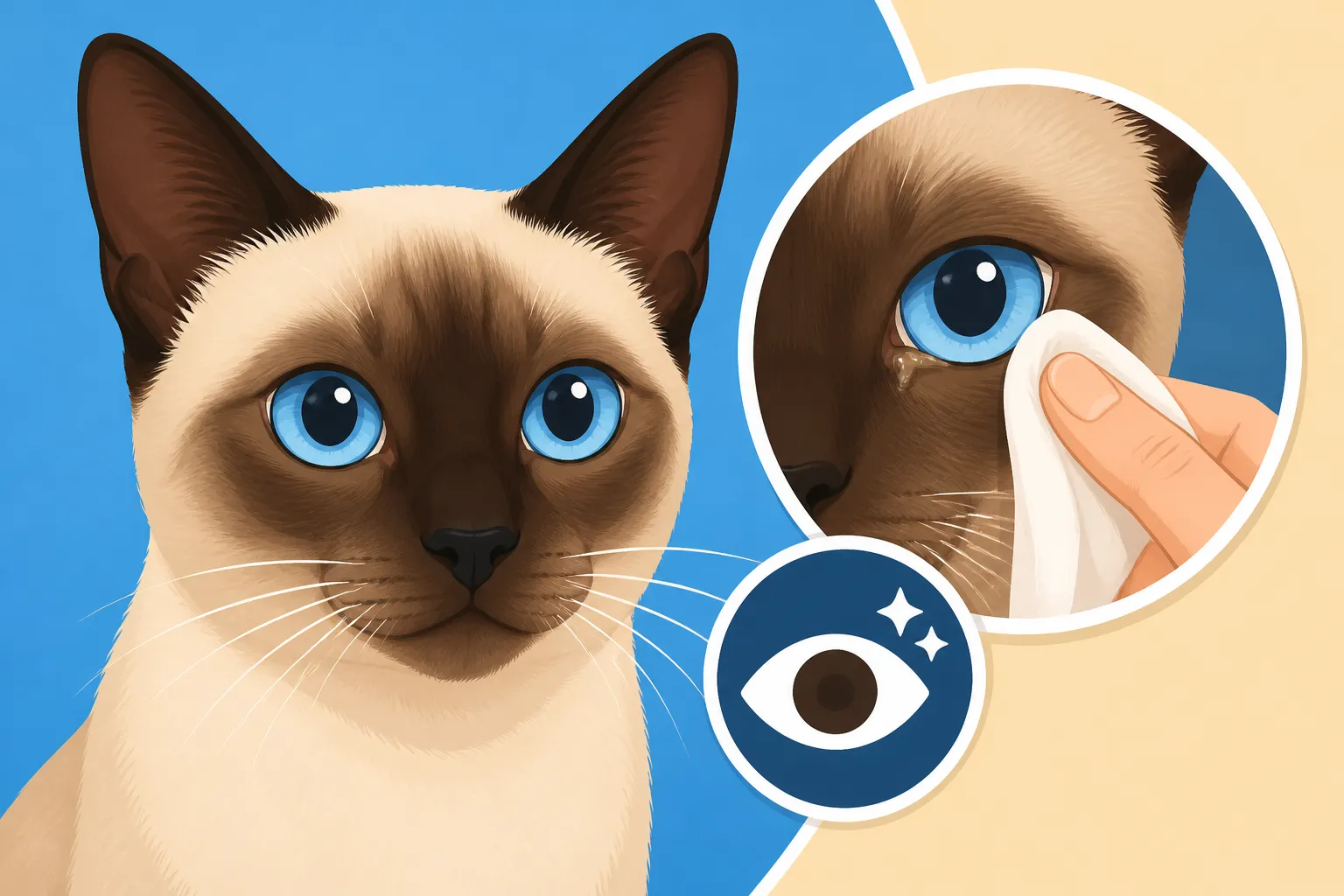
Once you have your supplies and your cat is calm, you can proceed. Dampen a fresh cotton ball or pad with your chosen sterile solution. Gently hold your Siamese's head still, speaking in a soothing voice. Start from the inner corner of the eye (near the nose) and wipe outwards towards the ear. Use a separate, fresh cotton ball or wipe for each eye to prevent the potential spread of infection. Avoid rubbing directly on the eyeball itself; focus on the fur and skin around the eye. If there's stubborn crust, hold the damp cotton ball over it for a few seconds to soften it before gently wiping. The goal is to lift and remove debris, not to scrub or irritate. Remember, the key word here is "gentle." You want this to be a positive or at least neutral experience for your cat, not a wrestling match.
When to Seek Veterinary Help for Eye Issues
While gentle wiping can help with minor irritation or normal discharge, there are definitely times when a trip to the vet is non-negotiable. If you notice any of the following, pick up the phone immediately: persistent redness or swelling of the eye or eyelids, changes in the eye's appearance (like cloudiness, a visible film, or a change in pupil size/shape), yellow or green discharge, excessive squinting, pawing at the eye, sensitivity to light, or if your cat seems to be in pain. These could be signs of serious conditions like conjunctivitis, corneal ulcers, glaucoma, or even systemic issues. What Nystagmus Looks Like in a Siamese Cat or even issues like PRA and the Siamese Cat Eye Test That Does Not Settle It are examples of conditions that need professional diagnosis. A veterinarian can accurately diagnose the problem and prescribe appropriate treatment, which might range from antibiotic drops to anti-inflammatory medications. Don't try to self-diagnose or treat serious eye problems at home, as you could inadvertently worsen the condition or delay crucial treatment.
Preventative Measures for Optimal Eye Health
Beyond reactive wiping, there are proactive steps you can take to support your Siamese cat's overall eye health and minimize the need for frequent cleaning. A holistic approach to their well-being often reflects in clearer, healthier eyes.
Environmental Factors and Their Impact
Your home environment plays a significant role in your cat's eye health. Dust, airborne allergens, and harsh chemical fumes can all irritate delicate feline eyes. Consider using an air purifier, especially in rooms where your cat spends a lot of time. Vacuum regularly with a HEPA filter, and opt for natural, unscented cleaning products. Avoid using strong air fresheners, scented candles, or anything that produces irritating fumes. Even heavily perfumed litters can be a culprit; choosing a low-dust, unscented litter can significantly reduce eye and respiratory irritation, tying into concepts like How a Siamese Cat's Asthma Is Treated by minimizing irritants. Furthermore, if your cat has access to outdoor spaces, be mindful of potential irritants like pollen, weeds, or even just general dirt that can get into their eyes.
Regular Grooming and General Hygiene
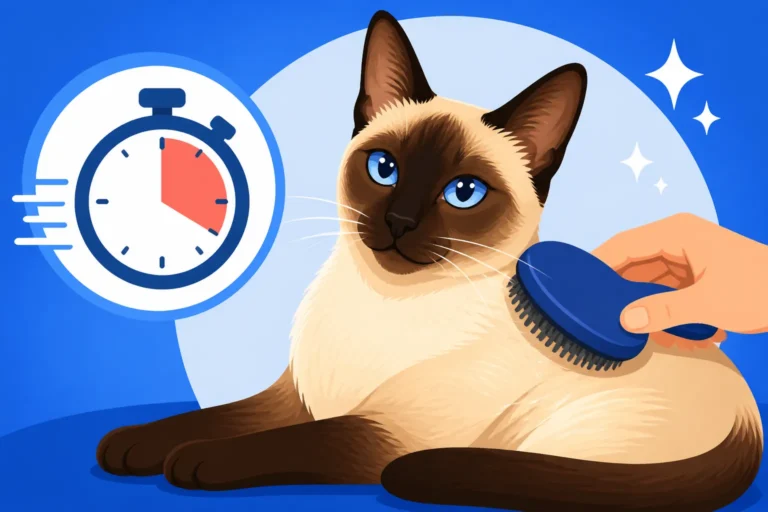
While Siamese cats are generally low-maintenance in terms of coat care compared to long-haired breeds, regular, gentle grooming still contributes to overall hygiene, including eye health. A quick daily once-over with a soft brush can help remove loose fur and dander that might otherwise find its way into their eyes. Pay attention to the fur around their face; if it grows long or becomes matted, it can direct debris into their eyes or trap moisture, leading to irritation. Grooming a Siamese Cat Takes Five Minutes a Week isn't just about their coat; it's about checking in on their whole physical well-being. Keeping their face clean and dry can prevent tear stains and bacterial accumulation. Don't forget that clean living spaces also extend to their bedding and favorite napping spots; regular washing of these items can help reduce environmental allergens.
Dietary Considerations for Eye Health
A well-balanced, high-quality diet is fundamental to a Siamese cat's overall health, and this absolutely includes their eyes. Proper nutrition supports a strong immune system, which helps them fend off infections that can manifest as eye issues. Ensure their food provides all the necessary vitamins, minerals, and essential fatty acids. Some high-quality cat foods are specifically formulated to support skin and coat health, which can indirectly benefit eye health by ensuring healthy tear production and reducing inflammation. Always provide fresh, clean water, as hydration is vital for all bodily functions, including tear production. If you're looking for quality food options, fresh, human-grade foods or other high-quality options can be great places to start exploring. Consulting your vet about the best diet for your individual cat can also be beneficial, especially if they have recurring eye issues or you're thinking about Which Food Suits a Siamese Cat. Remember, How Healthy the Siamese Cat Actually Is is often a direct reflection of the care and nutrition they receive throughout their The Fifteen to Twenty Years a Siamese Cat Gets.
Disclaimer
This article is for general informational purposes only and does not constitute professional advice. Laws, prices and regulations vary by location and change over time. Consult a qualified professional for guidance on your specific situation.