Signs a Siamese Cat’s Gums Are Inflamed
It’s a heartbreaking reality that our beloved Siamese cats, with all their playful antics and vocal pronouncements, are often masters at hiding pain. One of the most common and easily overlooked issues is gum inflammation, which can range from a mild annoyance to a serious health crisis. As dedicated Siamese cat guardians, it’s crucial we learn to spot these subtle signs, because early detection can make all the difference in preventing severe dental disease and ensuring our feline friends live a comfortable, happy life. This guide will walk you through exactly what to look for, from overt symptoms to tiny behavioral shifts, so you can be your Siamese’s best advocate.
Understanding Gum Inflammation in Siamese Cats
Before we dive into the nitty-gritty of what inflamed gums look like, it helps to understand why this is such a prevalent issue in our pointy-eared pals. It’s not just a minor inconvenience; it can truly impact their quality of life.
Why Siamese Cats Are Prone to Dental Issues
Let's be real, Siamese cats aren't exactly known for their perfect oral health. There's a prevailing thought that, like many purebred cats, they might carry some genetic predispositions. While the exact genetic links for widespread dental issues in Siamese aren't as clearly defined as, say, amyloidosis, we do see them frequently afflicted. Their mouth structure, often more refined and delicate, can sometimes contribute to overcrowding of teeth, which creates more nooks and crannies for plaque and tartar to build up. Plus, let's face it, getting a Siamese to willingly let you poke around in their mouth isn't always the easiest task!
Beyond genetics and physical attributes, there's the universal cat trait of stoicism. Cats are incredibly adept at masking pain, a survival instinct from their wild ancestors. A Siamese with a toothache might not yowl any louder than usual, or might only give the slightest, most imperceptible hint of discomfort. This means as owners, we have to be extra vigilant. Many times, by the time we notice something is truly amiss, the dental problem has progressed significantly. This is why understanding Dental Disease in a Siamese Cat is so important for all Meezer parents.
What Healthy Gums Look Like
Knowing what’s normal is the first step to recognizing what’s not. When you manage to get a peek at your Siamese’s gums—and trust me, it might take some gentle persuasion and a calm environment—you’re looking for a few key things. Healthy gums should be a lovely, consistent salmon pink color. Think of a fresh piece of salmon, not too dark, not too pale. The tissue should look smooth and firm, not puffy or swollen, and certainly not bleeding or receding from the teeth.
Their breath, while never exactly minty fresh, shouldn’t be foul. A slight, neutral odor is normal, but anything that makes you recoil, smelling like something rotten, is a definite red flag. And crucially, there shouldn't be any visible plaque or tartar buildup along the gumline. You want to see clean, pearly whites (or off-whites, because let's be realistic) right down to where they meet the gum. If you're seeing yellow or brown crusts, especially on the back teeth, that's already a sign of trouble brewing beneath the surface.
The Stages of Gum Inflammation Gingivitis to Periodontitis
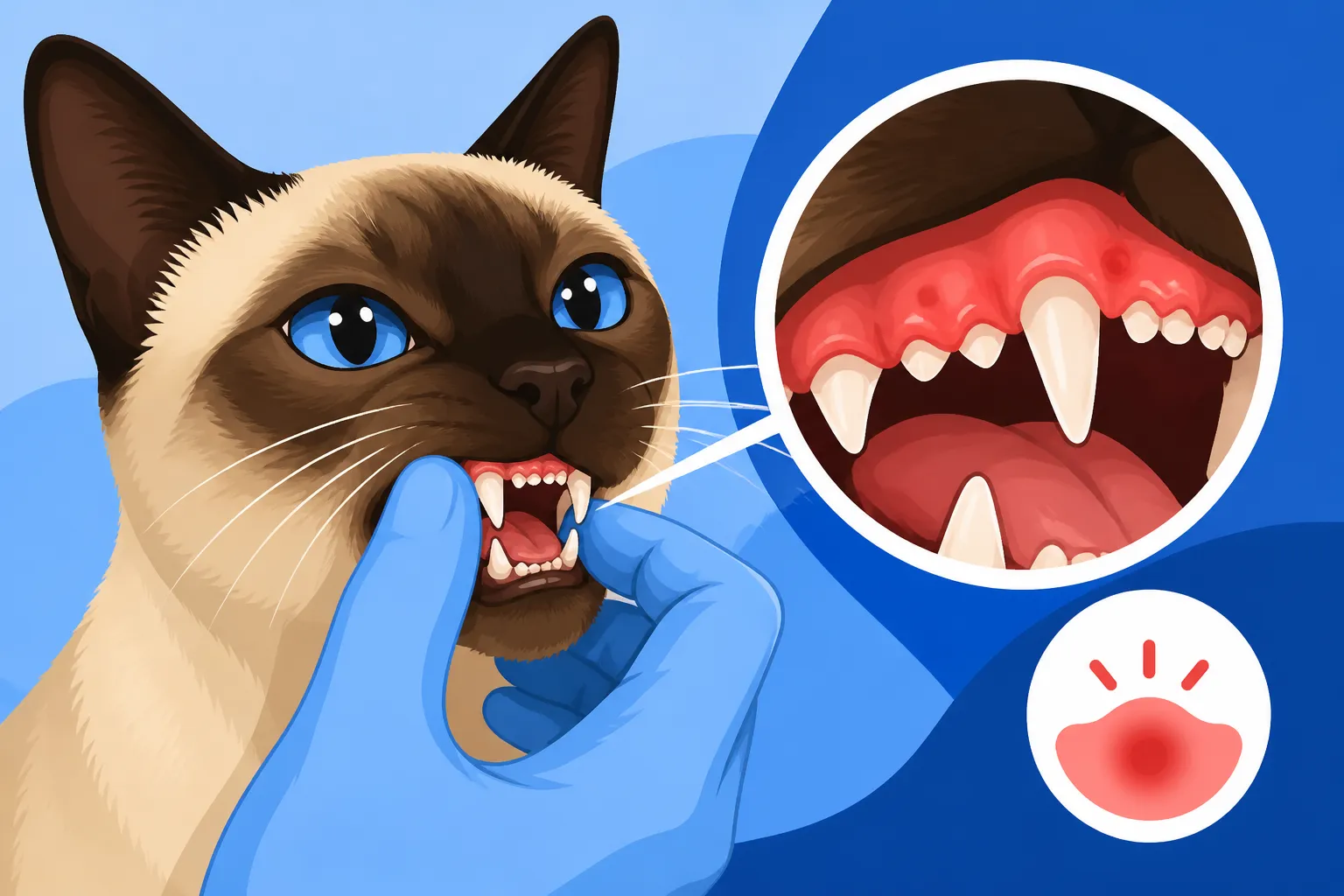
Gum inflammation in cats, just like in humans, isn't a static condition; it's a progressive disease. It usually starts innocently enough with gingivitis. This is where you might notice that salmon pink changing to a deeper, angry red, especially along the edges of the gums where they meet the teeth. The tissue might also look a bit puffy or swollen, indicating inflammation. At this stage, it's typically reversible with professional cleaning and good home care.
However, if gingivitis is left untreated, it inevitably progresses to periodontitis. This is where things get serious. Periodontitis involves the infection spreading below the gumline, attacking the supporting structures of the teeth – the ligaments and bone. You might see the gums actually receding, exposing more of the tooth root. There can be pus, significant bleeding, and painful pockets forming around the teeth. In advanced cases, teeth can become loose, infected, and may even fall out. This stage is irreversible and can lead to tooth loss, chronic pain, and even systemic health issues as bacteria from the mouth can enter the bloodstream and affect organs. It’s a stark reminder of why we need to be proactive.
Obvious Signs Your Siamese Cat's Gums Are Inflamed
Sometimes, the signs are right there if you know what you’re looking for. While our Siamese cats are stoic, severe inflammation often produces visible or undeniable symptoms.
Visual Cues of Redness and Swelling
The most direct way to spot inflamed gums is, of course, to see them. This often means carefully lifting your cat's lip. When you do, if you see gums that are a vibrant, angry red or even a purplish hue instead of that healthy salmon pink, that's a classic sign of gingivitis. The tissue might also appear puffy, swollen, and a bit shiny, rather than tight and firm around the teeth. Sometimes, you might even notice a distinct red line right at the edge of the gum where it meets the tooth.
In more advanced cases, you might observe actual bleeding. This can happen spontaneously, especially when your cat is eating harder foods, or if you attempt to gently touch the area. If you see spots of blood on their toys, food bowl, or even their bedding, that's a huge warning sign that their gums are not only inflamed but likely quite tender and fragile. These visual cues are often the first strong indicators that your Siamese needs dental attention.
Changes in Eating Habits and Oral Discomfort
One of the most common ways dental pain manifests is through changes in how your Siamese eats. If their gums are sore, they're simply not going to want to chew. You might notice them approaching their food bowl with enthusiasm, only to take a few hesitant bites and then back away. They might drop pieces of kibble, struggle to pick up their food, or start chewing only on one side of their mouth to avoid the painful area. Some cats will refuse dry kibble altogether, preferring softer, wet foods, or even refusing to eat at all.
Beyond the physical act of eating, pay close attention to their breath. A healthy cat's breath isn't exactly pleasant, but if it's truly foul, repulsive, or smells distinctly rotten, that's a tell-tale sign of infection and inflammation in the mouth. This odor comes from the bacteria thriving in the plaque and tartar buildup, irritating the gums. If you find yourself holding your breath when your Siamese yawns or meows close to your face, it's definitely time to schedule a vet visit.
Excessive Drooling or Pawing at the Mouth
While not every cat with inflamed gums will drool excessively, it can certainly be a symptom, especially if the pain is significant or if there's an infection causing discomfort. Increased saliva production can be a natural response to oral pain, and sometimes you might notice little wet spots where your cat has been resting their head. It's usually a clear, watery drool, not thick or discolored, unless a deeper infection is present.
Another common behavior for cats experiencing oral discomfort is pawing at their mouth or rubbing their face against furniture or your leg. This is their way of trying to relieve the irritation or pain. They might be trying to dislodge something, or simply to massage a sore spot. If you observe your typically fastidious Siamese doing this more often, especially after eating or waking up, it's a strong indicator that something is bothering them in their mouth. It’s their silent plea for help when their famous meows just aren't cutting it for this particular kind of discomfort.
Subtle Behavioral Changes That Signal Dental Pain
Sometimes, the signs aren't as obvious as drooling or refusing food. Siamese cats, with their clever and often dramatic personalities, can also display much more subtle shifts when they're in pain. We need to be keen observers.
Changes in Grooming Habits
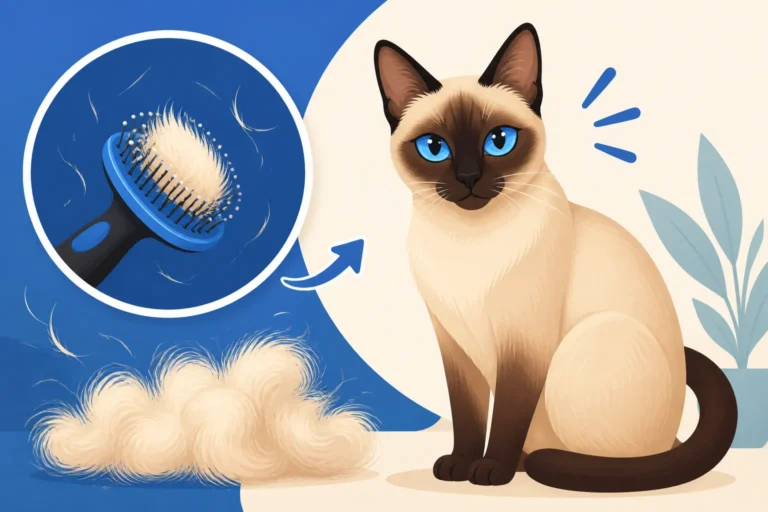
Our Siamese cats are renowned for their sleek, short coats and meticulous grooming habits. They love to be clean! So, if you start noticing a decline in their usual fastidiousness, that's a subtle but significant red flag. A cat with a sore mouth or painful gums might find grooming themselves too uncomfortable. They might neglect certain areas, like their chest or paws, or simply spend less time overall on their daily bath. This can lead to a duller coat, mats forming (especially in longer-haired Siamese mixes or if they're particularly fluffy), or even a generally unkempt appearance.
Conversely, some cats, when stressed or in pain, can actually over-groom certain areas, leading to hair loss or skin irritation. This is a common manifestation of stress in felines, and oral pain can certainly be a major stressor. If you notice bald patches appearing, particularly on their belly or flanks, it could be a sign of Psychogenic Alopecia in a Siamese Cat, which can sometimes be triggered by underlying physical discomfort, including dental issues. Always consider pain first when assessing behavioral changes like this.
Increased Irritability or Reclusiveness
A happy, healthy Siamese is typically an outgoing, highly interactive companion, known for being incredibly vocal and affectionate. So, a sudden shift towards being more irritable, withdrawn, or even aggressive can be a powerful indicator of pain. If your usually cuddly Meezer suddenly flinches when you touch their face, avoids your pets, or snaps at you when they never would before, they might be communicating that they hurt. Pain makes anyone grumpy, and cats are no exception.
Similarly, a Siamese experiencing chronic dental pain might become more reclusive. They might start spending more time alone, hiding under beds or in closets, instead of being right in the thick of family life. They might still come out for food, but retreat quickly. Their usually expressive, chatty nature might become subdued, or their famous "meezer yowl" might change in tone or frequency. Remember, Why a Siamese Cat Hides Pain is a survival mechanism, so we must pay extra attention when their usual demanding presence diminishes. This isn't just a mood swing; it's a potential cry for help.
Weight Loss or Loss of Appetite
While we touched on changes in eating habits, a more profound and long-term consequence of untreated gum inflammation can be actual weight loss. If it's too painful to eat properly, or if the infection makes them feel unwell, your Siamese simply won't consume enough calories. Siamese cats are naturally slender, which makes it even harder to notice slight weight loss initially. Their elegant, lean build can make them seem thin even when healthy, but if their ribs become more prominent, their spine more defined, or you notice a general decline in their muscle mass, that's a serious concern.
Sometimes, the weight loss might not be obvious until you pick them up or run your hands along their body. Feeling their bony structure more clearly is a sign they’re not getting adequate nutrition. Persistent, chronic pain can also suppress appetite, even for beloved treats. Why a Siamese Cat Stays So Thin is often attributed to their high metabolism, but significant, unexplained weight loss should always prompt a thorough veterinary check-up, with dental health being a primary suspect.
What to Do If You Suspect Gum Inflammation
Spotting the signs is only half the battle. The next crucial step is taking action to ensure your beloved Siamese gets the care they need. Ignoring these signs will only lead to more pain and potentially more serious health issues down the road.
The Importance of a Veterinary Dental Exam
If you've noticed any of the signs we've discussed – from angry red gums to changes in eating or behavior – the absolute first and most important step is to schedule a veterinary dental exam. Please don't try to diagnose or treat this at home beyond basic observation. A veterinarian has the tools and expertise to properly assess the situation. They can look inside your cat's mouth, check for loose teeth, receding gums, and signs of infection. Often, a full dental exam requires sedation, as even the most cooperative Siamese isn't going to let a vet probe their painful mouth wide awake.
During this professional exam, your vet might recommend dental X-rays. These are incredibly important because much of the damage from periodontal disease happens below the gumline, invisible to the naked eye. X-rays can reveal bone loss, root resorption (a painful condition common in cats where the tooth structure erodes), and abscesses that would otherwise go undetected. A thorough professional assessment is the cornerstone of effective treatment, helping determine how often a cat needs a dental cleaning, which may be more frequent if there are existing issues. This comprehensive approach ensures that all underlying problems are identified and addressed.
At-Home Care and Prevention Strategies
While professional intervention is vital for existing inflammation, consistent at-home care is your best defense against future problems. The gold standard for prevention is brushing your Siamese cat's teeth regularly. Yes, I know, it sounds like a Herculean task, but it truly makes a difference! Starting young helps, but even an older cat can sometimes be trained with patience, positive reinforcement, and feline-specific toothpaste (never use human toothpaste!). You can find great feline dental kits on sites like Chewy or Amazon, which include brushes designed for small mouths and palatable enzymatic toothpastes. How to Brush a Siamese Cat's Teeth properly is a skill worth learning, even if you only manage it a few times a week.
Beyond brushing, there are other helpful tools. Dental treats can help mechanically scrape plaque off teeth, though they are never a substitute for brushing or professional cleaning. Look for treats approved by the Veterinary Oral Health Council (VOHC) for proven efficacy. Water additives designed to reduce plaque and freshen breath can also be a good supplementary measure. For cats with sensitive gums or those recovering from dental work, offering soft, high-quality wet food can be much more comfortable than crunchy kibble. Some owners even explore fresh food services for highly palatable options, though any significant dietary change should always be discussed with your vet.
Understanding Treatment Options
Once your veterinarian has performed a comprehensive exam, they will discuss the best course of action. For mild gingivitis, a professional dental cleaning under anesthesia is usually sufficient. This involves scaling off plaque and tartar both above and below the gumline, and then polishing the teeth to create a smooth surface that resists new plaque buildup. Think of it like your own deep dental cleaning, but for your cat.
If periodontitis has set in, the treatment can be more involved. This might include extractions of severely diseased or painful teeth that cannot be saved. While it sounds drastic, removing a source of chronic pain is often the kindest thing you can do for your cat. Your vet might also prescribe antibiotics to clear up any infections and anti-inflammatory medications to manage pain and swelling. The costs for dental procedures can vary widely depending on the severity and whether extractions are needed, but it's important to view it as an investment in your cat's long-term health and comfort. What a Siamese Cat's First Dental Costs can be an eye-opener, and Extractions Cost a Siamese Cat Owner even more so, but remember, untreated dental disease often leads to even higher bills and a poorer quality of life for your cherished companion.
Comparison of Healthy vs. Inflamed Siamese Cat Gums
To help you quickly identify the differences, here's a table comparing key characteristics of healthy versus inflamed gums in a Siamese cat.
| Feature | Healthy Gums | Inflamed Gums |
|---|---|---|
| Color | Salmon pink, consistent throughout | Red, deep red, purplish, or patchy |
| Texture/Appearance | Firm, smooth, tight around teeth | Swollen, puffy, shiny, sometimes receded |
| Plaque/Tartar | Minimal to none visible, clean teeth | Yellow/brown buildup, especially near gumline |
| Bleeding | None, even with gentle touch | May bleed easily when touched or during eating |
| Breath | Mild, relatively neutral feline odor | Foul, putrid, distinctly unpleasant |
| Pain Response | Tolerant of gentle touch/examination | Avoids touch, flinches, shows discomfort |
| Eating Habits | Eats normally, chews evenly | Hesitant to eat, drops food, chews on one side |
| Behavioral Cues | Meticulous groomer, interactive, vocal | Reduced grooming, reclusive, irritable, pawing at mouth |
Disclaimer
This article is for general informational purposes only and does not constitute professional advice. Laws, prices and regulations vary by location and change over time. Consult a qualified professional for guidance on your specific situation.