The Siamese Cat Came From Siam, Not Thailand
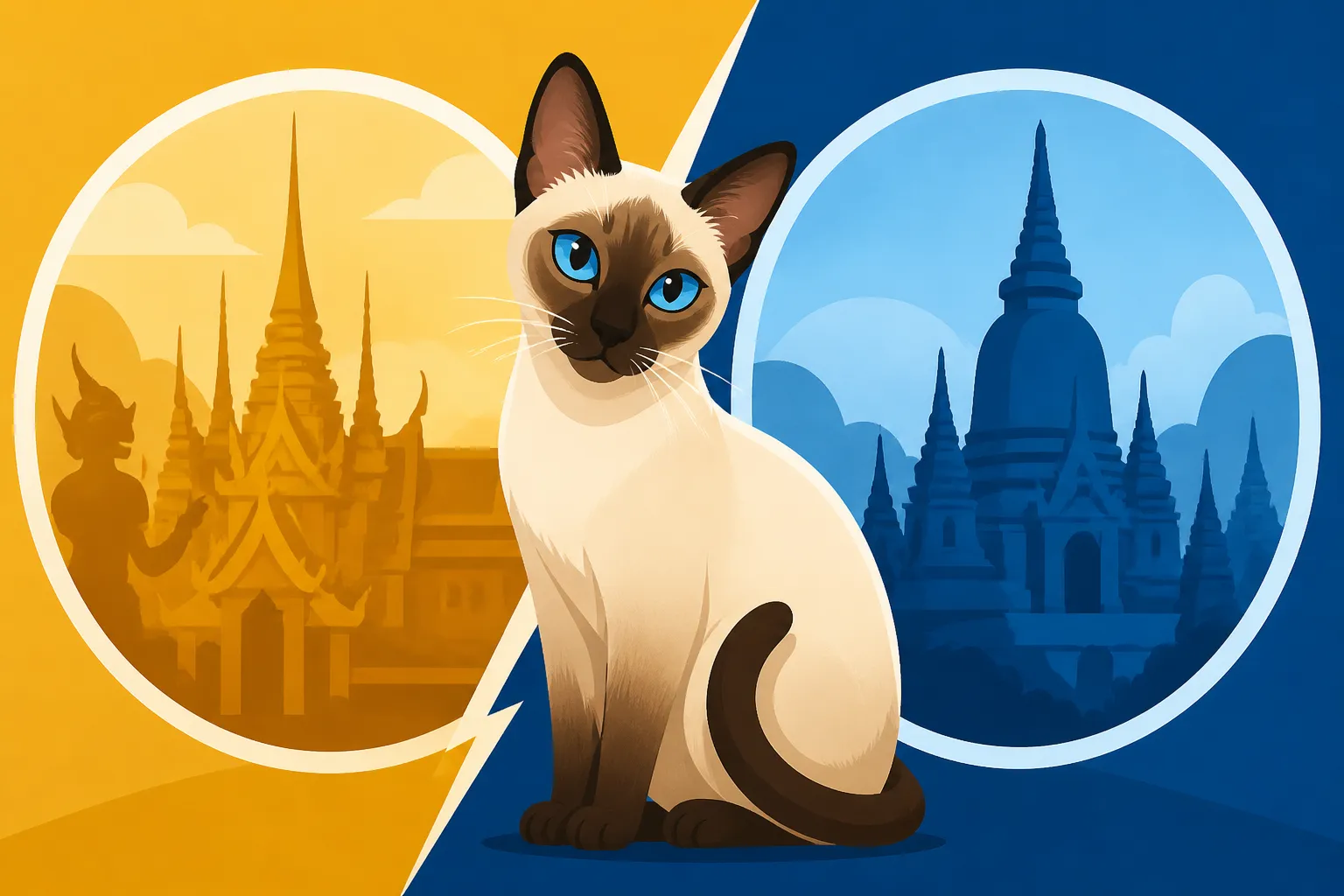
It's a common misconception, one that I hear often from new enthusiasts and even seasoned cat lovers: that the Siamese cat hails from modern-day Thailand. While geographically linked, the truth is that this exquisite breed's roots stretch back to a kingdom with a different name and a rich, distinct history – Siam. This guide will take you on a journey to understand the true origins of the Siamese cat, exploring the ancient land it came from and how that history shapes the beloved companions we cherish today.
Understanding the Historical Context of Siam
When we talk about the Siamese cat, it’s crucial to understand the historical entity known as Siam. This wasn't just a different name for the same place; it represented a distinct period, political structure, and cultural identity that significantly predates the modern nation of Thailand. Many people might think it's a simple renaming, but it's much more profound than that.
Siam: A Kingdom Transformed
Siam, as a kingdom, existed for centuries, with its golden age often considered to be during the Ayutthaya period (roughly 14th to 18th centuries) and continuing through the Rattanakosin period until the name change in 1939. This was a powerful and influential kingdom in Southeast Asia, known for its rich cultural traditions, intricate political systems, and stunning artistic achievements. It was a place steeped in ancient traditions, where animals, particularly cats, held a very different status than they might in other parts of the world. Imagine a society where every aspect of life, from royalty to common folk, might encounter these unique felines.
The shift from Siam to Thailand in 1939, initiated by Prime Minister Plaek Phibunsongkhram, was a deliberate move to project a more modern and unified national identity. The name "Thailand" means "Land of the Free," a powerful statement. However, for those of us deeply interested in the origins of our feline friends, it's important to remember that the cat we call "Siamese" emerged from a time and place identified as Siam, a name that evokes its own sense of history and mystique. It's like appreciating a vintage car; you wouldn't call it a modern sedan, even if it led to one.
The Cultural Significance of Cats in Ancient Siam
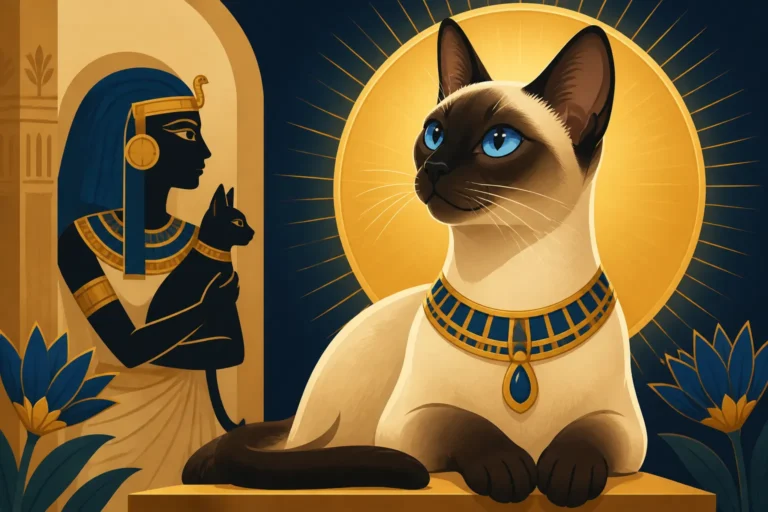
In ancient Siam, cats weren't just household pets; they were revered creatures, often associated with royalty, temples, and good fortune. They were deeply intertwined with the spiritual and cultural fabric of society. There's a prevailing belief that these particular cats, the ancestors of our Siamese, were especially treasured by royalty and within Buddhist temples. This isn't just folklore; it's supported by historical texts and art.
These cats were believed to possess sacred qualities, and their distinctive appearance, with their striking blue eyes and elegant form, only added to their mystique. It was a status far removed from the utilitarian role many cats played in other societies, where they might primarily be valued for pest control. Instead, the Siamese cat was a companion, a guardian, and a symbol of grace and spiritual connection. This elevated status certainly played a role in their preservation and eventual spread beyond Siam's borders.
The Wichianmat: The Original Siamese Cat
Before the Siamese cat captured the hearts of Western cat fanciers, there existed a native landrace cat in Siam known as the Wichianmat. This is the true ancestor of the breed we know and love, a feline that naturally developed its unique characteristics within the specific environment of the Siamese kingdom. Understanding the Wichianmat helps us appreciate the pure, unadulterated form from which our modern Siamese emerged.
The Ancient Roots of the Wichianmat
The Wichianmat isn't a "breed" in the modern, pedigreed sense. Instead, it refers to the indigenous cat population of Siam that displayed the characteristic colorpoint pattern. This genetic trait, which results in darker points on the cooler parts of the body and a lighter body, is thought to have arisen spontaneously in the region. These cats roamed the palaces, temples, and homes of Siam, evolving over centuries without human intervention to shape their specific traits, beyond what nature and selection within their habitat dictated. This makes them incredibly special – living historical artifacts, if you will. You can learn more about What the Wichianmat Behind the Siamese Cat Is.
Imagine these cats centuries ago, living in a bustling Siamese city or a serene temple compound, their distinct coloration helping them blend into the shadows or stand out against rich tapestries. Their temperament, already noted for being vocal and interactive, would have made them cherished companions in a society that valued such connections. Their presence was simply part of the landscape, a beautiful, natural phenomenon, much like the local flora and fauna.
Physical Characteristics of the Early Siamese Cat
The early Wichianmat, while possessing the signature colorpoint gene and brilliant blue eyes, would have looked somewhat different from the extreme "wedge-head" show Siamese we often see today. They were likely more moderate in build, often referred to as "applehead" or "traditional" Siamese by modern breeders seeking to preserve that older look. Their bodies would have been muscular but not overly slender, with a more rounded head and less pronounced ears.
Their coat would have been short and close-lying, with the characteristic points – ears, paws, tail, and mask – being a rich, dark color against a lighter body. Their voices were likely just as legendary back then, a distinct vocalization that truly sets the breed apart. It’s fascinating to think that the core elements of the Siamese cat – its beauty, its voice, its striking blue eyes – have remained constant through the centuries, even as its exact physical manifestation has evolved with human preference. These are the cats that captivated the first Westerners who encountered them, sparking a fascination that continues to this day.
The Tamra Maew and Documenting the Siamese Cat
One of the most compelling pieces of evidence for the ancient origins and revered status of the Siamese cat comes from the "Tamra Maew," or "Cat Poems." These antique manuscripts are not mere curiosities; they are profound cultural documents that offer a direct window into how these cats were viewed and valued in old Siam. They are a testament to a deep historical connection.
The Significance of the Cat Poems
The Tamra Maew are ancient illustrated manuscripts, often beautifully hand-painted, that describe and categorize various types of cats, both lucky and unlucky, found in Siam. While the exact age of all existing copies varies, some texts date back several centuries, firmly placing the distinctive features of the Siamese cat in ancient Siamese society. These aren't just vague descriptions; they detail specific coat patterns, eye colors, and even personality traits, aligning perfectly with what we recognize as the Siamese cat today. What the Tamra Maew Says About the Siamese Cat is truly a treasure for understanding feline history.
These manuscripts served multiple purposes: as guides for identifying auspicious cats, as artistic expressions, and as cultural records. They show that the people of Siam weren't just passively living alongside these animals; they were observing, documenting, and celebrating them. The meticulous detail in these works suggests a deep respect and understanding of feline characteristics, far beyond casual observation. It’s this kind of historical depth that truly sets the Siamese cat apart from many other breeds with less clear lineage.
Depictions of the Siamese Cat in Ancient Texts
Among the various cats described in the Tamra Maew, the Wichianmat (our Siamese cat ancestor) is prominently featured. The illustrations and accompanying poetry leave no doubt. These depictions show cats with light bodies and dark points, typically with blue eyes, just as we see them now. Some even describe unique features like the kinked tail or crossed eyes, which were once considered desirable traits or mystical markers in the breed's folklore, though today they are often bred out of show lines. Why a Siamese Cat's Eyes Cross and Its Tail Kinks delves into these fascinating historical features.
The consistent representation across different manuscripts over time provides strong evidence that the Siamese cat's distinctive look was well-established and recognized in Siam long before any Western intervention. This isn't a breed "invented" in the West and given a Siamese name; it's a living piece of Siamese heritage, documented by the people who first cherished it. It's a powerful reminder that when you look into the sapphire eyes of a Siamese cat today, you are gazing upon a lineage that has been revered for centuries.
From Royal Palaces to Western Shores: The Siamese Cat's Journey
The journey of the Siamese cat from the royal courts and temples of Siam to homes across the globe is a fascinating tale of diplomacy, exoticism, and pure feline charm. It wasn't a mass exodus but a gradual introduction, primarily through gifts and personal connections, that eventually sparked a worldwide phenomenon.
Gifts to Foreign Dignitaries
The first Siamese cats to leave their homeland were often given as diplomatic gifts from the King of Siam to foreign dignitaries, reflecting their esteemed status. These were not common cats; they were considered treasures. One of the most famous instances involves the Siamese cat named Siam, given to U.S. President Rutherford B. Hayes and his wife Lucy by the American Consul in Bangkok in 1878. This cat holds a special place in American history as one of the first known Siamese cats in the United States. It's a charming story that highlights the cat's initial role as a symbol of goodwill and exotic beauty. Siam, the Siamese Cat Given to the White House in 1878 tells this tale in more detail.
These early cats, landing in entirely new environments, must have caused quite a stir. Their striking appearance, coupled with their incredibly vocal and interactive personalities, would have been unlike anything many Westerners had ever encountered in a domestic feline. Imagine the surprise and delight of receiving such an intelligent and engaging companion. These diplomatic gifts laid the groundwork for the breed's future popularity, introducing it to a wider audience who quickly fell under its spell.
Early Western Encounters and Impressions
While Siam was gifted to the Hayes family in America, it was in Great Britain that the Siamese cat truly began its journey into organized cat fancy. The first pair of Siamese cats, Pho and Mia, arrived in England in 1884, brought back by the British Consul-General in Bangkok, Owen Gould. These cats were exhibited at a cat show at the Crystal Palace in London, where they created an absolute sensation. Their unique appearance and piercing blue eyes were unlike anything the Victorian public had ever seen.
The initial reactions were a mix of awe and a bit of bewilderment. Some found them stunningly beautiful and elegant, while others described them as "unnatural" or even "frightening" due to their slender build and intense stare. However, their exotic allure quickly won over many, and soon the demand for these "Royal Cats of Siam" began to grow. This marked the true beginning of the Siamese cat's establishment as a recognized and much-sought-after breed in the Western world, paving the way for selective breeding and the development of breed standards.
The Naming Convention: Why "Siamese"?
The name "Siamese" for this iconic cat breed is deeply ingrained in its history and origin. It's not just a cute label; it's a direct acknowledgment of the geographical and political entity from which these cats emerged. Understanding why they are called Siamese helps reinforce their true historical home.
A Name Rooted in Geography
The name "Siamese" simply means "from Siam." When these cats were first introduced to the Western world, Siam was the established name of the country. Therefore, it was natural to refer to the cats by their place of origin, much like a Persian cat is from Persia or a Maine Coon is associated with Maine. It was a straightforward designation that immediately linked the cat to its exotic homeland, adding to its mystique and allure.
Even after the country officially changed its name to Thailand, the breed name "Siamese" remained. This wasn't out of stubbornness but out of historical recognition and tradition. The breed had already gained international recognition and established its identity under the name "Siamese." Changing it would have caused confusion and erased a significant part of its unique heritage. So, while the political landscape transformed, the feline's name stood as a timeless tribute to its ancient kingdom. This helps us recall Where the Siamese Cat Comes From and its fascinating story.
The Enduring Legacy of "Siamese"
Today, the name "Siamese" serves as a constant reminder of the breed's storied past and its deep connection to the historical kingdom of Siam. It links our modern companions back to the Tamra Maew, the royal palaces, and the unique culture that first cherished them. For breeders and enthusiasts, the name carries a sense of tradition and respect for the origins of these magnificent animals.
While Thailand is the modern nation, "Siamese" evokes a romanticized image of an ancient kingdom, rich with history and exotic wonders. It’s a name that has become synonymous with elegance, vocal charm, and striking beauty, ensuring that the legacy of Siam continues to thrive in every blue-eyed, chatty feline that graces our homes. It’s more than just a name; it’s a living piece of history.
Distinguishing the Siamese Cat from the Thai Cat
This is where things can get a little confusing for many people, especially with the country's name change. If the Siamese cat came from Siam, and Siam is now Thailand, doesn't that mean Siamese cats are Thai cats? Not quite. In the world of cat fancy, "Siamese" and "Thai" now refer to two distinct, though closely related, breeds. This separation reflects differing breeding goals and a desire to preserve various historical types.
The Emergence of the Thai Breed
The "Thai" cat breed emerged specifically to preserve the look of the original, more moderate-bodied Siamese cats that were common before breeders in the West began to select for the more extreme, slender, and wedge-headed appearance that became fashionable in the mid-20th century. When many Western Siamese breeders focused on creating a very angular, elegant look, some enthusiasts felt that the "old-style" or "traditional" Siamese was being lost.
The Thai cat, therefore, represents a conscious effort to maintain the ancestral appearance of the Wichianmat. These cats often have a more rounded, "applehead" shape, sturdier bodies, and generally look less extreme than a modern show Siamese. They are essentially a step back in time, a living homage to the cats that first charmed the world. This is a clear example of How the Thai Split From the Siamese Cat.
Key Differences in Appearance and Standard
To the untrained eye, a Siamese and a Thai cat might look similar due to their shared colorpoint pattern and blue eyes. However, their respective breed standards highlight significant differences. The modern Siamese cat, particularly in show lines, is characterized by its extremely slender, tubular body, long, whip-like tail, large, wide-set ears forming a distinct wedge with the head, and almond-shaped eyes. How the Siamese Cat's Head Changed Shape in Fifty Years illustrates this transformation.
In contrast, the Thai cat (sometimes called the "Traditional Siamese" or "Old-Style Siamese") has a more moderate, robust body, a rounded or "apple-shaped" head, smaller, more proportionate ears, and rounder eyes. They generally appear less "extreme" and closer to the photographs of the earliest Siamese imports to the West. This table helps to clarify some of the main distinctions:
| Feature | Modern Siamese Cat | Thai Cat (Old-Style Siamese) |
|---|---|---|
| Head Shape | Long, tapering wedge | Rounded, "applehead" |
| Body Build | Long, slender, tubular, athletic | Moderate, muscular, sturdier |
| Ears | Large, wide at base, set to continue wedge lines | Medium, proportionate to head, rounded tips |
| Eyes | Almond-shaped, slanted | More rounded, expressive |
| Tail | Long, thin, whip-like | Medium length, proportionate to body, thicker at base |
| Overall Impression | Elegant, angular, extreme | Balanced, natural, robust |
These differences are not just cosmetic; they represent different philosophies in breeding and preservation. When you're looking for cat food or toys, perhaps from a trusted retailer like Chewy, you might notice that resources differentiate between the needs of "traditional" and "modern" Siamese, implicitly recognizing these distinct types. Understanding What the Thai Cat Is Next to a Siamese Cat is key for anyone interested in the breed's diverse expressions.
Preserving the Legacy: Efforts to Maintain Historical Lineages
The split between the modern Siamese and the Thai cat highlights a broader ongoing discussion within the cat fancy world: how to balance the evolution of a breed with the preservation of its historical appearance and genetic health. Enthusiasts on both sides are dedicated to their vision, ensuring that the rich legacy of the Siamese cat continues in various forms.
Traditional vs. Modern Siamese Standards
The divergence in appearance between the traditional and modern Siamese stems directly from differing interpretations of the breed standard over time. Early Western breeders initially worked with the cats they imported, which were more robust. However, as cat shows became more popular and selective breeding intensified, judges and breeders began to favor increasingly elongated and angular features. This led to the sleek, almost ethereal look that is characteristic of the modern show Siamese today.
For those who love the elegance of the modern Siamese, this evolution is a testament to careful breeding and the creation of a truly unique and aesthetically striking animal. For others, particularly proponents of the Thai cat, the focus is on maintaining the original, less exaggerated features, believing them to be closer to the original Wichianmat. Both groups are passionate, and their efforts ensure that whether you prefer the classic or the contemporary, a Siamese cat of some description will always be there to charm you.
The Importance of Genetic Diversity
Beyond aesthetics, the preservation of different Siamese lineages also plays a crucial role in maintaining genetic diversity within the breed. Over-selection for specific, extreme traits can sometimes lead to a narrowing of the gene pool, potentially increasing the risk of inherited health issues. By recognizing and fostering different types, such as the Thai cat, we help ensure a broader genetic base. This is particularly important given that some health concerns can affect Siamese cats, as detailed in articles like How Healthy the Siamese Cat Actually Is.
Organizations like the Traditional Cat Association or the Thai Cat Club are dedicated to this preservation work, ensuring that the "old style" lives on. They meticulously track pedigrees and work to maintain the health and temperament of their lines, often promoting the idea that a more moderate build can contribute to better overall health. When considering bringing a Siamese into your home, whether you're looking at a modern Siamese or a Thai cat, it's always wise to research breeders and their health screening practices, perhaps even finding supplies and care guides on sites like Chewy to ensure you're prepared for a healthy companion. The commitment to understanding and nurturing these distinct lineages ultimately benefits the entire Siamese family, allowing future generations to enjoy the rich heritage of this remarkable breed.
Disclaimer
This article is for general informational purposes only and does not constitute professional advice. Laws, prices and regulations vary by location and change over time. Consult a qualified professional for guidance on your specific situation.