How the Thai Split From the Siamese Cat
It can be incredibly confusing when you hear people talking about Siamese cats and then, almost in the same breath, mention "Thai cats" or "Traditional Siamese." Are they the same? Are they different? For many years, the journey of this beloved breed has taken twists and turns, leading to a point where what started as one cat in ancient Siam has evolved into distinct types recognized by different names and standards. This guide aims to clear up that confusion, diving deep into the fascinating story of how the Thai cat came to be considered separate from the modern Siamese, tracing their shared lineage and the breeding choices that led to their divergence.
The Ancient Origins: Shared Roots in Siam
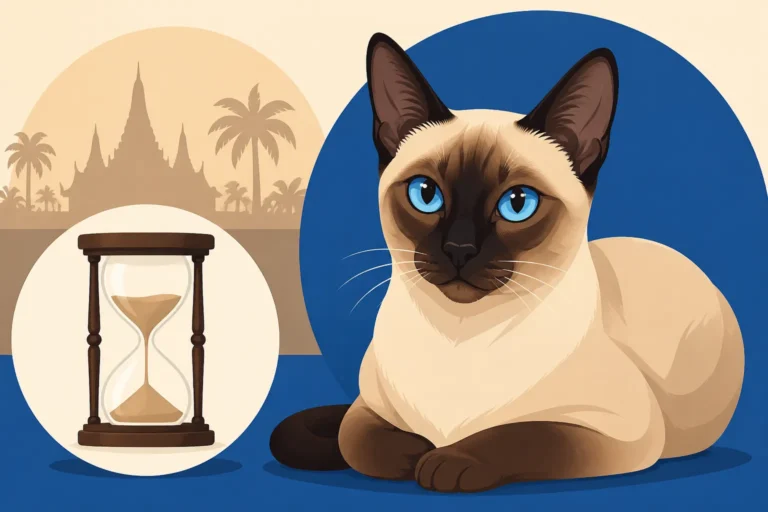
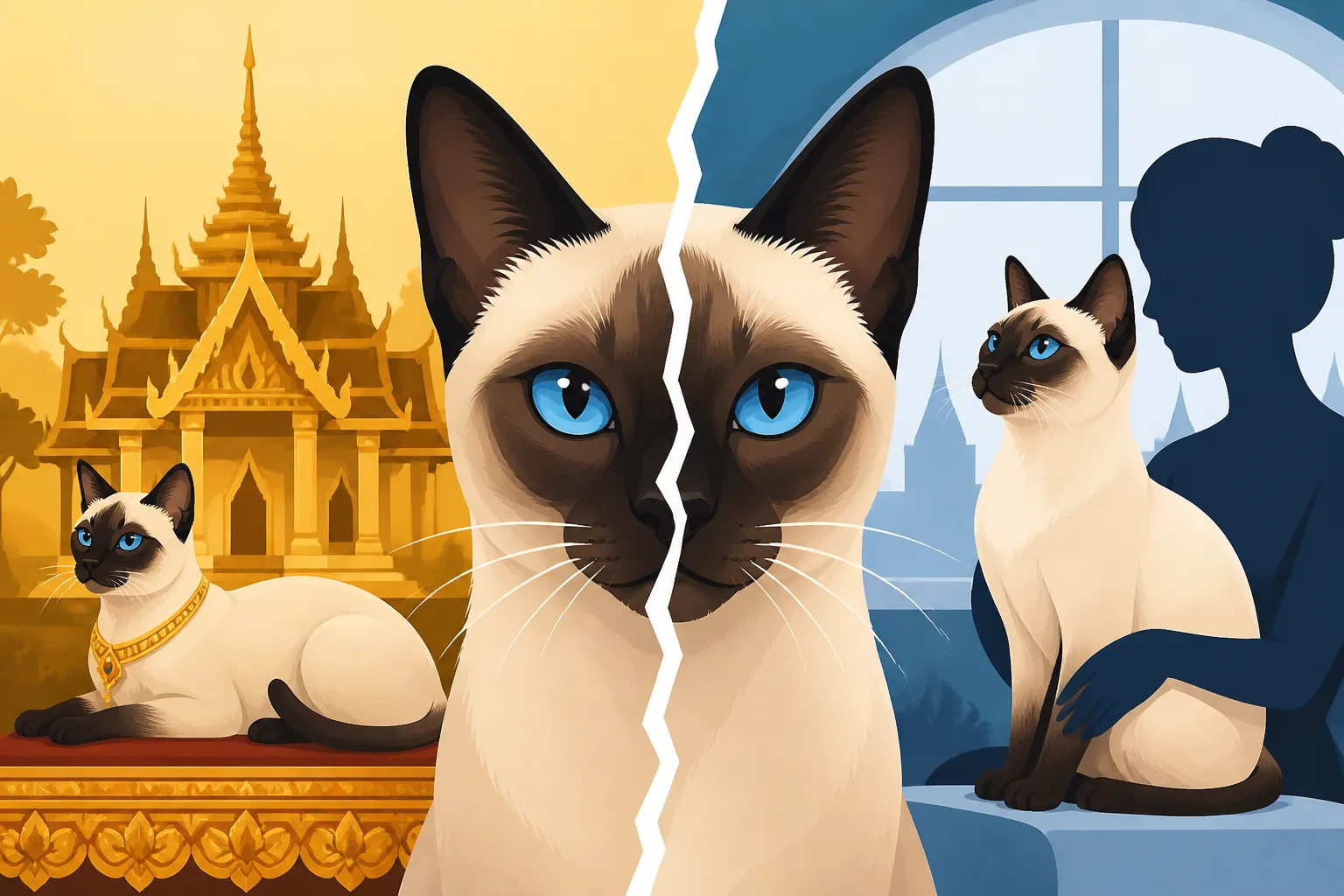
Before we can understand how two paths diverged, we have to go back to the beginning, to the very heart of where these magnificent felines originated: the ancient kingdom of Siam, now known as Thailand. For centuries, a specific type of cat graced the palaces and homes of the region, admired for its striking appearance and engaging personality. This was the common ancestor, the grand-parent breed, if you will, to both the modern Siamese and the Thai cat.
The Wichianmat and the Tamra Maew
Imagine a time long ago, in a lush, vibrant land where cats held a special place. The indigenous cat that was prized in Siam was known as the "Wichianmat," a name that translates roughly to "moon diamond." These were the cats depicted in ancient manuscripts like the Tamra Maew, or "Cat Book Poems," which date back centuries. These historical documents describe and illustrate several types of Thai cats, and among them, the Wichianmat stands out. What the Wichianmat Behind the Siamese Cat Is
When you look at these old illustrations, you don't see the extreme, slender body and super-wedge head that is often associated with the modern Siamese cat today. Instead, the Wichianmat was depicted as a more moderately built cat: a rounder head, a sturdy, muscular body, and a tail that might even have a natural kink – features that were considered marks of authenticity and beauty at the time. This is a crucial detail, as it shows us the original blueprint from which both breeds eventually evolved. These cats were not just pets; they were integral to the culture and folklore of Siam, believed to bring good luck and prosperity.
Early Western Impressions of the Siamese
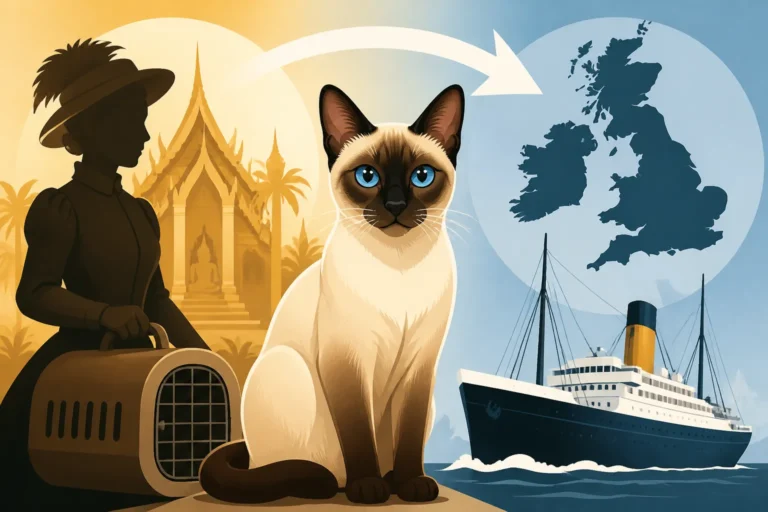
Fast forward to the late 19th century when these exotic "Royal Cats of Siam" first made their way to the Western world. It was a sensation! The first documented arrival of Siamese cats in Britain was in 1884, with a pair named Pho and Mia, brought by the British Consul-General to Bangkok, Edward Blencowe Gould. These cats quickly captivated audiences at cat shows, their unique color patterns and vocalizations unlike anything most Westerners had ever seen. Who Brought the First Siamese Cat to Britain
The cats that arrived in these early days were very much in line with the descriptions from the Tamra Maew. They had that distinctive coloration – pale bodies with darker points on their ears, paws, tail, and face – and piercing blue eyes. However, their physical structure was robust, with a rounder head and a more athletic, rather than delicate, build. This is the look that many people today fondly refer to as the "Traditional Siamese" or "Applehead Siamese." They were charming, intelligent, and famously communicative, quickly establishing themselves as a unique and sought-after breed. The Western world was utterly smitten, and the foundation for what we now know as the Siamese cat was firmly laid.
A Legacy of Royal Cats
It's hard to talk about the Siamese cat's origins without touching on the mystique surrounding their status in ancient Siam. These weren't just common alley cats; they were often associated with royalty, living within the palace walls and sometimes even considered sacred guardians. There are beautiful legends that speak of Siamese cats guarding temples and royal treasures, explaining their crossed eyes or kinked tails as a result of their devoted duties. Whether Only Royalty Kept the Siamese Cat
While not every Siamese cat was literally owned by a king, the perception of their noble lineage undoubtedly contributed to their allure when they were introduced to the West. This regal background amplified their exotic appeal and made them even more desirable to breeders and cat enthusiasts across Europe and America. This early fascination meant that the Siamese cat was seen as something truly special, a living piece of Eastern elegance, which set the stage for intense breeding efforts and, eventually, the distinct paths the modern Siamese and Thai cat would take. The demand for these cats, sometimes reaching extravagant levels, ensured that breeders would eventually begin to sculpt the breed according to evolving aesthetic preferences.
The Divergence: Breeding Preferences Take Hold
As the Siamese cat gained popularity in the Western world, especially in show circuits, an interesting phenomenon began to occur. Like many popular breeds, human preferences and aesthetic ideals started to influence breeding programs, leading to a gradual shift in the desired physical characteristics of the Siamese cat. This is where the story of divergence truly begins, creating a fork in the road for this ancient breed.
The Rise of the "Modern" or "Wedge" Siamese
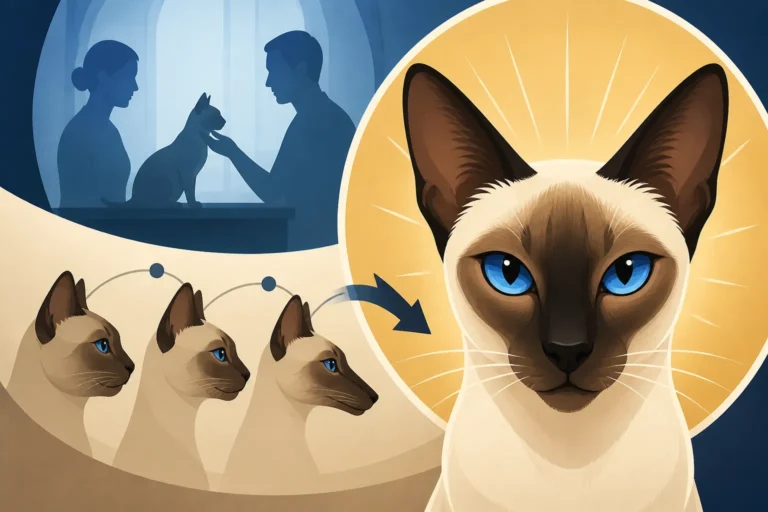
Starting primarily in the mid-20th century, a new ideal began to emerge in the cat fancy. Breeders, driven by the desire to create a distinctive, elegant, and almost ethereal look for the show ring, began to selectively breed for more extreme features. The moderate, rounded head of the original Siamese slowly transformed into a sleek, elongated "wedge" shape, culminating in a fine muzzle. Their ears became strikingly large, set wide apart and flaring at the base, creating a triangular outline with the head. Their bodies grew longer, more tubular, and incredibly slender, often described as "svelte" or "athletic," with long, tapering tails. How the Siamese Cat's Head Changed Shape in Fifty Years
This new aesthetic, known as the "Modern Siamese" or "Wedge Siamese," became the dominant standard in major cat registries like the Cat Fanciers' Association (CFA) and The Governing Council of the Cat Fancy (GCCF). The intention was to refine the breed, to make it more "exotic" and distinct. Champions in the show ring embodied this new, angular elegance, and breeders across the globe followed suit, aiming to produce kittens that met these increasingly specific and often exaggerated criteria.
The Traditional Look Falls Out of Favor in Shows
As the wedge-headed Siamese gained prominence and became the poster child for the breed in cat shows, the "Traditional Siamese" – the cats with the original, rounder heads and more cobby bodies – found themselves out of fashion within the competitive breeding world. Judges began to penalize the older style, deeming them "less refined" or not meeting the evolving breed standard. It's a classic example of how arbitrary human preferences can drastically alter the direction of a breed.
For enthusiasts who cherished the original look, this was a disheartening development. Many felt that the essence of the Siamese cat, its original charm and robustness, was being lost in the pursuit of an extreme aesthetic. These traditional-looking cats, while still beautiful and just as loving, were no longer competitive in the show ring, leading to a decline in their presence within recognized breeding programs focused on producing show-quality animals. Whether the Traditional Siamese Cat Still Exists It wasn't that these cats disappeared entirely, but their visibility and status within the official cat world certainly diminished significantly, paving the way for a movement to preserve them.
The Health Debate and Extremes
It's not uncommon for selective breeding, especially when aiming for extreme physical traits, to raise questions about health and welfare. As the modern Siamese became more and more refined, with increasingly slender bodies and elongated heads, some concerns naturally arose. While many modern Siamese are perfectly healthy, the focus on specific, often exaggerated, physical features sometimes inadvertently introduced or highlighted certain vulnerabilities.
For example, the extremely slender body type and fine bone structure, while elegant, meant that some cats could be perceived as delicate. Furthermore, some genetic predispositions could become more concentrated within certain breeding lines as the gene pool narrowed for specific looks. This isn't to say that the modern Siamese is inherently unhealthy – far from it, many live long, vibrant lives – but the emphasis on certain aesthetics sometimes overshadowed a broader focus on genetic diversity and overall robustness. This concern for maintaining the original, more robust health profile was one of the driving forces for those who sought to preserve the "old-style" Siamese. It highlights the delicate balance breeders constantly navigate between aesthetics, temperament, and genetic health.
Preserving the Past: The Emergence of the Thai Cat
The dramatic shift in the Siamese breed standard, favoring the sleek, wedge-headed look, didn't sit well with everyone. Many cat lovers, breeders, and even some members of the public felt a strong sense of loss for the original, more moderate Siamese type – the cat that had initially charmed the Western world and represented the historical "Wichianmat" of Siam. This collective nostalgia and a desire to safeguard the traditional lineage ultimately led to the formal recognition of the Thai cat.
Nostalgia for the "Old-Style" Siamese
Imagine seeing old photographs of the first Siamese cats brought to the West, or even illustrations from the Tamra Maew, and comparing them to the show winners of the mid-to-late 20th century. The difference was striking. What was once a moderately built cat with a rounded, appealing face had become a dramatically angular, almost alien-like figure to some. For many, the charm of the "old-style" Siamese, with its sturdy body, apple-shaped head, and less extreme features, was unparalleled.
This wasn't just about aesthetics; it was about connection to history and what many perceived as the "authentic" Siamese. People remembered these cats from their childhoods, or from stories passed down. They felt that a part of the breed's heritage was being overshadowed, even lost. This growing sentiment led to a movement among dedicated individuals to actively seek out and breed cats that embodied this traditional appearance, ensuring that the original form of the Siamese cat didn't fade into history, but continued to thrive. They sought to reclaim the very essence of the cats that came from Siam.
The Formation of the Thai Cat Breed
Driven by this passion for preservation, a group of dedicated breeders and enthusiasts embarked on a mission to formally establish a new breed that would celebrate and protect the "old-style" Siamese. This wasn't about creating something entirely new, but rather about recognizing and upholding a historical type that was increasingly distinct from the modern show Siamese. The name "Thai" was chosen deliberately to honor the breed's country of origin and to clearly differentiate it from its Western-developed counterpart.
The formation of the Thai cat breed involved meticulously identifying and gathering cats that still displayed these traditional characteristics, both within Thailand itself and from existing "traditional" lines in the West that had not been influenced by the wedge-head breeding trend. The goal was to develop a new, yet ancient, breed standard that explicitly described these moderate features: a rounded head, expressive eyes, a strong, athletic body, and an intelligent, affectionate temperament. It was a conscious effort to ensure that future generations would still have access to the original "look" of the Siamese.
Registries and Recognition
For any breed to truly flourish and gain acceptance, it needs official recognition from reputable cat registries. The journey for the Thai cat to achieve this recognition was a testament to the dedication of its proponents. They needed to present a clear breed standard, demonstrate consistent genetic traits, and show a healthy breeding population that met the desired characteristics. Over time, various international cat associations began to acknowledge the Thai as a distinct and separate breed from the Modern Siamese.
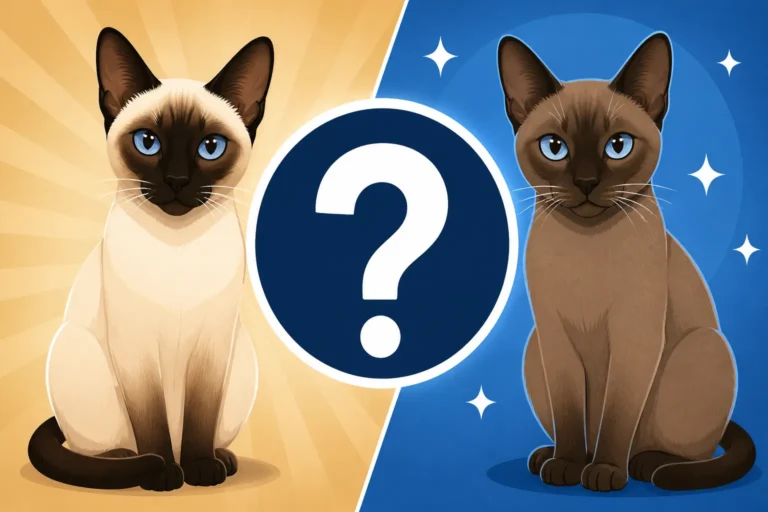
For example, The International Cat Association (TICA) recognized the Thai, initially as the "Traditional Siamese" and later under its current name. The World Cat Federation (WCF) also recognizes the Thai (often called the "Old Style Siamese" or "Wichianmat"). This recognition was a huge victory, as it gave the Thai cat official status and allowed breeders to register their cats, participate in shows (under the Thai standard), and continue their preservation efforts with formal backing. It solidified the fact that while genetically linked, the breeding paths and desired aesthetics had created two truly separate and recognized breeds. Which Registries Recognize the Thai Separately From the Siamese Cat This means that when you see a "Siamese" at a CFA show, it will typically be the modern wedge, while a "Thai" at a TICA show will embody that beautiful, original, rounder-headed look.
Key Differences: Siamese vs. Thai
Now that we've traced their history, let's get down to the practical differences that distinguish a modern Siamese from a Thai cat. While both share that iconic point coloration and a reputation for being vocal and intelligent, their physical forms and subtle behavioral nuances set them apart. Understanding these distinctions is key to appreciating both breeds for their unique qualities.
Head Shape and Facial Features
This is arguably the most striking and immediate difference between the two breeds.
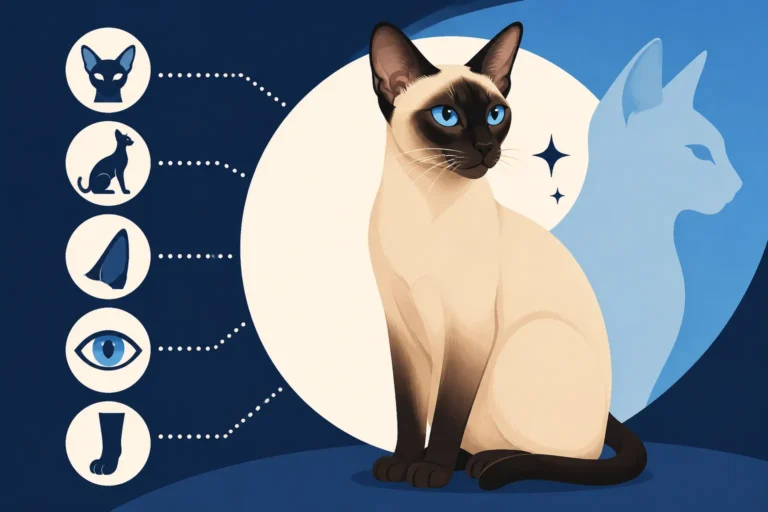
The Modern Siamese is known for its extreme "wedge" head. Imagine an inverted triangle or a long, slender wedge, starting from a wide base at the ears and tapering down gracefully to a fine, delicate muzzle. Their ears are notably large and wide-set, continuing the lines of the wedge. Their eyes are typically almond-shaped and set at a slant, giving them an exotic, somewhat intense expression. When you look at a modern Siamese head-on, you'll see sharp angles and elegant lines. What a Modern Wedge Siamese Cat Looks Like This refined, angular profile is a hallmark of the show-quality modern Siamese.
In contrast, the Thai cat (or Traditional Siamese) boasts a more moderate, rounded, or "applehead" shape. Their head is a gentle wedge, but not extreme, with a noticeable curve to the forehead and cheeks, giving them a softer, more endearing facial expression. Their muzzle is well-defined but not overly pointy. Their ears are medium in size, proportionate to their head, and not as flared as the modern Siamese. The eyes of a Thai cat are more typically round or slightly oval, contributing to their sweet, open gaze. What an Applehead Siamese Cat Looks Like They have a more classic "cat" face, reminiscent of what you'd see in those ancient Siamese illustrations.
Body Type and Build
Beyond the head, the overall body structure also presents clear differentiators.
The Modern Siamese is built for elegance and athleticism. Their bodies are long, slender, and tubular, often described as "svelt" or "fine-boned." They have long, graceful necks and equally long, thin legs, contributing to their tall, lithe appearance. Their tails are whip-like, very thin, and taper to a fine point. When a modern Siamese moves, it's often with a fluid, almost balletic grace. This lean build is part of their iconic image, making them seem almost like feline supermodels.
The Thai cat, on the other hand, exhibits a more robust, cobby, and muscular body. They have a medium build, neither delicate nor overly stocky, with a sturdy frame. Their legs are proportionate to their body, and while they are agile, they don't have the extreme length of the modern Siamese. Their tails are of medium length and thickness, often tapering but not to the fine point seen in their modern counterparts. The overall impression of a Thai cat is one of strength and solidity, a cat that feels substantial and well-muscled when you pick it up – a hark back to the working cats of ancient Siam.
Here's a quick comparison table:
| Feature | Modern Siamese (Wedge) | Thai Cat (Traditional / Applehead) |
|---|---|---|
| Head Shape | Extreme wedge, long, tapering | Rounded, applehead or gentle wedge |
| Ears | Very large, wide-set, flared | Medium-sized, proportionate, not flared |
| Eyes | Almond-shaped, slanted, intense | Round to slightly oval, expressive |
| Body Type | Long, slender, tubular, fine-boned | Medium, robust, muscular, cobby |
| Legs | Long, thin | Proportionate, sturdy |
| Tail | Long, thin, whip-like, tapers to fine point | Medium length, medium thickness, tapers |
| Overall Impression | Elegant, angular, ethereal, refined | Sturdy, classic, robust, natural |
Temperament and Voice Nuances
While both breeds are renowned for their highly interactive personalities and vocal nature, some enthusiasts report subtle differences that can be attributed to their distinct breeding paths and the overall "look" that was prioritized.
Both the Modern Siamese and the Thai cat are incredibly intelligent, curious, and people-oriented. They crave interaction and will often "talk" to their humans constantly, engaging in long, complex conversations. They are known for their distinct, loud voices – often described as a "meezer yowl" or a baby's cry – which can be quite insistent. How Loud a Siamese Cat Is They both thrive on companionship and can suffer from separation anxiety if left alone for too long without sufficient stimulation.
However, some people describe the Modern Siamese as potentially having a more intense or demanding personality, sometimes reflecting their sharp, angular appearance. They are often described as high-energy, constantly on the go, and requiring significant mental and physical engagement. Their vocalizations might be perceived as more piercing or insistent.
The Thai cat, while equally intelligent and communicative, is sometimes described as having a slightly more mellow or easygoing temperament. Their vocalizations, while still very present, might be perceived as a touch softer or more varied in tone. They still form deep bonds and demand attention, but perhaps with a slightly less frantic energy. This could be due to the emphasis in Thai breeding programs on maintaining the overall robust nature, which includes a balanced temperament, rather than solely focusing on extreme aesthetics. Of course, individual personality varies wildly within any breed, and a loving, engaged environment is the most critical factor in shaping any cat's behavior.
The Genetic Picture: Shared Heritage, Divergent Paths
Understanding the split between the Thai and the Siamese cat isn't just about their looks; it's also rooted in their genetics. Both breeds share a common genetic foundation, particularly when it comes to their striking color, but the selective breeding over decades has meant that certain genetic traits have been either preserved or amplified in one line over the other.
The Colorpoint Gene: A Unifying Trait
One of the most captivating and defining features of both the modern Siamese and the Thai cat is their unique colorpoint pattern. This isn't just a coincidence; it's due to a specific genetic mutation that both breeds inherited from their shared Wichianmat ancestors. This mutation affects the enzyme responsible for producing pigment in their fur, making it temperature-sensitive. Which Gene Makes a Siamese Cat's Points
What this means in practice is that the enzyme only works efficiently in cooler areas of the cat's body. That's why their extremities – the "points" like their ears, paws, tail, and face – are darker, as these areas tend to be cooler. The warmer parts of their body, like their torso, remain a lighter cream or white color. This genetic trait is what gives both the modern Siamese and the Thai cat their unmistakable appearance, binding them together as part of the same genetic family, despite their physical divergences. Kittens of both breeds are born entirely white or cream because they were warm in their mother's womb, and their points gradually darken as they are exposed to the cooler ambient temperature of the world.
Health Considerations Across Types
When a breed undergoes intense selective breeding for specific aesthetic traits, there can sometimes be unintended consequences for its overall health profile. This is a point of contention and concern for many breed enthusiasts, and it's relevant to the discussion of Siamese and Thai cats.
Historically, some of the more extreme features of the modern Siamese, particularly the very wedge-shaped head, were sometimes linked to certain respiratory or dental issues, though responsible breeders work diligently to mitigate these risks. The sheer slenderness could also, in some individuals, be perceived as frailty. The breeding focus on a very narrow aesthetic can sometimes lead to a reduction in genetic diversity within certain lines, which theoretically can increase the prevalence of inherited conditions. However, many modern Siamese are wonderfully healthy cats, living long lives, and good breeders prioritize health screenings.
The Thai cat, by design, represents a return to a more natural, robust, and moderate build. The emphasis on the "old-style" look often comes with an inherent belief in preserving a more genetically diverse and resilient cat. Advocates for the Thai cat often highlight its perceived greater robustness and fewer breed-specific health concerns compared to some of the extreme lines of modern Siamese. They aim to breed cats that are healthy, vigorous, and free from issues that might arise from over-typing. Both breeds, of course, can be susceptible to common feline ailments, and good care and genetics are paramount for How Healthy the Siamese Cat Actually Is. It's not a black-and-white issue, but rather a reflection of different priorities in breeding programs.
Breeding Decisions and Ethical Practices
The very existence of the modern Siamese and the Thai cat as distinct breeds underscores the profound impact of breeding decisions. For breeders of both types, ethical practices are absolutely paramount. This means more than just producing beautiful kittens; it means prioritizing health, temperament, and genetic diversity above all else.
Responsible breeders for either the modern Siamese or the Thai cat will conduct health screenings for common feline genetic conditions, track their breeding lines, and ensure their cats are well-socialized and come from healthy stock. They won't breed cats with known serious health issues or extremely poor temperaments. For example, a good breeder will be transparent about the health history of their cattery, including screening for conditions that might affect Siamese cats. What a Siamese Cat Breeder Should Have Screened
For the modern Siamese, ethical breeders focus on achieving the elegant standard while carefully monitoring health and avoiding over-typing that could compromise welfare. For Thai cat breeders, the ethical imperative is often centered around preserving the traditional look and robust health, actively working to maintain genetic diversity and select for sound, healthy individuals that truly embody the ancient Wichianmat. Regardless of which type of cat they breed, the best breeders are transparent, supportive, and committed to the well-being of their animals throughout their lives.
Living with a Thai or a Modern Siamese: What to Expect
So, you've learned about their history and their differences. Now, what does it actually mean to share your home with one of these incredible feline companions? Whether you choose a modern Siamese or a Thai cat, you're bringing a highly intelligent, interactive, and often vocal member into your family. Understanding their needs and personalities is crucial for a happy coexistence.
Choosing the Right Companion
Deciding between a modern Siamese and a Thai cat really comes down to personal preference in terms of aesthetics and, to some extent, perceived temperament.
If you are drawn to the elegant, sleek, and angular beauty of the show ring, with its striking lines and refined appearance, then a Modern Siamese might be the perfect fit for you. Be prepared for a cat that is often described as a whirlwind of energy, highly communicative, and incredibly demanding of your attention. They thrive on constant interaction and mental stimulation.
If, however, you prefer a more robust, "classic" feline look, with a rounder face and a sturdy body that feels more grounded in its ancient heritage, then the Thai cat is likely your ideal companion. You'll still get all the intelligence and vocal prowess, but perhaps with a slightly less frenetic energy, and the satisfaction of knowing you're supporting the preservation of an older, beloved type.
Ultimately, both are magnificent breeds, but understanding these nuances can help you align your expectations with the right cat for your household. Consider visiting both types of cats if possible, to see which physical presence and energy level resonates most with you.
Everyday Life with a Vocal Companion
Regardless of whether you bring home a modern Siamese or a Thai cat, be prepared for a household that is no longer quiet! Both breeds are infamous for their vocal abilities, often engaging in lengthy "conversations" with their owners, expressing their opinions on everything from meal times to the state of the universe. The Siamese Cat Talks and Expects an Answer They have a wide range of vocalizations, from soft trills and chirps to insistent meows and that distinctive, loud yowl.
Living with a vocal cat means acknowledging their communication style. They aren't just making noise; they are genuinely trying to interact with you. Be ready to "talk back," respond to their calls, and engage them. Ignoring them completely can sometimes lead to more persistent vocalizations or even frustration on their part. These cats thrive on being involved in your daily life, following you from room to room, supervising your activities, and demanding to be a part of whatever you're doing. They are not content to be mere decorations; they are active participants in the family dynamic.
Beyond their voices, both types are incredibly intelligent and curious. They need mental stimulation as much as physical play. This means puzzle feeders, interactive toys, and training sessions are all excellent ways to keep their sharp minds engaged. A bored Siamese or Thai cat can become destructive, so providing plenty of enrichment is essential. Regular play sessions, ideally twice a day, will help burn off their boundless energy and strengthen your bond.
Where to Find a Reputable Breeder or Rescue
Once you've decided which type of cat calls to you, the next step is finding a reputable source. This is crucial for ensuring you bring home a healthy, well-socialized kitten or adult cat.
For either a Modern Siamese or a Thai cat, you should seek out breeders who are transparent, knowledgeable, and genuinely care for their animals. Look for breeders who:
- Are registered with major cat associations relevant to their breed (e.g., CFA for Modern Siamese, TICA for Thai).
- Can provide health clearances for the parents and discuss the health history of their lines.
- Are willing to answer all your questions, even the tough ones.
- Keep their kittens in a clean, stimulating home environment, not in cages.
- Socialize their kittens from a young age, exposing them to household sounds and people.
- Don't allow kittens to leave before 12-16 weeks of age, ensuring they are fully weaned and socialized.
- Have a clear contract and offer support after you bring your kitten home.
Avoid breeders who seem vague about health, offer multiple breeds, sell kittens too young, or refuse to let you see where the kittens are raised. Always remember that a lower price can often indicate corners being cut on health or proper care.
If you're open to an adult cat, rescue organizations are a fantastic option. Many wonderful Siamese and Thai cats, or mixes thereof, find themselves in shelters through no fault of their own. Websites like Chewy's adoption service often partner with local rescues, making it easier to search for specific breeds in your area. Why So Many Siamese Cats End Up in Rescue An adult cat from a rescue often comes with the benefit of a known personality and temperament, which can be a huge advantage. Regardless of where you find your new family member, a thorough vetting process and commitment to responsible pet ownership will ensure a joyful and long-lasting companionship.
Disclaimer
This article is for general informational purposes only and does not constitute professional advice. Laws, prices and regulations vary by location and change over time. Consult a qualified professional for guidance on your specific situation.