What the Wichianmat Behind the Siamese Cat Is
When we talk about Siamese cats today, most of us picture a sleek, elegant feline with piercing blue eyes and a voice that demands attention. But what if I told you the story of your beloved Meezer starts much further back, with an ancient cat from Siam known as the "Wichianmat"? It's a name that often gets lost in translation or overlooked entirely, yet it’s absolutely central to understanding the true origins and unique characteristics of this extraordinary breed. This guide will dive deep into the history and heritage of the Wichianmat, revealing how this foundational cat shaped the Siamese we know and love.
Unpacking the Meaning of "Wichianmat"
The name "Wichianmat" itself holds a fascinating clue to the Siamese cat's ancient origins and revered status. It’s not just a generic term; it carries a specific and beautiful meaning in Thai, which directly describes the cat's distinctive appearance. Understanding this translation helps us appreciate why these cats were so prized in their homeland centuries ago.
The Direct Translation from Thai
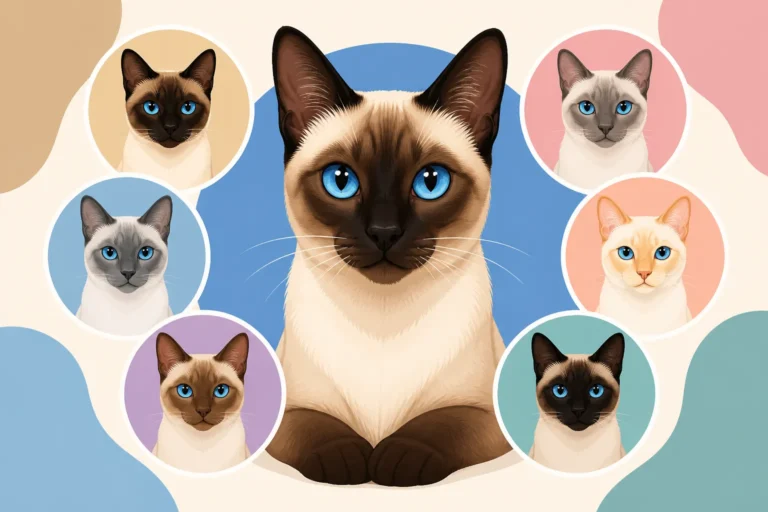
"Wichianmat" literally translates from Thai as "moon diamond" or "diamond moon." Isn't that just a gorgeous image? It conjures up something precious, sparkling, and ethereal, which perfectly fits the mystical aura these cats held. This isn't just a fanciful label; it's a descriptor that highlights the striking contrast of their light-colored bodies against their darker "points"—the ears, face, paws, and tail. Imagine seeing these cats in ancient Siam, their light coats gleaming like the moon, accented by the darker, diamond-like points. It's a poetic way to describe their unique genetic trait.
This name reflects a time when cats were deeply integrated into Thai culture and mythology. They weren't just pets; they were living treasures, often associated with royalty and sacred spaces. The beauty implied by "moon diamond" suggests a cat held in high esteem, something truly special, not just another barn cat. This reverence is key to understanding Where the Siamese Cat Comes From and its early development.
The Significance of the Name for the Breed
The "moon diamond" descriptor isn't just about aesthetics; it's about identity. It establishes the Wichianmat as a distinct and recognized type of cat long before Western breeders ever laid eyes on them. It tells us that the Thais themselves identified and valued the specific color pattern that defines what we now call a Siamese. It wasn't a pattern that emerged by accident; it was an inherent characteristic that made them stand out.
This name also implies a consistent breed type, rather than just a random collection of cats. For centuries, the Wichianmat was bred true, passing down its unique coloration and perhaps other characteristics. This consistency is what allowed them to become the foundation stock for the Siamese breed as it was later developed in the West. Without this clear recognition and preservation in Siam, the Siamese cat as we know it might never have come to be. It grounds the breed in a rich cultural and genetic history.
The Historical Roots in Ancient Siam
To truly appreciate the Wichianmat, we need to transport ourselves back to ancient Siam, the kingdom now known as Thailand. This wasn't just any kingdom; it was a land rich in tradition, spirituality, and a deep connection to its animals. The cats we now call Siamese didn't just appear overnight; they were part of the very fabric of Siamese society for centuries.
Evidence from the Tamra Maew Manuscripts
Our best glimpse into the ancient Wichianmat comes from the Tamra Maew, or "Cat-Book Poems." These incredible manuscripts, often dating back hundreds of years, are treasure troves of information about various native Thai cat breeds. They describe, illustrate, and even provide poems about different types of cats, detailing their appearances, characteristics, and even their auspicious qualities. And guess what? The Wichianmat is prominently featured among them.
The descriptions in the Tamra Maew provide detailed accounts of the Wichianmat's physical traits, including its distinct point coloration. These ancient texts confirm that the "moon diamond" cat was not only recognized but meticulously documented. They also hint at the special status these cats held, often depicted alongside other prized animals and symbols of prosperity. Reading through What the Tamra Maew Manuscripts Show About the Siamese Cat gives you a real sense of the historical weight behind these felines. It's truly incredible to think that the ancestors of your modern Siamese cat were celebrated in such intricate detail centuries ago, long before they ever journeyed to Europe or America.
The Royal and Temple Connections
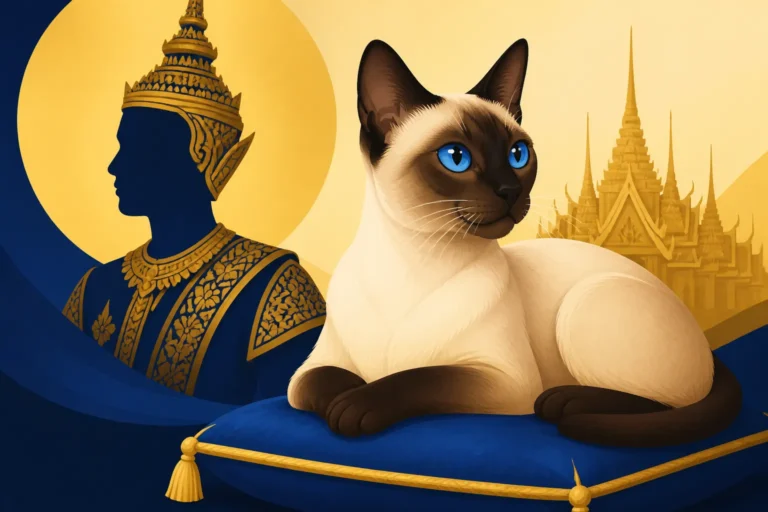
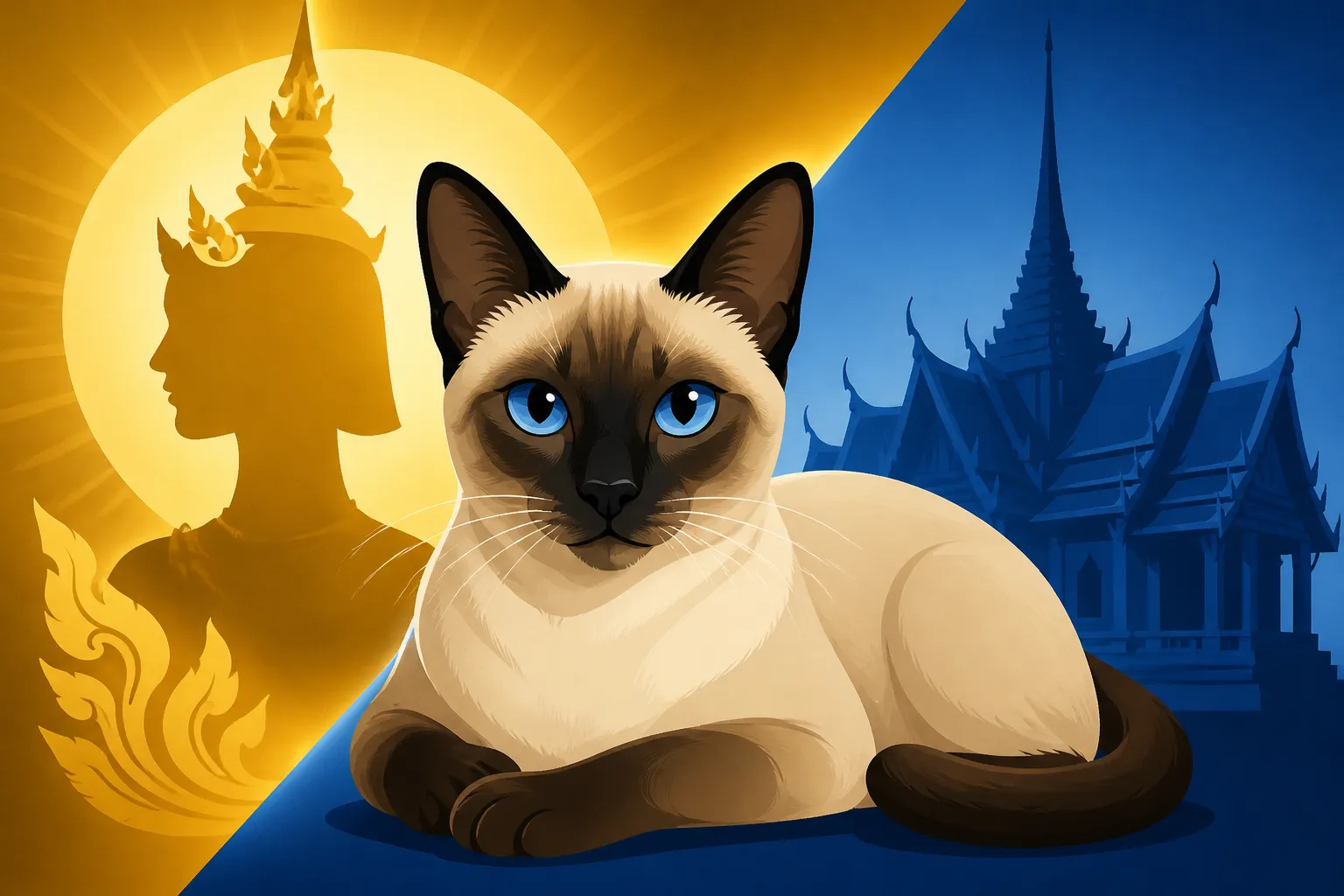
It’s not just old poems; historical accounts and legends often link the Wichianmat to the Siamese royal family and Buddhist temples. These weren't common street cats; they were considered sacred, symbols of good fortune, and companions to the elite. Imagine these elegant cats roaming the opulent halls of palaces or the serene grounds of temples, their striking appearance adding to their mystique.
Some legends even claim these cats guarded temples or accompanied monks, their watchful eyes and alert nature perfectly suited for such roles. There's a persistent tale that they were kept by royalty to guard valuable treasures, a myth that perhaps explains The Temple Legends Behind a Siamese Cat's Kinked Tail. While it's hard to separate fact from legend entirely, the widespread belief that these cats were special, set apart from others, speaks volumes. This elevated status undoubtedly contributed to their preservation and careful breeding over generations, ensuring the "moon diamond" lineage continued. It wasn't just about beauty; it was about prestige and spiritual connection.
Physical and Temperamental Traits of the Wichianmat
So, what exactly did these ancient "moon diamond" cats look and act like? While centuries have passed and breeding practices have evolved, the core essence of the Wichianmat likely laid the groundwork for many of the traits we recognize in today's Siamese. They were, in many ways, the original blueprint.
Appearance of the Ancestral Cat
Based on the Tamra Maew and early descriptions from visitors to Siam, the Wichianmat was generally a medium-sized cat with a sleek, muscular body. Unlike the extremely slender, wedge-headed Siamese we often see in shows today, the ancestral Wichianmat likely had a more moderate, balanced build. Think of a cat that was agile and robust, perfectly suited for its environment. Its head was probably more rounded or "applehead" in shape, with ears that were still large and expressive but not quite as dramatically flared as some modern lines.
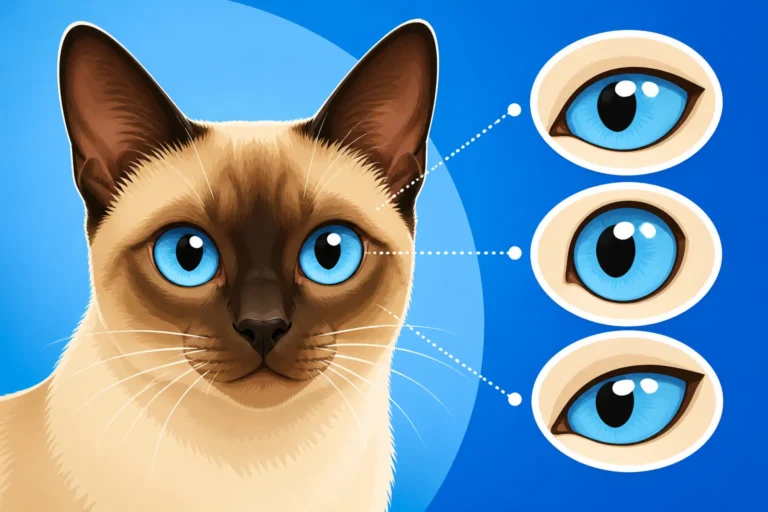
Of course, the most defining feature was its point coloration. A light body contrasting with dark points on the face, ears, paws, and tail. Their eyes were, without a doubt, blue—a characteristic that is inextricably linked to the point gene. Why a Siamese Cat Has Blue Eyes at All explains the science behind this fascinating trait. Their coat was short, fine, and lay close to the body, requiring minimal grooming, something any busy royal or monk would appreciate. It's this combination of elegance and natural robustness that defines the original "moon diamond" cat.
Temperament and Personality
One thing seems to have remained remarkably consistent from the Wichianmat to the modern Siamese: their captivating personality. These were not aloof, independent creatures. The Wichianmat was known for being intelligent, curious, and incredibly vocal. They were cats that demanded interaction and formed strong bonds with their human companions. This is perhaps why they were so valued by royalty—they were not just decorative but interactive and engaging.
Their intelligence would have made them highly trainable, able to navigate complex environments or even learn simple tricks, which aligns with How Trainable a Siamese Cat Really Is. Their vocalizations, often described as a distinctive "yowl" or a range of conversational meows, were likely a characteristic passed down through generations. These were cats that communicated their needs and desires, making them dynamic and unforgettable companions. This strong personality is a hallmark of the breed and something that continues to charm and sometimes challenge Siamese owners today.
The Evolution from Wichianmat to Modern Siamese
The journey from the ancient Wichianmat to the modern Siamese cat we see gracing cat shows and homes today is a fascinating tale of selective breeding, changing aesthetic preferences, and ultimately, a split into different styles. It’s a story that highlights how human intervention can subtly (or not so subtly) reshape a breed over time.
The Role of Early Western Breeders
When the Wichianmat cats first arrived in the West in the late 19th century, they immediately captured hearts and imaginations. British and American breeders were enchanted by their exotic looks and engaging personalities. However, like with many imported breeds, Western breeders began to refine the Wichianmat, selecting for traits they found particularly appealing or unique. This often meant emphasizing certain features to create a more "distinctive" or "elegant" look, pushing the breed standard in a new direction.
Early photographs and descriptions of these imported cats show them to be quite similar in build to the original Wichianmat – what we now might call "traditional" or "applehead" Siamese. They had a sturdy, well-muscled body, a rounder head, and still possessed those captivating blue eyes and dark points. These initial efforts aimed to stabilize the breed in its new environment and establish a formal breed standard, laying the groundwork for what would become the internationally recognized Siamese cat. You can trace this progression through articles like How the Applehead Siamese Cat Became the Wedge.
The Shift Towards the "Wedge" Type
Over the 20th century, particularly from the mid-century onwards, a significant shift occurred in Siamese breeding. Breeders began to favor a more extreme, svelte appearance. This led to the development of the "modern" or "wedge-head" Siamese, characterized by an incredibly long, tubular body, long slender legs, large, wide-set ears forming a distinct wedge with the head, and a much more elongated face. This striking, almost angular silhouette became the dominant ideal in the show ring.
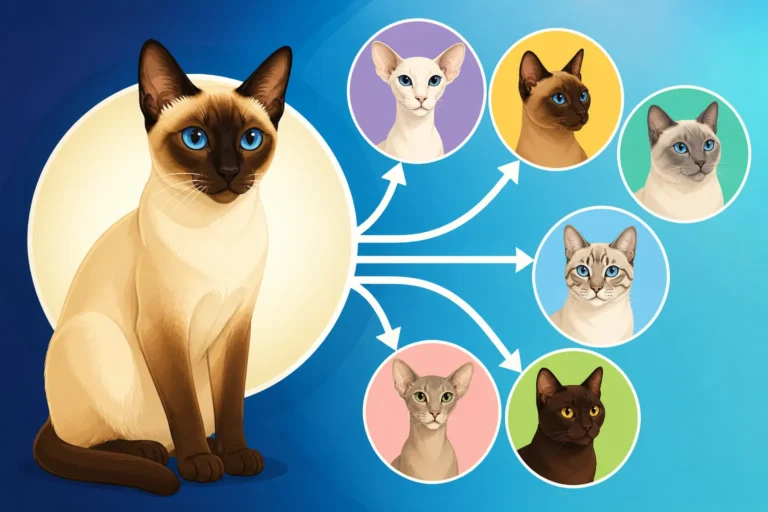
This selective breeding created a cat that looked very different from its Wichianmat ancestors. While still possessing the iconic point coloration and vocal personality, the physical form was dramatically altered. This divergence led to the recognition of separate "types" within the breed, with some enthusiasts preferring the more moderate "applehead" or "traditional" look reminiscent of the original Wichianmat, and others championing the "modern wedge." Understanding this evolution is crucial to appreciating the full spectrum of Siamese cats, and it's why you often hear people refer to Whether the Traditional Siamese Cat Still Exists or What the Thai Cat Is Next to a Siamese Cat as distinct but related breeds.
A Table of Comparison: Wichianmat vs. Modern Siamese Traits
To help visualize these changes, here’s a comparison of what we understand about the ancestral Wichianmat and the characteristics of the modern, show-style Siamese cat:
| Feature | Ancestral Wichianmat (Traditional) | Modern Siamese (Wedge) |
|---|---|---|
| Body Type | Medium, muscular, sturdy, well-proportioned | Long, sleek, tubular, extremely svelte |
| Head Shape | Rounded to "applehead," often with a slight muzzle | Long, tapering wedge, straight profile from forehead to nose, pointed muzzle |
| Ears | Large, set high, in proportion to the head | Very large, wide-set, continuing the wedge shape of the head |
| Eyes | Deep, vivid blue, often slightly almond-shaped, sometimes crossed | Deep, vivid blue, almond-shaped, slanted towards the nose |
| Legs | Medium length, sturdy | Long, slender, elegant |
| Tail | Medium to long, tapering, possibly with a kink | Long, thin, whip-like, tapering to a fine point (kinks are considered a fault) |
| Coat | Short, fine, close-lying | Very short, fine, close-lying |
| Temperament | Intelligent, vocal, affectionate, active, interactive | Highly intelligent, extremely vocal, demanding, intensely affectionate, very active |
This table clearly illustrates the physical journey the breed has taken, while often retaining that core, captivating personality.
The Cultural Significance of the Wichianmat
Beyond its physical attributes and genetic legacy, the Wichianmat held a deep and enduring cultural significance in its native Siam. These cats weren't just animals; they were woven into the tapestry of the country's beliefs, legends, and daily life. Their prestige shaped how they were treated and ultimately, how they came to be recognized globally.
Auspicious Omens and Royal Companions
In ancient Siam, the Wichianmat was considered a bringer of good luck and a symbol of prosperity. This belief system meant they were often treated with immense respect and care, far more than typical domestic cats. Owning a Wichianmat was a mark of status, indicating wealth, good fortune, and even spiritual connection. They were cherished companions of kings, queens, and high-ranking officials, often depicted in royal art and literature.
Their presence in royal courts wasn't merely decorative. It's believed they had a role in spiritual ceremonies, perhaps serving as living vessels for ancestral spirits or being involved in rituals designed to bring good fortune to the kingdom. This deep reverence ensured that these cats were protected and their lineage maintained, preventing them from being bred indiscriminately. This level of care and selective breeding for specific traits helped to solidify the Wichianmat as a distinct and prized breed, paving the way for the Siamese cat's future. For instance, you could find special items for them, much like how today we might seek out premium cat food or luxury beds from retailers like Chewy for our pampered pets.
Legends and Mythology
The Wichianmat is famously tied to several enchanting legends that explain some of the breed's most iconic, albeit sometimes quirky, features. These stories, passed down through generations, speak to the imaginative and profound connection the Siamese people felt with these cats. One such legend recounts how Siamese cats were tasked with guarding sacred temple vases. To ensure the vases wouldn't fall, the cats are said to have wrapped their tails around the bases, causing them to develop kinks. Meanwhile, their intense focus on the vases supposedly led to their eyes crossing.
While charming and memorable, these legends highlight how deeply these cats were embedded in the cultural imagination. They weren't just observed; their unique traits were explained through storytelling that imbued them with purpose and nobility. These tales also explain Why a Siamese Cat's Eyes Cross and Its Tail Kinks and contributed to the breed's mystique, making them even more desirable when they eventually made their way to the Western world. These stories weren't just cute anecdotes; they were part of the very identity of the Wichianmat.
Modern Day Echoes of the Wichianmat
Even with the evolution of the Siamese breed, the spirit and core characteristics of the Wichianmat continue to echo through their modern descendants. While the physical appearance may have changed, many of the behavioral traits and the fundamental appeal remain strongly linked to these ancient "moon diamond" cats.
The Enduring Personality Traits
One of the most striking continuities is the personality. Whether you have a traditional Applehead or a modern Wedge, a Siamese cat is almost universally known for being highly intelligent, vocal, and incredibly social. They are not content to be mere background pets; they want to be involved in everything you do. This intense engagement is a direct legacy of their Wichianmat ancestors, who were valued for their interactive nature. The "talkative" trait, that distinctive Siamese yowl, is something many owners cherish (and sometimes tolerate!).
Their need for companionship and stimulation is also a direct callback to their origins. A bored Siamese can be a mischievous Siamese, and their intelligence means they require mental enrichment. You’ll often find owners investing in puzzle feeders and engaging toys, perhaps even ordering them from Chewy, to keep their clever cats occupied. This deep desire for interaction and mental stimulation is why What a Siamese Cat's Temperament Is Really Like often highlights their strong bond with humans.
Preserving the Traditional Lineage
While the modern wedge-head Siamese dominates the show rings, there has been a growing movement among some breeders and enthusiasts to preserve the more traditional, moderate-bodied Siamese, often referred to as the "Thai" cat or "Old-Style Siamese." These cats more closely resemble the original Wichianmat in their overall build and head shape, embodying the balanced elegance of their ancestors.
These efforts are a recognition of the Wichianmat's historical significance and a desire to maintain the genetic diversity and original look of the breed. By focusing on a less extreme conformation, these breeders aim to produce cats that are closer to the "moon diamond" cats described in the Tamra Maew centuries ago. This ensures that the legacy of the Wichianmat continues, not just as a historical footnote, but as a living, breathing connection to the ancient past. For any potential owner curious about this lineage, researching reputable breeders who prioritize the original Wichianmat characteristics is a fantastic way to connect with this incredible history. Just like sourcing quality cat supplies, such as a sturdy cat tree or premium litter from a trusted vendor like Chewy, finding the right breeder is paramount.
Disclaimer
This article is for general informational purposes only and does not constitute professional advice. Laws, prices and regulations vary by location and change over time. Consult a qualified professional for guidance on your specific situation.