How Common Amyloidosis Is in Siamese Cats
It’s a deeply unsettling feeling to know that your beloved Siamese cat, with their striking blue eyes and insistent chatter, might be carrying a silent, insidious threat within their very genes. For many Siamese owners, the worry of amyloidosis looms large, a condition that can unexpectedly and tragically cut short the vibrant life of these incredible felines. This guide aims to shed light on how common amyloidosis truly is in Siamese cats, giving you a clearer picture of this challenging disease and empowering you with knowledge.
Understanding Amyloidosis: What Exactly Is It?
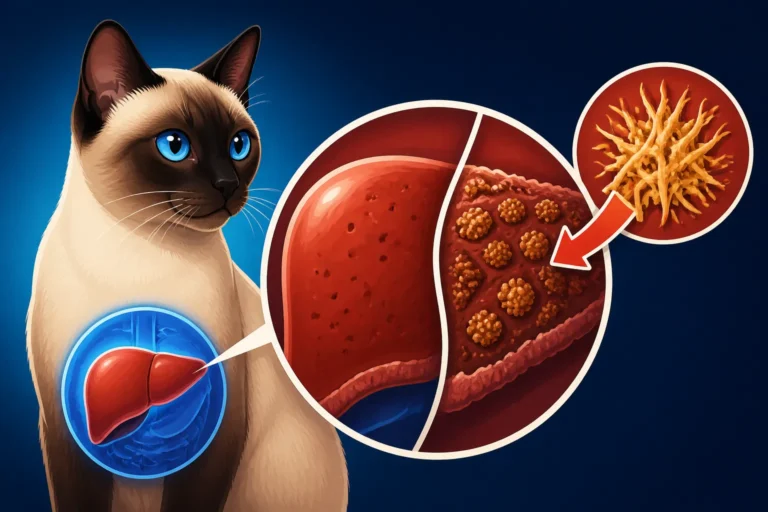
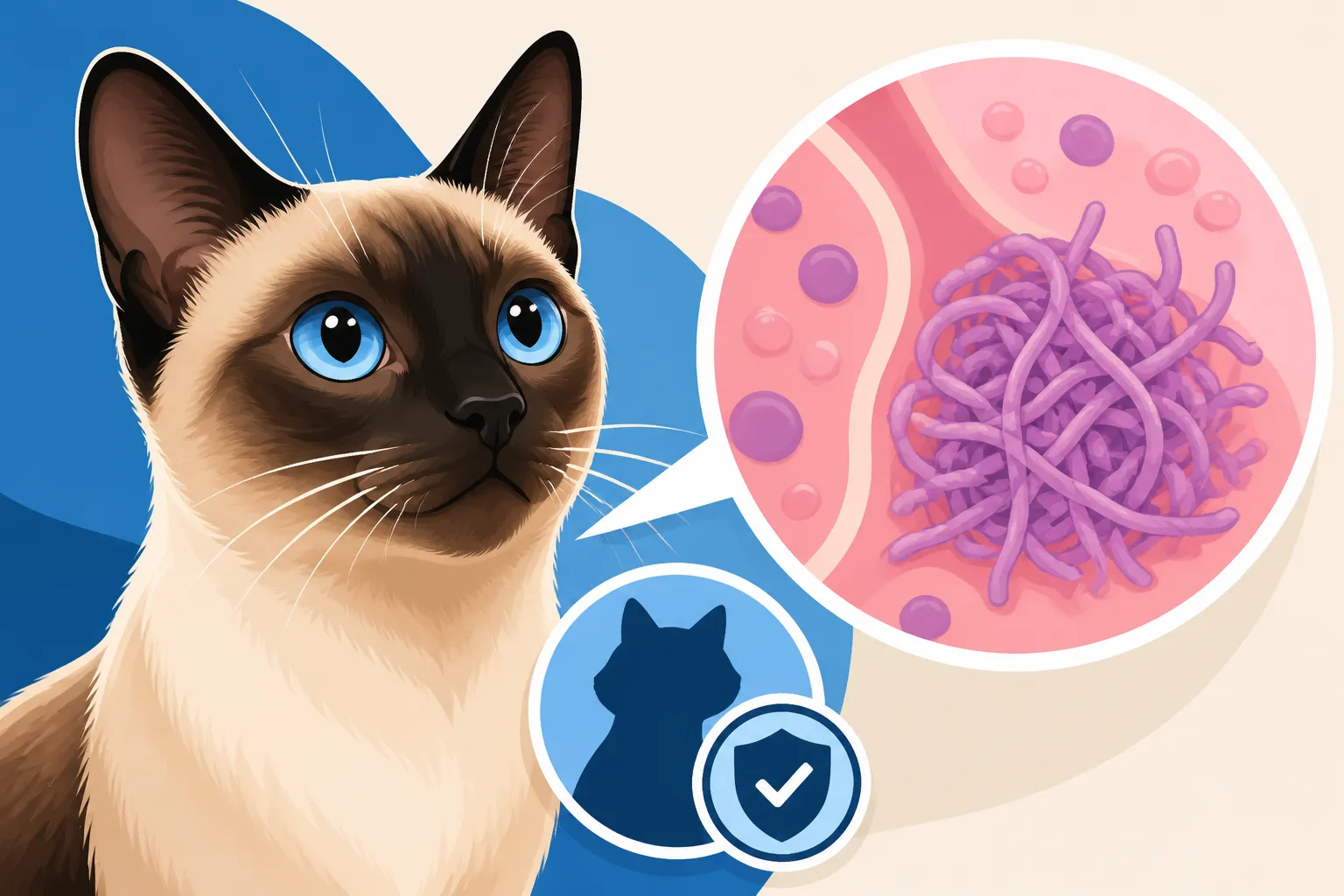
When we talk about amyloidosis, it’s easy for the term to sound like complex medical jargon, but at its heart, it’s a problem of rogue proteins. Imagine tiny, misfolded protein fragments that, instead of being properly broken down and eliminated by the body, start clumping together. These clumps, known as amyloid, then deposit themselves in various organs, disrupting their normal function. For Siamese cat owners, this isn't just a clinical definition; it's a potential heartbreak, knowing these deposits can lead to organ failure.
The Protein Buildup That Harms Organs
Amyloid protein isn't a normal, healthy protein that the body uses. Instead, it’s usually an abnormal version of a common blood protein called serum amyloid A (SAA). In a healthy cat, SAA plays a role in inflammation, and once its job is done, it's cleared away. However, in cats predisposed to amyloidosis, SAA misfolds and accumulates, becoming insoluble. This sticky, fibrous material begins to invade and infiltrate the delicate tissues of organs like the liver and kidneys.
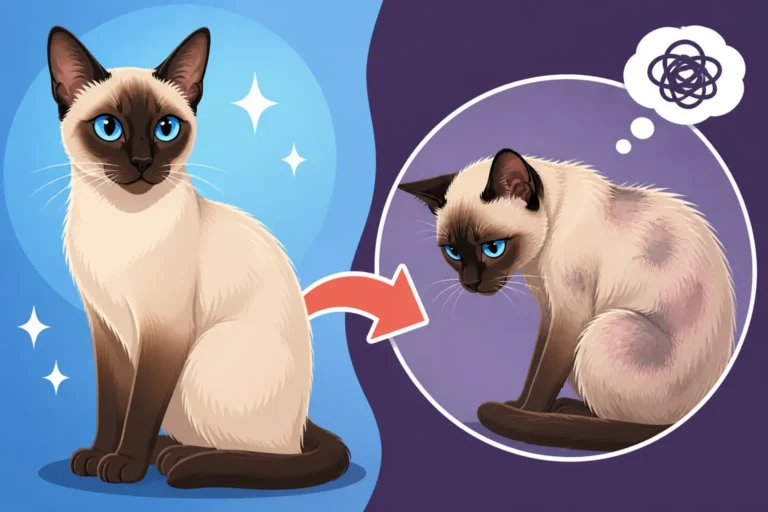
As these amyloid deposits build up, they slowly but surely choke the life out of the affected organ. They act like microscopic intruders, pushing aside healthy cells and interfering with blood flow and nutrient exchange. Over time, the organ becomes rigid, enlarged, and loses its ability to perform its vital functions. This slow, relentless takeover often goes unnoticed in its early stages, which is part of what makes it such a formidable adversary for Siamese cats and their families. It’s a truly frustrating aspect of the disease, as you often don't see anything wrong until significant damage has occurred.
Why Siamese Cats Are Uniquely Vulnerable
It’s a sad reality that Siamese cats, along with a few other breeds like Abyssinians and Orientals, carry a genetic predisposition to develop amyloidosis. This isn't just bad luck; it’s a specific inherited trait that makes their bodies more likely to produce and deposit these harmful amyloid proteins. While any cat breed can theoretically develop amyloidosis, it is the systemic form, particularly affecting the liver, that tragically targets Siamese cats with an alarming frequency.
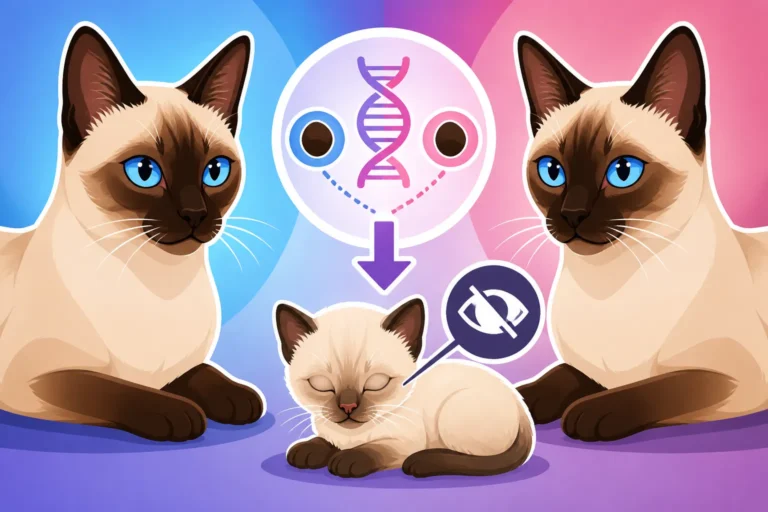
This genetic vulnerability means that the inflammatory response, which should be a protective mechanism, can inadvertently trigger the production of the abnormal SAA protein. It’s like their immune system, in trying to do its job, sometimes creates the very building blocks for this destructive disease. Breeders and owners are often left feeling helpless, as this genetic link makes it an issue that permeates entire family lines, even if individual cats appear perfectly healthy for years. This inherent susceptibility makes the disease a constant, underlying concern for anyone who cherishes a Siamese.
The Prevalence of Amyloidosis in the Siamese Breed
When you’re grappling with the thought of amyloidosis, one of the first questions that often comes to mind is, "How common is it, really?" It’s a valid question, born from a desire to understand the true risk your beloved feline faces. The unfortunate truth is that while precise, universally agreed-upon statistics can be elusive due to diagnostic challenges, all evidence points to amyloidosis being significantly more prevalent in Siamese cats than in the general cat population. It’s not a rare disease within the breed; it's a recognized genetic concern.
The Statistical Reality: More Common Than We'd Like
While it's hard to put an exact percentage on it that applies to every single Siamese cat globally, studies and anecdotal evidence from veterinarians and breeders indicate that amyloidosis is a significant health concern for the breed. Some reports suggest that a substantial number of Siamese cats carry the genetic predisposition, and a portion of those will eventually develop the clinical disease. We're not talking about a one-in-a-million chance; we're talking about a genuine, elevated risk that breeders and owners must acknowledge. This is precisely why it’s so important to be vigilant about any subtle changes in your Siamese cat’s health.
The challenge in pinning down precise prevalence lies in the nature of the disease itself. As we'll discuss, it's often a silent killer, with many cases only diagnosed definitively post-mortem after a sudden and tragic event, like a ruptured liver. This means that many cases might go undiagnosed or be attributed to other causes, artificially lowering the reported incidence. Despite these diagnostic hurdles, the consensus within the veterinary community is clear: Siamese cats have a significantly higher risk of developing systemic amyloidosis compared to the broader feline population, making it a critical health topic for anyone dedicated to the breed.
Which Siamese Lines Are Most Affected
Given its inherited nature, amyloidosis isn't evenly distributed across all Siamese cats. Instead, it tends to concentrate within specific family lines. Think of it like a persistent shadow following certain pedigrees. This means that cats from lines where amyloidosis has been identified in parents, grandparents, or siblings are at a much higher risk. Responsible breeders are acutely aware of this, often going to great lengths to track family histories and avoid breeding cats from affected lines, though this is incredibly difficult without a definitive genetic test.
The lack of a specific DNA test for Siamese cat amyloidosis is a major hurdle. Breeders are left relying on health records, pedigree analysis, and open communication within the breeding community to identify potentially risky lines. This collective effort, however imperfect, is crucial in trying to mitigate the spread of the disease. For owners of a new kitten, asking about the health history of the kitten's ancestors, particularly concerning any unexplained sudden deaths or chronic illnesses like kidney or liver issues, can offer some insight, though it's never a guarantee. Understanding Why Siamese Cat Amyloidosis Is Inherited is key to appreciating this challenge.
Here's a simplified look at the comparative prevalence:
| Factor | General Cat Population | Siamese Cats (and related breeds) |
|---|---|---|
| Overall Risk | Low to very low | Significantly elevated |
| Primary Organs | Kidneys (often secondary to other diseases) | Liver, Spleen, sometimes Kidneys (systemic primary) |
| Genetic Link | Generally not a primary factor | Strong, inherited predisposition |
| Diagnosis Ease | Often incidental finding | Challenging, frequently post-mortem |
Recognizing the Silent Threat: Early Signs and Diagnosis Challenges
One of the most agonizing aspects of amyloidosis for Siamese cat owners is its insidious nature. It doesn't often announce its presence with clear, unmistakable symptoms in the early stages, leaving you in the dark as damage quietly progresses. This "silent threat" characteristic makes it incredibly difficult to catch before it becomes severe, leading to much frustration and heartache.
The Insidious Nature of the Disease
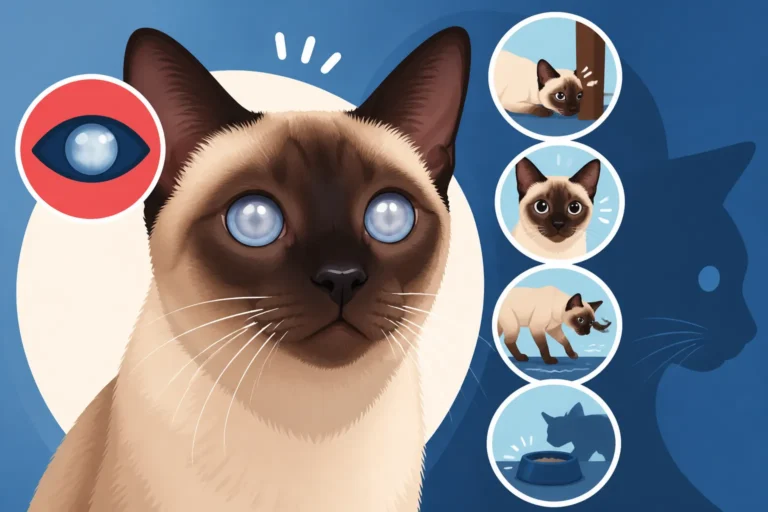
Amyloidosis, particularly the form that affects Siamese cats, often progresses without obvious fanfare. The amyloid deposits gradually accumulate, slowly impairing organ function. Many cats show no outward signs until the disease is quite advanced, or even until a sudden, catastrophic event occurs, such as a liver rupture. When symptoms do appear, they can be vague and non-specific, easily mistaken for other, less serious conditions. Things like a slight decrease in appetite, a bit less energy, or subtle weight loss might be the only clues, and these are often dismissed as normal aging or minor ailments.
The primary target organs in Siamese cats are the liver and, less commonly, the kidneys. When the liver is affected, cats might show signs of jaundice (yellowing of the skin or eyes), increased thirst, or vomiting. However, these are often late-stage indicators. It’s devastating to realize that by the time these more noticeable symptoms manifest, the organ damage is already extensive. This is why understanding Which Organs Amyloidosis Hits in a Siamese Cat is so crucial for any Siamese owner. The heartbreaking reality is that many Siamese cats with amyloidosis seem perfectly healthy one day and are critically ill the next, often with little to no prior warning.
The Frustrating Path to Diagnosis
The difficulty in diagnosing amyloidosis in living Siamese cats cannot be overstated, and it’s a source of immense frustration for both owners and veterinarians. Because early symptoms are often absent or non-specific, and the amyloid deposits themselves are microscopic, a definitive diagnosis is incredibly challenging. Routine blood work might show elevated liver enzymes or kidney values, but these are general indicators of organ stress and don’t specifically point to amyloidosis.
Diagnostic tools like ultrasound can sometimes reveal an enlarged or abnormal-looking liver or kidneys, which might raise suspicion. However, an ultrasound cannot definitively identify amyloid deposits. For a conclusive diagnosis, a biopsy of the affected organ is usually required. This involves taking a small tissue sample and examining it under a microscope for the characteristic amyloid staining. The problem is, a liver biopsy in a cat with advanced amyloidosis can be risky, especially if the liver is already fragile or if the cat has developed clotting issues due to liver dysfunction. This catch-22 situation—needing a biopsy for diagnosis but facing risks due to the disease—makes the diagnostic path particularly heartbreaking. Many owners only get a definitive answer, tragically, after their beloved cat has passed away, explaining Why Siamese Cat Amyloidosis Is Usually Found After Death. Even when suspicions are high, determining Whether an Ultrasound Finds Siamese Cat Amyloidosis definitively is a question many struggle with.
Living with the Risk: Prevention and Management
Understanding the risk of amyloidosis in your Siamese cat is the first step, but what can you actually do about it? While a complete prevention strategy remains elusive due to the genetic nature of the disease, there are vital considerations for responsible breeding and proactive care that can make a difference in managing this challenging condition. It's about being informed and taking all possible steps to safeguard your beloved feline.
The Role of Responsible Breeding
For any prospective Siamese cat owner, or current owner considering getting another, responsible breeding practices are the cornerstone of reducing the incidence of amyloidosis. Breeders who are truly dedicated to the health of the breed will meticulously track the health and longevity of their cats’ ancestors, looking for any unexplained, sudden deaths or chronic liver/kidney issues that might suggest amyloidosis in the lineage. This transparency and diligence are absolutely critical, especially because there is no specific DNA test available to identify carriers or affected cats before clinical signs appear. As we discussed, Why There Is No Siamese Cat Amyloidosis Gene Test is a significant barrier.
Prospective owners should engage in thorough discussions with breeders, asking specific questions about any history of amyloidosis in their lines. A reputable breeder will be open about health challenges within the breed and their efforts to mitigate them. While no breeder can guarantee a cat will never develop amyloidosis, choosing a kitten from lines with a documented history of health and longevity, and where breeders are actively working to avoid potential genetic predispositions, is your best bet. Supporting such ethical breeders helps to slowly chip away at the prevalence of this disease in the long run.
Supportive Care and Monitoring for Your Siamese
Even with the best breeding practices, the genetic predisposition to amyloidosis means that lifelong vigilance is important for Siamese cat owners. This isn't about constant worry, but about proactive, supportive care that can potentially improve quality of life and possibly even extend it, particularly if the disease is caught in earlier, less severe stages. Regular veterinary check-ups are paramount, ideally twice a year for older cats. These visits should include comprehensive physical exams and routine blood work, including liver and kidney panels, to monitor for any subtle changes.
Beyond vet visits, paying close attention to your Siamese's daily habits is key. Any changes in appetite, water intake, urination patterns, energy levels, or behavior should prompt a call to your vet. While these signs are often vague, they are the only clues we have. Maintaining a high-quality, balanced diet rich in protein and adequate hydration is always beneficial for overall feline health. Providing a low-stress environment is also important, as chronic stress can potentially contribute to inflammatory processes. For managing the financial burden that comes with chronic health conditions like amyloidosis, if and when they arise, considering pet insurance like Healthy Paws from a young age can be a wise decision. They can help cover unexpected vet bills, allowing you to focus on getting your Siamese the best possible care without added financial strain. While there's no cure, supportive treatments aimed at managing symptoms and supporting organ function can make a significant difference in how long a Siamese cat lives after an amyloidosis diagnosis and their overall comfort.
Disclaimer
This article is intended for informational purposes only and does not constitute veterinary advice. Always consult with a qualified veterinarian for any health concerns or before making any decisions about your pet's care.