Which Organs Amyloidosis Hits in a Siamese Cat
One of the most devastating realities for Siamese cat owners is the shadow of amyloidosis, an insidious disease that can strike without warning, often leaving families heartbroken and blindsided. Understanding exactly which vital organs are targeted by this condition is absolutely crucial for any Siamese cat parent, not only to recognize potential symptoms but also to grasp the profound impact it can have on their beloved feline companion's health and longevity. This guide aims to shed light on the primary battlegrounds for amyloid deposits within your Siamese cat's body.
Understanding Amyloidosis in Siamese Cats: A Silent Threat
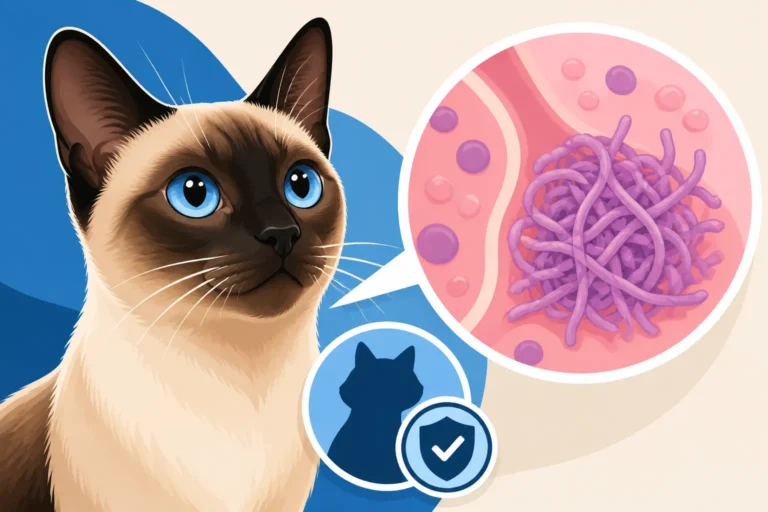
Amyloidosis is a truly heartbreaking condition that involves the buildup of an abnormal protein called amyloid in various tissues and organs. While it can affect many species, including humans, it holds a particularly cruel grip on certain cat breeds, and our vocal, intelligent Siamese friends are tragically high on that list. This isn't just any protein buildup; it's a misfolded protein that the body can't properly break down or eliminate, leading to a relentless accumulation that eventually chokes the life out of healthy tissues.
What Exactly Is Amyloidosis?
Imagine your body's cells working like a bustling factory, producing all sorts of proteins for different functions. Most of the time, this process runs smoothly, with proteins folding into their correct shapes to do their jobs. But sometimes, things go awry. In amyloidosis, specific proteins misfold and, instead of being discarded, they form insoluble fibrils. These fibrils then deposit outside the cells, essentially gumming up the works. Over time, as more and more amyloid builds up, it physically interferes with the normal function of the affected organ. It's like sludge slowly clogging a finely tuned engine, making it less efficient until it eventually grinds to a halt.
For Siamese cats, the specific type of amyloidosis is often referred to as familial or hereditary amyloidosis, meaning there's a genetic component that makes them predisposed. This isn't something they catch from another cat or a particular food; it's something coded within their very DNA. Knowing this underscores the importance of understanding the breed's genetic vulnerabilities. If you're wondering how common this insidious disease truly is in Siamese cats, it's more prevalent than many owners realize, making awareness even more vital.
Why Siamese Cats Are Susceptible to This Condition
It's a bitter pill to swallow, but the genetic lineage of Siamese cats unfortunately makes them particularly prone to developing amyloidosis. While research is ongoing to pinpoint the exact genetic markers, it's widely accepted that a specific mutation or combination of genes passed down through generations increases their risk. This isn't a random occurrence; it's an inherited predisposition, a cruel twist of fate for a breed known for its robust health and long lifespans. Breeders who are truly dedicated to the health of the breed are diligently working to understand and eventually eliminate this predisposition, but it's a complex puzzle.
The familial nature means that if a cat in a Siamese's pedigree suffered from amyloidosis, there's a higher chance for their offspring or relatives to develop it too. This highlights why open communication with breeders about family health history is so incredibly important, even though there is no DNA test for Siamese cat amyloidosis currently available to screen breeding animals. It’s a somber reality that places a heavy burden on both owners and ethical breeders trying to make the best choices for the future of the breed.
The Insidious Nature of the Disease
What makes amyloidosis particularly terrifying for Siamese cat owners is its insidious, often silent progression. Unlike some illnesses that manifest with clear, unmistakable symptoms early on, amyloidosis tends to creep up unnoticed. The amyloid proteins can accumulate for months, or even years, without causing any outwardly obvious signs of distress. Your cat might seem perfectly healthy, active, and their usual chatty self, even as their internal organs are slowly being compromised.
This delayed manifestation means that by the time symptoms do appear, the organ damage is often extensive and severe. It's an invisible enemy, quietly undermining your cat's health until a critical point is reached. This is why vigilance, even in seemingly healthy middle-aged Siamese cats, becomes so important, as the age amyloidosis appears in a Siamese cat can vary, but often strikes in their prime. The lack of early, specific indicators makes diagnosis incredibly challenging in living cats, often leading to the heartbreaking discovery only after it's too late.
The Primary Target: The Liver
When we talk about amyloidosis in Siamese cats, the liver is almost always the first organ that comes to mind, and for good reason. It is overwhelmingly the most commonly and severely affected organ in the breed, leading to the most acute and life-threatening complications. The liver is a powerhouse, responsible for hundreds of vital functions, from detoxification and metabolism to producing clotting factors. When it's compromised by amyloid, the ripple effect throughout the body is profound and often catastrophic.
How Amyloid Affects the Liver
In the liver, amyloid deposits primarily accumulate in the space of Disse, which is the area between the liver cells (hepatocytes) and the sinusoids (small blood vessels). As these sticky, insoluble proteins build up, they physically displace and compress the liver cells, gradually impairing their ability to function. The liver might become enlarged (hepatomegaly) as it tries to cope, or it might become abnormally firm as the amyloid infiltration progresses. Initially, the liver might still be able to perform its duties, but as the deposits increase, its efficiency plummets.
This structural disruption means the liver can't filter toxins as effectively, can't produce essential proteins like albumin (important for fluid balance), and crucially, can't create the necessary clotting factors that prevent excessive bleeding. The presence of amyloid itself also makes the liver tissue fragile. It’s a slow strangulation of the organ, weakening its structure from the inside out. Understanding why amyloid builds up in a Siamese cat's liver specifically is still an area of active research, but the genetic link is undeniable.
Signs of Liver Involvement
The symptoms of liver involvement from amyloidosis are notoriously non-specific, which is a big part of why this disease is so hard to catch early. Initially, you might notice subtle changes: a slight decrease in appetite, a touch of lethargy, or perhaps your usually boisterous cat is just a little quieter than usual. These are easily dismissed as "just getting older" or a temporary mood swing, which makes seeking veterinary attention challenging.
As the disease progresses, more obvious signs might emerge. You could see jaundice (yellowing of the skin, gums, and whites of the eyes), vomiting, diarrhea, or significant weight loss. These symptoms indicate substantial liver dysfunction. However, the most alarming and often first truly noticeable sign can be an acute crisis – specifically, internal bleeding due to the liver's inability to produce clotting factors. This can manifest suddenly and dramatically, often requiring immediate, emergency veterinary intervention. It's a cruel twist that often the first undeniable sign is a life-threatening one, demonstrating how little warning owners get.
The Risk of Liver Rupture
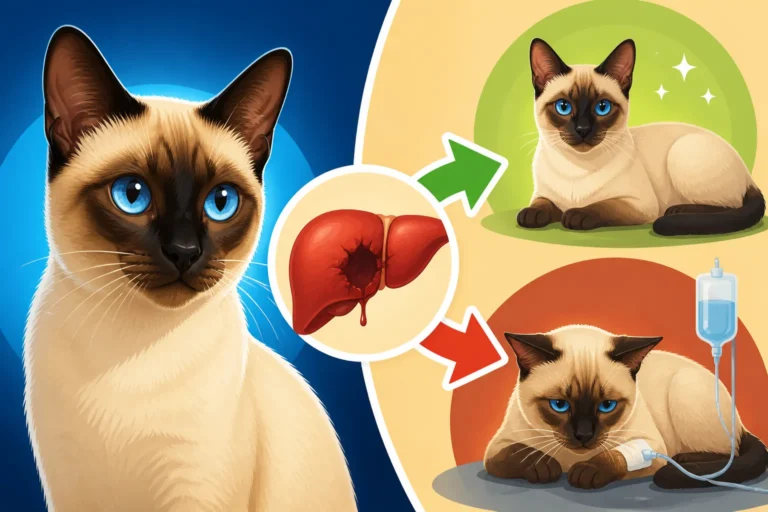
This is perhaps the most devastating and feared consequence of hepatic amyloidosis in Siamese cats: the spontaneous rupture of the liver. Because the amyloid deposits make the liver tissue incredibly fragile and brittle, even a minor bump, a strenuous jump, or sometimes, no apparent trigger at all, can cause a tear in the liver capsule. When this happens, blood pours into the abdominal cavity, leading to rapid and severe internal hemorrhage.
A cat experiencing a liver rupture will typically become acutely ill very quickly. Signs often include sudden weakness, collapse, pale gums, rapid breathing, a distended abdomen (due to the internal bleeding), and profound shock. This is often an excruciatingly fast progression, and without immediate and aggressive emergency care, it is almost always fatal. Knowing the signs a Siamese cat's liver has ruptured is critical, as every second counts. Tragically, many Siamese cats die from a liver bleed very quickly once the rupture occurs. It's a stark reminder of how amyloid weakens a Siamese cat's liver wall to such a critical degree.
The Secondary Battleground: The Kidneys
While the liver often takes center stage in discussions of Siamese cat amyloidosis due to the acute, life-threatening liver rupture, the kidneys are another significant and devastatingly common target for amyloid deposition. Systemic amyloidosis means that the amyloid protein can deposit in various organs throughout the body, and the kidneys are particularly vulnerable. The impact on kidney function can lead to a more chronic, yet equally fatal, decline in health.
Amyloid Deposition in Renal Tissue
In the kidneys, amyloid typically accumulates in the glomeruli, which are the tiny filtration units responsible for sifting waste products from the blood while retaining essential proteins. As amyloid fibrils build up in these delicate structures, they gradually impair the kidneys' ability to filter blood effectively. This leads to a cascade of problems. First, waste products that should be excreted accumulate in the bloodstream, leading to uremia. Second, essential proteins, particularly albumin, start leaking out of the damaged glomeruli into the urine, a condition known as proteinuria.
Proteinuria is a hallmark of renal amyloidosis and can contribute to other complications, such as edema (fluid retention) and increased risk of blood clots. The ongoing damage from amyloid means the kidneys are constantly struggling, losing more and more functional capacity over time. This makes understanding what systemic amyloidosis does to a Siamese cat's kidneys absolutely essential for owners and veterinarians alike.
Symptoms of Kidney Failure
The signs of kidney failure due to amyloidosis tend to be more gradual than the acute onset of a liver rupture, but they are no less serious. Owners might first notice their Siamese cat drinking more water and urinating more frequently (polydipsia and polyuria). This is the kidneys' desperate attempt to flush out toxins, but it also means they're losing too much water and struggling to concentrate urine. As the disease progresses, other common symptoms of chronic kidney disease appear.
These can include a dull, unkempt coat, decreased appetite, weight loss, lethargy, nausea, vomiting, and bad breath duedue to the buildup of toxins. In advanced stages, mouth ulcers and anemia may also develop. These symptoms can be subtle at first and progress slowly, which, much like liver amyloidosis, makes early detection challenging. It often requires a dedicated owner to notice the subtle shifts in behavior and hydration to prompt a veterinary visit. These signs are often shared with other kidney conditions, but in a Siamese, amyloidosis should always be on the differential list.
Progression of Renal Amyloidosis
The progression of renal amyloidosis can vary, but it's generally a relentless, downward trajectory. Some cats might experience a slow, steady decline in kidney function over several months or even a couple of years, with symptoms gradually worsening. Others might see a more rapid deterioration, especially if there are other complicating factors or infections. The disease ultimately leads to end-stage kidney disease, where the kidneys can no longer perform their life-sustaining functions.
Managing renal amyloidosis focuses on supportive care, aiming to slow the progression and improve the cat's quality of life. This often involves special diets, medications to control blood pressure and proteinuria, and sometimes subcutaneous fluids to help with hydration and toxin flushing. Regular blood tests and urine analyses become paramount to monitor kidney function. Pet insurance providers, such as Healthy Paws, can be incredibly beneficial in helping manage the substantial costs associated with long-term care for conditions like chronic kidney disease, especially if the diagnosis of amyloidosis leads to ongoing management. Understanding how amyloidosis damages a Siamese cat's kidneys and how long a Siamese cat lives after an amyloidosis diagnosis becomes a crucial conversation with your vet.
Less Common, But Still Possible: Other Organs
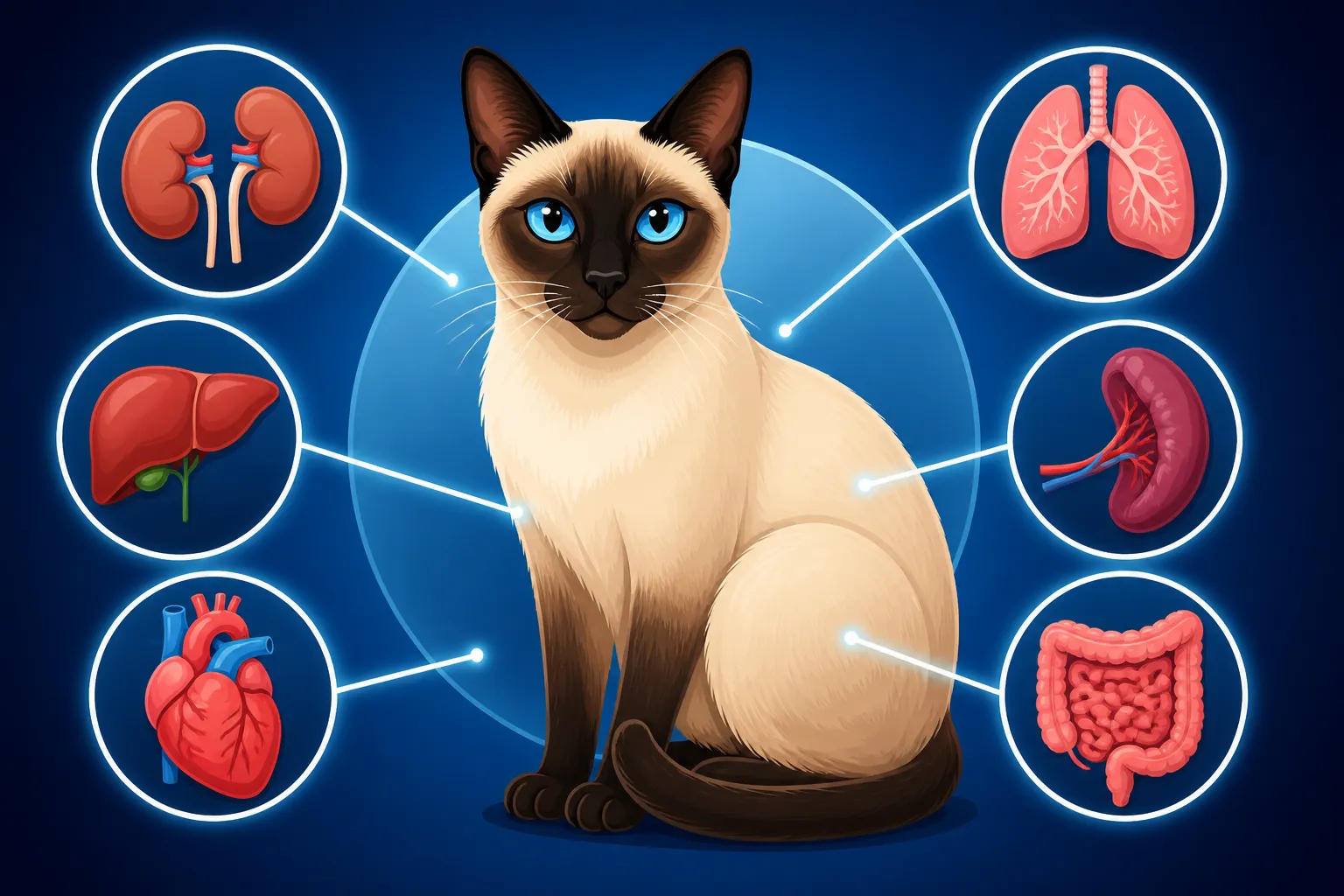
While the liver and kidneys are the primary organs affected by amyloidosis in Siamese cats, it's important to remember that amyloid is a systemic problem. This means that, theoretically, it can deposit in many other tissues throughout the body. While these other organs are less frequently the primary cause of severe illness or death, their involvement can contribute to the overall burden of the disease and sometimes lead to unexpected symptoms or complications.
Spleen and Adrenal Glands
The spleen is another organ where amyloid deposits are sometimes found during post-mortem examination, particularly in cases of systemic amyloidosis. The spleen plays a vital role in the immune system and filtering blood, but amyloid accumulation here rarely causes overt clinical signs that are noticed during the cat's life. While the spleen might be enlarged or appear abnormal on imaging, it's typically not the organ that fails first or causes the most acute problems. Its involvement is usually secondary to the more severe impact on the liver and kidneys.
Similarly, the adrenal glands, small glands located near the kidneys that produce hormones vital for stress response and metabolism, can also be sites of amyloid deposition. Again, significant adrenal dysfunction directly attributable to amyloidosis is considered rare in feline cases, but their involvement can sometimes contribute to hormonal imbalances or a generalized decline in health. It’s a testament to the pervasive nature of amyloid that it can affect these smaller, often overlooked, but still important, organs.
Gastrointestinal Tract
While less common, amyloid can also deposit in the gastrointestinal (GI) tract, including the stomach and intestines. When this happens, it can interfere with digestion and nutrient absorption. Symptoms might be subtle and include chronic vomiting, diarrhea, weight loss despite a good appetite (due to malabsorption), or a general failure to thrive. These GI signs can be particularly challenging to diagnose because they mimic many other common feline ailments, making the underlying amyloidosis harder to pinpoint.
If amyloidosis is suspected or diagnosed, and GI symptoms are present, a vet might recommend biopsies of the intestinal lining to confirm the presence of amyloid. Managing GI amyloidosis would involve supportive care to improve digestion and absorption, alongside any treatments aimed at the overall amyloid burden, although direct effective treatments are limited. For owners facing multiple organ involvement, the financial strain can be significant, making a robust pet insurance plan like those offered by Healthy Paws a wise consideration from early kittenhood.
Heart
In certain other species, amyloidosis can gravely affect the heart, leading to restrictive cardiomyopathy. However, cardiac amyloidosis is exceedingly rare as a primary clinical issue in Siamese cats. While microscopic deposits might occasionally be found in the heart muscle during a necropsy, it is not typically a significant contributor to heart failure or clinical cardiac disease in affected Siamese cats.
This doesn't mean heart health should be ignored, of course. Other forms of heart disease in a Siamese cat, such as hypertrophic cardiomyopathy (HCM), are known to affect the breed, so any cardiac symptoms would typically prompt investigation into those more common causes first. The rarity of significant cardiac involvement in feline amyloidosis means that your vet will likely focus diagnostic efforts on the liver and kidneys if amyloidosis is suspected, given their much higher likelihood of being severely impacted.
Summary of Organ Involvement in Siamese Cat Amyloidosis
To help visualize the impact of amyloidosis, here's a quick overview of the key organs involved, their primary roles, and the typical effects of amyloid deposition.
| Organ | Primary Role | Typical Amyloid Effect | Clinical Signs (when severe) | Prognosis |
|---|---|---|---|---|
| Liver | Detoxification, metabolism, protein synthesis, clotting factor production | Impaired function, increased fragility, enlargement, reduced clotting factors | Lethargy, jaundice, vomiting, sudden internal bleeding (rupture) | Often acute, can be rapidly fatal with rupture. |
| Kidneys | Blood filtration, waste excretion, fluid balance | Impaired filtration, protein leakage, accumulation of toxins, reduced ability to concentrate urine | Increased thirst/urination, weight loss, lethargy, vomiting, uremia | Chronic, progressive decline, eventually leading to end-stage kidney failure. |
| Spleen | Immune response, blood filtration | Enlargement, impaired immune function (often subclinical) | Usually asymptomatic, or non-specific signs. | Rarely life-threatening on its own. |
| Adrenals | Hormone production (stress, metabolism) | Impaired hormone production (often subclinical) | Usually asymptomatic, or non-specific signs. | Rarely life-threatening on its own. |
| GI Tract | Digestion, nutrient absorption | Malabsorption, inflammation, impaired motility | Chronic vomiting, diarrhea, weight loss, poor coat quality | Can lead to chronic health issues, but less often acute fatality. |
| Heart | Pumping blood | Microscopic deposits possible, but rarely leads to significant clinical cardiac disease in Siamese cats | Extremely rare in feline amyloidosis, other heart diseases more likely | Very rarely a direct cause of illness or death from amyloidosis. |
Understanding these different impacts is crucial for providing the best possible care for your Siamese cat, should this devastating disease ever touch your family. While there's no cure for amyloidosis, early recognition and supportive care, often aided by comprehensive pet insurance from companies like Healthy Paws, can help manage symptoms and improve quality of life. Learning which blood values flag amyloidosis in a Siamese cat and whether an ultrasound finds Siamese cat amyloidosis are important discussions to have with your veterinarian if you have concerns.
Disclaimer
This article is intended for informational purposes only and does not constitute veterinary advice. Always consult with a qualified veterinarian for any health concerns or before making any decisions about your pet's medical care.