Why a Siamese Cat Has Blue Eyes at All
It's one of those delightful mysteries of the feline world, isn't it? You look at a stunning Siamese cat, with their sleek coat and distinctive points, and those piercing blue eyes just grab your attention. Many cat lovers, and even seasoned owners, often wonder why it seems that every single Siamese cat they've ever met invariably has blue eyes. This guide dives deep into the fascinating genetics behind this captivating trait, explaining exactly why those beautiful blue peepers are a hallmark of the breed, and how it all ties into their unique color patterns.
The Genetic Code That Gifts Blue Eyes
The striking blue eyes of a Siamese cat aren't just a random happenstance; they are a direct result of a very specific genetic mutation that also dictates their famous "pointed" coat pattern. It's a fascinating interplay of genes and even temperature that creates this iconic look.
The Colorpoint Gene and Temperature Sensitivity
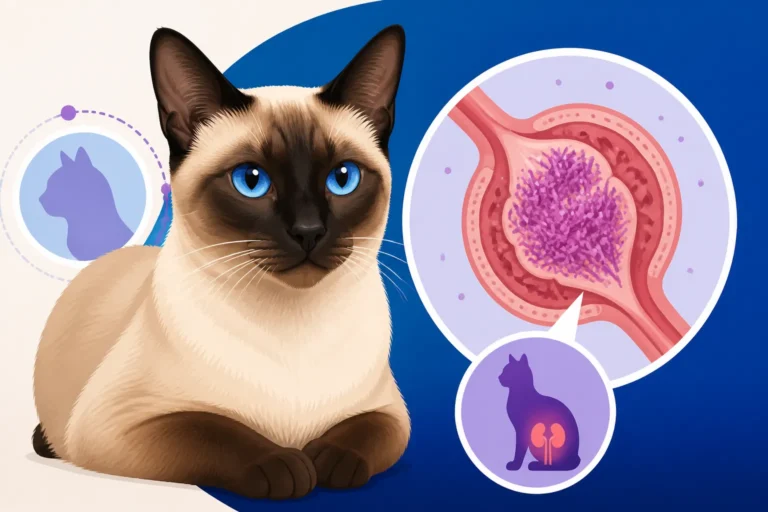
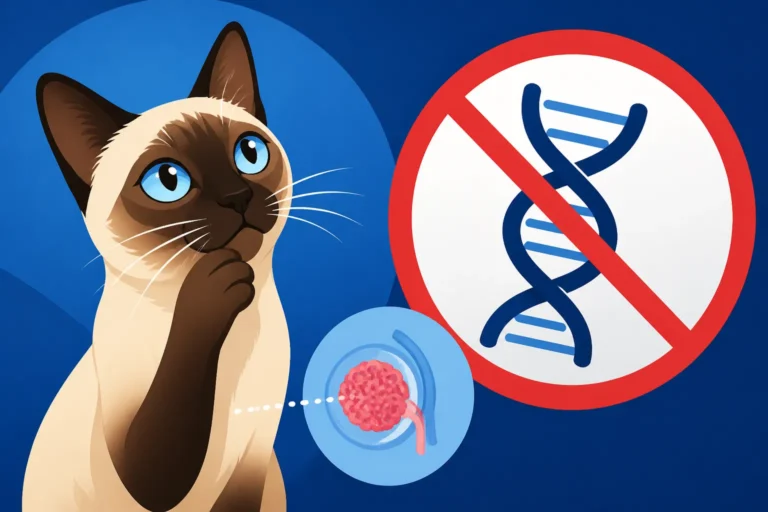
At the heart of the Siamese cat's unique appearance is a special gene, specifically a mutation in the tyrosinase enzyme (the TYR gene). This enzyme is crucial for the production of melanin, which is the pigment responsible for color in skin, fur, and eyes. In Siamese cats, this particular mutation leads to a form of temperature-sensitive albinism. What does that mean, exactly?
Well, unlike other cats where melanin production works efficiently across the entire body, in Siamese cats, the tyrosinase enzyme only functions properly in cooler parts of the body. Think about it: a cat's core body temperature is quite warm, around 100-102°F (37.8-38.9°C). But their extremities – their ears, paws, tail, and nose – are a few degrees cooler. This slight temperature difference is enough for the mutated tyrosinase enzyme to become active and produce melanin, resulting in the darker "points" we all recognize.
This is why a Siamese kitten is born pure white; they've been cozy and warm in their mother's womb, where their entire body temperature was uniformly high, preventing any pigment from developing. Only after birth, as they are exposed to the cooler environment, do their points begin to gradually darken. You can truly see this in action by observing when a Siamese kitten gets its points.
Why it Affects the Eyes Specifically
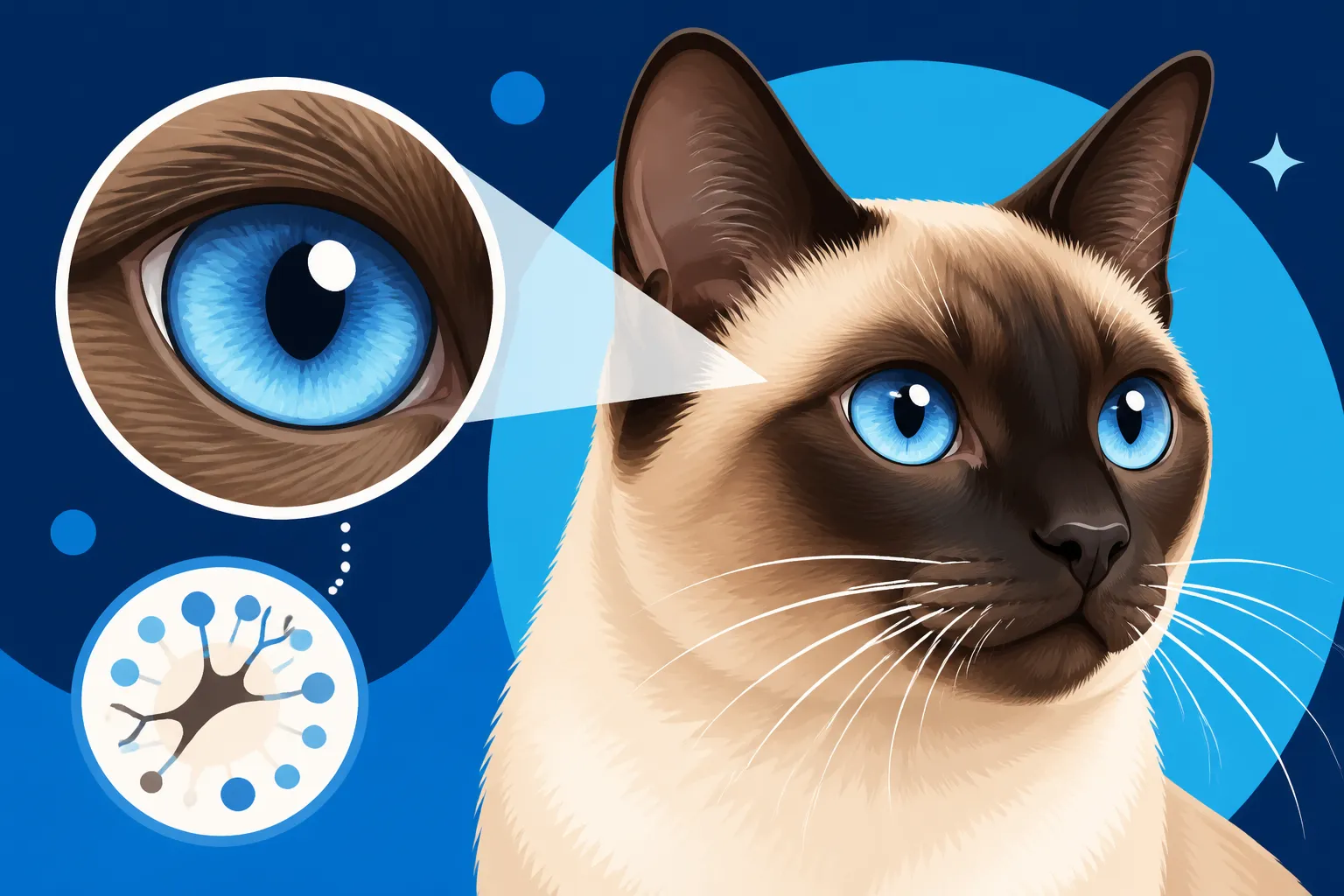
Now, let's bring it back to those captivating blue eyes. The same genetic mechanism that restricts melanin production in the fur to cooler areas also affects the amount of melanin deposited in the iris of the eyes. For a Siamese cat, the mutated tyrosinase gene means very little to no melanin is produced in the iris at all.
So, if there's no blue pigment, why are their eyes blue? This is where physics comes into play. The blue color in many animal eyes, including the Siamese cat's, isn't due to actual blue pigment. Instead, it's an optical illusion caused by the scattering of light. When light enters an iris with very little melanin, most of the light is absorbed. However, the shorter wavelengths of blue light are scattered and reflected back out, creating the perception of blue. It's much like how the sky appears blue; the atmospheric particles scatter blue light more effectively than other colors. This phenomenon is known as Rayleigh scattering. Because all Siamese cats inherit this specific genetic mutation, they all share this characteristic lack of melanin in the iris, which invariably leads to those stunning blue eyes.
More Than Just Blue: The Nuances of Siamese Eye Color
While it's true that all purebred Siamese cats have blue eyes, to say they are all the same shade of blue would be missing some of the subtle beauty. Just like snowflakes, no two Siamese cats are exactly alike, and their eye color, while always blue, can present a spectrum of captivating hues.
The Spectrum of Blue in Siamese Eyes
When we talk about "blue eyes" in Siamese cats, the ideal, highly prized shade is often described as a deep, vivid sapphire blue. This rich, intense color really makes their eyes pop against their contrasting points. However, you'll find that there's a lovely range within this blue spectrum. Some Siamese cats might have eyes that are a lighter, more ethereal sky blue, almost like a clear summer day. Others might display a mesmerizing violet-blue, especially under certain lighting conditions, adding an extra layer of mystique to their gaze. The exact shade can be influenced by individual genetic variations within the breed, and even how the light hits their eyes. Rest assured, though, no matter the exact tint, those eyes will always be unmistakably blue.
Distinguishing True Blue from Other Eye Colors
This consistent blue eye color is actually one of the key identifiers for a purebred Siamese. If you encounter a cat with classic Siamese point markings but with green, gold, or any other eye color, it's a strong indicator that the cat is either a mix or belongs to a related breed that doesn't carry the full expression of the Siamese colorpoint gene. For instance, some other colorpoint breeds, derived from the Siamese, might have slightly different genetic makeups that allow for varied eye colors, or they might be crossbred with cats that carry genes for other eye colors.
It's important to differentiate this from "odd-eyed" cats, which typically have one blue eye and one eye of a different color (like green or gold). Odd eyes are usually seen in white cats or cats with a lot of white patching, due to a different set of genes related to white fur and deafness, not the specific colorpoint gene of the Siamese. So, if you're ever questioning the lineage of a supposedly purebred Siamese, their eye color is a tell-tale sign that helps confirm their heritage.
The Interwoven Traits: Color, Eyes, and Other Quirks
It's truly remarkable how a single genetic mutation can ripple through a breed, influencing not just coat color and eye color, but sometimes even other physical characteristics. The Siamese cat's genetic story is one of fascinating interconnections.
Crossed Eyes and Kinked Tails: Related Genetic Quirks
For centuries, certain traits were almost synonymous with the Siamese cat beyond their distinctive points and blue eyes. We're talking about crossed eyes and kinked tails. While these traits have largely been bred out of modern show-line Siamese cats, they were once common and even celebrated in the breed's history.
The crossed eyes, where the eyes turn inward, are directly linked to the same genetic mutation responsible for the colorpoint pattern and blue eyes. This gene affects the routing of the optic nerves in the brain. In Siamese cats, some of these nerves are misrouted, leading to a degree of vision impairment, particularly depth perception. To compensate for this, many Siamese cats would traditionally cross their eyes to better focus, a fascinating adaptation. If you've ever wondered why a Siamese cat's eyes cross, it's this neurological quirk at play.
Similarly, the kinked tail, often described in ancient Thai manuscripts, was a common feature. Legends even spoke of Siamese cats being used to guard royal goblets, kinking their tails to hold rings or keep watch. While the genetic link isn't as clear-cut as with crossed eyes, it's thought to have been a genetic quirk that became fixed in the breed's early development. Over time, breeders have selectively bred to minimize or eliminate both crossed eyes and kinked tails to adhere to modern breed standards, but they remain a testament to the breed's unique genetic heritage.
Health Implications of Blue Eyes in Siamese Cats
The good news is that the blue eye color itself in Siamese cats carries no inherent health disadvantages. Unlike some other blue-eyed animals that might be prone to deafness (often linked to genes for white fur and pigmentation, not the colorpoint gene), the Siamese cat's blue eyes are purely an aesthetic, genetic side effect of their melanin production limitations, and do not directly cause hearing or vision problems beyond the occasional, compensated crossing of the eyes.
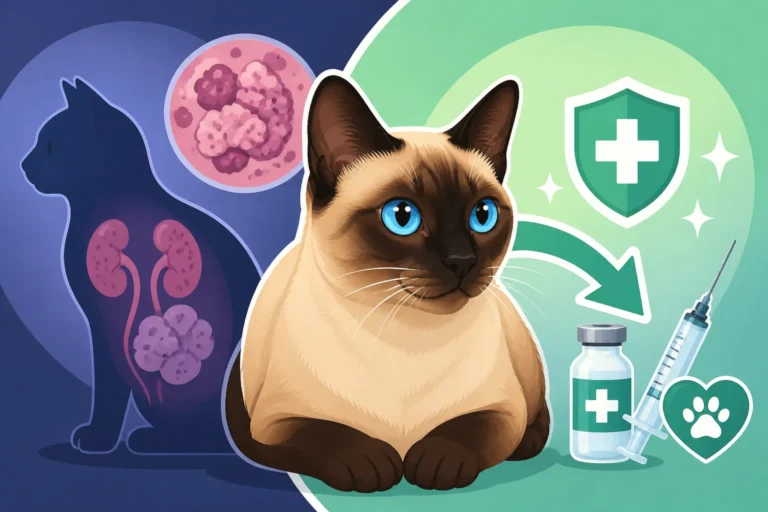
However, like any breed, Siamese cats do have their own set of potential health considerations. Their lean, elegant physique and vibrant personality hide a few hereditary predispositions. For instance, Siamese cats are known to be more prone to certain conditions like asthma in a Siamese cat, which can manifest as coughing or wheezing. There's also a higher incidence of a serious condition called amyloidosis, particularly affecting the liver. Understanding the overall health of your Siamese cat is crucial, even if their eyes are perfectly fine.
When contemplating the longevity and well-being of your beloved Siamese, it's wise to consider comprehensive pet insurance. Plans from providers like Healthy Paws can be a real lifesaver, helping to offset the significant costs of unexpected illnesses or emergencies. While their stunning blue eyes are usually a picture of health, being prepared for other potential health challenges is just part of being a responsible cat parent. A robust pet insurance policy, such as those offered by Healthy Paws, allows you to make medical decisions based on what's best for your cat, not just your wallet. It's a proactive step that many Siamese owners take to ensure their chatty, affectionate companions live long, healthy lives.
For general health check-ups and peace of mind, remember that routine vet visits are essential. If you ever notice changes in your Siamese cat's behavior or appearance, consulting your veterinarian promptly is always the best course of action. Even with the best care, sometimes unexpected things happen, and that’s where a good insurance policy, like those provided by Healthy Paws, can really make a difference.
Here's a quick look at how pigment (or lack thereof) influences eye color across different cat breeds:
| Eye Color | Primary Pigment in Iris | How Color is Achieved | Common Breeds |
|---|---|---|---|
| Blue | Very Low Melanin | Light scattering (Rayleigh scattering) off the unpigmented layers of the iris. | Siamese, Himalayan, Ragdoll, Birman |
| Green | Low to Moderate Melanin | Yellow lipochrome pigments combined with blue light scattering. | Russian Blue, Havana Brown, Egyptian Mau |
| Gold/Amber | Moderate Melanin | Higher concentration of yellow lipochrome pigments. | Abyssinian, Maine Coon, British Shorthair |
| Copper/Orange | High Melanin | Very high concentration of yellow lipochrome pigments, appearing reddish-orange. | Turkish Van, some Persian and American Shorthairs |
| Odd-Eyed | Varies (one blue, one other) | Caused by incomplete expression of the white spotting gene; not a specific pigment. | White cats, Van-patterned cats, some Birmans |
Your Siamese cat's blue eyes are more than just a beautiful feature; they're a window into a fascinating genetic story. They're a testament to a unique mutation that shapes their entire aesthetic, from their striking points to their captivating gaze, and even subtly influences some of their historical physical traits. Understanding this intricate genetic dance only deepens our appreciation for these wonderful felines.
Further Reading for the Siamese Enthusiast
If you're fascinated by the unique traits of your Siamese, you might also be interested in learning about some related topics:
- Why a Siamese Cat Kitten Is Born White
- The Age a Siamese Cat Kitten Gets Its Points
- Why a Siamese Cat's Eyes Turn Inward
- What Nystagmus Looks Like in a Siamese Cat
- Why a Siamese Cat's Tail Kinks
- Why a Siamese Cat Has No Undercoat
- How Healthy the Siamese Cat Actually Is
- The Fifteen to Twenty Years a Siamese Cat Gets
Disclaimer
This article is intended for informational purposes only and is not a substitute for professional veterinary advice. Always consult with a qualified veterinarian for any health concerns or before making any decisions about your pet's care.