How Amyloid Weakens a Siamese Cat’s Liver Wall
It’s truly heartbreaking when you learn about the health predispositions that come with certain cat breeds, and for our beloved Siamese cats, amyloidosis is a silent, insidious threat that many owners don't even know exists until it's too late. This devastating genetic condition primarily targets the liver, and understanding how those abnormal protein deposits slowly but surely weaken the very walls of this vital organ is crucial for any Siamese cat parent. This guide aims to shed light on the mechanisms behind this weakening and what it means for your cherished feline.
Understanding Amyloidosis in Siamese Cats
When we talk about amyloidosis in Siamese cats, we're discussing a very specific, inherited form of a cruel disease. It’s not just an abstract medical term; it’s a condition that can dramatically shorten the life of an otherwise vibrant cat, often without obvious warning signs until it reaches a critical stage.
What is Amyloid and How Does it Accumulate?
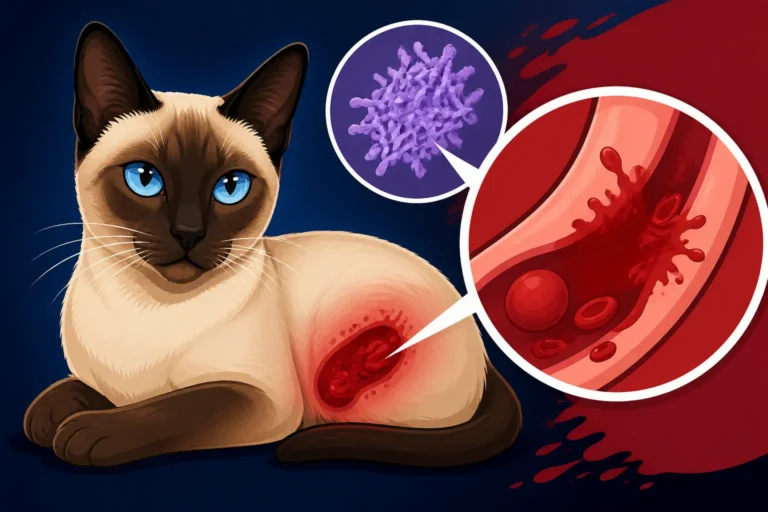
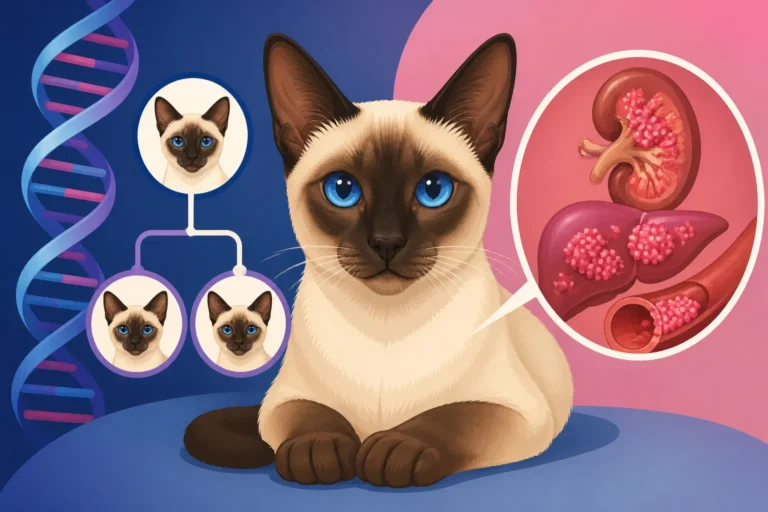
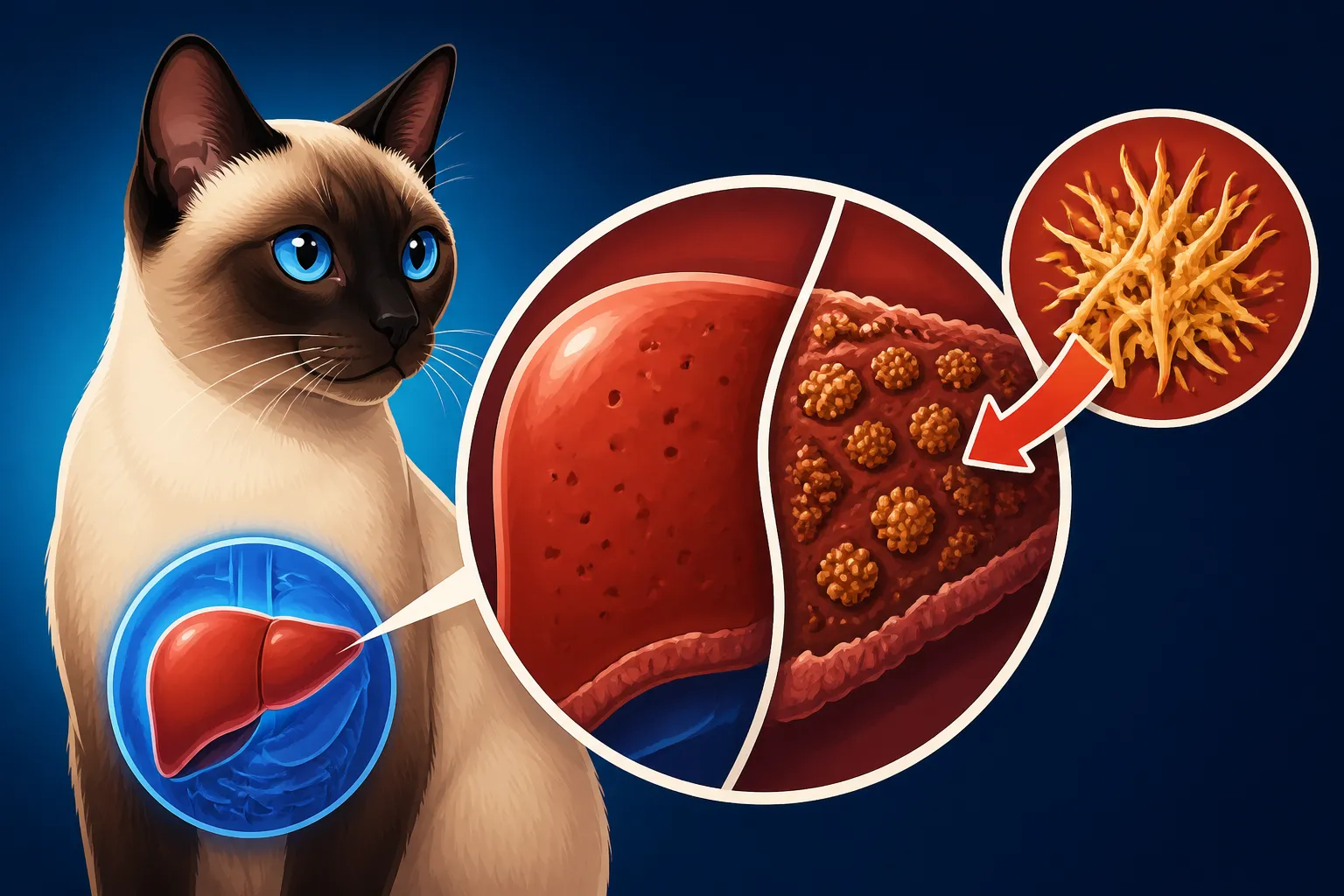
Amyloid isn't some foreign invader in the traditional sense; it's an abnormal, insoluble protein that misfolds and then deposits itself in various tissues and organs. Imagine tiny, sticky fibers that start to build up, accumulating like microscopic cement within the delicate structures of your cat's body. For Siamese cats, this is often a genetic predisposition, meaning it's something they can inherit through their lineage. We've explored in depth Why Siamese Cat Amyloidosis Is Inherited, and it's a sobering read.
This accumulation isn't a quick process. It's a slow, progressive build-up, and because the body can't break down these amyloid fibrils, they just keep gathering. Over time, these deposits start to interfere with the normal function of the organs they infiltrate. While amyloidosis can affect various parts of the body, in Siamese cats, the primary targets are often the liver and, to a lesser extent, the kidneys. The sheer volume of these deposits can eventually overwhelm the organ, making it stiff and fragile. This isn't just a part of getting older; it's a specific disease process.
Why the Liver is a Primary Target Organ
The liver is truly a workhorse in your cat's body. It's involved in countless essential functions, from filtering toxins out of the blood and metabolizing nutrients to producing vital proteins, including those responsible for blood clotting. It’s a complex, multi-tasking organ that is absolutely critical for life.
Unfortunately, in Siamese cats with amyloidosis, the liver bears the brunt of the amyloid deposits. Scientists believe there’s a specific genetic mutation that leads to systemic AA amyloidosis in these cats, with the liver being the most severely affected organ. While some forms of amyloidosis might affect other systems, for our Siamese friends, it's often the liver that sees the most significant damage. We've gone into detail about Which Organs Amyloidosis Hits in a Siamese Cat, and the liver consistently comes up as the most vulnerable.
These amyloid deposits don't just sit there idly. They start to infiltrate the delicate network of cells and blood vessels within the liver, disrupting its architecture. Even before major structural damage occurs, this infiltration can begin to impair the liver's ability to perform its normal metabolic and detoxification duties. It’s like clogging a finely tuned engine – things start to slow down and wear out long before anything actually breaks. This makes the liver incredibly vulnerable to further complications, which we'll discuss next.
The Mechanism of Liver Wall Weakening by Amyloid
The presence of amyloid in the liver isn't just a matter of reduced function; it actively compromises the structural integrity of the organ itself, turning a robust, resilient organ into something incredibly fragile. This is where the real danger lies.
Cellular and Tissue Disruption
Imagine the liver as a finely woven tapestry, with each thread representing a liver cell or a tiny blood vessel. Amyloid deposits are like sticky, rigid glue that starts to seep into this tapestry, displacing the healthy, flexible threads. These deposits primarily infiltrate the extracellular spaces, especially around the tiny blood vessels called sinusoids and in the space of Disse, which is crucial for nutrient exchange. As amyloid accumulates, it literally pushes aside and replaces functional liver cells, or hepatocytes.
This physical displacement means a gradual loss of healthy, working liver tissue. The amyloid itself is not elastic; it's stiff and unyielding. As it takes over, the normal architecture of the liver becomes distorted and rigid. This rigidity fundamentally alters the liver's natural give and take, making it less resilient to normal bodily pressures and movements. The disruption also interferes with the vital communication pathways between cells and the efficient exchange of nutrients and waste products, further compromising the liver's overall health and ability to regenerate or repair itself.
Impaired Blood Flow and Increased Pressure
One of the most insidious ways amyloid weakens the liver wall is by interfering with its intricate blood supply. As amyloid deposits accumulate within the liver, they start to narrow and compress the delicate blood vessels, particularly the sinusoids. Think of it like a highway gradually getting choked by debris – traffic slows to a crawl, and eventually, the pressure builds up. In the liver, this leads to a condition called portal hypertension, where the pressure in the portal vein, which carries blood from the digestive organs to the liver, becomes abnormally high.
This increased pressure has a cascading effect. The liver becomes congested, swelling slightly, which puts immense strain on its outer capsule and internal structures. A liver that is already rigid and compromised by amyloid deposits is ill-equipped to handle this internal pressure. The fragile blood vessel walls, already weakened by the amyloid surrounding them, become even more susceptible to damage and leakage. This is a critical factor in why Why a Siamese Cat's Liver Can Rupture Without Warning is such a devastating reality. If your Siamese cat shows signs of discomfort or abdominal swelling, it's a critical emergency that requires immediate veterinary attention. Investing in pet insurance like Healthy Paws can provide immense relief during such financially stressful times, ensuring your focus remains on your cat's health rather than the astronomical costs of emergency care.
Reduced Synthesis of Coagulation Factors
Beyond the structural compromise and increased pressure, amyloidosis delivers another devastating blow to the liver's ability to protect itself: it cripples its capacity to produce crucial proteins necessary for blood clotting. A healthy liver is a factory for many coagulation factors, which are essential for forming blood clots and stopping bleeding after injury.
When amyloid damages the hepatocytes – the liver's primary functional cells – these cells become unable to produce sufficient amounts of these vital clotting factors. This means that a Siamese cat with advanced liver amyloidosis will have a compromised clotting cascade. Even a minor injury to the liver, or the microscopic tears that occur due to the liver's fragility, can lead to prolonged and severe bleeding that the body simply cannot stop. This makes the liver not only structurally weak but also functionally incapable of self-repair and hemostasis, explaining Why a Siamese Cat With Amyloidosis Bleeds Internally with such frightening ease. It’s a cruel double whammy that makes the liver exceptionally vulnerable to catastrophic internal hemorrhage.
The Dangerous Consequences: Liver Rupture and Internal Bleeding
The progression of amyloidosis in a Siamese cat's liver inevitably leads to a perilous situation where the organ can fail dramatically. This is the ultimate, heartbreaking outcome that every owner fears and truly underscores the gravity of this condition.
The Acute Threat of Liver Rupture
When the liver walls are permeated with stiff, unyielding amyloid, its normal elasticity and strength are severely diminished. Couple this with the impaired blood clotting factors we just discussed, and you have a recipe for disaster. The liver becomes incredibly fragile, akin to a piece of old, brittle parchment rather than a pliable, resilient organ. Under these conditions, even normal movements like jumping off furniture, a playful tumble, or even just the internal pressures from increased blood flow can be enough to cause the liver to spontaneously rupture.
This rupture is an acute, life-threatening emergency. Blood, which is no longer able to clot effectively, pours into the abdominal cavity. The onset is often sudden and catastrophic, leaving owners with little time to react. The integrity of the liver is gone, and internal hemorrhage becomes rapid and profuse. This is a terrifying scenario, and sadly, it's how many Siamese cats with amyloidosis are ultimately diagnosed. Recognizing Signs a Siamese Cat's Liver Has Ruptured is paramount for any chance of intervention, though chances are often slim.
Recognizing and Managing Internal Bleeding
If your Siamese cat's liver ruptures, the signs of internal bleeding will develop quickly and demand immediate, emergency veterinary care. You might notice sudden lethargy, extreme weakness, pale gums (a stark contrast to their usual healthy pink), rapid and shallow breathing, and a visibly distended or painful abdomen as blood accumulates. The cat may collapse, become cold to the touch, and show signs of shock. This is not a situation where you "wait and see"; it requires an urgent trip to the veterinary emergency room.
Emergency treatment typically involves aggressive intravenous fluid therapy to stabilize blood pressure, blood transfusions to replace lost red blood cells and clotting factors, and intensive supportive care. Unfortunately, even with heroic efforts, the prognosis for a liver rupture due to amyloidosis is often very grim. The internal bleeding can be incredibly difficult to control given the underlying clotting deficiencies and the friability of the liver tissue itself. Many cats do not survive, or if they do, face a long, difficult recovery with a high risk of re-bleeding. Understanding How Fast a Siamese Cat Dies From a Liver Bleed really drives home the critical nature of these moments. These emergency situations are not only emotionally devastating but also incredibly expensive, and this is where having comprehensive pet insurance like Healthy Paws can truly be a lifesaver, allowing you to make medical decisions based on your cat's needs, not just your wallet.
Long-Term Outlook and Prevention Efforts
Living with a Siamese cat diagnosed with amyloidosis or knowing your cat is at risk can be incredibly stressful. Understanding the long-term outlook and what we can do to prevent this heartbreaking disease is vital for responsible ownership and ethical breeding.
Prognosis and Quality of Life
The reality of amyloidosis in Siamese cats is that once liver involvement is significant and especially after an event like a liver rupture, the long-term prognosis is generally poor. Even if a cat survives the initial acute crisis, the underlying disease process continues. The amyloid deposits remain, and the liver function is permanently compromised. Quality of life often declines, with cats becoming more subdued, having less appetite, and potentially experiencing intermittent signs of illness. It's truly a silent thief, often only revealing itself when the damage is already extensive, making How Long a Siamese Cat Lives After an Amyloidosis Diagnosis a question with a heartbreakingly short answer for many.
One of the greatest challenges is the difficulty of early detection. Regular blood work might show elevated liver enzymes, but these can be indicative of many conditions, and a definitive diagnosis usually requires a liver biopsy, which is an invasive procedure with its own risks, especially in a cat with compromised clotting. By the time clear clinical signs manifest, the disease is often advanced, leaving limited options for effective treatment.
Breeding Considerations and Genetic Screening
Given the inherited nature of Siamese cat amyloidosis, responsible breeding practices are the most powerful tool we currently have for prevention. Breeders have an ethical responsibility to understand the health history of their breeding lines. This means tracking not just direct parents but also siblings, grandparents, and their offspring for any signs of amyloidosis. If a cat or its close relatives have been affected, they should ideally be removed from breeding programs to prevent passing on the predisposition.
The challenge, however, is significant: there is currently no specific gene test for Siamese cat amyloidosis. We’ve covered Why There Is No Siamese Cat Amyloidosis Gene Test, and it highlights the frustrating reality that breeders cannot simply test their cats like they can for some other genetic diseases. Therefore, meticulous record-keeping, open communication among breeders, and selecting for longevity and health in breeding lines are crucial. While genetic testing for this specific condition isn't yet available, supporting breeders who prioritize comprehensive health screening and maintain detailed health histories for generations helps reduce the overall incidence of inherited conditions. This proactive approach benefits everyone, including pet insurance providers like Healthy Paws, who see fewer claims for preventable conditions.
Supportive Care and Research
While there is no cure for amyloidosis, supportive care can help manage symptoms and potentially slow the progression in some cases, though the evidence is limited. Some veterinarians may prescribe drugs like colchicine, an anti-inflammatory agent, which has been used in human and some animal forms of amyloidosis. However, its effectiveness in Siamese cat liver amyloidosis is debated, and it's certainly not a cure. Other treatments focus on managing complications, such as medications to support liver function, dietary modifications to reduce the liver's workload, and fluid therapy if kidney function is also affected.
The goal of these treatments is primarily to improve the cat's quality of life and potentially extend it modestly, but they cannot reverse the amyloid accumulation or truly prevent a catastrophic event. It's a constant tightrope walk for both owners and vets. The hope for a breakthrough lies in ongoing research into amyloid diseases, not just in cats but across species. Scientists are continually working to understand the mechanisms of amyloid formation and deposition, with the ultimate goal of developing effective treatments or even cures. For now, catching any subtle signs early, as discussed in Whether Siamese Cat Amyloidosis Can Be Caught Early, and working closely with your veterinarian on a management plan, is the best approach. When you're navigating such a complex and challenging diagnosis, knowing that your vet bills might be partially covered by pet insurance, such as through Healthy Paws, can lighten a considerable burden, allowing you to focus on your cat's comfort and care.
Summary of Liver Health in Siamese Cats with Amyloidosis
To illustrate the critical differences, here's a brief overview:
| Feature | Healthy Siamese Cat Liver | Siamese Cat Liver with Amyloidosis |
|---|---|---|
| Structure | Flexible, resilient, uniform cellular arrangement | Rigid, brittle, disrupted architecture due to protein deposits |
| Blood Flow | Efficient, low-pressure circulation | Impaired, high portal venous pressure, congested vessels |
| Clotting Factor Prod. | Abundant production of vital clotting proteins | Reduced production, leading to impaired blood coagulation |
| Vulnerability to Rupture | Low, resistant to minor trauma | High, susceptible to rupture from minimal stress or movement |
| Functional Capacity | Optimal metabolism, detoxification, nutrient processing | Compromised, leading to various metabolic dysfunctions |
Disclaimer
The information provided in this article is for general informational purposes only and does not constitute veterinary advice. Always consult with a qualified veterinarian for any health concerns or before making any decisions related to your pet's health or treatment.