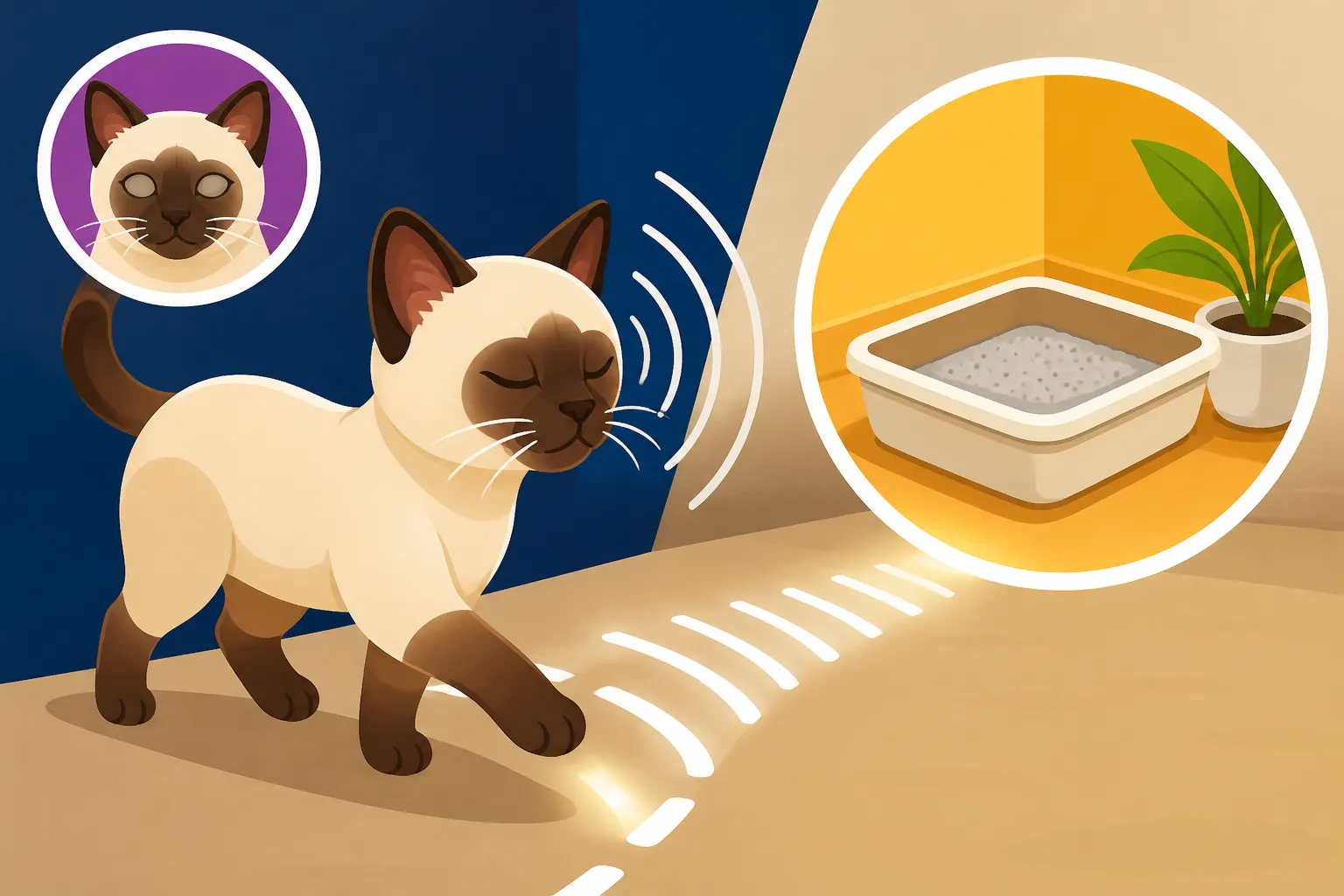
How a Blind Siamese Cat Finds the Litter Box
Watching your beloved Siamese cat, once a graceful and confident explorer, suddenly struggle to navigate their own home can be heartbreaking. When blindness strikes, whether due to age, illness, or a congenital condition, the simple act of finding the litter box can become a source of immense stress and anxiety for both you and your feline friend. It’s a common worry among Siamese owners, wondering how their vocal, intelligent companions will manage such a fundamental need. This guide is here to walk you through practical, empathetic strategies to ensure your blind Siamese always finds their way to a clean, comfortable litter box with dignity and ease.
Understanding Your Blind Siamese Cat's World
Losing sight is a profound change for any animal, but cats, with their incredible adaptability, often cope far better than we might initially imagine. For a Siamese, known for their sharp minds and keen senses, their world simply shifts focus.
The Sensory Shift: More Than Just Sight Loss
When a Siamese cat loses its vision, its other senses don't just "pick up the slack" — they become incredibly refined and relied upon, almost to a superhuman degree. Their already impressive hearing becomes finely tuned, allowing them to pinpoint sounds, estimate distances, and even identify people by their unique footfall patterns. You might notice them reacting to the subtle rustle of leaves outside or the hum of the refrigerator in a way they never did before.
Their sense of smell, always powerful, becomes their primary tool for mapping their environment. Every piece of furniture, every doorway, every human they encounter leaves a unique scent signature. This olfactory map is crucial for navigation, helping them distinguish between rooms, identify their favorite napping spots, and, most importantly, locate essential resources like food, water, and their litter box. Imagine their world as a rich tapestry of smells, guiding their every move. Touch is also incredibly important; their whiskers, much more than just decorative, are sophisticated sensory organs, constantly scanning the environment for obstacles and changes in airflow, helping them build a mental picture of their immediate surroundings. They also rely heavily on their paws, feeling different textures and surfaces to orient themselves. Your Siamese cat is forming an intricate, multi-sensory map of their home.
Common Challenges Blind Cats Face and How They Cope
Despite their incredible adaptability, blind cats do face unique challenges. The most immediate is, of course, navigation. A sudden loss of sight can cause initial disorientation, bumping into objects, and a general reluctance to move. This can be distressing to witness, as your once agile Siamese might become hesitant and cautious. However, cats are remarkably resilient. They quickly learn to move more slowly, using their whiskers and front paws as feelers. They develop a fantastic memory for layouts, creating a mental map of their home that they follow diligently.
Another significant challenge is the introduction of new objects or changes in the environment. Even a moved chair can become a terrifying, unexpected obstacle. This is why consistency is paramount. They also might become more easily startled, as they can't see an approaching person or pet. A soft word or a gentle touch before approaching is always appreciated. They compensate for these challenges by becoming more attuned to vibrations and air currents, developing a sixth sense for movement around them. While it's tough to see them initially struggle, remember that with your help, they can lead incredibly full and happy lives. You can learn more about how they adapt in our guide on How a Blind Siamese Cat Manages.
Creating a Litter Box Haven for Your Blind Siamese
Making sure your blind Siamese cat knows exactly where to do their business is probably your top priority. It's all about thoughtful placement, the right equipment, and subtle sensory cues.
Strategic Placement: Consistency is Key
The absolute golden rule for a blind Siamese cat's litter box is consistency. Once you decide on a spot, that's where it stays, permanently. Imagine trying to navigate a dark room where the furniture constantly shifts – it's disorienting and terrifying. The same applies to your cat. Their mental map relies on fixed points, and the litter box is one of the most critical.
Ideal spots are quiet, low-traffic areas where your cat won't be easily startled. Think about a corner in a spare bathroom, a utility room, or a quiet section of a hallway. Avoid busy thoroughfares, noisy appliance areas, or places where other pets or children might frequently disturb them. Ensure the path to the litter box is always clear of obstacles. This means no shoes left out, no laundry piles, and certainly no moved furniture. If you have multiple floors, you’ll need a litter box on each level, strategically placed in predictable, easy-to-access spots. For example, if your cat sleeps mostly upstairs, make sure there's a box readily available nearby, perhaps near the bedroom door rather than tucked away at the far end of a long, obstacle-filled corridor.
The Right Box and Litter: Comfort and Scent Cues
When it comes to the litter box itself, simplicity and accessibility are paramount. Forget fancy, enclosed boxes with complicated entrances. These can be confusing and intimidating for a blind cat. Instead, opt for an open-top box with low sides. Many senior cats, or those with mobility issues that can sometimes accompany the conditions leading to blindness, find high sides difficult to navigate anyway. A low entry point ensures they can easily step in and out without having to judge height or proximity.
As for litter, unscented is best. Strong perfumes or deodorizers might be pleasant to human noses, but they can be overwhelming and confusing to a cat relying heavily on their sense of smell. Stick to a familiar texture – if your Siamese has always used a clumping clay litter, don't suddenly switch to crystals or paper pellets. Any sudden change can disrupt their routine and cause aversion. Keep the litter impeccably clean. A blind cat relies on the scent of their own waste to locate the box, but an overly dirty box can become off-putting, leading to accidents elsewhere. Regular scooping (at least twice daily) and complete litter changes weekly are essential.
While not directly related to litter box setup, maintaining overall health and comfort can impact litter habits. If your cat is experiencing other health issues that might make using the litter box difficult, like pain from Dental Disease in a Siamese Cat, or age-related stiffness, it’s worth considering pet insurance like Healthy Paws. Their coverage can help alleviate the financial stress of vet visits to address underlying issues, ensuring your cat receives prompt care.
Enhancing Navigation with Scent and Texture Trails
Beyond careful placement, you can actively guide your blind Siamese using subtle sensory cues. Scent markers can be incredibly effective. Consider placing a small, familiar mat with a unique, safe scent (like a tiny dab of lavender essential oil well diluted or even just a piece of your unwashed clothing) near the entrance to the litter box. The key is consistency – use the same scent and place it in the same spot every time. Some owners even use a very faint, pet-safe air freshener (again, unscented or very mildly scented) sprayed near the box, as long as it doesn't bother the cat.
Texture trails are another fantastic strategy. Lay down a narrow runner or a series of textured mats leading directly to the litter box. This could be a sisal mat, a ribbed rubber runner, or even just a bathmat with a distinct feel. The consistent texture provides a tactile "breadcrumb trail" that your cat can follow with their paws. Avoid anything that could trip them up or shift easily. The path should be clear, consistent, and easy to feel underfoot. Think of it as creating a subtle, sensory highway directly to their bathroom. The consistency of these cues can greatly reduce anxiety and improve confidence.
Establishing Routines and Reinforcement
Cats thrive on routine, and for a blind Siamese, a predictable schedule is a lifeline. It builds confidence and reduces anxiety, making navigating their world, including finding the litter box, much easier.
The Power of Predictable Routines
A rigid, consistent daily routine provides a framework for your blind cat's day. Fixed feeding times, play times, and even designated quiet times create a predictable rhythm. This predictability helps them anticipate events and reduces stress associated with uncertainty. For example, if they know they always eat at 7 AM and 5 PM, their internal clock helps them feel secure. After waking up from a nap, or shortly after a meal, gently guide your Siamese to the litter box. You don't need to pick them up and place them in it – simply lead them by walking a few steps ahead, perhaps gently tapping the floor with your foot, or using a consistent verbal cue like "litter box time!" that they associate with the area. This subtle guidance reinforces the path and the purpose of the space.
Consistency also extends to how you interact with them. Always approach them with a soft voice, letting them know you're there before you touch them. This prevents startling them, which can disrupt their focus and increase anxiety. A calm, predictable environment is paramount for a blind cat's well-being.
Positive Reinforcement and Patience
When your blind Siamese successfully uses the litter box, positive reinforcement is your best friend. A calm, gentle "Good kitty!" or a favorite treat immediately after they exit the box reinforces the positive behavior. The key is to deliver the reward promptly so they associate it directly with using the litter box. Never, ever scold your cat for an accident. They aren't doing it out of spite; it's a sign of confusion, stress, or perhaps an underlying health issue. Scolding only teaches them to fear you and to hide when they need to go, making the problem worse.
Patience is crucial. There will be setbacks. Accidents will happen, especially in the early days of their blindness or if their routine is disrupted. Clean up accidents thoroughly with an enzymatic cleaner to eliminate all traces of odor, which might otherwise attract them back to the same inappropriate spot. Focus on reinforcing success and patiently guiding them. Your calm demeanor will be a huge comfort to them. Remember, they are doing their best to adapt to a world without sight, and your support is everything. If you notice signs that a Siamese cat is unwell, such as increased accidents or changes in elimination habits, it's always best to consult your vet promptly. Early diagnosis and treatment are crucial.
Monitoring for Changes and Seeking Vet Advice
Even with the best routine and setup, it's vital to remain vigilant. Changes in litter box habits—frequent urination, straining, urinating outside the box when they previously didn't, or changes in stool consistency—can all be indicators of underlying health issues, not just navigation problems. Conditions like urinary tract infections, kidney disease, or even diabetes can affect a cat's ability or desire to use the litter box correctly.
Keep a close eye on their overall behavior. Are they eating and drinking normally? Are they withdrawn or more vocal than usual? Any deviation from their baseline behavior warrants a call to your veterinarian. Regular vet check-ups are always important, but especially so for senior or blind cats. These check-ups can catch potential problems early, before they become serious. When your cat is aging, it's wise to be extra diligent, as many health issues can manifest gradually. For more information on changes to look for, check out What Changes in a Siamese Cat After Twelve.
Having pet insurance, like a policy from Healthy Paws, can be incredibly beneficial here. It can give you peace of mind that you can afford necessary diagnostics and treatments without hesitation, ensuring your Siamese receives the best possible care when health issues arise, preventing prolonged suffering and further complications that might impact their litter box habits.
General Home Environment Adaptations for a Blind Siamese
Beyond the litter box, the entire home environment needs careful consideration to ensure your blind Siamese cat feels safe, confident, and can enjoy a high quality of life.
Maintaining a Stable Layout
This is arguably the most important rule for living with a blind cat: do not move furniture. Their world is a meticulously constructed mental map, built on touch, sound, and scent cues. Moving even a small end table can completely disorient them and cause immense stress. Once you've established the placement of furniture and essential items like food bowls, water dishes, and litter boxes, commit to keeping them in those spots.
Keep pathways clear. This means no clutter on the floor, no tripping hazards like loose rugs that shift, and definitely no leaving objects in unexpected places. Your cat needs to know that the path from their favorite sleeping spot to the food bowl, or to the litter box, is always predictable and safe. If you absolutely must move something, do it slowly and gradually, giving your cat time to adjust. It’s also helpful to spend time with them in the new configuration, gently guiding them around until they map the change. Consider blocking off rooms that are rarely used or are difficult to navigate to simplify their 'world map'. Our guide on How to Rearrange a Home for a Blind Siamese Cat offers more detailed tips on this.
Safety First: Eliminating Hazards
Making your home a safe sanctuary for your blind Siamese involves identifying and neutralizing potential dangers. Sharp corners on coffee tables or fireplace hearths can be padded with baby-proofing bumpers. Secure loose electrical cords or tuck them away to prevent entanglement or chewing. Block access to stairs if your cat is prone to falling, or install baby gates, leaving the bottom step clear as a tactile warning. If stairs are unavoidable, ensure they are well-lit (though your cat won't see it, it helps you guide them) and consider placing a textured mat at the top and bottom as a warning signal.
Outdoor access should be strictly controlled. A blind cat is incredibly vulnerable outdoors to predators, traffic, and getting lost. If you want them to experience fresh air, consider a secure catio or supervised leash walks in a very safe, familiar area (though this requires extensive How to Leash Train a Siamese Cat). Even seemingly innocuous items like open toilet lids can be a drowning hazard for a disoriented cat, so keep them closed.
Enriching Their World Beyond Sight
A blind cat still needs mental and physical stimulation. Their playtime might look different, but it's just as important for their happiness and well-being. Focus on toys that engage their other senses. Sound toys, like crinkle balls, toys with bells inside, or even electronic toys that make chirping sounds, are fantastic. Toys infused with catnip or silvervine can also be highly appealing through scent. Puzzle feeders that require them to use their nose and paws to extract treats can provide excellent mental enrichment.
Engage in interactive play with wand toys, letting the toy touch their fur or paws so they can track it by sound and touch. A regular schedule of How Many Play Sessions a Siamese Cat Needs a Day will keep them engaged and prevent boredom, which can sometimes manifest as anxiety or destructive behaviors. Even if they can't see, your presence and interaction are deeply comforting. Many blind Siamese cats bond intensely with their humans, relying on them for guidance and reassurance. Explore the topic of How Attached a Siamese Cat Gets to One Person to understand this bond better.
Consider creating vertical spaces with cat trees or shelves, but ensure they are stable and have clear, consistent routes for climbing, perhaps with textured steps or ramps. Always supervise initially. Providing a stimulating, safe environment where they feel secure and loved is the best way to ensure your blind Siamese cat thrives.
Recommended Litter Box Features for Blind Cats
To help you visualize the ideal setup, here's a table outlining key features to look for when choosing a litter box for your blind Siamese cat:
| Feature | Why It's Important for a Blind Siamese | Recommended Options |
|---|---|---|
| Low Entry Sides | Easy to step in and out without judging height, especially for older or arthritic cats. | Standard open-top litter pans, specifically marketed low-entry boxes, or even repurposed storage bins. |
| Open Top Design | Avoids enclosed spaces that can feel confusing, claustrophobic, or trap odors. | Most basic litter pans. |
| Unscented Litter | Strong scents can overwhelm their heightened sense of smell and cause aversion. | Many brands offer unscented clumping clay or natural litters (e.g., World's Best Cat Litter Unscented, Dr. Elsey's Ultra). |
| Consistent Placement | Crucial for creating a reliable mental map of their home. | Place in a quiet, low-traffic area, away from movable obstacles. |
| Textured Entry Mat | Provides a tactile cue or "trail" leading to the box. | Rubber mats, sisal mats, or thick, ribbed fabric mats placed directly outside the box. |
| Odor Control (Human) | While unscented for the cat, good human-side odor control ensures a pleasant environment. | Use high-quality clumping litter, scoop frequently, and clean the box regularly. Some owners use carbon filters outside the box area. |
Disclaimer
The information provided in this article is for general informational purposes only and is not a substitute for professional veterinary advice. Always consult with a qualified veterinarian for any health concerns or before making any decisions related to your pet's care.