Signs a Siamese Cat’s Kidneys Are Failing From Amyloid
It's absolutely heartbreaking to watch your beloved Siamese cat start to decline, especially when you suspect something serious like kidney failure. The insidious nature of kidney disease, combined with a cat's incredible ability to mask discomfort, means that by the time you notice something is truly wrong, the condition can be quite advanced. This guide is here to walk you through the often subtle, yet critical, signs that your Siamese cat's kidneys might be failing due to amyloidosis, helping you understand what to look for and when to act.
The Insidious Nature of Kidney Failure in Siamese Cats
There’s a unique heartache that comes with owning a Siamese cat, knowing their predisposition to certain genetic conditions. Amyloidosis is one of the most frustrating, a silent thief that can unfortunately lead to organ failure, with kidneys being a common target. It’s not just about a cat getting older; for Siamese cats, there's often a genetic component that makes this disease particularly cruel, striking seemingly healthy cats without much warning.
Understanding Amyloidosis and its Impact on Kidneys
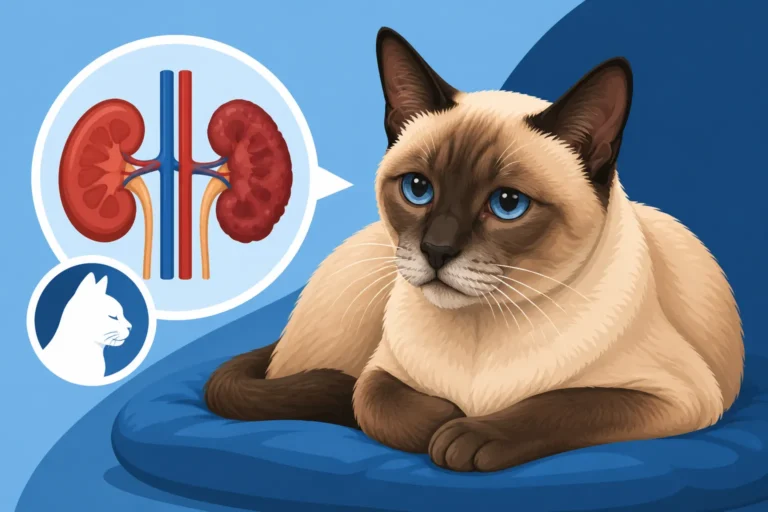
Amyloidosis is a disease where abnormal proteins, called amyloid fibrils, build up in the body's tissues and organs. While it can affect various organs, for our beautiful Siamese cats, it often targets the liver and, crucially, the kidneys. Imagine these proteins as tiny, sticky invaders that gradually accumulate, displacing normal tissue and preventing the organ from functioning properly. Over time, as more amyloid deposits accumulate, the kidneys – those vital filters that clean your cat's blood – become less efficient. They struggle to remove waste products, leading to a buildup of toxins that make your cat feel incredibly unwell. This slow, relentless takeover is what makes the disease so challenging. For a deeper dive into how this disease impacts the kidneys, you might want to read about What Systemic Amyloidosis Does to a Siamese Cat's Kidneys. We know that How Common Amyloidosis Is in Siamese Cats is unfortunately higher in our beloved breed, making vigilance even more important.
Why Early Signs Are So Hard to Spot
One of the most frustrating aspects of feline health, in general, is that cats are masters of disguise when it comes to illness. It’s an evolutionary trait, stemming from their wild ancestors who had to hide weakness to avoid becoming prey. This means that by the time we, as their loving human companions, notice obvious symptoms, the disease has often progressed significantly. With kidney failure, this is particularly true because the kidneys have an incredible reserve capacity. They can continue to function, albeit inefficiently, until a large portion of their filtering power is lost. This often means that early, subtle changes in behavior or routine go unnoticed or are dismissed as "just getting older," delaying diagnosis and potentially vital intervention.
Observable Physical and Behavioral Changes
When your Siamese cat's kidneys are struggling, the signs might start subtly, almost imperceptibly, before becoming more pronounced. It’s like watching a dimmer switch slowly turn down the light – you might not notice the change until it’s quite dim. These are the kinds of shifts you’ll need to watch for, the ones that signal something deeper is amiss than just a bad day.
Increased Thirst and Urination (PU/PD)
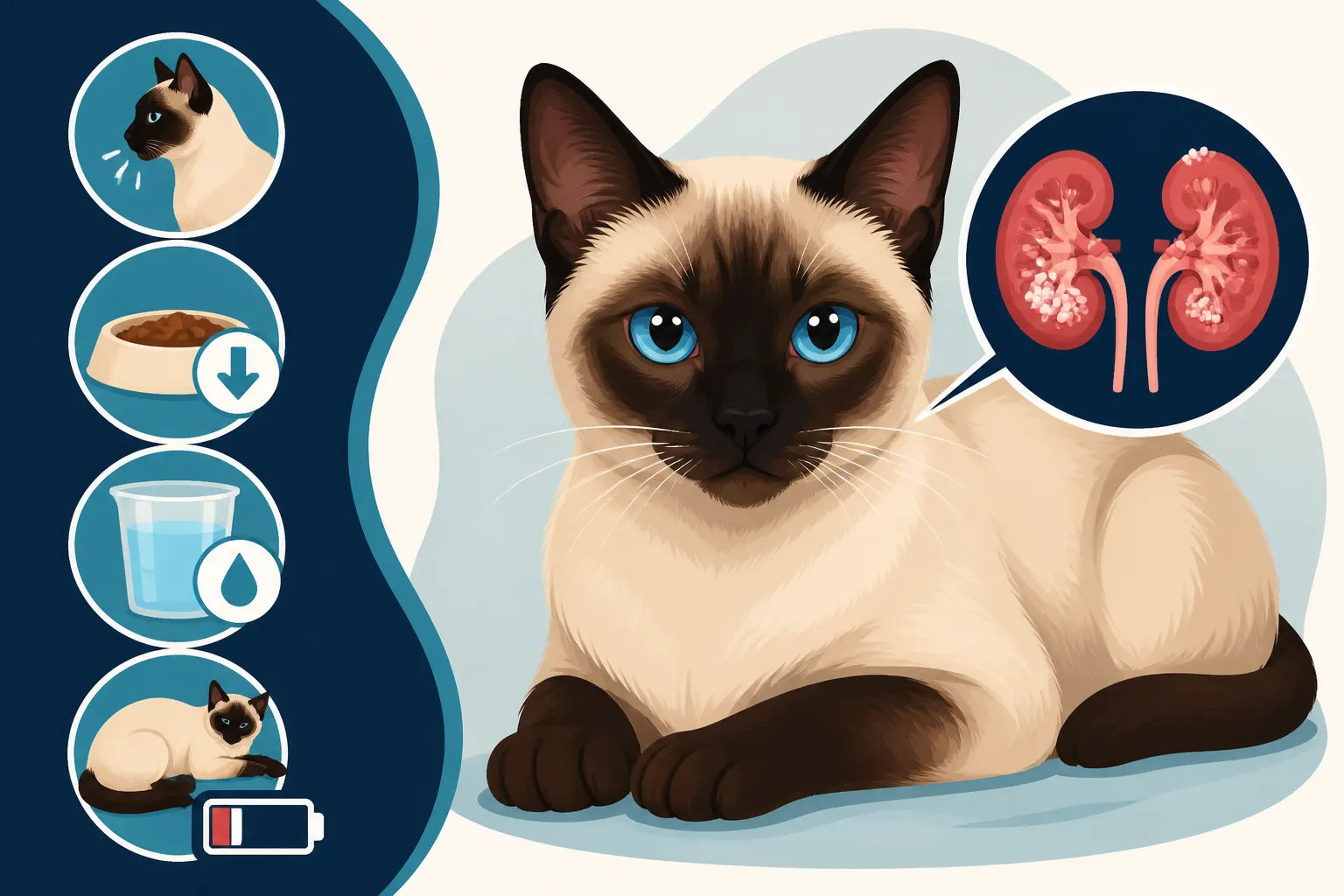
This is hands down one of the earliest and most telling signs of kidney issues, yet it's also one of the most commonly overlooked. When kidneys aren't filtering properly, they lose their ability to concentrate urine. This means your cat has to drink more water to flush out waste products that the failing kidneys can't remove efficiently. So, you might find yourself refilling the water bowl more often, or noticing your cat spending more time at the water fountain. Hand in hand with increased thirst comes increased urination. You’ll likely see bigger, wetter clumps in the litter box, or perhaps more frequent trips to pee. It’s not just a little more, it’s a noticeable increase in volume and frequency. If you've been wondering why your cat is suddenly so thirsty, our guide on Why a Siamese Cat Drinks More With Age might offer some insights, but remember this can be a key indicator for kidney problems too. Keep a mental note, or even better, start a small log of how much water your cat drinks in a day if you're concerned.
Changes in Appetite and Weight Loss
Imagine feeling constantly nauseous and generally unwell; that’s often what a cat with kidney failure experiences due to the buildup of toxins. It’s no wonder their appetite can take a nosedive. You might notice your Siamese cat becoming much pickier with their food, turning away from their favorite meals, or simply eating less than usual. This reduced food intake, combined with the metabolic stress on their body, inevitably leads to weight loss. Siamese cats are naturally svelte, which can make subtle weight loss even harder to spot. However, if your cat, who was already on the thin side, starts feeling bonier along their spine or ribs, or their hip bones become more prominent, that’s a serious red flag. This isn't just a cosmetic issue; it's a sign that their body isn't getting the nutrients it needs. Check out our post on Why a Siamese Cat Stays So Thin for context on their lean build, but always be aware of unexplained weight loss.
Dull Coat, Lethargy, and Weakness
A healthy Siamese cat typically has a sleek, short, and glossy coat that lies flat against their body. When they're not feeling well, especially with kidney disease, their self-grooming habits often suffer. You might notice their coat becoming dull, greasy, matted, or unkempt, losing that characteristic Siamese shine. This isn't just about vanity; it's a physical manifestation of their declining health. Alongside this, a pervasive lethargy often sets in. Your normally energetic and chatty Siamese might become unusually quiet, spending more time sleeping or simply lying around. They might be less interested in play, less interactive, and generally seem to lack their usual spark. This can progress to generalized weakness, where they seem to move more slowly or struggle with activities they once did easily, like jumping onto furniture. These combined signs can be a clear indicator that something significant is going on inside. For a broader understanding of general indicators, you can look at Signs a Siamese Cat Is Unwell.
More Advanced and Concerning Symptoms
As kidney failure progresses, the symptoms become more severe and obvious, leaving little doubt that your Siamese cat needs immediate veterinary attention. These are the signs that truly underscore the urgency of the situation.
Vomiting, Nausea, and Halitosis
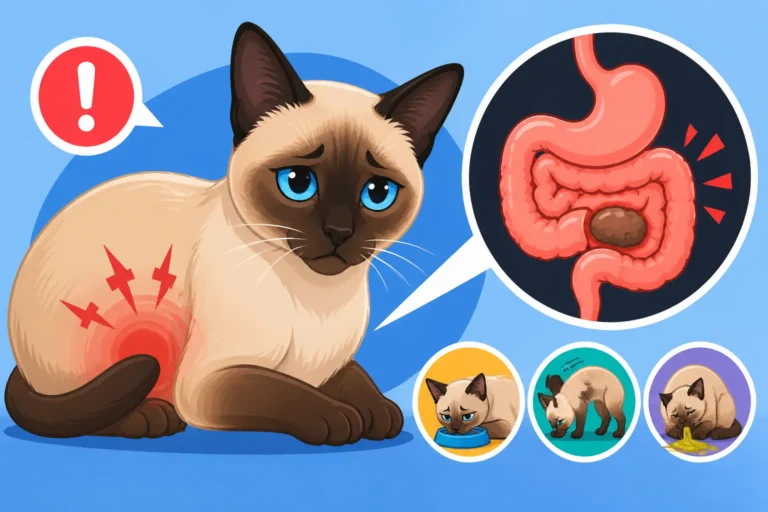
When the kidneys can no longer efficiently remove toxins from the bloodstream, these waste products, like urea, build up to dangerous levels. This accumulation of toxins often leads to gastrointestinal upset. Your Siamese cat might start vomiting, sometimes frequently, and might show signs of nausea such as excessive drooling, lip-licking, or reluctance to eat. Furthermore, the buildup of urea can lead to a very distinct, unpleasant odor on their breath, often described as ammonia-like or even metallic. This condition, known as uremic halitosis, is a strong indicator of advanced kidney disease. It’s a smell you won’t easily forget once you recognize it, and it signals a serious toxic burden on their system.
Oral Lesions and Anemia
In severe cases of kidney failure, the elevated levels of toxins circulating in the blood can cause painful ulcers to form in the mouth, particularly on the tongue and gums. These oral lesions can make eating incredibly painful, further contributing to their reluctance to consume food. Beyond the mouth, chronic kidney disease can also lead to anemia. Healthy kidneys produce a hormone called erythropoietin, which stimulates the bone marrow to produce red blood cells. When the kidneys fail, this hormone production drops, resulting in fewer red blood cells and, consequently, anemia. You might notice your cat's gums appear paler than usual, almost white or very light pink, instead of a healthy bubblegum pink. This pallor is a direct sign of anemia and indicates a significant impact on their overall blood health.
Swelling and Fluid Accumulation
The kidneys play a crucial role in regulating fluid balance and blood pressure. When they are severely compromised, this balance can go awry, leading to fluid accumulation in various parts of the body. You might observe swelling, or edema, particularly in their limbs, around their face, or even in their abdomen (a condition called ascites). This fluid retention is a grave sign, indicating that the kidneys are failing to properly manage electrolytes and fluid excretion. It can also point to issues with blood protein levels, as damaged kidneys may leak essential proteins, further contributing to fluid imbalance. Seeing a Siamese cat develop this kind of swelling is incredibly alarming and requires immediate veterinary intervention, as it signifies a profound disruption of their body's critical functions.
When to Seek Veterinary Attention and the Role of Proactive Care
It’s easy to dismiss early signs, especially in a breed known for their quirks and dramatic flair. But when it comes to kidney health, every moment counts. Ignoring symptoms, even subtle ones, can lead to a more challenging path for your beloved feline.
Don't Wait – The Urgency of Veterinary Consultation
If you've noticed any of these signs, particularly a combination of them, it’s not something to "wait and see" about. Prompt veterinary attention is absolutely critical. Kidney disease, especially when compounded by amyloidosis, is progressive, but early diagnosis and management can significantly slow its progression and improve your cat's quality of life. Your vet will likely recommend a comprehensive physical exam, blood tests (to check kidney values like BUN, creatinine, and phosphorus, as well as red blood cell count), and a urinalysis (to assess urine concentration and look for protein). An ultrasound might also be recommended to visualize the kidneys and look for structural changes. These diagnostic tools are invaluable. We can't stress enough the importance of regular check-ups, even if your cat seems fine. Our guide on What a Siamese Cat's Yearly Bloodwork Should Cover highlights key tests that can sometimes flag issues before they become overtly symptomatic. Understanding The Age Amyloidosis Appears in a Siamese Cat can help you be proactive in your observations during these crucial years.
Supporting Your Siamese Through Kidney Challenges
Receiving a diagnosis of kidney failure due to amyloidosis is devastating, but it's not a death sentence. While there's no cure for amyloidosis itself, managing kidney failure involves a multi-pronged approach focused on supportive care. This often includes special prescription diets that are lower in protein, phosphorus, and sodium to reduce the workload on the kidneys. Your vet might also prescribe medications to help control phosphorus levels, manage nausea, stimulate appetite, or address anemia. Ensuring your cat stays well-hydrated, perhaps with subcutaneous fluids administered at home, can also make a huge difference.
Facing such a diagnosis can be incredibly stressful, not just emotionally, but financially. Veterinary care for chronic conditions like kidney disease can be extensive and expensive, involving repeated tests, special foods, and ongoing medications. This is where having pet insurance like Healthy Paws can truly be a lifesaver. Policies from providers like Healthy Paws often cover a significant portion of diagnostic tests, treatments, and even some ongoing prescription medications for chronic conditions, helping to ease the financial burden and allow you to focus on your cat's care without added stress. They can provide immense peace of mind, especially when unexpected emergencies or long-term management plans arise, ensuring you can say yes to the best possible care for your Siamese. Planning for long-term health is part of understanding What a Siamese Cat Costs Over Twenty Years, and insurance can be a huge component of that. Many owners wonder How Healthy the Siamese Cat Actually Is, and unfortunately, hereditary conditions like amyloidosis are a stark reminder of the importance of proactive care and financial planning.
Kidney failure in Siamese cats, especially due to amyloidosis, is a serious condition, but recognizing the signs early gives your cat the best chance at a good quality of life for as long as possible. Your vigilance and prompt action are their best advocates.
| Symptom Category | Early Signs (Subtle) | Advanced Signs (Obvious) | Action Required |
|---|---|---|---|
| Thirst & Urination | Increased water intake, slightly larger/more frequent litter clumps | Extreme thirst, constant urination, accidents outside litter box | Urgent Vet Visit |
| Appetite & Weight | Picky eating, slight decrease in food, subtle weight loss | Anorexia, significant muscle wasting, visible bones | Urgent Vet Visit |
| Coat & Energy | Dull coat, reduced grooming, less active, more naps | Matted/greasy coat, profound lethargy, weakness, difficulty moving | Urgent Vet Visit |
| Digestive Issues | Occasional nausea (lip licking, drooling) | Frequent vomiting, ammonia-like breath (uremic halitosis) | Emergency Vet Visit |
| Oral & Blood | No obvious oral signs, healthy pink gums | Mouth ulcers, very pale gums (anemia) | Emergency Vet Visit |
| Fluid Balance | No obvious swelling | Swelling in limbs/face, abdominal fluid (ascites) | Emergency Vet Visit |
Disclaimer
The information provided in this article is for general informational purposes only and is not intended as a substitute for professional veterinary advice, diagnosis, or treatment. Always seek the advice of your veterinarian or other qualified animal health provider with any questions you may have regarding a medical condition. Never disregard professional veterinary advice or delay in seeking it because of something you have read in this article.