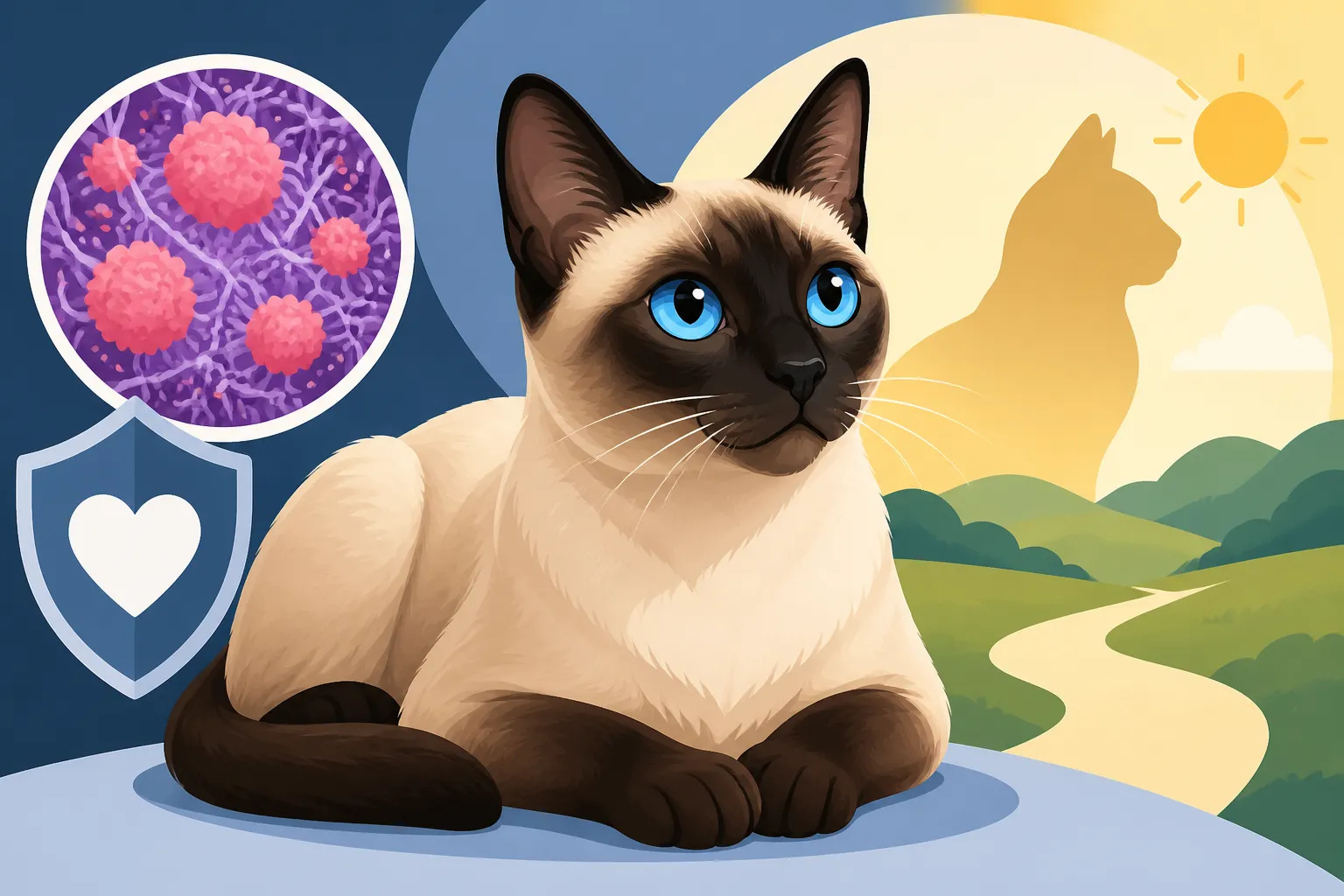
How Long a Siamese Cat Lives After an Amyloidosis Diagnosis
Receiving the news that your beloved Siamese cat has been diagnosed with amyloidosis is truly heartbreaking, often leaving you with a whirlwind of questions, chief among them being, "How much time do we have left?" It's a devastating condition, unique in its insidious progression, and understanding what to expect can help you navigate this incredibly difficult journey. This guide will delve deep into the realities of a Siamese cat's lifespan following an amyloidosis diagnosis, considering the varying forms of the disease and the factors that influence prognosis.
Understanding Siamese Cat Amyloidosis
Amyloidosis isn't a widely understood disease, and for Siamese cat owners, it carries a particularly heavy weight due to the breed's genetic predisposition. It’s a condition characterized by the abnormal buildup of a specific protein, called amyloid, in various organs. Unlike other breeds where it might be a secondary issue, in Siamese cats, it's often a primary, inherited problem.
What Amyloidosis Means for Your Siamese
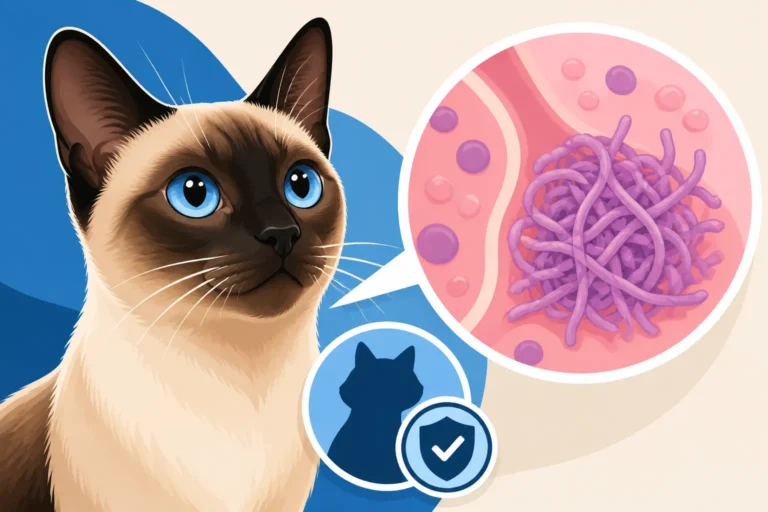
When we talk about amyloidosis in Siamese cats, we're primarily referring to systemic amyloidosis, which means the amyloid protein can deposit in multiple organs throughout the body. However, the most commonly and severely affected organs are the liver and, to a lesser extent, the kidneys. Imagine tiny, insoluble protein fibers accumulating, slowly but surely, like microscopic rust, in the delicate tissues of these vital organs. This buildup disrupts their normal function, making them less efficient and, eventually, causing them to fail.
The liver is often the most critical site for amyloid deposition in Siamese cats. As amyloid builds up, the liver becomes fragile and enlarged. This isn't just about impaired function; it's about the very structure of the organ being compromised. We've talked extensively about Why Amyloid Builds Up in a Siamese Cat's Liver and how it can lead to catastrophic events.
The Silent Progression of the Disease
One of the cruelest aspects of amyloidosis in Siamese cats is its silent progression. Cats are masters at hiding illness, and amyloidosis often gives no obvious warning signs until it's reached an advanced stage. Owners might notice subtle changes—a slight decrease in appetite, a bit more lethargy, maybe some intermittent vomiting—but these are vague symptoms that could point to countless other issues. By the time clear clinical signs appear, such as jaundice (yellowing of the skin and eyes) or a distended abdomen, the amyloid buildup is often significant.
This makes an early diagnosis incredibly challenging. Often, the diagnosis comes after an acute crisis, particularly if the liver is involved. It's not uncommon for a cat to seem relatively healthy one day and then suddenly collapse due to a ruptured liver. This is why many owners unfortunately only discover Why Siamese Cat Amyloidosis Is Usually Found After Death.
Factors Influencing Lifespan After Diagnosis
Once an amyloidosis diagnosis is made, the immediate question is, of course, "How long?" The answer, frustratingly, isn't simple. It hinges on several crucial factors that dictate the disease's progression and your cat's response to care.
The Organ System Affected
The prognosis for a Siamese cat with amyloidosis largely depends on which organ system is most severely affected.
- Liver Amyloidosis: This is often the more urgent and dangerous form. The amyloid deposits make the liver incredibly fragile. The most devastating complication is a spontaneous liver rupture, leading to severe internal bleeding and acute collapse. If your cat presents with Signs a Siamese Cat's Liver Has Ruptured, the situation is dire and often requires immediate emergency veterinary intervention. Even with aggressive treatment, the prognosis for recovery from a rupture is guarded. The sheer suddenness of this crisis leaves little time for intervention, and without it, the outcome is usually fatal within hours.
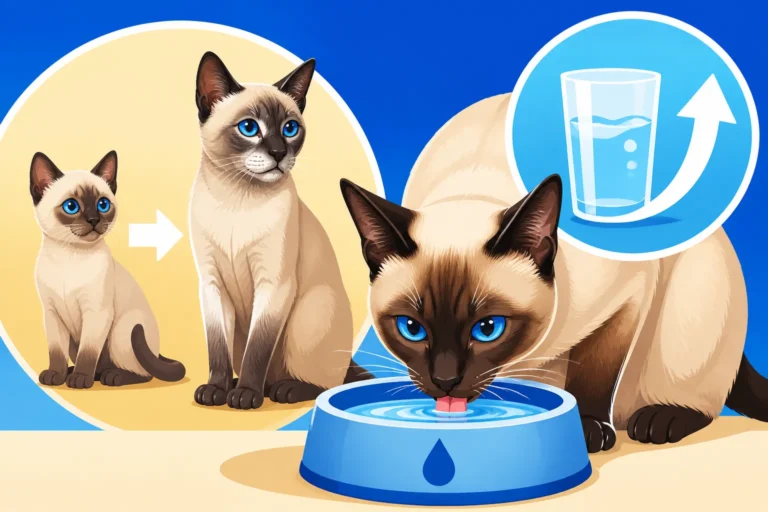
- Kidney Amyloidosis: While still serious, kidney amyloidosis often follows a more chronic course, similar to other forms of chronic kidney disease. Amyloid buildup in the kidneys impairs their ability to filter waste products, leading to kidney failure. Symptoms might include increased thirst and urination, weight loss, and nausea. While progressive, this form often allows for more time and management options compared to an acute liver rupture. We often see What Systemic Amyloidosis Does to a Siamese Cat's Kidneys manifest over a longer period.
Stage of Diagnosis
The stage at which amyloidosis is diagnosed plays a critical role in determining your Siamese cat's remaining lifespan.
- Early, Incidental Diagnosis: This is rare, but sometimes amyloid deposits are discovered incidentally during diagnostics for another condition, or during a pre-emptive biopsy in a suspected genetic case (though a liver biopsy isn't without risk for these fragile livers). If caught very early, before significant organ damage or clinical signs, there might be more time for supportive measures, potentially extending life for months to a year or more. However, specific treatments to remove amyloid are not yet available.
- Late-Stage Diagnosis (Clinical Signs Present): More commonly, the diagnosis comes after symptoms are evident. If your cat is already showing signs like jaundice, severe lethargy, or has experienced a minor bleeding episode, the disease is advanced. In these cases, the prognosis is much shorter, often weeks to a few months, even with aggressive supportive care. The goal then shifts to managing symptoms and ensuring comfort.
Management and Supportive Care
While there's no cure for amyloidosis, supportive care can certainly influence the quality and, to some extent, the length of life after diagnosis.
- Medications: Some veterinarians may recommend drugs like colchicine, which has been shown to slow amyloid deposition in some human and animal forms of the disease. However, its efficacy in Siamese cats specifically is not definitively proven and can vary. Other medications might be used to manage symptoms, such as anti-nausea drugs, appetite stimulants, or diuretics for fluid retention if kidneys are affected.
- Dietary Management: For kidney amyloidosis, a prescription kidney diet can help reduce the workload on the kidneys and slow disease progression. These diets are carefully formulated with controlled protein and phosphorus levels. For liver issues, a highly digestible, good quality protein diet might be recommended to support liver function.
- Fluid Therapy: Subcutaneous fluids can be vital for cats with kidney amyloidosis to combat dehydration and flush waste products. This can significantly improve their comfort and energy levels.
- Pain Management: Ensuring your cat is comfortable is paramount. Pain medication might be necessary, especially if there's discomfort from organ swelling or other complications.
- Monitoring: Regular veterinary check-ups, blood work, and possibly ultrasounds are crucial to monitor disease progression and adjust supportive care as needed. This proactive approach, while costly, can buy precious time. Many owners find that having pet insurance, perhaps from providers like Healthy Paws, can make these intensive monitoring and treatment plans more financially manageable, allowing them to pursue every possible avenue for their beloved cat. Remember, Whether Siamese Cat Amyloidosis Can Be Caught Early depends heavily on regular vet visits and a keen eye.
Expected Lifespan: The Hard Truths
This is where the reality of an amyloidosis diagnosis truly sets in. The answers are often grim, and it’s important to be prepared for the possibilities, no matter how heartbreaking.
Liver Amyloidosis and Acute Crisis
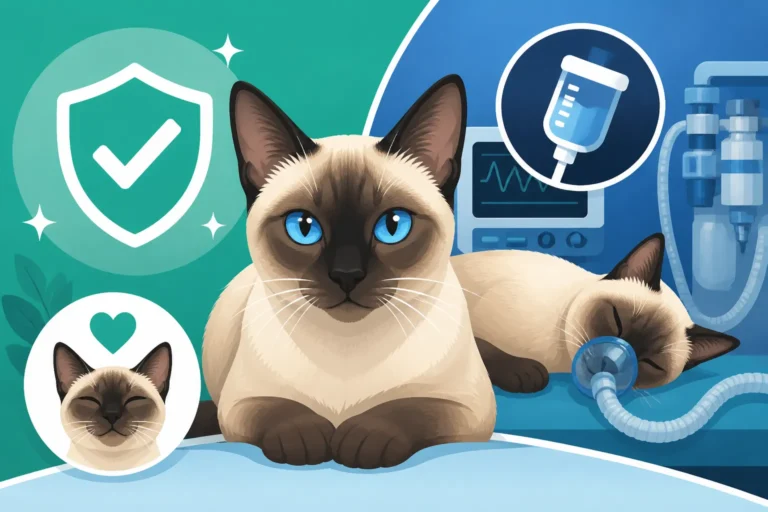
For Siamese cats whose amyloidosis primarily affects the liver, the prognosis is often measured in very short terms once clinical signs appear. If a liver rupture occurs, the outcome is typically acute and devastating. Without immediate, aggressive emergency intervention, including blood transfusions, intravenous fluids, and surgery to stop the bleeding, the cat usually succumbs within hours to a few days. Even with such heroic measures, the fragile nature of the liver often means a very high mortality rate. We touched on How Fast a Siamese Cat Dies From a Liver Bleed previously, and it is indeed a race against time. The best you can hope for in these dire circumstances is to stabilize them, but long-term survival is incredibly rare.
Kidney Amyloidosis and Chronic Decline
When the kidneys are the primary target of amyloid deposition, the disease tends to progress more slowly. This offers a slightly longer window, allowing for chronic management.
- Months to a Year: Many cats with kidney amyloidosis, once diagnosed with clinical signs, may live for several months. With diligent supportive care, including prescription diets, fluid therapy, and medications to manage secondary issues like high blood pressure or anemia, some may even live for a year or potentially longer.
- Quality of Life is Key: The focus shifts heavily to maintaining a good quality of life. This means watching for signs of discomfort, maintaining appetite, and ensuring they remain hydrated. Regular check-ups are essential to catch any downturns promptly. Learning Signs a Siamese Cat's Kidneys Are Failing From Amyloid will empower you to act quickly.
The Emotional Toll for Owners
There's no sugarcoating it: an amyloidosis diagnosis in your Siamese cat is incredibly tough. The unpredictability, especially with liver involvement, can be emotionally exhausting. You're constantly on edge, watching for subtle changes, and fearing the sudden collapse. With kidney amyloidosis, you face a chronic decline, which brings its own unique set of heartaches as you watch your vibrant companion slowly fade. It's a journey that demands immense emotional resilience and self-care. Don't be afraid to lean on your veterinary team for guidance and emotional support, or to seek out online communities of other Siamese owners who understand this particular genetic challenge. Understanding What Amyloidosis Does to a Siamese Cat in its full scope helps prepare you, but nothing truly eases the pain of facing such a prognosis.
Here's a simplified overview of what you might expect:
| Organ Primarily Affected | Stage of Diagnosis | Typical Lifespan Post-Diagnosis (Approx.) | Key Prognostic Factors |
|---|---|---|---|
| Liver | Early/Incidental | Months to 1 year+ (highly variable) | Absence of rupture, effective supportive care |
| Liver | Acute Crisis (Rupture) | Hours to days (even with intervention) | Speed of veterinary care, extent of bleeding |
| Kidneys | Early (Mild symptoms) | 6 months to 2 years | Degree of kidney damage, response to diet/fluids |
| Kidneys | Late (Severe symptoms) | Weeks to a few months | Severity of kidney failure, presence of complications |
Navigating the Challenges of Amyloidosis Care
Caring for a Siamese cat with amyloidosis demands vigilance, dedication, and often, significant financial commitment. This is where the practical side of pet ownership truly comes into play, highlighting the importance of planning.
Financial Considerations and Support
Treating and managing amyloidosis, particularly if it leads to acute emergencies or requires long-term chronic care, can quickly become expensive. Emergency surgeries for liver rupture, ongoing prescription medications, specialized diets, and frequent veterinary visits for monitoring can add up. This is precisely why pet insurance, such as a policy from Healthy Paws, can be an invaluable resource. It helps cushion the financial blow, allowing you to make medical decisions based on what's best for your cat, rather than solely on your budget. It's a conversation worth having with your vet about expected costs and how to best prepare.
End-of-Life Decisions and Comfort Care
Eventually, for almost all cats diagnosed with amyloidosis, the disease will progress to a point where quality of life significantly diminishes. Recognizing the signs of suffering and making the difficult decision for euthanasia is one of the hardest parts of being a pet owner. Your veterinarian can help you assess your cat's quality of life and guide you through this process. Until that time, focusing on comfort care, ensuring they're warm, well-fed (if possible), and loved, becomes the priority. While genetic testing isn't available for this specific type of amyloidosis in Siamese cats, understanding Why There Is No Siamese Cat Amyloidosis Gene Test emphasizes the challenge in prevention and highlights the importance of recognizing the disease's progression.
The Hope for the Future
Despite the current challenges, research into amyloidosis continues. Organizations like the Amyloidosis Research Consortium are always working towards better understanding and treatments for both human and animal patients. While this may not directly help your cat today, supporting such research offers hope for future generations of Siamese cats, perhaps even leading to a genetic test that could allow breeders to screen out carriers of this devastating condition. In the meantime, focusing on comprehensive veterinary care, understanding the breed's predispositions, and considering options like a pet insurance plan from Healthy Paws can help you provide the best possible care for your beloved companion through thick and thin.
Disclaimer
The information provided in this article is for educational purposes only and is not a substitute for professional veterinary advice. Always consult with a qualified veterinarian regarding your Siamese cat's health concerns and treatment options.