What Nystagmus Does to a Siamese Cat
It can be incredibly alarming to notice your beloved Siamese cat's eyes moving involuntarily, darting back and forth or in circles. This unsettling eye movement, known as nystagmus, often leaves owners feeling scared and confused about what's happening to their cherished companion. This guide will walk you through what nystagmus means for a Siamese cat, its causes, and how you can support your feline friend.
Understanding Nystagmus in Siamese Cats
When we talk about nystagmus in Siamese cats, we're referring to rhythmic, involuntary eye movements. It's not something your cat is doing on purpose, and it's certainly not a sign of them just being quirky. Instead, it's a symptom that points to an underlying issue, often related to their neurological system, visual processing, or sometimes, even their unique genetics. Many owners feel a pang of worry when they first observe it, fearing the worst, but understanding what's happening can help alleviate some of that stress and guide you toward getting the right help.
What Nystagmus Looks Like and How to Spot It
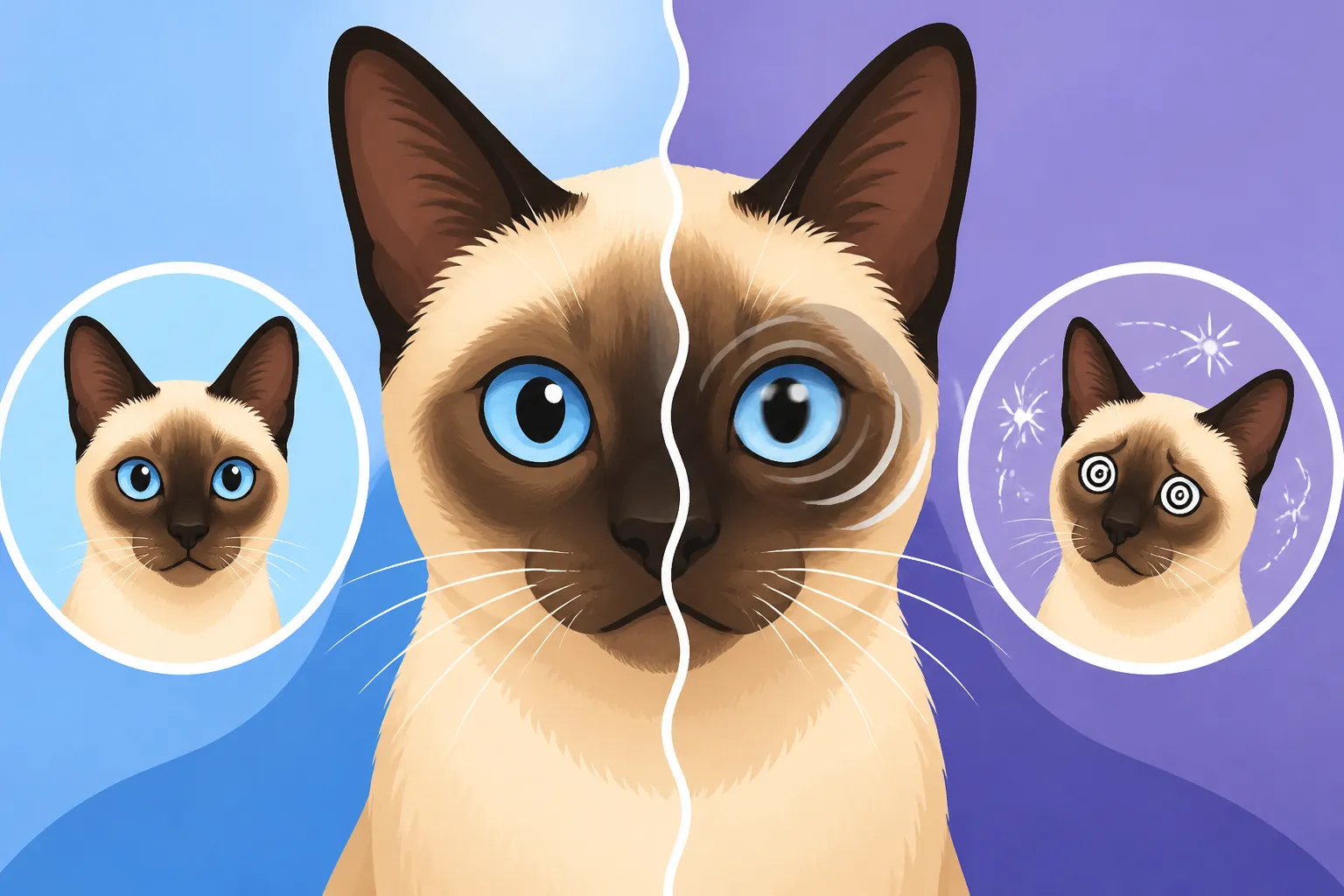
Observing nystagmus in your Siamese can be quite striking. Imagine looking at your cat, and instead of their beautiful blue eyes being still, they're constantly shifting. These movements aren't random twitches; they follow a pattern. You might see their eyes rapidly moving side-to-side (horizontal nystagmus), up and down (vertical nystagmus), or in a circular motion (rotary nystagmus). The speed and direction of these movements can sometimes give your vet clues about the cause.
It's common for these movements to be more noticeable when your cat is focused or stressed, or when their head is in a particular position. Sometimes, it's subtle, only caught when you're looking closely, and other times it's quite pronounced. If you suspect your cat has nystagmus, try to observe when it occurs, how often, and what type of movement you see. Capturing a video on your phone can be immensely helpful for your veterinarian, as the stress of a vet visit can sometimes make the nystagmus temporarily disappear or change.
The Different Forms of Nystagmus
Nystagmus isn't a single condition but rather a symptom that can manifest in several ways, each potentially pointing to different underlying issues. The two main categories are physiological and pathological. Physiological nystagmus is usually normal and occurs in response to certain stimuli, like when your cat is tracking a fast-moving object or looking out a car window (optokinetic nystagmus). This type is generally benign and doesn't indicate a health problem.
Pathological nystagmus, however, is a cause for concern. This is the involuntary, rhythmic eye movement that occurs without any appropriate stimulus. Within pathological nystagmus, vets further differentiate between congenital (present from birth) and acquired (developed later in life) forms. Congenital nystagmus in Siamese cats is often linked to their unique genetic makeup and visual system, whereas acquired nystagmus usually points to an acute neurological problem. Understanding these distinctions is critical for your vet to determine the next steps in diagnosis and treatment.
Why Siamese Cats Can Be Prone to Nystagmus
It's a common concern among Siamese owners: why do these specific cats seem to have a higher incidence of certain unique traits, including some eye conditions? When it comes to nystagmus, there are several factors at play, some of which are inherent to the breed's genetics. It’s not just bad luck; there are physiological reasons why your Siamese might be more susceptible, and recognizing these can help you better advocate for your cat's health. You may have noticed that Why a Siamese Cat's Eyes Cross in many individuals, which is another example of their unique ocular development.
Congenital Nystagmus and Siamese Genetics
Siamese cats are famously known for their beautiful, striking blue eyes, which are a result of their partial albinism, a form of temperature-sensitive albinism that affects their coat and eye pigmentation. This genetic quirk, specifically the tyrosinase gene mutation, also impacts the wiring of their visual pathways. In a typical cat, the optic nerves from each eye cross over and send signals to both sides of the brain, creating a robust, overlapping visual field. In Siamese cats, however, there's often a misrouting of these optic nerve fibers. More fibers cross over to the opposite side of the brain than usual, and fewer go to the same side.
This abnormal visual pathway can lead to various visual processing issues, including strabismus (crossed eyes) and, yes, congenital nystagmus. The brain tries to compensate for these miswired signals, leading to the involuntary eye movements as it struggles to stabilize images. This form of nystagmus is usually present from birth or develops very early in life, and while it might look concerning, many cats with congenital nystagmus adapt remarkably well to their condition, living full and happy lives. It’s part of the unique charm and challenge of owning one of these special felines.
Underlying Medical Conditions Causing Acquired Nystagmus
While congenital nystagmus is often tied to the Siamese breed's unique genetics, acquired nystagmus—meaning it develops later in life—is almost always a red flag for an underlying medical condition. This is where vigilance and prompt veterinary attention become crucial. If your previously steady-eyed Siamese suddenly develops nystagmus, it's time for an immediate vet visit.
One of the most common causes of acquired nystagmus is vestibular disease. The vestibular system, located in the inner ear and brainstem, is responsible for balance and spatial orientation. When this system goes awry, whether due to an inner ear infection, trauma, a tumor, or even idiopathic causes (meaning no known reason), it can lead to disorientation, head tilting, loss of coordination, and nystagmus. Vestibular Disease Signs in a Siamese Cat Kitten are particularly distressing to witness, but it can affect cats of any age. Other neurological issues, such as brain inflammation (encephalitis), stroke, certain toxins, or even nutritional deficiencies, can also disrupt the delicate balance of the visual and neurological systems, manifesting as nystagmus. Your vet will need to perform a thorough examination, possibly including blood work, imaging like an MRI, or even a spinal tap, to pinpoint the exact cause.
Diagnosing and Managing Nystagmus
Discovering that your Siamese cat has nystagmus can be unsettling, but the good news is that understanding the condition is the first step toward effective management. The diagnostic process can sometimes feel like a puzzle, requiring patience and a close partnership with your veterinarian. Once a diagnosis is reached, the focus shifts to alleviating symptoms, treating the underlying cause, and ensuring your cat’s quality of life. Remember, your cat relies on you to be their advocate through this journey, and there are many ways you can provide support.
The Diagnostic Journey: What to Expect at the Vet
When you bring your Siamese in for nystagmus, your vet will start with a comprehensive physical and neurological examination. They'll carefully observe your cat's eye movements, posture, gait, and responses to various stimuli. Don't be surprised if they ask you a lot of questions about when you first noticed the symptoms, if they've changed, and any other unusual behaviors your cat might be exhibiting. Having a video of the nystagmus at home can be invaluable, as cats often behave differently in the clinic environment due to stress.
Next, your vet might recommend a series of diagnostic tests. Blood tests can rule out systemic illnesses, infections, or metabolic imbalances that could be affecting the nervous system. Ear examinations are crucial to check for infections in the inner ear, a common culprit for vestibular issues. Depending on their initial findings, your vet might suggest advanced imaging, such as an MRI or CT scan of the brain and inner ear, to look for tumors, inflammation, or structural abnormalities. In some cases, a consultation with a veterinary neurologist or ophthalmologist might be recommended to get specialized expertise. This thorough approach is essential to distinguish between a benign congenital condition and a more serious acquired problem. It's during these stages that having pet insurance, like a policy from a provider such as Healthy Paws, can really make a difference, covering a significant portion of these diagnostic costs.
Treatment Options and Prognosis
The treatment for nystagmus depends entirely on its underlying cause. If it's congenital nystagmus linked to your Siamese's genetics, there isn't a specific "cure." However, most cats with this type adapt incredibly well. They learn to navigate their environment, and the condition rarely impacts their overall health or lifespan significantly. Your role will be to provide a consistent, safe environment, avoiding sudden changes to furniture or routines, much like you would for How a Blind Siamese Cat Manages.
For acquired nystagmus, treatment focuses on addressing the root cause. If an ear infection is diagnosed, antibiotics or antifungals will be prescribed. In cases of inflammation, steroids might be used. If a tumor is found, options could include surgery, radiation, or chemotherapy, though these are often complex and expensive choices. For idiopathic vestibular disease, supportive care is usually the main treatment, which may include anti-nausea medications and maintaining hydration, as the condition often resolves on its own within a few weeks. The prognosis varies widely, from excellent for idiopathic vestibular disease to guarded for certain neurological conditions or aggressive cancers. Regardless of the cause, managing discomfort and ensuring your cat's safety are always top priorities. This ongoing care, especially with chronic conditions, highlights the value of having a good pet insurance plan from a company like Healthy Paws to help with veterinary bills.
| Type of Nystagmus | Common Causes | Typical Onset | Prognosis | Treatment Approach |
|---|---|---|---|---|
| Congenital | Genetic (visual pathway miswiring) | Birth or early kittenhood | Generally excellent; most cats adapt well | No specific cure; environmental management and support |
| Acquired (Vestibular) | Inner ear infection, idiopathic, trauma, tumor | Any age | Good for idiopathic and infection-related; varies for others | Address underlying cause (antibiotics, steroids); supportive care |
| Acquired (Neurological) | Brain inflammation, stroke, toxicity, tumor | Any age | Varies greatly, often serious depending on cause | Treat underlying neurological condition; supportive care |
Living with a Siamese Cat Affected by Nystagmus
Living with a Siamese cat with nystagmus, particularly if it's congenital, often means making minor adjustments to ensure their comfort and safety. While the eye movements might look disorienting to us, many cats with long-standing nystagmus develop incredible compensatory strategies. Their other senses, especially hearing and touch, become heightened, allowing them to navigate their familiar surroundings with surprising agility. Your cat might rely more on scent marking and tactile cues to understand their space.
The best thing you can do is maintain a consistent environment. Avoid rearranging furniture frequently, keep pathways clear, and ensure food, water, and litter boxes are always in the same, easily accessible spots. Provide plenty of vertical space with cat trees or shelves, but ensure they are sturdy and easy to climb. Regular playtime and mental enrichment are still crucial, helping your cat feel engaged and confident. If the nystagmus is due to an underlying, treatable condition, following your vet's instructions for medication and follow-up appointments is paramount. Observing Signs a Siamese Cat Is Unwell in general, beyond just their eye movements, is critical for early intervention. Even with conditions that require ongoing management, remember that a Siamese cat, with their resilient spirit and strong bond with their humans, can thrive with the right support.
Disclaimer
This article is intended for informational purposes only and does not constitute veterinary advice. Always consult with a qualified veterinarian for any health concerns or before making any decisions about your pet's health or treatment.