How Psychogenic Alopecia in a Siamese Cat Is Treated
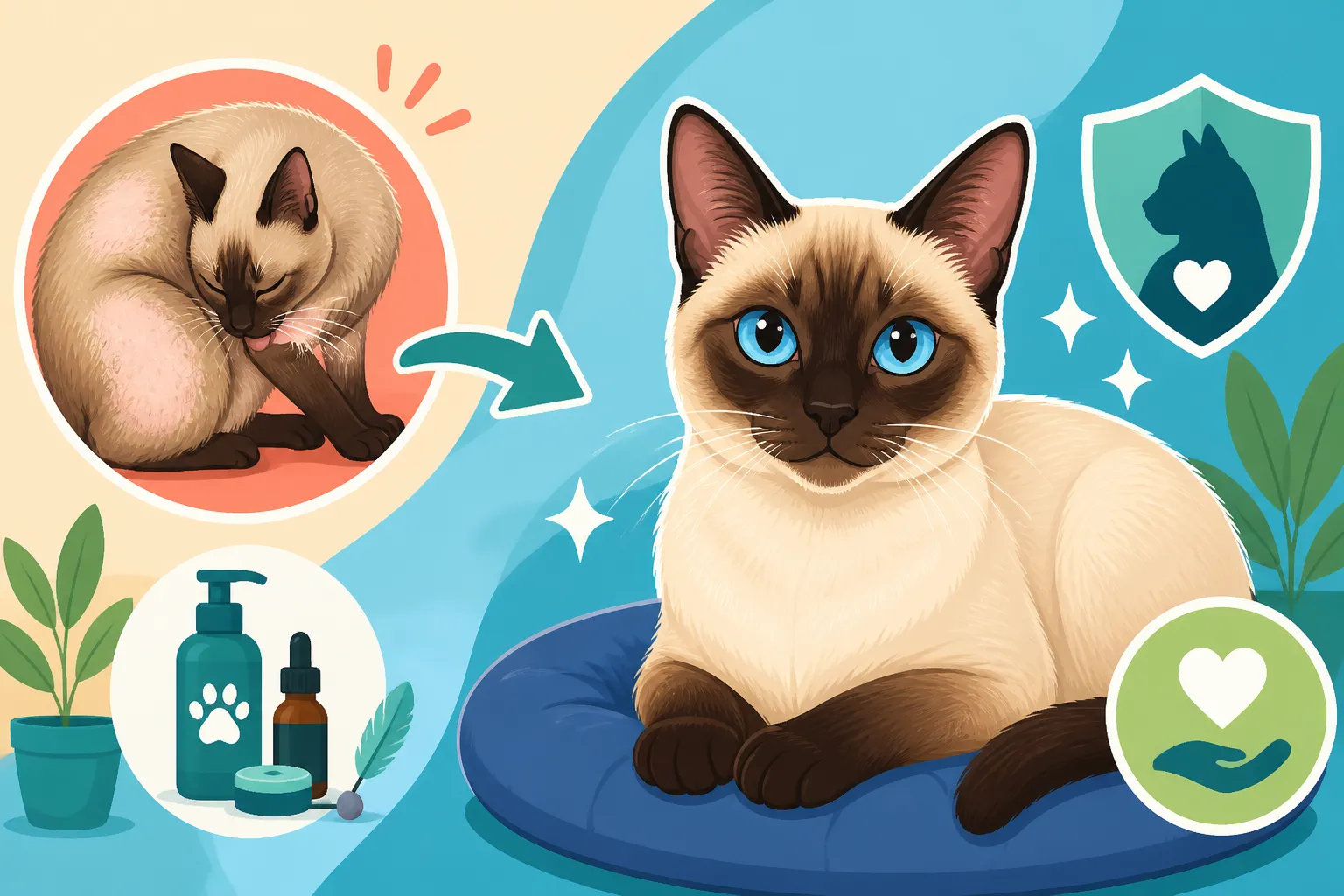
It’s heartbreaking to watch your beloved Siamese cat incessantly lick, chew, and pull out their fur, often leaving raw patches or bald spots. This isn't just a quirky habit; it's a desperate cry for help, a sign they're feeling anxious, stressed, or uncomfortable. This guide is here to walk you through understanding why your Siamese might be engaging in this frustrating behavior, known as psychogenic alopecia, and, most importantly, explore the comprehensive treatment strategies available to bring them comfort and peace.
Understanding Why Your Siamese Cat Licks Itself Bald
Seeing your elegant Siamese cat with a ragged coat or, worse, bald patches, is a truly worrying experience. You might feel confused, frustrated, and deeply concerned for their well-being. The first, and most crucial, step is understanding why this is happening. While our immediate thought might jump to external parasites or allergies, the truth is often much more complex, especially for a breed as sensitive and intelligent as the Siamese.
The Root Cause: Stress and Anxiety
Siamese cats are renowned for their vibrant personalities, their vocalizations, and their deep bonds with their human companions. But this very sensitivity, this intense connection, also makes them highly susceptible to stress and anxiety. When a Siamese cat experiences chronic stress, they often resort to compulsive behaviors as a coping mechanism, and excessive grooming, leading to psychogenic alopecia, is one of the most common manifestations. It’s their way of trying to self-soothe when their world feels out of balance.
Think about it from their perspective: a sudden change in routine, a new person or pet in the house, even furniture being rearranged can be deeply unsettling. Loneliness, lack of mental stimulation, or perceived threats (like a neighborhood cat staring through the window) can all trigger a stress response. For a Siamese, who thrives on predictability and interaction, any disruption to their established rhythm can be profoundly impactful. They can’t tell us in words that they’re worried about their owners returning to the office, or that they miss a family member who moved out, but their excessive licking is a clear indicator that something isn't right in their world. You might have noticed that this obsessive licking often starts after a specific event, but sometimes, the stressor can be so subtle that it’s hard for us, as their humans, to pinpoint immediately. You can read more about Psychogenic Alopecia in a Siamese Cat to understand the condition further.
Differentiating from Medical Causes
Before you even begin to consider psychological or behavioral interventions, it’s absolutely paramount to rule out any underlying medical conditions. This is not just a suggestion; it's a critical first step. Many physical ailments can mimic the symptoms of psychogenic alopecia, and you wouldn't want to treat anxiety when your cat is actually suffering from a treatable physical issue. Common culprits include:
- Allergies: Cats can develop allergies to food, environmental factors (like pollen or dust mites), or even certain materials in their bedding. These can cause intense itching, leading to excessive licking.
- Parasites: Fleas, mites (like Cheyletiella or Notoedres), and even ringworm can cause severe itchiness and skin irritation. Even if you don't see visible parasites, they could be present.
- Pain: Arthritis, dental issues, bladder problems, or even internal organ discomfort can lead a cat to excessively lick a specific area of their body in an attempt to alleviate the pain. It’s not uncommon for a cat with urinary tract issues to lick their belly raw.
- Infections: Bacterial or fungal skin infections can also cause itching and discomfort.
A thorough veterinary examination is non-negotiable. Your vet will likely perform a series of diagnostic tests. This might include skin scrapes to look for mites, fungal cultures to check for ringworm, blood tests to assess overall health and rule out systemic issues like hyperthyroidism or kidney disease (which can sometimes cause itching), and potentially even allergy tests or elimination diets. In some cases, a biopsy of the affected skin might be recommended to confirm the absence of a primary skin disease. Don't be surprised if your vet wants to explore every possible physical cause; they’re ensuring your Siamese isn't suffering needlessly. This comprehensive approach is vital, as ignoring a medical issue could lead to serious health complications down the line. It's important to be vigilant for Signs a Siamese Cat Is Unwell in general.
Environmental and Behavioral Treatments for Psychogenic Alopecia
Once medical causes have been thoroughly ruled out by your veterinarian, you can then focus on addressing the behavioral and environmental factors contributing to your Siamese cat's psychogenic alopecia. This is where you, as their dedicated caregiver, play the most significant role in their recovery. It's not about "fixing" your cat, but about creating an environment that supports their emotional well-being and helps them feel safe and secure.
Enriching Their World: Making Home a Haven
Siamese cats are intelligent, curious, and incredibly active. A bored Siamese cat is a stressed Siamese cat. They need mental and physical stimulation to thrive, and a lack thereof can easily lead to anxiety and compulsive behaviors like over-grooming. The goal here is to transform your home into a stimulating and engaging haven that combats boredom and encourages positive outlets for their energy.
Consider vertical space, for instance. Cats naturally love to climb and observe their territory from a high vantage point. Tall cat trees, wall-mounted shelves, or even clear spaces on top of bookcases can provide invaluable opportunities for them to survey their domain, feel secure, and expend some energy. Look for sturdy options that won't wobble, as a nervous cat won't use an unstable perch.
Interactive play is another cornerstone of enrichment. Forget leaving a pile of toys out all day; Siamese cats, with their sharp minds, quickly tire of static objects. Instead, dedicate at least two to three short, intense play sessions each day – think 10-15 minutes of focused interaction. Use wand toys, feather teasers, or even laser pointers (ending the session with a tangible "catch" to prevent frustration). This mimics hunting behavior, taps into their natural instincts, and helps release pent-up energy and stress. Puzzle feeders are also fantastic. Instead of simply placing food in a bowl, make them work for it. These feeders dispense food slowly or require manipulation to get treats out, providing mental stimulation that can prevent boredom-induced licking. Rotate toys regularly to keep things fresh and exciting. A cat that's engaged and stimulated is less likely to resort to self-destructive grooming. For more ideas, explore Enrichment for a Siamese Cat That Gets Bored in an Hour.
Reducing Stressors and Building Routine
Siamese cats thrive on predictability. A consistent routine acts as a psychological anchor, letting them know what to expect and reducing anxiety about the unknown. Establish a regular schedule for feeding, playtime, grooming (gentle brushing, not focused on bald spots), and even cuddles. This structure provides a sense of security that can be incredibly calming.
Beyond routine, actively work to identify and minimize stressors in their environment. This might involve simple changes like ensuring their litter box is always clean and in a quiet, accessible location, or providing multiple water sources (some cats prefer running water from a fountain, others still prefer a bowl). If outdoor cats are a stressor, consider blocking their view from certain windows. Loud noises, sudden changes in household dynamics, or even a strong new scent can be upsetting. Think about what might have changed just before the over-grooming began.
Pheromone diffusers, such as Feliway Classic or Feliway Multicat, can be incredibly helpful in creating a calming atmosphere. These diffusers release synthetic versions of natural feline facial pheromones, which signal safety and contentment to cats. While not a standalone solution, they can significantly contribute to reducing anxiety levels, especially during periods of transition or if you have a multi-cat household. Place them in the areas where your Siamese spends the most time.
Addressing Loneliness and Social Needs
Siamese cats are often described as "Velcro cats" for a reason – they crave companionship and interaction with their humans. They are not content to be aloof observers; they want to be part of the action, often following you from room to room. Leaving a Siamese cat alone for long periods can lead to significant loneliness and separation anxiety, which can manifest as excessive grooming.
If you have a demanding work schedule, or if your Siamese cat seems particularly distressed when left alone, increasing direct interaction time is essential. This means not just play, but also quality cuddle time, talking to them, and simply having them in the same room as you while you go about your day. Consider creating a special "spot" for them near your workspace if you work from home, so they feel included without demanding constant attention.
For some Siamese cats, especially those from busy households or who have experienced profound loneliness, introducing a compatible companion might be a viable solution. This isn't a decision to be taken lightly, as a new pet can also be a stressor. However, a well-matched companion, perhaps another social and playful cat, can provide much-needed company and interaction when you're not around. It’s worth exploring if A Siamese Cat Should Not Live Alone or Whether a Siamese Cat Needs a Companion Cat would benefit your specific situation. If you're considering a new companion, discuss it with your vet or a feline behaviorist to ensure a smooth introduction and a good match. The goal is to provide comfort, not add more stress.
Medical and Holistic Approaches When Stress Runs Deep
Sometimes, despite our best efforts with environmental enrichment and behavioral adjustments, the underlying anxiety in a Siamese cat can be so profound that additional intervention is needed. This is where your veterinarian or a certified feline behaviorist becomes an even more invaluable partner. These approaches aren't meant to replace the foundational work of managing stressors and enriching their environment, but rather to support and enhance those efforts, helping your cat break the cycle of anxiety-driven grooming.
When Medication Becomes Necessary
It’s completely understandable to feel hesitant about putting your cat on medication, but sometimes, it’s the kindest thing you can do for a severely anxious feline. Anti-anxiety medications are not a "quick fix" or a way to simply sedate your cat; instead, they work to rebalance brain chemistry, making your cat more receptive to behavioral modifications and less overwhelmed by their environment. Think of them as a helping hand that allows the other strategies to actually work.
Your vet might prescribe medications like selective serotonin reuptake inhibitors (SSRIs), such as fluoxetine (Prozac for cats), or tricyclic antidepressants (TCAs), like clomipramine. These medications aim to reduce anxiety levels and compulsive behaviors. It's crucial to understand that these drugs take time to work, often weeks, and require careful monitoring. Your vet will start with a low dose and gradually adjust it as needed. There might be some initial side effects, such as lethargy or changes in appetite, but these often subside as your cat adjusts. Open communication with your vet about any concerns or observed changes in behavior is vital throughout this process.
It's also important to remember that medication is rarely a standalone solution. It works best when combined with a robust behavioral modification plan and a stable, enriched home environment. The goal is often to use medication to help them through a particularly difficult period or to manage chronic, severe anxiety, potentially tapering them off once positive behavioral changes are firmly established. The cost of such medications and regular vet check-ups can add up, and this is where pet insurance, like a plan from Healthy Paws, can be a huge relief, covering a significant portion of these ongoing expenses.
Alternative and Complementary Therapies
For owners seeking additional or non-pharmacological support, there's a growing interest in alternative and complementary therapies. While some of these lack extensive scientific backing in felines, many owners report positive experiences, and they can be considered under veterinary guidance.
One increasingly popular option is CBD for pets. While research is ongoing, some anecdotal evidence suggests it can help calm anxious cats. However, the market is unregulated, and dosage can be tricky. Always consult your vet before introducing any CBD product, ensuring it's specifically formulated for pets and comes from a reputable source. Never use human CBD products.
Other avenues include acupuncture, which some holistic vets offer to help with pain and anxiety, and herbal remedies or nutritional supplements containing calming ingredients like L-theanine or alpha-casozepine (derived from milk protein). These can sometimes provide mild calming effects.
Another powerful tool is a feline behaviorist. These are professionals (often veterinary behaviorists or certified applied animal behaviorists) who specialize in understanding and modifying cat behavior. They can help you identify subtle stressors you might have missed, develop a highly tailored behavior modification plan, and guide you through implementing it effectively. They offer invaluable expertise when your cat's anxiety feels overwhelming and standard approaches aren't yielding sufficient results.
The Role of Nutritional Support
While not a primary treatment for psychogenic alopecia, diet can play a supportive role in managing stress and anxiety in Siamese cats. Certain prescription diets are formulated with ingredients designed to promote calmness. These often contain:
- Hydrolyzed milk protein (alpha-casozepine): This peptide has calming properties and can help reduce stress-related behaviors.
- L-tryptophan: An amino acid precursor to serotonin, a neurotransmitter associated with mood regulation and well-being. Increased dietary tryptophan may help support serotonin production in the brain.
- B vitamins: Essential for neurological function and overall health.
Discussing these options with your vet is important. They can recommend specific therapeutic diets or supplements that might be beneficial for your Siamese cat's unique needs. Ensuring a high-quality, balanced diet overall is always crucial for maintaining physical and mental health. A cat struggling with nutritional deficiencies might also exhibit behavioral issues or a heightened stress response.
Long-Term Management and Support for Your Siamese Cat
Treating psychogenic alopecia in a Siamese cat is rarely a sprint; it's a marathon that requires patience, consistency, and a deep understanding of your cat's individual needs. It's about ongoing management, continuous observation, and a willingness to adjust strategies as your cat's needs evolve. The goal is to not just stop the licking, but to cultivate a truly happy, secure, and enriched life for your feline companion.
Monitoring Progress and Adjusting Strategies
One of the most effective tools in long-term management is meticulous observation and record-keeping. Start a journal or use an app to track your cat's behavior. Note down:
- Licking episodes: When do they occur? How long do they last? What area of the body is targeted?
- Potential triggers: What was happening right before the licking started? Was there a loud noise, a visitor, a change in your schedule, or simply a lack of attention?
- Interventions: What did you try to redirect them? (e.g., play, a treat, a cuddle).
- Medication effects: If on medication, note any changes in behavior, appetite, or energy levels.
- Overall mood: Is your cat more relaxed, engaged, or still withdrawn?
- Fur regrowth: Is the bald patch showing signs of improvement? You'll be keen to see Whether a Siamese Cat's Bald Patch Grows Back.
This detailed log will be invaluable for your vet or feline behaviorist to assess the effectiveness of current treatments and make informed adjustments. It allows for a data-driven approach rather than relying solely on subjective feelings. You might find that certain enrichment activities are more effective than others, or that a particular time of day consistently triggers anxiety. Staying connected with your vet for regular check-ups is also paramount. They can monitor your cat's physical health, evaluate the progress of their skin, and make any necessary adjustments to medication dosages or behavioral plans. Remember, what works perfectly for one Siamese cat might not be ideal for another, so flexibility is key.
Financial Considerations and Pet Insurance
It’s an unfortunate reality that addressing chronic health and behavioral issues can become quite costly, and psychogenic alopecia is no exception. Between initial veterinary consultations, diagnostic tests (to rule out medical causes), potential specialist visits (like a veterinary dermatologist or behaviorist), ongoing medication, and continuous enrichment items, the expenses can quickly add up. This financial burden can be a source of stress for owners, but it’s important to remember that investing in your cat’s health and happiness is always worthwhile.
This is where pet insurance can be a genuine lifesaver. Companies like Healthy Paws offer comprehensive plans that can cover a significant portion of accident and illness costs, including chronic conditions and even some behavioral therapies when prescribed by a vet. Imagine the peace of mind knowing that if your Siamese cat needs long-term medication, regular follow-up appointments, or even a consultation with a specialist, a large part of that financial strain is eased. When considering a policy, always read the fine print to understand what is covered, especially regarding pre-existing conditions and behavioral treatments. Planning for the long haul is crucial, as the average lifespan of a Siamese cat can be The Fifteen to Twenty Years a Siamese Cat Gets, meaning many years of potential care. For a deeper dive into the financial aspects, you might want to look at What a Siamese Cat Costs Over Twenty Years and What Insuring a Siamese Cat Costs a Month. Proactive financial planning allows you to focus on what truly matters: your cat's recovery and well-being.
Treatment Options for Psychogenic Alopecia in Siamese Cats
| Treatment Category | Description | Pros | Cons |
|---|---|---|---|
| Veterinary Diagnosis | Thorough physical exam, skin scrapes, blood tests, urine analysis to rule out medical causes (allergies, parasites, pain, systemic illness). | Essential first step, ensures correct treatment. | Can be costly; may require multiple visits/tests. |
| Environmental Enrichment | Providing vertical spaces, puzzle feeders, regular interactive play, rotating toys, catio access. | Addresses boredom, natural instincts, non-invasive, no side effects. | Requires consistent effort from owner, may not be enough for severe cases. |
| Behavioral Modification | Establishing consistent routines, minimizing identified stressors, using pheromone diffusers (e.g., Feliway), positive reinforcement. | Creates stability, reduces anxiety, non-invasive. | Requires patience, stressors not always obvious, can be slow to show results. |
| Pharmacological (Medication) | Anti-anxiety medications (SSRIs, TCAs) prescribed by a vet, often used in conjunction with behavioral therapy. | Can significantly reduce anxiety and compulsive licking, faster relief. | Potential side effects, takes weeks to show effect, ongoing cost, requires vet monitoring. |
| Nutritional Support | Therapeutic diets or supplements with calming ingredients (e.g., L-tryptophan, alpha-casozepine). | Non-invasive, can complement other treatments. | Not a standalone solution, effects can be subtle, requires vet consultation. |
| Feline Behaviorist | Consultation with a specialist to develop a tailored behavior modification plan. | Expert guidance, personalized strategies, identifies subtle triggers. | Can be expensive, may not be readily available in all areas. |
| Pet Insurance | Coverage from providers like Healthy Paws for illness-related vet visits, diagnostics, and prescriptions. | Reduces financial burden of chronic care, provides peace of mind. | Monthly premiums, potential deductibles, may not cover pre-existing conditions. |
Disclaimer
The information provided in this article is for general informational purposes only and is not intended as a substitute for professional veterinary advice. Always consult with a qualified veterinarian for any health concerns or before making any decisions related to your pet's health and treatment.