Which Steroid a Siamese Cat With Asthma Takes
It’s truly disheartening when your energetic, vocal Siamese cat starts struggling to breathe, maybe with a persistent cough that sounds more like a hack than a typical hairball. Feline asthma can be a terrifying diagnosis, leaving you scrambling to understand treatment options, especially when steroids are mentioned. This guide will walk you through the various steroid medications commonly prescribed for Siamese cats with asthma, explaining what they do, when they're used, and what you, as their dedicated owner, need to know to manage this chronic condition effectively.
Understanding Feline Asthma in Siamese Cats
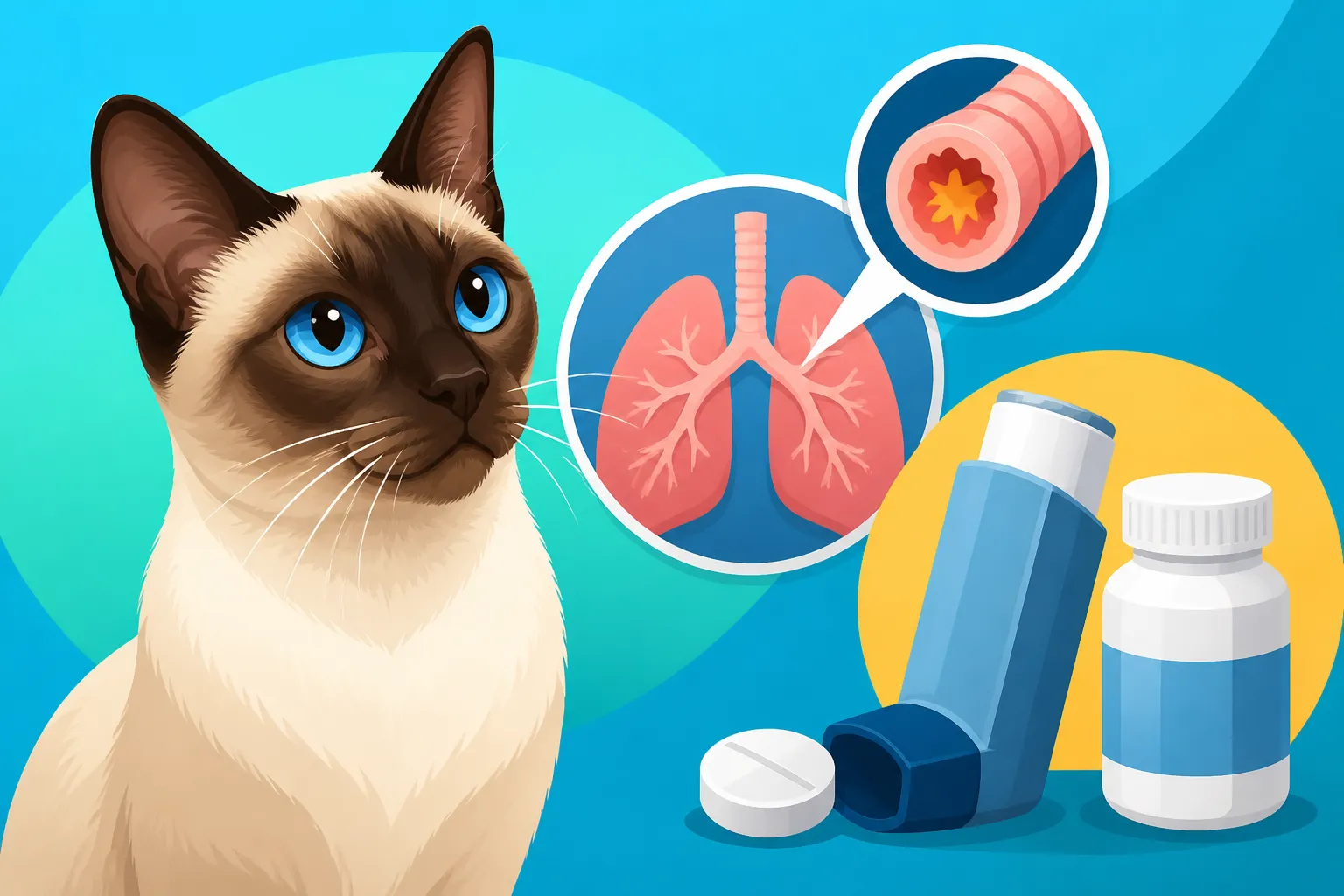
Feline asthma is a respiratory condition characterized by inflammation and narrowing of the airways, leading to coughing, wheezing, and difficulty breathing. It’s essentially the same as human asthma, just in a feline package. Siamese cats, unfortunately, seem to be predisposed to this condition more than many other breeds. Their unique genetics may play a role in why their immune systems sometimes overreact to airborne allergens, triggering those frustrating asthma attacks.
The Unique Challenges of Asthma Diagnosis in Siamese Cats
Diagnosing asthma in a Siamese cat can sometimes feel like a puzzle with missing pieces. You might first notice subtle changes: a little less energy, a quiet cough here and there that you initially dismiss as a hairball. But then it escalates. You see them hunched, neck extended, struggling for air, or hear that distinctive wheeze. Vets often rely on a combination of physical examination, chest X-rays to look for specific patterns in the lungs (sometimes called a "doughnut" pattern), and sometimes even bronchoalveolar lavage (BAL) for a definitive diagnosis.
The challenge is that many other conditions can mimic asthma symptoms, such as heartworm disease, lungworm, or even certain cancers. Because Siamese cats are prone to a range of health issues, your vet will want to rule out these possibilities. For instance, diagnosing asthma can sometimes be confused with other serious issues, so getting a clear picture is crucial. If you've been grappling with confusing symptoms, you might find more helpful information in our guide on Asthma Symptoms in a Siamese Cat. It’s a road of careful observation and diagnostic steps, but getting an accurate diagnosis is the first and most vital step towards effective management.
Why Steroids Are a Go-To for Feline Asthma
Once asthma is diagnosed, steroids often become the cornerstone of treatment. Why? Because the core problem in asthma is inflammation. The airways become swollen and irritated, making it hard for air to pass through. Steroids, specifically corticosteroids, are powerful anti-inflammatory medications. They work by suppressing the immune system's inflammatory response, reducing the swelling in the airways, and helping to relax the muscles around the bronchioles. This opens up the air passages, making it easier for your Siamese to breathe, reducing coughing, and improving their overall quality of life.
The goal isn't necessarily to cure asthma – it's often a chronic condition – but to manage it effectively, prevent severe attacks, and keep your cat comfortable. Steroids do this very well. Without them, uncontrolled inflammation can lead to permanent damage to the lungs over time. However, like any powerful medication, steroids come with potential side effects, which is why your vet will always aim for the lowest effective dose and the most appropriate delivery method.
The Primary Steroids Used for Siamese Cat Asthma
When it comes to treating feline asthma, veterinarians have a few different types of steroids in their arsenal, each with its own advantages and disadvantages. The choice often depends on the severity of your cat's asthma, their response to treatment, and your ability to administer the medication.
Inhaled Steroids: Fluticasone and Its Benefits
For many Siamese cats with chronic asthma, inhaled corticosteroids are the preferred long-term treatment. The most common inhaled steroid for cats is fluticasone propionate, often known by its human brand names like Flovent. The huge advantage here is that the medication is delivered directly to the lungs, where it's needed most, minimizing systemic absorption and thus reducing the risk of widespread side effects.
To administer fluticasone, you'll use a special feline-specific inhaler device, like the AeroKat or AeroDawg spacer, which attaches to a metered-dose inhaler. Your cat breathes the medicine through a mask that fits snugly over their nose and mouth. This might sound intimidating, but many cats adapt surprisingly well to it, especially with positive reinforcement. Consistent use is key, usually once or twice a day, to keep inflammation under control and prevent attacks. You can dive deeper into the practicalities of how this works in our article, How a Siamese Cat Uses an Inhaler. While the initial setup might feel like a hurdle, the long-term benefits for your cat’s health are immense, and resources like Healthy Paws pet insurance can often help cover the costs of these specialized treatments and devices. The yearly cost of fluticasone can be a significant budget item, so understanding What a Year of Fluticasone Costs a Siamese Cat Owner can be very helpful.
Oral Steroids: Prednisolone and When It's Necessary
Oral corticosteroids, primarily prednisolone (or sometimes prednisone, which cats convert to prednisolone), are another common treatment route. Prednisolone is a very effective anti-inflammatory, and it works quickly, making it suitable for acute asthma attacks or when inhaled steroids alone aren't sufficient. It's also often used to "jumpstart" treatment, bringing severe inflammation under control before transitioning to inhaled steroids.
However, because oral prednisolone is absorbed throughout the body, it carries a higher risk of systemic side effects, especially with long-term use. These can include increased thirst, increased urination, increased appetite leading to weight gain, and in some cases, more serious issues like diabetes or immune suppression. For these reasons, vets usually aim to taper oral prednisolone to the lowest effective dose or transition to inhaled steroids as soon as possible for maintenance. Administering pills can also be a challenge for some cats and their owners, though Siamese cats are generally quite intelligent and can often be trained with positive reinforcement.
Injectable Steroids: Depo-Medrol and Its Role
In certain situations, particularly when owner compliance with daily oral or inhaled medications is a major concern, or in emergency situations where quick, potent relief is needed, an injectable steroid like methylprednisolone acetate, commonly known as Depo-Medrol, might be used. Depo-Medrol is a long-acting injectable steroid that releases medication slowly over several weeks.
While incredibly convenient – a single injection can provide relief for weeks or even months – this convenience comes with a significant trade-off: a higher risk of side effects due to the sustained, high systemic dose. The body is exposed to a constant level of steroids, which can lead to more pronounced side effects, including a higher incidence of diabetes in some cats. Because of these risks, Depo-Medrol is generally reserved for situations where other options are not feasible, or for very short-term, acute management. Most veterinarians prefer to avoid long-term Depo-Medrol use if possible, opting for the more controlled and localized effects of inhaled steroids or carefully managed oral prednisolone.
Here's a quick comparison of the common steroid options for feline asthma:
| Steroid Type | Common Medication | Delivery Method | Primary Advantage | Primary Disadvantage | Typical Use Case |
|---|---|---|---|---|---|
| Inhaled | Fluticasone | Inhaler with spacer | Direct to lungs, fewer systemic side effects | Requires training, daily administration | Long-term maintenance, prevention of attacks |
| Oral | Prednisolone | Pill | Quick onset, easy to adjust dose | Systemic side effects, daily administration | Acute attacks, initial stabilization |
| Injectable | Depo-Medrol | Injection | Long-lasting effect, high convenience | High systemic side effects, less dose control | Emergency, poor compliance with other methods |
Navigating Side Effects and Long-Term Management
Understanding the different types of steroids is just the beginning. Living with a Siamese cat with asthma means entering into a long-term partnership with your vet to manage their condition effectively while minimizing potential complications from medication. It’s a delicate balance, and constant vigilance is key.
Common Side Effects of Steroid Use in Siamese Cats
Even with the best intentions and careful dosing, steroids can lead to side effects. For cats on oral prednisolone, you might notice them drinking more water, peeing more frequently (sometimes even outside the litter box), and having an insatiable appetite that can lead to weight gain. These are generally mild and reversible once the steroid dose is reduced or stopped. However, long-term oral steroid use can predispose cats to more serious conditions like diabetes mellitus or Cushing's disease (hyperadrenocorticism). It can also suppress their immune system, making them more susceptible to infections.
With inhaled fluticasone, systemic side effects are much less common because the medication primarily stays in the lungs. However, some cats can develop fungal infections in their mouth or throat, though this is rare and often managed by rinsing the mouth after inhalation (which is much harder to do with a cat than a human!). With Depo-Medrol injections, the risk of diabetes is particularly elevated due to the sustained high dose. It's crucial to discuss these risks with your vet and weigh them against the benefits for your individual Siamese cat. Companies like Healthy Paws can be a lifesaver in helping manage these ongoing health costs.
Minimizing Risks and Monitoring Your Cat's Health
The key to minimizing steroid side effects is always to use the lowest effective dose for the shortest duration necessary. For chronic asthma, inhaled steroids are generally the safest long-term option due to their localized action. Your vet will carefully monitor your cat, often recommending regular check-ups, blood tests, and urinalysis to catch any emerging issues early. For instance, blood tests can monitor for elevated glucose levels if diabetes is a concern, or assess kidney and liver function. If your Siamese cat is on oral or injectable steroids, your vet might recommend more frequent monitoring than for a cat solely on inhaled medication.
Beyond medication, ensuring a clean, dust-free environment can also significantly reduce asthma triggers. Consider using an air purifier, switching to dust-free litter (our guide on Which Litter Suits an Asthmatic Siamese Cat has some great tips), and avoiding strong scents, sprays, and cigarette smoke. Small environmental changes can make a big difference, potentially allowing for lower steroid doses over time. If your cat tolerates it, regularly grooming your Siamese can also help reduce airborne dander.
The Importance of a Comprehensive Treatment Plan Beyond Steroids
While steroids are vital, they are just one part of a comprehensive management plan for feline asthma. Your vet might also recommend bronchodilators, such as albuterol, which quickly open the airways during an acute attack. These are often given via an inhaler, similar to fluticasone, but are used on an as-needed basis rather than daily.
Diet can also play a role, with some vets suggesting specific foods to support respiratory health, though evidence for specific "asthma diets" is still emerging. Weight management is crucial, as obese cats often have more severe asthma symptoms. And don't underestimate the power of regular, gentle exercise to keep their lungs strong, provided they are not experiencing an attack. If your Siamese cat has been diagnosed with asthma, it’s worth reviewing resources like How a Siamese Cat's Asthma Is Treated to understand the full spectrum of available interventions. While asthma can be a challenging condition, with a dedicated vet and a proactive approach, your Siamese cat can still enjoy a wonderful, full life. Remember that pet insurance, like policies from Healthy Paws, can provide significant financial relief for ongoing chronic conditions.
Disclaimer
This article is for informational purposes only and is not a substitute for professional veterinary advice. Always consult with a qualified veterinarian for any health concerns or before making any decisions about your pet's medical care.