Gingivitis in a Siamese Cat
It’s a common scenario for many Siamese cat owners: you notice a slight change in your beloved feline’s breath, maybe a reluctance to crunch on their favorite dry food, but you tell yourself it’s probably nothing serious. The truth is, dental problems, particularly gingivitis, are incredibly prevalent in our Siamese companions, often lurking silently until they become quite advanced. It can feel overwhelming to navigate, especially when our cats are so good at hiding discomfort. This comprehensive guide is here to walk you through everything you need to know about gingivitis in Siamese cats, from identifying the subtle signs to proactive prevention and management, ensuring your vocal friend keeps their dazzling smile and stays healthy.
Understanding Gingivitis in Your Siamese Cat
Gingivitis is not just "bad breath"; it's a serious inflammation of the gums that can lead to more significant health issues if left unchecked. For Siamese cat owners, it's particularly important to be vigilant, as these intelligent and sensitive felines can be prone to dental problems, sometimes even more so than other breeds. Understanding what gingivitis is and why your Siamese might be susceptible is the first step toward protecting their oral health.
What Exactly Is Gingivitis and Why Siamese Cats Are Prone
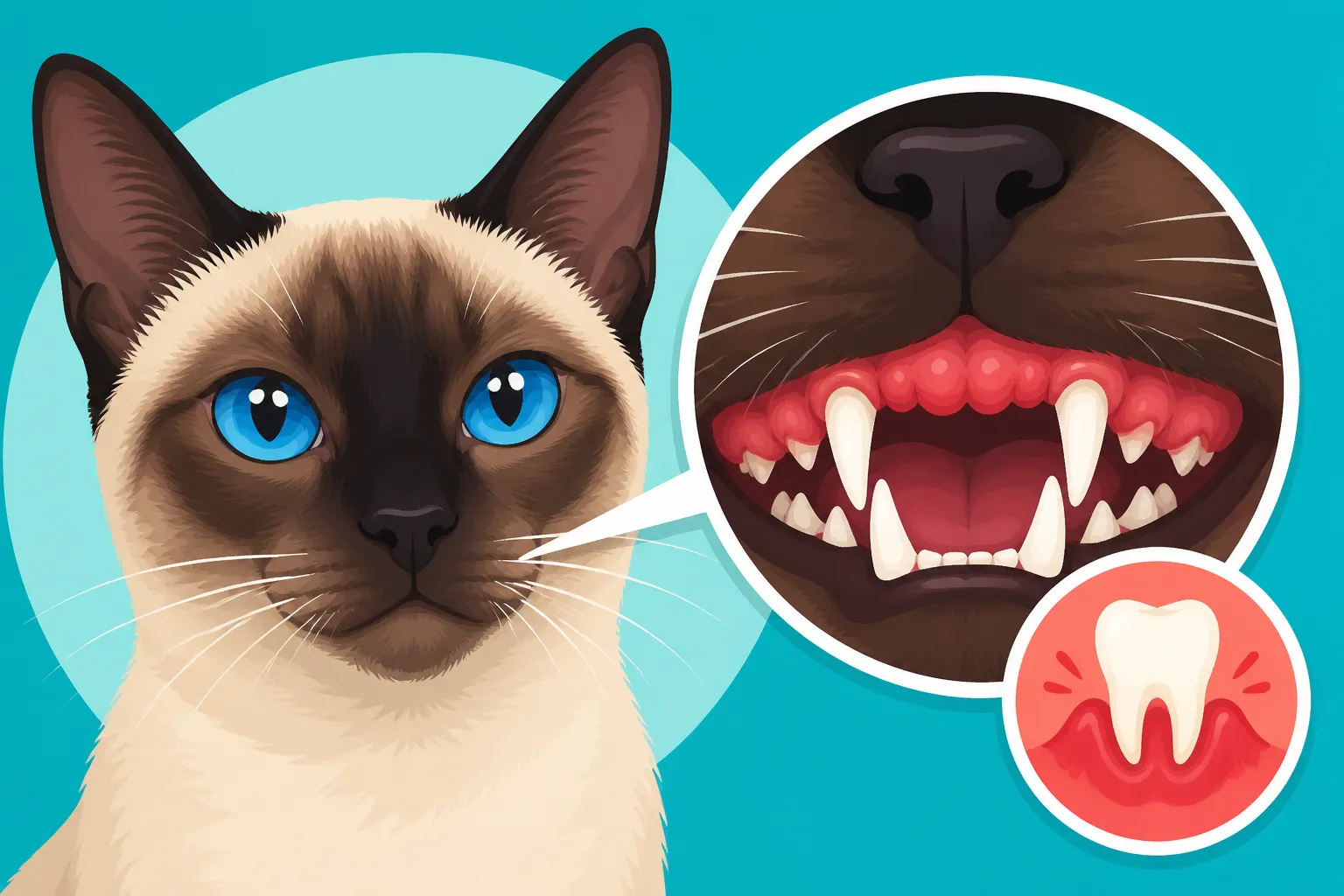
At its core, gingivitis is the inflammation of the gum tissue caused by a buildup of plaque and tartar on the teeth. Plaque is a sticky film of bacteria, saliva, and food particles that constantly forms on teeth. If plaque isn't removed regularly, it hardens into tartar (or calculus), which is rough and porous, providing even more surface area for plaque to accumulate. This bacterial onslaught irritates the gums, leading to redness, swelling, and sometimes bleeding. It's the earliest stage of periodontal disease, and thankfully, it's reversible with proper intervention.
When it comes to Siamese cats specifically, several factors might make them more prone to this condition. While there isn't one definitive genetic marker that explicitly links Siamese cats to gingivitis, anecdotal evidence and veterinary observations suggest a higher incidence in the breed. Their refined, often wedge-shaped head and jaw structure, while beautiful, might contribute to slightly more crowded teeth in some individuals, creating nooks and crannies where plaque can easily accumulate. Furthermore, Siamese cats are known for their strong personalities and sometimes their aversion to being handled in ways they dislike, which can make consistent home dental care, like brushing, a real challenge for even the most dedicated owner. This lack of regular home care then exacerbates the plaque and tartar buildup.
The Silent Signs Your Siamese Cat Might Be Suffering
Cats are masters of disguise when it comes to pain or discomfort, a survival instinct that can make detecting health issues incredibly frustrating for us devoted pet parents. Your Siamese cat might be suffering from gingivitis long before you notice any overt symptoms, making regular observation crucial. The subtle cues are often the first to appear, and recognizing them early can make a world of difference in preventing the progression of the disease. It’s not uncommon for a cat to continue eating normally even with significant dental pain.
One of the earliest and most common signs is halitosis, or bad breath. While no cat's breath smells like roses, a noticeably foul or pungent odor coming from your Siamese’s mouth should raise a red flag. This isn't just unpleasant; it's a direct indicator of bacterial overgrowth in their mouth. Beyond breath, you might start to observe changes in their eating habits, though they might be subtle. Perhaps they chew only on one side of their mouth, drop food more often, or show a preference for softer foods over their usual crunchy kibble. You might also notice their gums appearing redder than usual, swelling around the teeth, or even slight bleeding when they eat or when you attempt to examine their mouth. Sometimes, pawing at the mouth or excessive drooling can also be indicators. Don't dismiss these as minor quirks; they could be your Siamese trying to tell you something important.
Diagnosing and Managing Gingivitis in Siamese Cats
Once you suspect gingivitis in your Siamese cat, the next crucial step is getting a proper veterinary diagnosis. This isn't something you can tackle alone, as much of the underlying issue often lies hidden beneath the gum line. Early and accurate diagnosis is key to effective treatment and preventing more severe complications, like periodontitis, which can lead to tooth loss and even systemic health problems.
The Veterinary Examination and Diagnostic Process
A routine veterinary check-up will always include a visual inspection of your cat’s teeth and gums. However, to truly diagnose gingivitis and assess its severity, a more thorough examination under anesthesia is usually necessary. This is because a conscious cat, especially a vocal and opinionated Siamese, isn't likely to allow a vet to probe their sensitive gums or examine all surfaces of their teeth thoroughly. Anesthesia allows the vet to perform a comprehensive oral examination, carefully checking each tooth, assessing gum recession, and looking for pockets between the gums and teeth where bacteria can thrive.
During this professional dental cleaning, which veterinarians often refer to as a COHAT (Comprehensive Oral Health Assessment and Treatment), your vet will also perform dental X-rays. These X-rays are absolutely critical because a significant portion of dental disease occurs below the gum line, hidden from plain view. Without X-rays, conditions like bone loss, root resorption (a common and painful condition where the tooth structure erodes), or abscesses can go undetected, leaving your cat in pain and the problem unaddressed. For Siamese cats, knowing the potential for genetic predispositions or structural challenges, a thorough examination including X-rays is non-negotiable for an accurate diagnosis and effective treatment plan. If you're wondering about the financial implications, discussing coverage with providers like Healthy Paws before any major procedure can offer some peace of mind.
Treatment Options and Long-Term Management
Once your veterinarian has thoroughly assessed your Siamese cat's oral health under anesthesia, they can proceed with treatment. The primary treatment for gingivitis is a professional dental cleaning, which involves scaling and polishing the teeth. Scaling removes the plaque and tartar buildup from both above and below the gum line, while polishing smooths the tooth surface, making it harder for new plaque to adhere. If the gingivitis has progressed to periodontitis, leading to significant tooth decay or damage, extractions might be necessary. It’s heartbreaking to consider, but removing a painful, infected tooth is often the kindest thing you can do for your cat, as it alleviates chronic pain and prevents the spread of infection. Many owners report a dramatic improvement in their cat's overall demeanor and appetite after problematic teeth are removed.
Long-term management is where you, the owner, play the most critical role. After the professional cleaning, the goal is to prevent plaque and tartar from building up again. This involves a multi-faceted approach to home dental care. Regular tooth brushing is the gold standard, ideally daily or at least several times a week. This might sound daunting with a Siamese, whose strong will can make such tasks tricky, but with patience, positive reinforcement, and starting early (if you have a kitten), it's achievable. Consider using enzymatic toothpastes specifically designed for cats, as these work to break down plaque even without vigorous scrubbing. There are also dental diets, water additives, and dental treats that can help reduce plaque and tartar accumulation. Products carrying the Veterinary Oral Health Council (VOHC) seal are scientifically proven to be effective. For those wondering about the financial side of these ongoing treatments, you might want to look into pet insurance plans; sometimes, policies from providers like Healthy Paws can assist with the costs of regular dental care, or at least the more unexpected emergency procedures if the gingivitis gets out of hand.
Here's a quick look at common home care approaches:
| Method | Description | Pros | Cons |
|---|---|---|---|
| Tooth Brushing | Manual cleaning with cat-specific toothbrush and enzymatic toothpaste. | Most effective for plaque removal. | Can be challenging, requires consistency and cat's cooperation. |
| Dental Diets | Specially formulated kibble that scrubs teeth as the cat chews. | Easy to incorporate, VOHC-approved options available. | Not always sufficient on its own; cats might not chew thoroughly enough. |
| Water Additives | Solutions added to drinking water to reduce bacteria and plaque. | Very easy to use, no direct handling of the cat's mouth. | Less effective than brushing; some cats may refuse to drink water with additives. |
| Dental Treats/Chews | Treats designed with textures and ingredients to reduce plaque and tartar. | Cats generally enjoy them; many VOHC-approved options. | Not a substitute for brushing; effectiveness varies depending on how the cat chews. |
| Oral Rinses/Gels | Antiseptic rinses or gels applied to the gums to reduce bacteria. | Can be good for localized issues or cats who resist brushing. | Requires some handling; often a temporary solution, not primary care. |
Remember, consistency is key in managing your Siamese cat's dental health. Regular follow-up appointments with your vet are also crucial to monitor their oral hygiene and catch any new issues early. You can learn more about specific issues in Siamese cats, such as Dental Disease in a Siamese Cat and Why a Siamese Cat Loses Teeth Young, to deepen your understanding.
Preventing Gingivitis and Maintaining Optimal Oral Health
The old adage "an ounce of prevention is worth a pound of cure" certainly holds true when it comes to your Siamese cat's dental health. While regular professional cleanings are sometimes unavoidable, especially as our cats age, establishing a proactive home care routine can significantly reduce the frequency and severity of dental issues. It’s about creating habits that protect their health, even for our notoriously strong-willed Meezers.
Proactive Home Dental Care for Your Talkative Companion
Starting a home dental care routine early in your Siamese cat’s life is ideal, but it’s never too late to begin. The most effective method for preventing plaque and tartar buildup is regular tooth brushing. Imagine trying to convince your chatty Siamese that having a foreign object rubbed in their mouth is a good idea! It requires patience, positive reinforcement, and a gentle approach. Start slowly, perhaps by simply letting them lick a dab of cat-specific enzymatic toothpaste from your finger for a few days. Gradually introduce a finger brush or a small, soft cat toothbrush. Keep sessions short and positive, always ending with a treat or praise. The goal is not perfection but consistency. Even brushing a few times a week can make a substantial difference.
Beyond brushing, incorporating other dental care products can further bolster your efforts. Dental diets, specifically formulated to help scrub teeth as your cat crunches, can be a great addition, especially for Siamese cats who might be reluctant brushers. Water additives, which release plaque-fighting ingredients into your cat’s drinking water, offer a hands-off approach. And don't forget dental treats! Many brands, including those found at local pet stores like Petco or independently owned shops, offer VOHC-approved options that are designed to help reduce tartar. The key is to find a combination of methods that works best for you and your unique Siamese, ensuring their oral hygiene is maintained between vet visits. To get a handle on expected costs for regular care, it's worth knowing How Often a Siamese Cat Needs a Dental, as this forms a significant part of their long-term health budget.
The Importance of Diet and Regular Veterinary Check-ups
Diet plays a crucial, though sometimes misunderstood, role in a Siamese cat's dental health. While some believe that dry kibble inherently cleans teeth, the reality is that many kibbles shatter too easily to provide a significant abrasive action. However, specialized dental diets are formulated with larger, more fibrous kibble designed to mechanically scrub the tooth surface as your cat chews, which can be very effective. It's always best to discuss dietary changes with your veterinarian, especially if your Siamese has other health concerns. Balanced nutrition is vital for overall health, and a healthy immune system is better equipped to fight off oral infections. You might also want to explore Which Food Suits a Siamese Cat, to make informed decisions that support both their general well-being and dental health.
Perhaps the single most important aspect of preventing gingivitis and maintaining optimal oral health is consistent, regular veterinary check-ups. Your vet is your partner in your Siamese cat’s health journey. Yearly wellness exams provide an opportunity for your vet to perform a visual dental inspection and recommend a professional cleaning when necessary. Catching gingivitis in its early stages means simpler, less invasive, and often less costly treatments. Ignoring early signs can lead to advanced periodontal disease, which not only causes significant pain and tooth loss but can also contribute to systemic health issues like kidney, liver, and heart disease, as oral bacteria can enter the bloodstream. Consider investing in pet insurance, too; plans from companies like Healthy Paws can often alleviate the financial burden of unexpected dental procedures or even help with routine care depending on the policy. Understanding What an Aging Siamese Cat's Bills Look Like, especially concerning dental care, can help you prepare financially for their golden years, when dental issues often become more pronounced. Being proactive and working closely with your vet ensures that your beloved Siamese can enjoy a lifetime of comfort and good health.
Disclaimer
This article is for general informational purposes only and does not constitute professional advice. Laws, prices and regulations vary by location and change over time. Consult a qualified professional for guidance on your specific situation.