What a Wool Sucking Siamese Cat Costs in Surgery
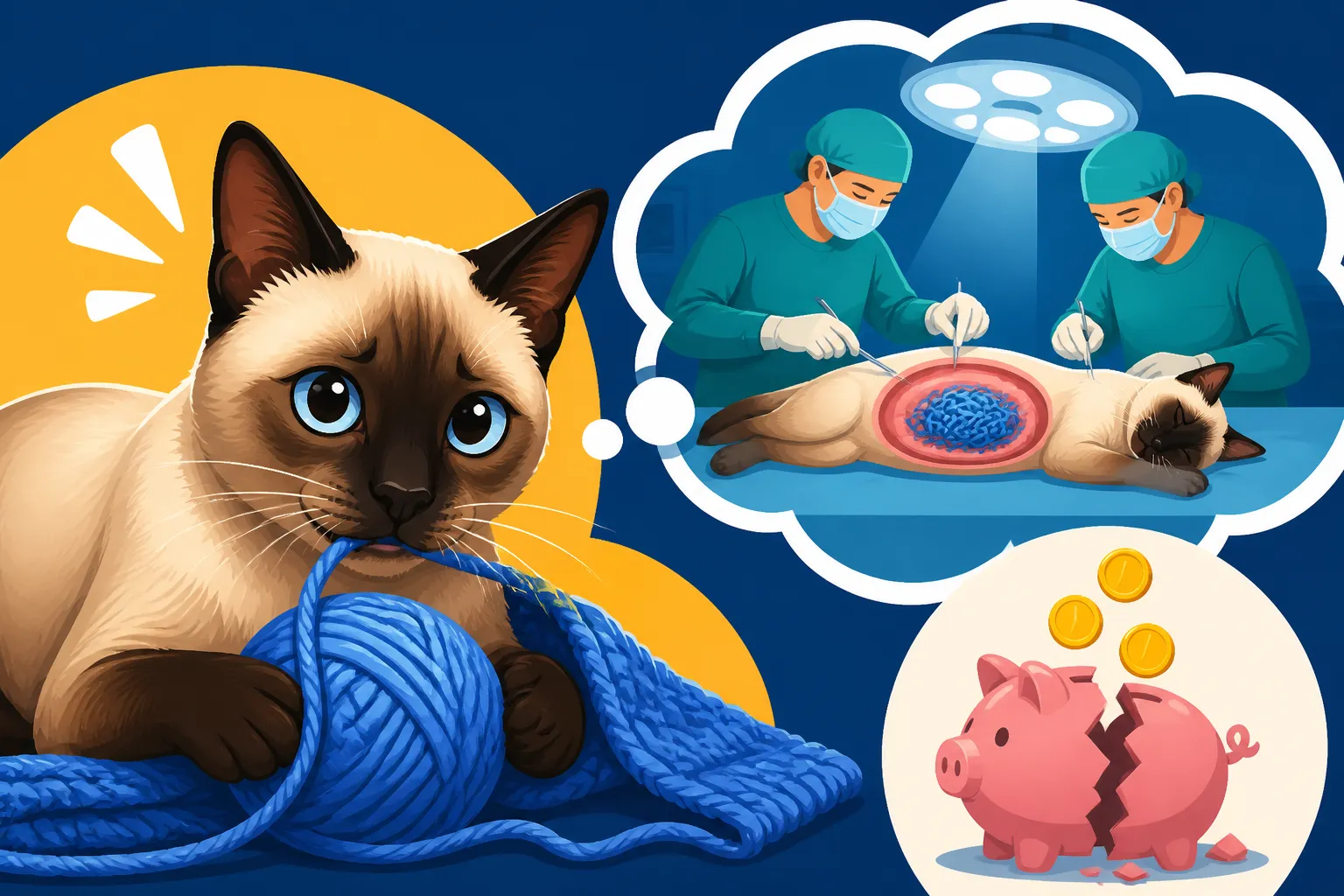
It's every Siamese cat owner's nightmare: you walk into a room, and your beloved, vocal companion is looking distinctly unwell, perhaps vomiting or refusing their favorite meal. Your mind races, and then you see it—a tell-tale shred of your favorite wool blanket, a missing sock, or a piece of plastic. You know your Siamese has a penchant for chewing and even ingesting non-food items, a behavior known as pica or wool sucking, and now you're bracing for the worst: an intestinal blockage that could lead to emergency surgery. This guide will meticulously break down the financial and emotional toll, from initial diagnosis to recovery, and explore strategies to manage this challenging condition.
Understanding Siamese Cat Pica and Wool Sucking
Siamese cats are renowned for their striking looks, vibrant personalities, and, yes, sometimes their quirky and problematic behaviors. One such behavior that can cause significant distress and expense for owners is wool sucking or pica, which is the compulsive eating of non-food items. While some cats might just mouth or chew fabric, a true wool sucker will actually ingest portions, which can quickly turn into a life-threatening situation.
The Root Causes of This Peculiar Behavior
The reasons behind a Siamese cat's inclination towards wool sucking are complex and often multifaceted. It's not just a cute quirk; it's a deep-seated behavioral issue. Many experts believe there's a strong genetic predisposition in the Siamese breed and its close relatives, meaning if a parent cat exhibited this behavior, their offspring are more likely to as well. It's almost as if it's coded into their very DNA, making it incredibly difficult to completely eradicate.
Beyond genetics, environmental factors play a huge role. Early weaning from their mother, where kittens are separated before they've had sufficient time to nurse and develop natural coping mechanisms, is frequently cited as a contributing factor. This premature separation can lead to an oral fixation, where the cat seeks comfort by mimicking nursing behavior on soft, fibrous materials. Stress and anxiety are also massive triggers. A change in routine, a new pet, a house move, or even just not enough attention can send a sensitive Siamese into a tailspin, leading them to self-soothe through wool sucking. Boredom, too, is a significant culprit. These intelligent, high-energy cats require immense mental and physical stimulation, and without it, they can easily turn to destructive behaviors to alleviate their under-stimulation. For a deeper dive, you might want to read our article on Why a Siamese Cat Sucks Wool.
Imagine a scenario: you've just adopted a beautiful Siamese kitten, full of boundless energy and curiosity. You notice a slight tendency to knead and mouth your woolen scarf, which seems endearing at first. However, as the kitten grows, this behavior escalates. Suddenly, your expensive cashmere sweater has a small hole, then a larger one, and you start finding tiny, chewed-off fibers around the house. You might think it's just a phase, but for a genetically predisposed Siamese, it's often the start of a lifelong battle. The comfort derived from the act can become a powerful, almost addictive, coping mechanism.
When Wool Sucking Becomes a Serious Health Risk
While an occasional gentle suckle on a soft blanket might seem harmless, the true danger arises when the cat actually ingests the material. Unlike hairballs, which cats typically regurgitate, fabric is much harder for the digestive system to pass. It doesn't break down, and it can knot up or stretch like a string, leading to a perilous condition known as a linear foreign body.
A linear foreign body is particularly dangerous because one end of the string-like material can become anchored, often under the tongue or in the stomach, while the rest passes into the intestines. As the intestines try to move the foreign material along, they essentially bunch up and pleat along the string, like a curtain. This pleating action can cause the string to saw through the delicate intestinal wall, leading to perforations, leakage of intestinal contents into the abdominal cavity, peritonitis, and ultimately, sepsis. This is not just painful; it's rapidly fatal if not addressed.
The risks aren't always immediate and dramatic. Sometimes, a cat might ingest smaller pieces over time, leading to a partial or intermittent blockage that causes chronic vomiting, weight loss, and general malaise. These partial blockages can be harder to diagnose and might smolder for weeks, slowly eroding the cat's health. For a comprehensive look at the genetic aspects, consider exploring Whether Wool Sucking in a Siamese Cat Is Genetic. The distinction between harmless chewing and dangerous ingestion is crucial: if you suspect your cat is swallowing any fabric, even small amounts, it warrants immediate attention and preventative measures.
Recognizing the Signs of an Intestinal Blockage
Detecting an intestinal blockage in your Siamese can be incredibly challenging because cats are masters at hiding pain and illness. Their instinct is to appear fine, even when they're in significant distress, which means by the time obvious symptoms appear, the situation might already be critical. Understanding both the subtle and emergency signs is paramount for prompt intervention.
Subtle Early Symptoms You Might Miss
Initially, the signs of a blockage might be so mild that you might attribute them to a passing upset stomach or a simple hairball. You might notice a slight change in your Siamese's usually voracious appetite – perhaps they skip a meal or two, or only pick at their food instead of devouring it. They might seem a little less playful, sleeping more than usual, or hiding in unusual spots, which for an outgoing Siamese, is a definite red flag.
Another common, yet easily dismissed, symptom is intermittent vomiting. It might just be once or twice a day, or even every few days, and it might not always contain food. You might just see clear liquid or foam. Owners often confuse this with routine hairballs, especially if their Siamese does produce a lot of them. However, if the vomiting is persistent and not productive of a hairball, or if it occurs after every meal, it's time to be concerned. Stool changes can also occur – either bouts of soft stool or, more commonly with a blockage, constipation, or a complete absence of feces. Pay attention to how often your cat uses the litter box and the consistency of their waste. Behavioral changes are also key; an usually affectionate Siamese might become withdrawn, or an aloof one might seek unusual amounts of comfort. They might pace restlessly, unable to get comfortable, or vocalize more frequently than their usual conversational meows, sometimes with a low, mournful tone. Our article on Signs a Siamese Cat Has an Intestinal Blockage offers more insights into recognizing these critical indicators.
Consider this scenario: your Siamese, Mittens, usually greets you at the door with a loud yowl and immediately rubs against your legs for attention. Lately, she's been a bit quiet, waiting for you to find her, and sometimes she just sits and stares out the window, unusually subdued. Her appetite isn't quite right; she'll eat half her breakfast, then walk away, only to finish it hours later. You've found a small pile of vomit twice in the last week, but nothing substantial, just some bile. These subtle shifts, especially when combined with her known wool-sucking habit, are signals that should not be ignored.
Emergency Signs Requiring Immediate Vet Attention
When the blockage becomes more severe, the symptoms escalate rapidly and demand immediate veterinary intervention. Persistent, forceful vomiting, often multiple times a day, is a classic sign. This vomiting usually occurs shortly after eating or drinking and can be projectile. Your cat will likely become severely lethargic, barely moving and showing little interest in anything around them. They might be unresponsive to your calls or affection, seeming weak and listless.
Abdominal pain is another critical indicator, though difficult to detect in cats. They might resent being picked up, or you might notice them guarding their belly, perhaps lying in an unusual curled-up position. When gently palpating their abdomen, it might feel tense or firm. Anorexia, a complete refusal to eat or drink, will lead to rapid dehydration. You can often check for dehydration by gently pinching the skin on their back; if it doesn't snap back quickly, they're likely dehydrated. In extreme cases, a cat with a severe blockage might collapse, become unresponsive, or exhibit signs of shock, such as pale gums, rapid breathing, and a weak pulse. If you observe any of these emergency signs, do not delay. Every minute counts in cases of intestinal blockage, as delays can lead to irreversible damage to the intestines and significantly reduce the chances of a positive outcome.
Imagine finding your typically boisterous Siamese, Jasper, slumped in a corner, unresponsive. He hasn't eaten in 24 hours and has vomited repeatedly throughout the night. His breath is shallow, and when you try to gently lift him, he cries out in pain. His gums look pale, almost white. This isn't just a sick cat; this is an emergency. At this point, you're looking at a race against time, where immediate veterinary care is not just advisable, but absolutely critical to Jasper's survival.
The Veterinary Diagnostic Process for Suspected Blockages
Once you suspect an intestinal blockage, getting to the vet quickly is crucial. The diagnostic process is a systematic approach to confirm the presence of a foreign body, determine its location, and assess the extent of the damage. This process itself can incur significant costs before any surgery even begins, but it's vital for accurate treatment.
Initial Examination and Basic Tests
When you arrive at the veterinary clinic with a suspected blockage, the first step will be a thorough physical examination by the veterinarian. They will observe your cat's general demeanor, check vital signs like heart rate, respiratory rate, and temperature, and assess hydration status. Crucially, they will carefully palpate your cat's abdomen. While not always definitive, sometimes a skilled vet can feel an abnormal mass or a painful, bunched-up section of intestine. They might also check under the tongue for any linear foreign body that might be anchored there.
It is absolutely imperative to be completely honest and thorough when providing your cat's history. Tell your vet about your Siamese's history of wool sucking, any specific items you suspect might have been ingested, and the exact timeline of symptoms. This information is invaluable in guiding the diagnostic path. Following the physical exam, the vet will likely recommend basic diagnostic tests. A complete blood count (CBC) can indicate infection, inflammation, or dehydration, while a biochemistry panel assesses organ function and electrolyte balance, which can be thrown off by persistent vomiting. These initial tests help rule out other causes of vomiting and lethargy and provide a baseline for your cat's overall health before further diagnostics or surgery.
For instance, if your Siamese has been chronically vomiting but appears otherwise stable, blood tests might reveal elevated white blood cell counts, suggesting an infection, or imbalances in potassium due to fluid loss. If the cat is severely dehydrated, this will also show up, informing the vet's immediate treatment plan to stabilize your cat with intravenous fluids. This initial workup, while seemingly basic, provides critical pieces of the puzzle before more invasive or expensive diagnostics are considered.
Imaging: X-rays and Ultrasound
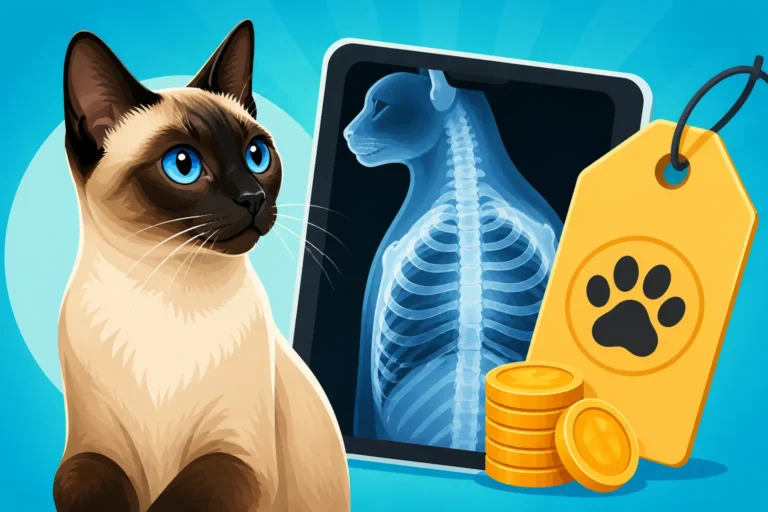
Once the initial examination points towards an intestinal issue, imaging tests become the next crucial step. The first line of defense is typically X-rays. While fabric itself doesn't always show up clearly on an X-ray (it's not radiopaque like metal or bone), the X-ray can reveal secondary signs of a blockage, such as dilated loops of intestine, gas patterns, or an accumulation of fluid. Sometimes, if the foreign body is mixed with food or has a certain density, it might be visible. If the initial X-rays are inconclusive but suspicion remains high, the vet might recommend a barium study, where your cat ingests a liquid contrast agent that coats the digestive tract. Serial X-rays are then taken over several hours to track the barium's movement. If it stops or slows significantly at a particular point, it strongly indicates a blockage.
However, the gold standard for diagnosing soft tissue foreign bodies and assessing intestinal health is often an abdominal ultrasound. A skilled ultrasonographer can identify the foreign body itself, evaluate the thickness and viability of the intestinal wall, detect any perforations, and look for free fluid in the abdomen (which could indicate leakage). Unlike X-rays, ultrasound provides a real-time, detailed view of the soft tissues, allowing the vet to see the characteristic "pleating" of the intestines caused by a linear foreign body. This detailed information is critical for surgical planning. An ultrasound can also help differentiate between a foreign body and other conditions that cause similar symptoms, such as severe inflammatory bowel disease or even a tumor.
Imagine the vet reviewing the X-rays of your Siamese, Luna. They might point out areas where the intestines look distended, almost balloon-like, with gas trapped behind what appears to be an obstruction. Then, with the ultrasound, they can pinpoint the exact location, perhaps a section of intestine where a bunched-up piece of fabric is clearly visible, and assess if the blood supply to that area is compromised. This level of detail from imaging ensures that if surgery is needed, the veterinary team goes in with a precise understanding of the problem.
The Cost Breakdown of Emergency Blockage Surgery
The news that your beloved Siamese needs emergency surgery for an intestinal blockage is always devastating, both emotionally and financially. It’s not just the surgery itself that you’re paying for; it's a whole cascade of procedures, medications, and specialized care that collectively add up. Understanding where these costs come from can help you mentally prepare for the bill, which can vary wildly depending on your location, the clinic, and the complexity of the case.
Pre-Operative Stabilization and Diagnostics
Before your Siamese even enters the operating room, there's a significant investment in getting them stable and thoroughly diagnosing the issue. This often starts with an emergency exam fee, which is typically higher than a routine check-up, especially if you're arriving after hours. Intravenous (IV) fluids are almost always necessary to combat dehydration from vomiting and to support organ function, and these can run for hours or even days. Pain medication is administered to keep your cat comfortable, and often, antibiotics are started proactively, especially if there's a risk of intestinal perforation.
The diagnostic tests discussed earlier—blood work (CBC, chemistry), X-rays, and often an abdominal ultrasound—are all billed separately. If a barium study is required, that's another multi-hour procedure with additional imaging costs. In complex cases, or if your regular vet isn't equipped for advanced surgery, a referral to a specialty veterinary hospital might be necessary, adding consultation fees and potentially transfer costs. All these steps are crucial for ensuring your cat is as healthy as possible before anesthesia and surgery, and for giving the surgical team the best possible roadmap for intervention.
Let's say your Siamese, Cleo, arrives at the emergency clinic severely dehydrated and in pain. The initial consultation, IV fluids, injectable pain relief, and immediate blood tests could easily be several hundred dollars. Then, add a series of X-rays to locate the blockage, potentially followed by an ultrasound to confirm it and assess the severity. These imaging procedures alone can quickly push the pre-operative bill into the four-figure range, all before a single incision has been made. This phase is often unexpected by owners who only factor in the cost of "the surgery."
Surgical Procedure and Anesthesia Fees
This is often the largest component of the overall bill. The surgical procedure itself involves the surgeon's fee, which accounts for their skill, time, and the complexity of the operation. Simple foreign body removal (a gastrotomy or enterotomy) is less complex than, say, an intestinal resection and anastomosis, where a damaged section of intestine must be removed, and the healthy ends sewn back together. Linear foreign bodies, due to the potential for multiple tears and pleating, often fall into the more complex category.
Anesthesia is another significant cost. It's not just the drugs; it includes pre-anesthetic blood work (if not done already), the time of a dedicated veterinary technician to monitor your cat's vital signs throughout the surgery (heart rate, blood pressure, oxygen saturation, temperature), and specialized equipment. The longer the surgery, the higher the anesthesia fees. Surgical supplies, such as sterile drapes, sutures, blades, and other disposables, are also factored into the cost. The exact price can vary significantly based on your geographic location (major cities typically have higher veterinary costs), the type of clinic (general practice vs. specialized surgical center), and the specific experience of the surgical team.
A direct comparison: removing a single, round toy from the stomach might be a relatively straightforward surgery. But if your Siamese has ingested a long piece of yarn that has caused multiple pleats and cuts in the intestines, the surgeon might need to meticulously inspect and repair several sections, potentially even removing a segment of damaged bowel. This dramatically increases surgical time, anesthesia duration, and the risk of complications, all reflected in a higher bill. Our guide on What Blockage Surgery Involves for a Siamese Cat provides a good overview of these complexities.
Post-Operative Care and Recovery
The journey doesn't end when your Siamese leaves the operating room. Post-operative care is critical for a successful recovery and represents another substantial portion of the bill. Your cat will typically need to be hospitalized for several days, often under close supervision, especially for the first 24-48 hours. This includes continued IV fluids, injectable antibiotics to prevent infection, and potent pain management to keep them comfortable. Regular monitoring of vital signs, incision checks, and ensuring they slowly start eating and passing stool are all part of this intensive care.
If complications arise, such as a breakdown of the surgical site (dehiscence), infection, or development of peritonitis, additional hospitalization, diagnostics, and potentially another surgery would be required, adding exponentially to the cost. Follow-up exams after discharge, sometimes with staple or suture removal, are also necessary. Your vet might also recommend a specialized, easily digestible diet for a period to allow the intestines to heal, and these prescription foods can be more expensive than regular cat food. The commitment to post-operative care is just as vital as the surgery itself.
A typical recovery might involve 2-3 nights in the hospital, daily rounds by the vet, continuous fluid therapy, several types of pain medication, and broad-spectrum antibiotics. Even if everything goes smoothly, these days of inpatient care can amount to hundreds, if not thousands, of dollars. For a clearer picture of the final tally, you can look into What a Siamese Cat's Blockage Surgery Bill Looks Like. The peace of mind knowing your cat is being professionally cared for during this vulnerable period is invaluable, but it comes at a price.
| Procedure/Service | Estimated Cost Range (Illustrative) | Notes |
|---|---|---|
| Pre-Operative | ||
| Emergency Exam/Consultation | Varies by clinic/time | Higher for after-hours or specialist visits. |
| Blood Tests (CBC, Chemistry) | Varies by lab | Essential for assessing overall health and organ function. |
| IV Fluids & Catheter | Varies by duration | Crucial for hydration and medication delivery. |
| X-rays (plain & contrast) | Varies by number of views | Fabric may not be visible; contrast helps. |
| Abdominal Ultrasound | Varies by specialist | Best for visualizing soft tissue foreign bodies and intestinal integrity. |
| Pain & Antibiotic Injections | Varies by medication/duration | Administered to stabilize and prepare for surgery. |
| Surgical Procedure | ||
| Surgeon's Fee (Enterotomy/Resection) | Varies by complexity | Depends on type of blockage (linear, multiple sites) and required resection. |
| Anesthesia & Monitoring | Varies by duration | Includes drugs, dedicated technician, and equipment. |
| Surgical Supplies | Varies | Drapes, sutures, blades, etc. |
| Post-Operative | ||
| Hospitalization (per day) | Varies by facility/level of care | Includes nursing care, monitoring, bedding. |
| Continued IV Fluids | Varies by duration | Essential for healing and preventing dehydration. |
| Oral Medications (Pain, Antibiotics) | Varies by drug | Take-home prescriptions for recovery. |
| Follow-up Exams | Varies | To check incision, remove sutures, assess recovery. |
| Potential Complications (e.g., re-surgery) | Significantly Higher | Not included in initial estimates, can occur and add substantial costs. |
Note: The costs mentioned above are illustrative ranges and can differ based on geographical location, veterinary practice, and the specific needs of the individual cat.
Financial Strategies for Managing Unexpected Vet Bills
The thought of an emergency vet bill can be paralyzing, especially when it involves a life-threatening situation like an intestinal blockage. It's a situation no pet owner ever wants to face, but preparing for the unexpected is a crucial part of responsible pet ownership. Fortunately, there are several financial strategies that can help cushion the blow and ensure your Siamese receives the best possible care without bankrupting you.
The Lifesaving Role of Pet Insurance
For many pet owners, pet insurance can be a literal lifesaver, transforming an impossible financial burden into a manageable one. Companies like Healthy Paws offer comprehensive accident and illness plans that, once activated, can reimburse you for a significant portion of eligible veterinary expenses, including emergency surgeries, hospitalization, diagnostics, and medications. The key is to enroll your Siamese before any symptoms of wool sucking or pica appear, as most policies have waiting periods and will exclude pre-existing conditions.
When choosing a policy, it's vital to understand the deductible (the amount you pay before coverage kicks in), the reimbursement percentage (the portion of the bill the insurance pays), and the annual limits. Some policies might offer 70%, 80%, or even 90% reimbursement after your deductible is met. While monthly premiums might seem like an added expense, they pale in comparison to a multi-thousand-dollar emergency surgery bill. Having pet insurance can allow you to make medical decisions based on what's best for your cat, rather than solely on what you can afford at that moment. Many policies also cover future related issues, so if your Siamese has another blockage, it might be covered. Consider researching Whether Insurance Covers a Siamese Cat That Eats Fabric for more detailed information on policy specifics related to pica.
Imagine being in the emergency vet's office, handed an estimate for thousands of dollars for your Siamese's life-saving surgery. With pet insurance like Healthy Paws, you might only be responsible for a few hundred dollars out-of-pocket, with the rest reimbursed directly to you. This kind of financial safety net can alleviate immense stress during an already traumatic time, allowing you to focus on your cat's recovery.
Emergency Funds and Other Financial Options
Even with pet insurance, it’s always a good idea to have an emergency fund specifically dedicated to your pet’s care. This fund can cover deductibles, unexpected costs not fully covered by insurance, or situations where you might not have insurance. Regularly setting aside a small amount, even $20 or $50 a month, into a separate savings account can build up a substantial buffer over time.
If you find yourself facing a large bill without insurance or a sufficient emergency fund, don't despair immediately. Many veterinary clinics understand the financial strain of emergencies and offer various payment options. Some clinics work with third-party financing companies, like CareCredit, which offers credit cards specifically for healthcare expenses, often with deferred interest plans if paid off within a certain timeframe. It's essentially a line of credit for medical bills. Additionally, some practices might be willing to work out an in-house payment plan, though this is usually reserved for existing clients with a good payment history.
Finally, don't overlook the possibility of financial assistance from charitable organizations. There are many national and local non-profits dedicated to helping pet owners afford emergency veterinary care, especially for specific conditions or breeds. While they often have strict eligibility requirements and may not cover the full cost, every bit helps. Breed-specific rescues might also have funds available or be able to offer guidance. While the ultimate cost over your cat's lifetime can be significant, as discussed in What a Siamese Cat Costs Over Twenty Years, having a plan for emergencies is critical.
Preventing Future Blockages and Reducing Costs
Facing one emergency surgery for a wool-sucking Siamese is traumatic and expensive enough. The thought of it happening again is terrifying. The good news is that while you might not be able to completely "cure" your Siamese of pica, you can implement robust preventative measures that significantly reduce the risk of future blockages and, in turn, reduce the likelihood of incurring those exorbitant surgical costs again.
Environmental Management and Enrichment
The most direct way to prevent your Siamese from ingesting fabric is to remove access to all tempting items. This sounds simple, but it requires a vigilant and proactive approach to "cat-proof" your home, especially if your cat targets specific materials. Woolen blankets, cashmere sweaters, socks, underwear, bathmats, string, plastic bags, phone charging cables – anything that could be chewed or swallowed needs to be securely put away in drawers, closed closets, or locked cabinets. This might mean making significant changes to your household habits, but your cat's life literally depends on it.
Beyond removing temptation, providing ample appropriate enrichment is crucial. Siamese cats are highly intelligent and easily bored. If they don't have stimulating outlets for their energy and curiosity, they will find their own, often destructive, ways to entertain themselves. Invest in a variety of durable chew toys specifically designed for cats, ensuring they are safe and cannot be easily ingested. Consider toys made from sturdy rubber or hard plastic rather than soft fabric. Interactive toys, laser pointers, and daily dedicated play sessions with you can burn off excess energy and provide mental stimulation. Puzzle feeders, readily available from retailers like Chewy, are excellent for engaging your cat's mind at meal times. Instead of just putting food in a bowl, they have to "work" for it, which can be immensely satisfying for a clever Siamese. Exploring How to Cat Proof a Home for a Siamese Cat can offer more practical tips for securing your home environment.
Imagine turning your living room into a safe zone for your Siamese, Luna. This means putting all knitting projects away in a locked bin, ensuring no socks are left on the floor, and perhaps even covering the edges of certain blankets with a deterrent spray (if safe for pets). Simultaneously, you introduce a new wall-mounted scratcher, a rotating interactive toy, and a food puzzle from Chewy that makes her hunt for her kibble. These combined efforts create a safer, more engaging environment, reducing her compulsion to seek comfort in forbidden fabrics.
Dietary Adjustments and Behavioral Support
Sometimes, dietary changes, under the guidance of your veterinarian, can play a role in managing pica. While not a cure, ensuring your Siamese is on a high-quality, nutritionally complete diet is paramount. Some vets might recommend increasing the fiber content in your cat's diet, either through specific high-fiber foods or supplements, on the theory that it might make them feel fuller or address any underlying digestive upset that could be contributing to the pica. However, this should always be discussed with your vet, as too much fiber can also cause digestive issues. For Siamese cats with sensitive stomachs, choosing foods with easily digestible proteins and minimal fillers could be beneficial.
For severe or persistent cases of pica, especially those linked to anxiety or stress, consulting a veterinary behaviorist can be invaluable. These specialists are trained to understand the underlying psychological triggers of compulsive behaviors and can develop a tailored behavior modification plan. This might involve counter-conditioning, desensitization, or even anti-anxiety medications in conjunction with environmental changes. It's a long-term commitment, but addressing the root cause can significantly improve your cat's quality of life and reduce the risk of dangerous ingestions. Our article How Psychogenic Alopecia in a Siamese Cat Is Treated gives insights into treating other stress-induced behaviors, which often share common therapeutic approaches with pica.
Consider a Siamese named Apollo who relentlessly targets synthetic blankets. After careful consultation, your vet suggests trying a specific high-fiber diet to see if it curtails his appetite for non-food items, alongside recommending a Feliway diffuser to reduce ambient stress. If these measures don't fully work, a veterinary behaviorist might be the next step, providing strategies beyond simple management. They might prescribe a short course of an anti-anxiety medication to break the cycle of compulsive behavior, allowing the other environmental and behavioral changes to take hold. While often linked to specific health issues like Whether Diet Helps a Siamese Cat With Amyloidosis, a balanced and appropriate diet is crucial for overall well-being and can impact behavioral health.
Long-Term Outlook for a Siamese Cat with Pica
Living with a Siamese cat prone to wool sucking or pica is a lifelong commitment to vigilance and management. It's not a condition that typically just goes away on its own, and owners must understand that preventative measures are an ongoing part of their pet's care. However, with dedication, many Siamese cats can live full, happy lives despite their unique behavioral challenge.
Managing the Chronic Nature of Wool Sucking
The reality is that pica in Siamese cats is often a chronic condition. While you can reduce its frequency and severity, the underlying predisposition usually remains. This means that even after a successful surgery and implementing preventative measures, you cannot let your guard down. Any lapse in vigilance – a forgotten sock, an accessible blanket – could potentially lead to another dangerous ingestion. It's a continuous process of managing the environment, providing enrichment, and monitoring your cat's behavior for any signs of relapse or increased stress.
Routine veterinary check-ups are more important than ever. Your vet can help monitor your cat's overall health, discuss any new behavioral concerns, and ensure that any subtle changes that might indicate a partial blockage or other health issue are caught early. These regular visits also provide an opportunity to discuss any new strategies or medications that might become available to help manage compulsive behaviors. Living with a cat that has pica demands patience, understanding, and a willingness to adapt your home and lifestyle to their specific needs.
Imagine a future with your Siamese, Leo, several years after his surgery. You've become adept at "Leo-proofing" your home, and he has a dedicated play schedule and an array of safe toys. But you still instinctively scan the floor for dropped items and quickly stash away any new clothing purchases. It becomes second nature, a quiet, continuous effort to ensure his safety. You know that while the urgent crisis has passed, the need for management hasn't.
Quality of Life After Surgery and Preventative Measures
Most Siamese cats recover remarkably well from intestinal blockage surgery, especially if the problem was caught early and there were no severe complications like intestinal perforation. Once through the initial recovery period, they can return to their normal, playful, and affectionate selves. The mental toll on owners, however, can be significant. The fear of recurrence, the financial strain, and the constant need for vigilance can be emotionally exhausting. This is where leaning on support groups, discussing your concerns with your vet, and perhaps connecting with other Siamese owners who understand these unique challenges can be helpful.
Ultimately, the goal is to provide your Siamese with the highest possible quality of life, which means preventing future incidents. This commitment to prevention, even after a harrowing surgical experience, is a testament to the strong bond between a Siamese cat and their human. It means accepting their unique quirks and working proactively to ensure their safety and well-being. With consistent effort in environmental management, appropriate enrichment, and sometimes behavioral therapy or medication, your Siamese can thrive, enjoying many more years as your cherished, albeit sometimes challenging, companion.
Disclaimer
This article is for general informational purposes only and does not constitute professional advice. Laws, prices and regulations vary by location and change over time. Consult a qualified professional for guidance on your specific situation.