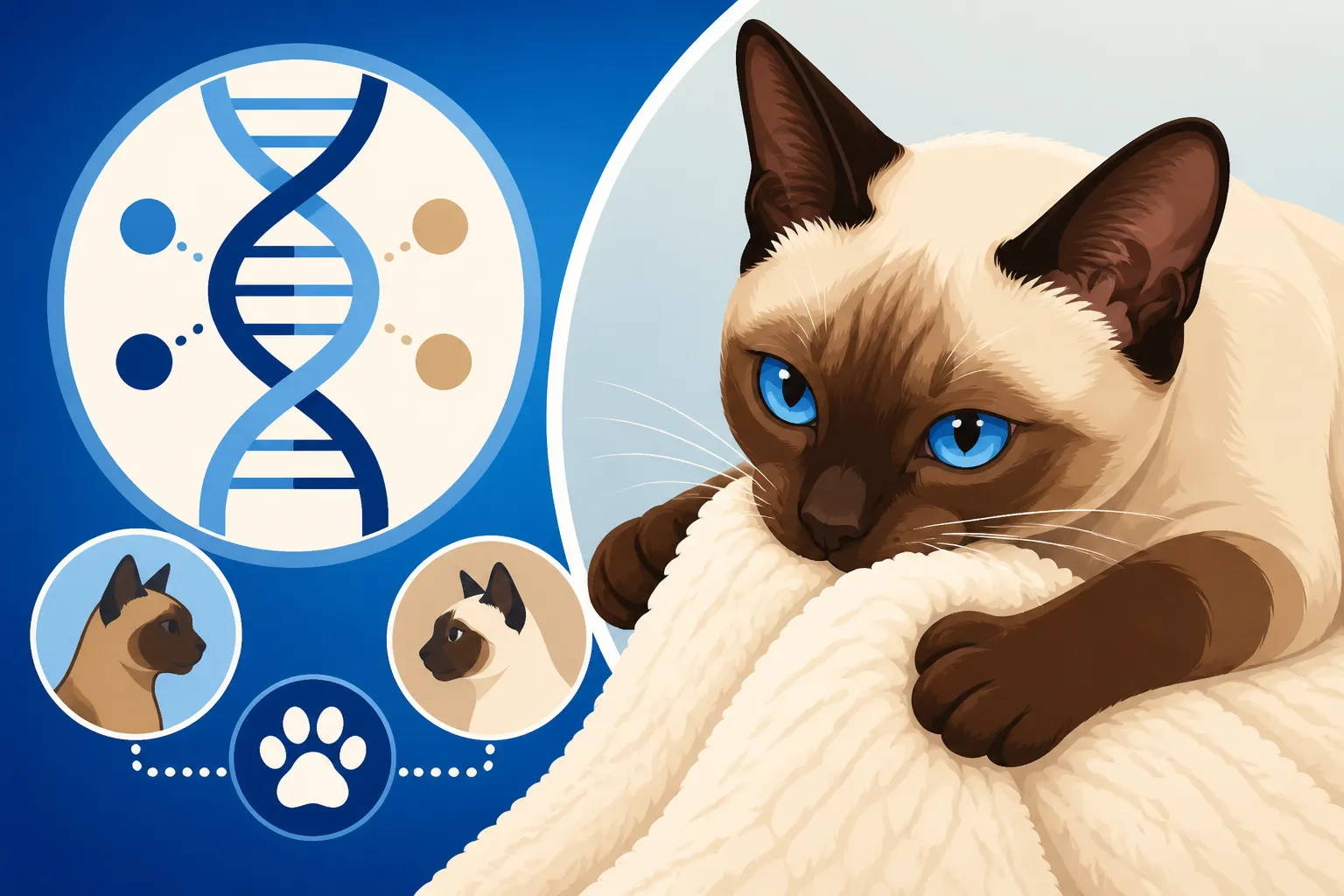
Whether Wool Sucking in a Siamese Cat Is Genetic
Many Siamese cat owners face the perplexing and often frustrating behavior of wool sucking, discovering beloved blankets or sweaters chewed and sometimes ingested. It's a worry that often leaves us questioning the root cause: is this just a quirky habit, a sign of stress, or something deeper, embedded in their very genes? This comprehensive guide delves into the fascinating and sometimes challenging world of wool sucking in Siamese cats, exploring its genetic underpinnings and offering realistic advice to help you manage it.
Unraveling the Mystery of Wool Sucking in Siamese Cats
When you first notice your elegant Siamese cat kneading and suckling on a wool blanket, it might seem endearing, a throwback to kittenhood. However, this seemingly innocent behavior can quickly escalate, becoming a source of real concern and potential danger. Understanding what wool sucking truly entails is the first step toward addressing it effectively.
What Exactly Constitutes Wool Sucking (And Why it's More Than a Nuisance)
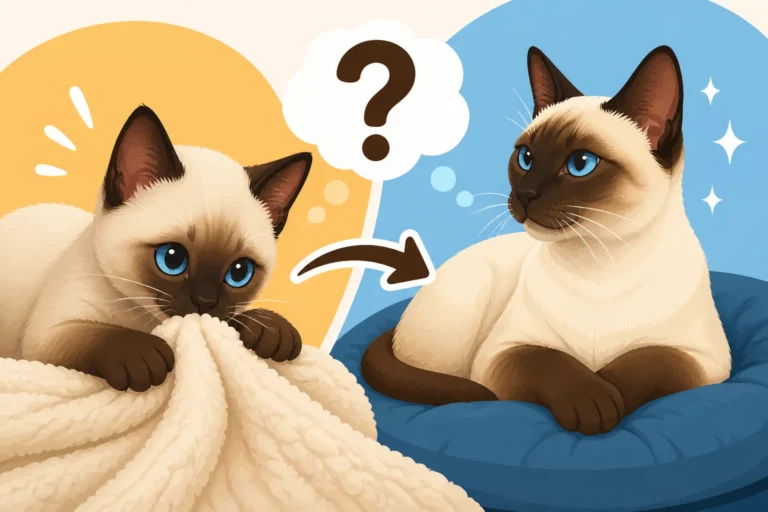
Wool sucking in Siamese cats isn't just a casual chew; it's a very specific, compulsive behavior involving the mouthing, kneading, and often chewing of fabric, particularly wool or soft, synthetic materials. Many owners describe their cats entering an almost trance-like state, intensely focused on the act. It's often accompanied by a purr, suggesting it's a self-soothing mechanism, deeply ingrained and comforting to the cat.
The true concern arises when this behavior moves beyond mere suckling to actual ingestion. While some cats might only dampen the fabric with saliva, others will tear off and swallow pieces. This ingestion is where the nuisance factor shifts dramatically to a serious health risk. Imagine finding holes in your favorite sweater or discovering your cat has shredded a blanket – it’s not only a costly problem for your belongings but a potentially life-threatening one for your cat.
This isn't just about protecting your cashmere. It's about recognizing that your Siamese is engaging in a behavior that, while seemingly harmless at first, can lead to painful and dangerous internal blockages. The textures cats prefer often mimic the feel of a mother cat's belly or fur, making soft, fuzzy, or synthetic materials particularly tempting targets.
The Spectrum of Fabric-Related Behaviors
Wool sucking sits within a broader category of abnormal ingestive behaviors in cats, often referred to as pica. While wool sucking specifically targets fabrics, pica generally refers to the ingestion of any non-food items, such as plastic, dirt, paper, or even electrical cords. Your Siamese might engage in pure wool sucking, or they might extend their fabric fascination to other non-edible items around the house, broadening the scope of concern. Whether Pica Is a Medical Problem in a Siamese Cat is a good question to explore if you suspect your cat's habit is more generalized.
It's crucial to differentiate wool sucking from playful nipping or typical grooming. A cat merely batting at a string or briefly chewing a toy is normal. Wool sucking is characterized by its repetitive, often intense nature, the specific type of material targeted, and the clear intent to mouth and sometimes consume the fabric. This compulsive element is key to understanding its underlying causes and how it might connect to psychological or genetic factors.
Another related behavior, though distinct, is psychogenic alopecia, where a cat excessively grooms themselves to the point of hair loss, usually in response to stress or anxiety. While wool sucking is directed outward at objects, both behaviors share a root in compulsive self-soothing mechanisms triggered by similar underlying factors. Recognizing this spectrum helps you understand that these aren't isolated incidents, but rather manifestations of a deeper behavioral predisposition. What Psychogenic Alopecia Does to a Siamese Cat can offer more insights into other stress-related behaviors.
Common Targets of a Wool Sucking Siamese Cat
Siamese cats, with their discerning tastes even in their non-food obsessions, tend to gravitate towards specific types of fabrics. Wool is, of course, a prime target, given the name. Think of chunky knit blankets, fuzzy sweaters, or even fine cashmere. These materials offer a unique tactile sensation that seems to satisfy an innate need. Many owners report that synthetic fleeces, soft cotton throws, and even silk pajamas also become irresistible.
The texture and warmth often mimic the comfort of a mother's fur, providing a soothing sensation. You might find your cat fixated on specific items – perhaps your favorite fluffy robe, a particular throw on the sofa, or the softest blanket in your bed. This preference isn't random; it’s driven by the sensory experience the fabric provides, acting as a powerful self-soother.
Beyond soft furnishings, some Siamese cats might expand their interests to more unusual items, such as shoelaces, curtains, towels, or even bathmats. The common thread is often a soft, pliable, or fibrous texture that can be kneaded, sucked, or pulled apart. This makes cat-proofing your home a significant challenge, as many everyday objects can become potential hazards. Recognizing these patterns helps in understanding your cat’s particular tendencies and developing targeted management strategies.
The Strong Genetic Roots of Wool Sucking in Siamese and Oriental Breeds
It's natural to wonder if your cat's unusual habits are just a quirk or if they're actually "in their blood." When it comes to wool sucking in Siamese cats, the answer leans heavily towards genetics. This isn't just anecdotal evidence from frustrated owners; scientific observations and studies point to a strong hereditary component within the breed and its close relatives.
The Evidence for a Heritable Trait
For years, breeders and veterinarians have noticed that wool sucking is disproportionately common among Siamese cats and their Oriental kin. This isn't a behavior you see with the same frequency in, say, a Maine Coon or a Persian. The prevalence within a specific genetic lineage strongly suggests a hereditary predisposition. While no single "wool sucking gene" has been definitively isolated and proven, the consistent observation across generations and within family lines offers compelling evidence that the tendency is passed down.
Think of it like certain human traits that run in families, even if we don't fully understand the exact genetic pathway. If a Siamese cat's parents or grandparents exhibited wool sucking, there's a significantly higher chance that their offspring will, too. It's not a guarantee, as environment and early life experiences also play a crucial role, but the genetic blueprint provides a strong foundation for the behavior. Why a Siamese Cat Sucks Wool delves deeper into the specifics of this breed's unique predisposition.
This genetic component is why simply punishing the cat or trying to "train" them out of it rarely works. The urge is deeply rooted, an inherent part of their behavioral repertoire. Understanding this shifts the focus from blame or frustration to effective management and providing appropriate outlets. It helps owners realize they're dealing with a biological inclination rather than a deliberate act of mischief.
Why Siamese Cats? Exploring the Breed's Unique Makeup
So, why the Siamese? What is it about this particular breed that makes them more susceptible to wool sucking? The Siamese cat, along with its close relatives like the Oriental Shorthair, Balinese, and Javanese, is known for its distinctive personality: highly intelligent, intensely vocal, incredibly social, and often very sensitive. These traits, while endearing, can also predispose them to certain anxieties and compulsive behaviors.
It's speculated that the selective breeding that has shaped the Siamese over centuries may have inadvertently concentrated genes related to these complex behavioral patterns. Their high intelligence means they can get bored easily, and their strong emotional bonds with humans can make them prone to separation anxiety. These factors, combined with a genetic inclination, create a perfect storm for the development of coping mechanisms like wool sucking.
Furthermore, the Siamese's highly tactile nature, evident in their love for kneading and purring, might also contribute. The oral satisfaction derived from suckling on soft fabrics may simply be a more pronounced need in these cats compared to others. It becomes a deeply comforting act, reinforcing itself each time it's performed, making it difficult to break once established.
Genetic Influence Versus Environmental Triggers: A Complex Interplay
It’s tempting to try and pin wool sucking down to a single cause, but the reality is far more nuanced. While genetics provide the underlying susceptibility, environmental factors act as powerful triggers and amplifiers. Think of it as a genetic switch that might remain off in a perfectly stable, enriched environment, but flips on when the cat experiences stress, boredom, or an unmet need.
For instance, a Siamese kitten with a genetic predisposition might never develop wool sucking if they are raised with their mother for a full, appropriate weaning period, receive ample stimulation, and live in a calm, predictable home. Conversely, a kitten with the same genetic makeup, but who is weaned too early, lacks attention, or experiences significant stress, might develop the behavior quite severely. The Age Wool Sucking Starts in a Siamese Cat often aligns with early life stressors.
This interplay means that while you can't change your cat's genetic blueprint, you have significant control over the environmental factors that can mitigate or exacerbate the behavior. Understanding this dual influence empowers owners to implement strategies that address both the inherent predisposition and the external triggers. It's about working with your cat's nature, not against it, to foster a happier, healthier companion.
Environmental and Behavioral Factors that Drive Wool Sucking
While the genetic predisposition is strong, it's rarely the sole culprit. More often than not, environmental and behavioral factors act as significant triggers, bringing the latent genetic tendency for wool sucking to the forefront. These external influences are often within an owner's control, offering avenues for intervention and management.
The Impact of Early Life Experiences and Weaning Practices
One of the most commonly cited environmental triggers for wool sucking is an adverse early life experience, particularly premature weaning or a lack of sufficient maternal care. Kittens learn crucial social and behavioral skills from their mother and littermates during the first few months of life. If a kitten is separated from its mother too early – ideally, kittens should stay with their mothers until at least 12-14 weeks of age – they may not have fully developed their suckling reflex or learned appropriate self-soothing behaviors.
Without the comforting presence of their mother's teat, some kittens will redirect this oral fixation onto soft fabrics. The act of kneading and sucking on a blanket can mimic the nursing experience, providing a sense of comfort and security that was cut short. This can become a deeply ingrained habit, a sort of self-pacification mechanism that carries into adulthood.
It's not always about outright neglect; sometimes, it's a necessary early separation due to health issues with the mother or kittens, or simply a lack of understanding from a breeder or shelter. Regardless of the reason, insufficient maternal contact during this critical developmental window can prime a genetically predisposed Siamese cat for wool sucking, making it a coping strategy for unmet developmental needs.
Stress, Anxiety, and Emotional Distress
Siamese cats are renowned for their intense personalities and deep bonds with their human companions. This sensitivity, while making them incredibly affectionate pets, also means they are often highly susceptible to stress and anxiety. Any disruption to their routine, changes in their environment, or emotional upheaval can manifest in undesirable behaviors, including wool sucking.
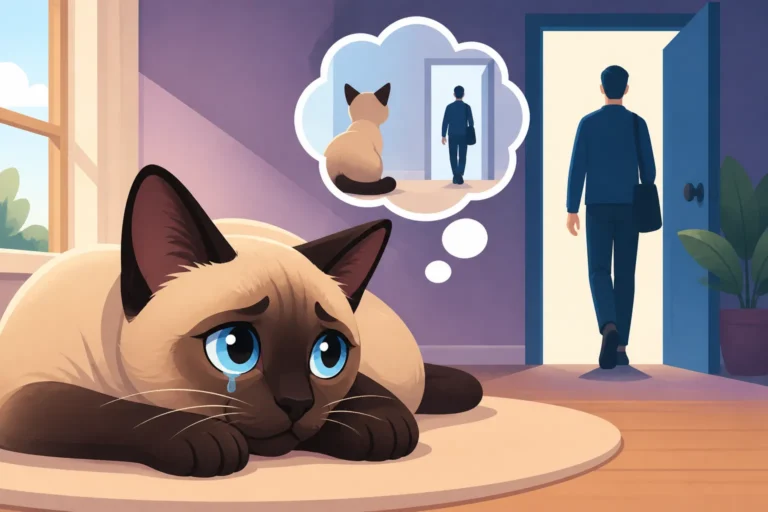
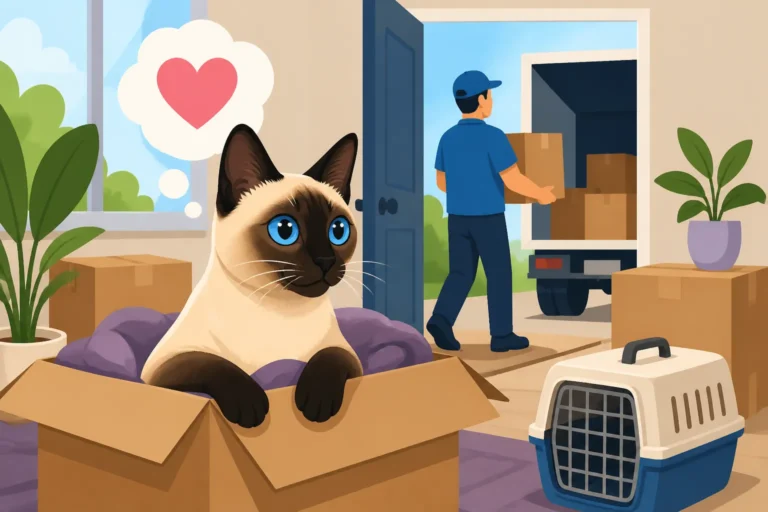
Think about common stressors: a house move, the arrival of a new baby or pet, a change in your work schedule leading to longer periods alone, or even loud noises. These events, which might seem minor to us, can be incredibly unsettling for a sensitive Siamese. Wool sucking, in these instances, becomes a powerful self-soothing mechanism, a way for the cat to cope with overwhelming feelings. The repetitive action releases endorphins, creating a temporary sense of calm.
Observing when your cat engages in wool sucking can often provide clues to its emotional triggers. Does it happen when you leave for work, after a loud party, or when another pet is getting attention? Identifying these patterns is crucial for addressing the underlying anxiety. For some cats, this stress can also lead to other compulsive behaviors like excessive grooming, as described in What Psychogenic Alopecia Does to a Siamese Cat.
Boredom, Lack of Stimulation, and Unmet Needs
Siamese cats are incredibly intelligent, active, and curious. They are not content to merely lie in a sunbeam all day; they thrive on interaction, exploration, and mental challenges. A bored Siamese cat is a mischievous Siamese cat, and in many cases, a wool-sucking Siamese cat. If their environment doesn't offer enough enrichment, physical exercise, or mental stimulation, they will find their own ways to entertain themselves or alleviate their ennui.
Imagine a Siamese cat left alone for long hours without toys, scratching posts, or interactive play. Their powerful minds and energetic bodies need an outlet. Wool sucking can become that outlet, a "job" for their mouth and mind when there's nothing else engaging to do. It’s a way to burn off restless energy and satisfy their innate curiosity, albeit in a destructive manner.
Ensuring your Siamese has a rich and stimulating environment is paramount. This includes regular, interactive play sessions with you, access to climbing structures, scratching posts, and engaging toys. A lack of such enrichment can significantly contribute to compulsive behaviors. If you notice What a Bored Siamese Cat Destroys in addition to fabric, it's a clear sign your feline friend needs more engagement.
| Contributing Factor | Description | Primary Influence | Intervention Focus |
|---|---|---|---|
| Genetics | Inherited predisposition, higher prevalence in Siamese and Oriental breeds. | Innate | Management, understanding, accepting the underlying urge. |
| Early Weaning/Maternal | Separation from mother too soon, insufficient nursing comfort, unfulfilled oral fixation. | Environmental | Providing alternative oral satisfaction, comfort. |
| Stress/Anxiety | Changes in routine, new pets, separation anxiety, loud noises, emotional distress. | Environmental | Reducing stressors, creating secure environment, vet support. |
| Boredom/Lack of Stim. | High intelligence and energy without adequate outlets, insufficient play, mental challenges. | Environmental | Increasing enrichment, interactive play, puzzle toys. |
| Dietary Factors | Potential (though less proven) link to fiber deficiency or specific nutritional needs. | Environmental | Vet-approved dietary adjustments, high-fiber options. |
Practical Strategies for Managing and Redirecting Wool Sucking
Dealing with wool sucking in a Siamese cat requires a multi-faceted approach. Since it's often a combination of genetic predisposition and environmental triggers, simply stopping the behavior isn't enough; you need to address the underlying needs and redirect the impulse.
Creating a "No-Suck" Environment and Deterrents
The first line of defense is to make the tempting items less appealing or inaccessible. This might sound obvious, but it requires vigilance. Put away those wool sweaters, cover your favorite blankets with less-tempting materials, or even temporarily remove certain soft furnishings from reach. If a particular item is your cat's main target, isolating it is crucial. How to Cat Proof a Home for a Siamese Cat provides more general tips that can be adapted for this specific issue.
For items that can't be put away, bitter sprays can be incredibly effective. Products like Grannick's Bitter Apple or various similar deterrents, readily available on Amazon, taste awful to cats but are harmless. Spray them liberally on targeted blankets, furniture corners, or even your clothing. The goal is to create an immediate negative association with the act of sucking that particular item, without causing distress to your cat. You might need to reapply these sprays regularly, especially after washing the treated item, to maintain their effectiveness.
Offering appropriate alternatives is also key. While you're deterring them from your cherished items, provide safe, appealing chew toys made from different materials. Some cats respond well to hard rubber toys, others to crinkly, durable fabric toys that aren't easily ingested. Experiment to find what your Siamese finds satisfying as a chewing or mouthing outlet.
Enhancing Environmental Enrichment and Play
Since boredom and lack of stimulation are major triggers, boosting your cat's environment is paramount. Siamese cats are incredibly intelligent and need outlets for their active minds and bodies. Regular, interactive play sessions, ideally 15-20 minutes, two to three times a day, are non-negotiable. Use wand toys, laser pointers (with a solid "catch" at the end!), or feather teasers to mimic hunting behavior and tire them out physically and mentally.
Puzzle feeders are fantastic tools for mental enrichment. Instead of simply putting food in a bowl, make your cat work for it. There are many options, from simple treat balls to more complex feeders that require batting, pawing, or manipulation. These items are widely available on Amazon and can keep your Siamese engaged for extended periods, diverting their attention from fabric. What Toys a Siamese Cat Actually Uses can give you ideas for engaging play.
Consider vertical space, too. Cat trees, shelves, and window perches provide opportunities for climbing, observing, and lounging, all of which contribute to a more stimulating environment. For an extra boost, harness training and supervised outdoor excursions (in a secure catio or on a leash) can provide novel experiences and prevent boredom. Whether a Siamese Cat Is Happier in a Pair is also worth considering, as a companion can provide social enrichment and reduce anxiety, particularly if your Siamese is often left alone.
Dietary Adjustments and Fiber
While not a universal solution, some anecdotal evidence suggests that dietary adjustments, particularly increasing fiber intake, can help reduce wool sucking in certain cats. The theory is that the behavior might sometimes be linked to a nutritional deficiency or an attempt to self-medicate for gastrointestinal discomfort. A diet rich in fiber can promote satiety and regulate digestion, potentially reducing the urge to chew on non-food items.
Before making any significant dietary changes, it's always best to consult your veterinarian. They can assess your cat's overall health and advise on whether a high-fiber diet is appropriate. There are specialized prescription diets designed for digestive health that are available through vet clinics or reputable pet supply retailers on Amazon. Alternatively, your vet might suggest adding a fiber supplement, such as psyllium husk, to your cat's regular food.
However, it's important to view dietary changes as a supportive measure, not a standalone cure. It works best in conjunction with environmental modifications and behavioral enrichment. Remember, wool sucking often has multiple contributing factors, so addressing one aspect may not be enough to eliminate the behavior entirely. Whether More Fiber Stops a Siamese Cat's Pica is a related topic that might offer further insights into this approach.
The Role of Veterinary Consultation and Medical Intervention
If your Siamese cat's wool sucking is severe, persistent, or leads to ingestion of fabric, a trip to the vet is absolutely non-negotiable. The primary concern with ingesting fabric is the risk of an intestinal blockage, which is a life-threatening emergency. Signs of an obstruction include repeated vomiting, lethargy, loss of appetite, abdominal pain, or changes in bowel movements. Signs a Siamese Cat Has Swallowed Fabric details these critical symptoms.
Your vet will first want to rule out any underlying medical conditions that could be contributing to the behavior. They might perform blood tests, X-rays, or an ultrasound to check for blockages or other issues. Once physical causes are excluded, they can discuss behavioral interventions.
In cases where anxiety or compulsive tendencies are severe and other methods haven't worked, your vet might consider prescribing anti-anxiety medication. These are typically used as a temporary aid to help break the cycle of compulsive behavior, giving you time to implement environmental and behavioral changes more effectively. This isn't a quick fix, but a tool to help manage a deeply ingrained issue, especially if you're facing serious complications like What a Wool Sucking Siamese Cat Costs in Surgery due to swallowed fabric.
Living Harmoniously with a Wool Sucking Siamese Cat
Accepting that wool sucking might be a lifelong tendency for your Siamese cat, even with the best management strategies, is a crucial step towards a harmonious household. It's about ongoing commitment, vigilance, and a deep understanding of your unique feline companion.
Patience, Persistence, and Understanding
It's easy to get frustrated when you find another chewed blanket or notice your cat still fixated on a forbidden fabric. However, it's vital to remember that wool sucking is not "misbehavior" in the malicious sense. It's a compulsive, often stress-induced, and genetically predisposed behavior. Punishing your cat for it will likely only increase their anxiety, making the problem worse.
Instead, approach the situation with patience and persistence. What works today might need adjustment tomorrow. Continue to offer enrichment, maintain a stable environment, and use deterrents consistently. Progress might be slow, and setbacks are possible. Celebrate the small victories – a day without a chewed item, a longer play session, a period of calm. Your cat isn't doing this to spite you; they are trying to cope.
This ongoing commitment also strengthens your bond. When your Siamese feels understood and their needs are met, even if they still occasionally indulge in their peculiar habit, the overall quality of life for both of you improves dramatically. It's a journey of continuous learning about your individual cat's quirks and needs.
Monitoring and Preventing Health Complications
Living with a wool-sucking Siamese means maintaining a constant vigil for potential health complications. The most immediate and severe risk is an intestinal blockage. Regularly inspect your cat's favorite fabric items for signs of damage or ingestion. Keep an eye on your cat's litter box habits, appetite, and energy levels. Any sudden change should prompt an immediate call to your veterinarian.
Beyond acute blockages, chronic wool sucking can also lead to dental problems. Constant chewing on fabrics can cause wear and tear on their teeth, leading to fractures or gingivitis. Regular dental check-ups are essential, and your vet might recommend specific dental care routines or products to mitigate these risks. Dental Disease in a Siamese Cat is a common issue for many cats, and wool sucking can exacerbate it.
Maintaining a cat-friendly first-aid kit and knowing the location of your nearest emergency vet clinic is always a good idea when you have a cat prone to ingesting non-food items. Proactive monitoring and quick action are your best tools in preventing a minor habit from becoming a major health crisis.
Fostering a Secure and Stimulating Home Environment
Ultimately, the goal is to create a home environment where your Siamese cat feels so secure, stimulated, and loved that the urge to wool suck is minimized, or at least redirected to safe alternatives. This means a predictable routine, plenty of one-on-one attention, and an environment rich with appropriate outlets for their intelligence and energy.
Ensure they have comfortable, warm places to sleep, scratching posts that they love, and a variety of toys to keep them engaged. Consider whether a companion animal might help alleviate loneliness or anxiety; Whether a Siamese Cat Is Happier in a Pair could be a valuable consideration. If your Siamese is particularly vocal or needy, acknowledging their communication and providing consistent interaction can go a long way in reducing stress.
Remember, a happy, well-adjusted Siamese is less likely to resort to compulsive behaviors as a coping mechanism. While the genetic predisposition for wool sucking might always be there, a well-managed and loving home can ensure it remains a manageable quirk rather than a dangerous obsession. Your dedication to understanding and addressing this complex behavior will ultimately lead to a stronger, healthier bond with your unique and wonderful Siamese companion.
Disclaimer
This article is for general informational purposes only and does not constitute professional advice. Laws, prices and regulations vary by location and change over time. Consult a qualified professional for guidance on your specific situation.