How to Cat Proof a Home for a Siamese Cat
As a Siamese cat parent, you know the struggle: you turn your back for a second, and your brilliant, curious feline has managed to open a cabinet, scale a bookshelf, or investigate something they absolutely shouldn't be touching. Their intelligence and boundless energy, while endearing, can also lead them straight into danger. This comprehensive guide will walk you through the essential steps to cat-proof your home, ensuring your clever Siamese can explore safely and thrive without constant worry.
Understanding the Siamese Cat's Unique Drive for Exploration
Siamese cats are not your average couch potatoes; they're adventurers at heart, blessed with a sharp mind and an insatiable curiosity that often gets them into mischief. If you've ever owned one, you'll know they're always "helping" or "investigating." This isn't just a quirk; it's a fundamental part of their personality and breed heritage. Their drive to understand and interact with their environment is what makes them so engaging, but it also makes them adept at finding vulnerabilities in your home's safety.
The Siamese Cat's Insatiable Need for Exploration
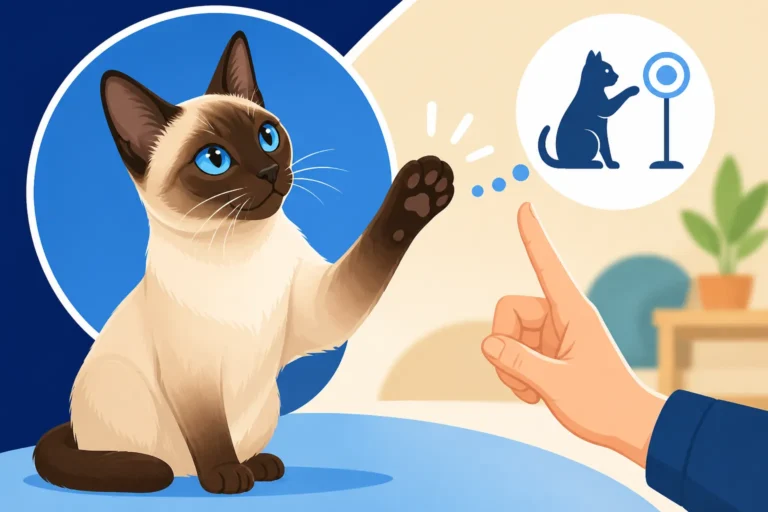
Unlike some other breeds that might be content to observe from a distance, a Siamese cat wants to be right in the thick of it. They don't just see a closed door; they see a challenge to be overcome. They don't just see a forbidden counter; they see a potential new vantage point or a treasure trove of interesting smells. This inherent drive means that traditional cat-proofing methods that work for less curious felines might not be enough for a Siamese. They're thinkers, problem-solvers, and they often possess an uncanny ability to learn by watching you. This is why you'll often hear stories of Siamese cats How a Siamese Cat Opens Doors or turning on faucets.
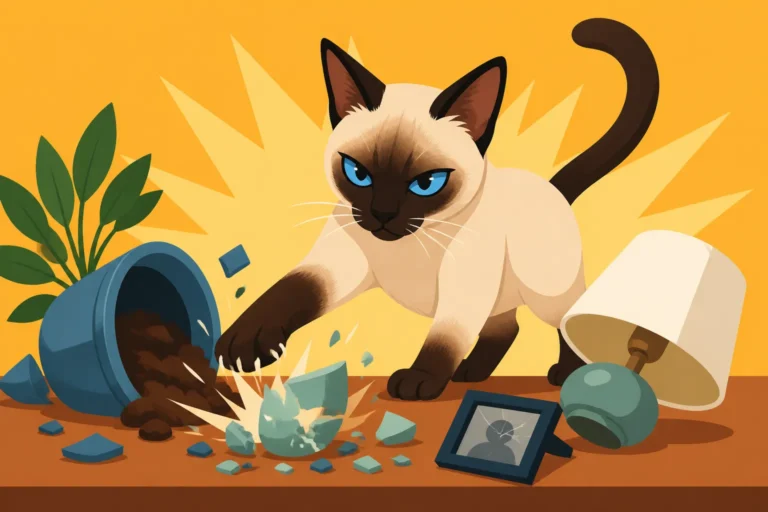
Their high energy levels also contribute to their exploratory nature. A bored Siamese is a destructive Siamese, and an under-stimulated cat will create their own entertainment, which often involves investigating places or objects that aren't safe. Providing ample mental and physical enrichment is a crucial part of cat-proofing, as it redirects their intelligent curiosity towards appropriate outlets rather than dangerous ones.
How Their Cleverness Can Lead to Trouble
The same intelligence that allows a Siamese cat to learn tricks or engage in complex play can also be their downfall if the home environment isn't properly secured. They're not just strong; they're smart. They can figure out latches, manipulate small objects, and use their agility to reach seemingly inaccessible spots. This means that a simple closed cabinet door isn't usually enough to deter a determined Siamese. They'll push, pull, scratch, and even chew if they think there's something interesting on the other side.
Their sharp minds mean they quickly associate certain actions with outcomes. If they manage to open a cupboard once and find something intriguing, they'll remember that and try again. This learning capacity requires us, as their guardians, to be one step ahead. We need to anticipate their next clever move and secure our homes against not just what they might accidentally get into, but what they might deliberately try to access. Understanding How Clever a Siamese Cat Is truly puts the challenge of cat-proofing into perspective.
Identifying Common Household Hazards for Your Siamese
When cat-proofing for a Siamese, it's not enough to simply remove obvious dangers. You need to think like a Siamese: what looks interesting? What can be chewed? What can be climbed? Their tendency towards pica, for instance, means that small, chewable items become significant hazards.
Electrical Wires and Cords: A Chewing Hazard
One of the most insidious dangers in any modern home is the abundance of electrical wires and charging cords. For a curious Siamese, these can look like enticing toys, especially if they dangle or move. The smooth texture can be appealing to chew, and unfortunately, chewing on live wires can lead to severe burns, electric shock, or even death. It's a risk often underestimated by new cat owners.
Beyond the immediate danger of electrocution, even unplugged cords can pose a risk. If swallowed, bits of plastic or rubber can cause an intestinal blockage, which is a serious veterinary emergency. Many Siamese cats have a propensity for chewing on non-food items, sometimes linked to stress or an underdeveloped suckling reflex from being weaned too early. This includes fabric, plastic, and, yes, electrical cords.
Toxic Plants and Household Chemicals
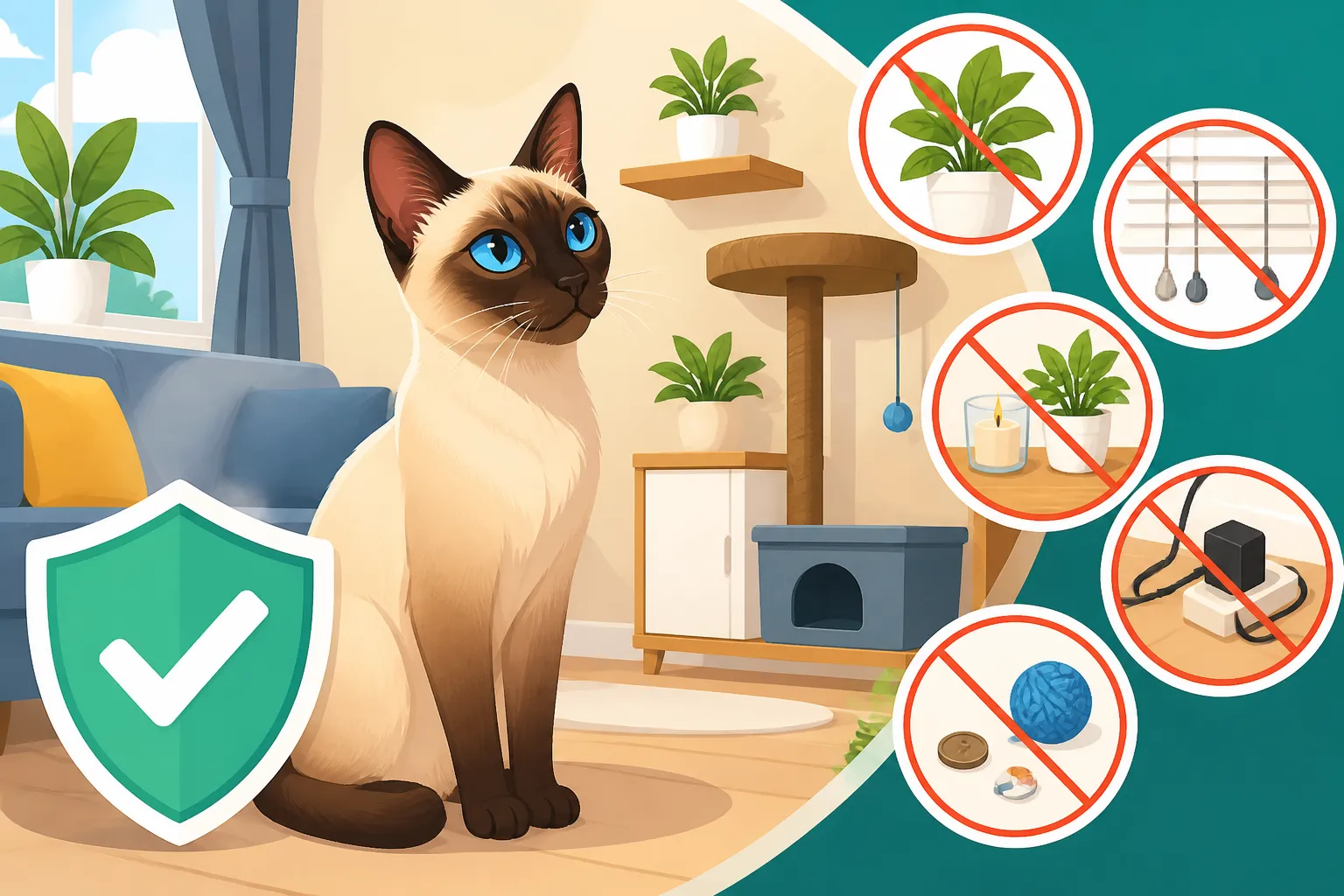
Our homes are often filled with things that are harmless to us but highly toxic to our feline friends. Many common houseplants, like lilies, sago palms, or even philodendrons, can cause severe illness or death if ingested. A Siamese cat's natural curiosity means they're much more likely to sample a leaf or dig in the soil than a less adventurous cat. The same goes for household cleaners, detergents, medications, and even certain foods like chocolate, onions, or grapes.
These items, often stored in easily accessible lower cabinets or left out on counters, become irresistible targets for a cat known for their investigative prowess. It's not enough to simply tell yourself your cat "won't touch that." A Siamese will certainly explore it, and even a tiny amount of a toxic substance can have dire consequences for their small bodies. Always assume they will find and attempt to interact with anything within reach.
Small Objects and Choking Risks
Siamese cats are notorious for their tendency to suck wool and swallow it (Why a Siamese Cat Chews Wool and Swallows It) or other non-food items. This behavior, often linked to pica, means that small objects left lying around are not just potential choking hazards, but also risks for internal blockages. Think about hair ties, rubber bands, bottle caps, small toy parts, thread, needles, and even plastic bags. Why a Siamese Cat Chews Plastic Bags is a common problem for owners of this breed. If these items are swallowed, they can become lodged in the digestive tract, requiring emergency surgery.
The stealthy nature of a Siamese means they might grab and swallow something quickly, leaving you none the wiser until signs of illness appear. Recognizing Signs a Siamese Cat Has an Intestinal Blockage can be crucial, but prevention is always better. This requires a meticulous approach to keeping small, ingestible items out of reach. Pay particular attention to what fabrics and textures your Siamese gravitates towards, as Which Fabrics a Siamese Cat Goes For can vary from cat to cat.
Open Windows, Doors, and Other Escape Routes
Siamese cats are highly intelligent and often have a strong prey drive, making open windows, doors, and even unlatched screens significant escape hazards. Their agility allows them to quickly dart through openings or scale structures that might surprise you. Once outside, the dangers are numerous, from traffic to predatory animals, or even just getting lost in unfamiliar territory.
Their vocal nature can sometimes be a double-edged sword; while they might yowl for attention, their curiosity about the outside world can make them try to slip out without a sound. Even a tiny gap in a screen or an open window on a warm day is an invitation for a Siamese to explore. They're also known for their ability to jump incredible heights, so seemingly high-up windows still pose a risk if not properly secured.
Strategies for Effective Cat Proofing
Now that we understand the unique challenges a Siamese cat presents, let's talk about practical solutions. Cat-proofing is less about building a fortress and more about thoughtful organization and strategic placement, combined with plenty of appropriate enrichment.
Securing Cabinets and Drawers
Those clever paws and persistent personalities mean standard cabinet closures often aren't enough. You'll need child-proof latches, often found on Amazon or at local hardware stores, designed for toddlers. These come in various styles, from magnetic locks that require a special key to pressure-mounted external latches. Install these on any cabinet or drawer containing food, chemicals, medications, breakables, or anything else your Siamese shouldn't access.
For particularly determined cats, you might even consider adding a secondary lock or a simple bungee cord around cabinet handles, especially in areas like the kitchen or bathroom. Remember, a Siamese learns quickly, so if they figure out one type of lock, you might need to try another. The goal is to make it impossible for them to open, not just difficult.
Managing Cords and Electronics Safely
All electrical cords should be either hidden, encased, or elevated. Cord covers, available on Amazon and at electronic stores, are fantastic for grouping and protecting wires. These can be simple sleeves or more rigid channels that adhere to walls or baseboards, making cords inaccessible and less appealing to chew. For cords that are in use, such as phone chargers, make sure they are unplugged and put away when not in use.
Consider using furniture to block access to areas with many wires, or invest in cable management boxes to contain power strips and excess cabling. If your Siamese is a persistent chewer, consider bitter apple sprays on cords (though effectiveness varies) or even investing in cordless alternatives where possible. Always check behind furniture and appliances for hidden or dangling wires that your cat might discover.
Choosing Safe Houseplants and Cleaning Products
The easiest way to deal with toxic plants is to remove them entirely from your home. If you're unsure if a plant is safe, it's best to err on the side of caution. Many veterinary resources and ASPCA provide comprehensive lists of toxic and non-toxic plants. For plants you choose to keep, place them in areas that are genuinely inaccessible to your Siamese – not just high shelves, but inside closed terrariums or in rooms your cat never enters.
As for cleaning products and chemicals, they should always be stored in secure, latched cabinets. Never leave bottles out on counters or floors, even for a moment. Similarly, medications, human food, and any other potentially harmful items should be stored securely. Always clean up spills immediately using pet-safe cleaners. For truly thorough cleaning, consider using natural, non-toxic alternatives like vinegar and baking soda where appropriate.
Creating Safe Zones and Enrichment
A well-cat-proofed home also provides ample safe and stimulating options for your Siamese. They are highly intelligent and energetic, and What a Bored Siamese Cat Destroys can be a long and expensive list. Invest in vertical climbing spaces like sturdy cat trees that reach the ceiling, allowing them to survey their domain from a safe height. These cater to their natural instinct to climb and observe. Make sure to anchor tall furniture to the wall to prevent tipping.
Provide a variety of interactive toys. Siamese cats often respond well to feather wands, laser pointers (used responsibly), and puzzle feeders. What Toys a Siamese Cat Actually Uses can vary, so experiment with different types. Puzzle feeders, in particular, are excellent for mental stimulation, making them "work" for their food and engaging their problem-solving skills. Whether a Puzzle Feeder Occupies a Siamese Cat for extended periods is a definite yes, and it can reduce destructive behaviors. Consider having designated "safe zones" where your Siamese can retreat and feel secure, perhaps with a comfortable bed and their favorite toys.
Ongoing Vigilance and Adaptation
Cat-proofing isn't a one-and-done task, especially with a brilliant Siamese cat. It's an ongoing process of observation, adaptation, and maintaining a constant awareness of your cat's environment and habits.
Regularly Inspecting Your Home for New Dangers
Your Siamese cat is constantly learning and evolving their strategies. What was safe yesterday might not be safe tomorrow if they've discovered a new climbing route or figured out a tricky latch. Make it a habit to regularly walk through your home, literally getting down on your hands and knees to see things from your cat's perspective. Look for new dangling cords, forgotten small objects under furniture, or recently introduced plants.
Pay attention to any changes in your cat's behavior. Are they suddenly fixated on a particular area? Are they spending more time investigating a previously ignored cabinet? These can be clues that a new hazard has been identified or a previous cat-proofing measure needs reinforcement. This proactive approach helps you address potential dangers before they become real problems.
Adapting to Your Siamese Cat's Changing Habits
Just as humans grow and change, so too do our feline companions. A kitten's curiosity might differ from an adult cat's, and an older Siamese might develop new habits or sensitivities. For example, some Siamese develop psychogenic alopecia, where stress or boredom causes them to overgroom to the point of baldness, making environmental enrichment even more critical. What Psychogenic Alopecia Does to a Siamese Cat highlights how a cat's mental state directly impacts their physical well-being, and a stimulating, safe environment is key to both.
If your cat starts chewing on items they never did before, consider if they are bored, stressed, or if their diet needs adjustment. If a specific cat-proofing measure fails, don't get discouraged; simply adapt. Find a stronger lock, a more secure cord cover, or a new type of enrichment. Cat-proofing is a dynamic process, a constant dance between your clever Siamese and your commitment to their safety and well-being. By staying vigilant and flexible, you can ensure your Siamese enjoys a long, healthy, and safe life in your loving home.
Disclaimer
This article is for general informational purposes only and does not constitute professional advice. Laws, prices and regulations vary by location and change over time. Consult a qualified professional for guidance on your specific situation.