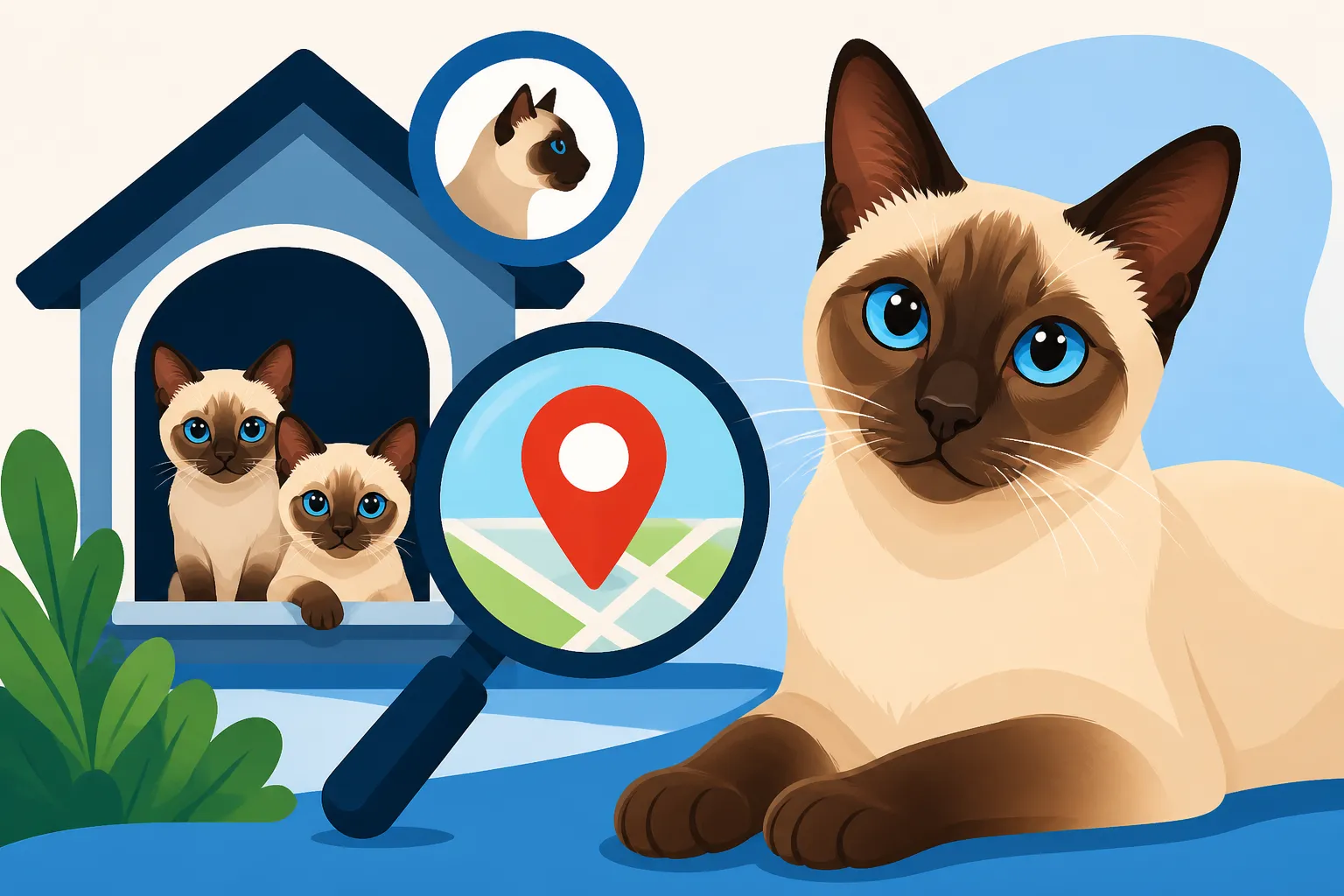
Where to Find an Applehead Siamese Cat Breeder
It's incredibly frustrating when you have a clear picture in your mind of the perfect feline companion – a beautiful, robust Applehead Siamese – only to find that searching for a breeder feels like a labyrinth. Many people are looking for that classic, rounder-headed Siamese, but navigating the world of cat breeding can be confusing, especially when different styles exist. This guide will walk you through exactly where to focus your search, what to look for, and how to ensure you find a healthy, happy Applehead Siamese kitten from a reputable source.
Understanding the Applehead Siamese: What Makes Them Unique?
Before you even start reaching out to breeders, it's vital to truly understand what an "Applehead Siamese" actually is and why they're often discussed separately from other Siamese types. This isn't just about aesthetics; it touches on history, temperament, and even health considerations. Many prospective owners are drawn to the Applehead look because it reminds them of the Siamese cats they grew up seeing in old photos or movies.
The Look and Temperament of the Applehead
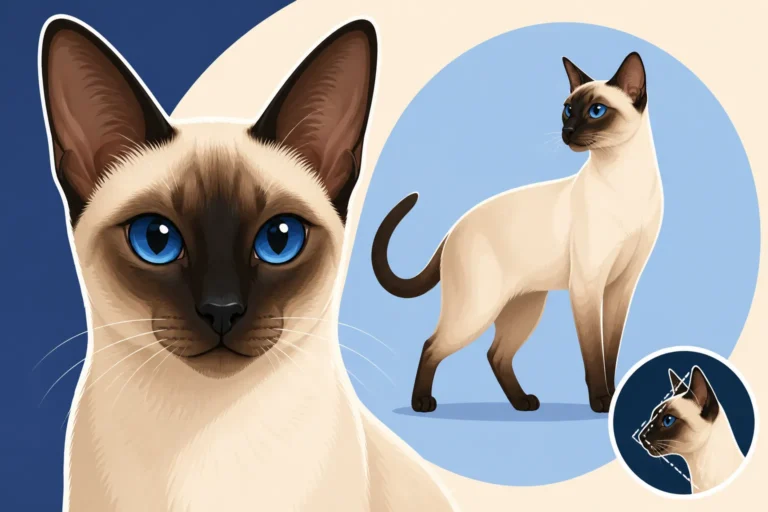
When people talk about an Applehead Siamese, they're generally referring to the older, more traditional style of the breed. Think of a cat with a distinctly rounder head, sometimes described as apple-shaped, compared to the sleek, wedge-shaped head of the modern show Siamese. Their bodies tend to be more substantial, often described as cobby or stocky, with a less extreme, more muscular build. Their ears might be a bit smaller and set wider apart, and their eyes, while still a striking blue, might not be quite as slanted as those found on the extreme wedge types.
Beyond the physical appearance, many devotees of the Applehead style believe they possess a slightly calmer, perhaps even more "old-fashioned" Siamese temperament. While all Siamese cats are known for their vocal nature, intelligence, and strong bond with their humans, some people feel the Applehead types retain a bit more of a mellow disposition, without losing that quintessential "Meezer" chatty personality. They're still incredibly affectionate, demanding attention, and will follow you from room to room, engaging in conversation. It's that wonderful blend of traditional charm and lively companionship that makes them so beloved. You can learn more about What an Applehead Siamese Cat Looks Like to truly appreciate their distinct features.
Why the Applehead Isn't "Standard" and Why That's Okay for Pet Owners
Here's where the confusion often comes in. The term "Applehead" isn't an official designation recognized by major cat registries like the Cat Fanciers' Association (CFA) or The International Cat Association (TICA) for their modern Siamese breed standard. The current show standard for the Siamese favors a much more extreme, slender, and angular "wedge" head type, with large, wide-set ears and an incredibly lithe body. This preference has evolved over decades, leading to a distinct difference between what wins ribbons and what many pet owners still envision as a classic Siamese.
For pet owners, however, this distinction shouldn't be a deterrent. If you're not planning to show your cat, whether or not a cat meets a specific show standard is largely irrelevant. Your primary concern is a healthy, well-socialized, and loving companion. There are dedicated breeders who specifically work to preserve the Applehead type, often referring to them as "Traditional Siamese" or sometimes "Thai" cats (though the Thai is a separate, recognized breed that shares much of the original Siamese lineage). These breeders prioritize the classic look and robust health, focusing on producing wonderful pets rather than show winners. This means that while finding a "CFA-registered Applehead Siamese" might be tricky, finding a reputable breeder specializing in the traditional look is absolutely possible. It's often a matter of understanding the terminology and where these dedicated breeders focus their efforts. If you're curious about registry status, the article Whether an Applehead Siamese Cat Is Registrable offers more insights.
Navigating the Search: Where Applehead Breeders Tend to Operate
Finding an Applehead Siamese breeder requires a slightly different approach than seeking out a breeder for the modern show-style Siamese. Because they don't typically adhere to the mainstream show standards, their presence might be less prominent in official breed club directories focused solely on show lines. However, they are out there, and with a bit of dedicated searching, you can connect with them.
Online Directories and Forums: A Starting Point
The internet is undoubtedly your best friend when starting your search. While you might not find "Applehead Siamese" as a selectable filter on all official breed club websites, many dedicated directories exist specifically for traditional or old-style Siamese cats.
- Dedicated Traditional/Applehead Breeder Directories: Seek out websites that specifically list "Traditional Siamese" or "Applehead Siamese" breeders. These sites often act as a central hub for breeders who prioritize the classic look and temperament. They might not be as slick or frequently updated as some modern show cat sites, but they are goldmines for the specific type you're looking for. Always cross-reference any breeder you find here with independent reviews or references if possible.
- Breed-Specific Forums and Social Media Groups: This is perhaps one of the most effective ways to find an Applehead breeder. Search for Facebook groups, online forums, and Reddit communities dedicated to "Traditional Siamese Cats," "Applehead Siamese," or "Old Style Siamese." In these communities, you'll find passionate owners and breeders who share information, recommendations, and sometimes even have upcoming litters announced. People are usually very eager to help new enthusiasts find the right fit. Engaging in these groups can also give you a feel for common practices and typical costs, which can vary. For example, Why Applehead Siamese Cat Breeders Charge Less compared to the high-demand show lines might be a topic of discussion.
- General Cat Breeder Directories: While less targeted, some general online cat breeder directories might include listings for breeders who simply identify as "Siamese" and happen to breed the traditional type. You'll need to look closely at their photos and descriptions to determine if their lines match the Applehead aesthetic you're seeking. When using these, pay extra attention to the breeder's philosophy and how long they've been breeding.
Remember, when you find potential breeders online, take your time. Don't rush into anything. Look for clear photos of their cats and kittens, read their "About Us" section thoroughly, and see if they discuss their breeding philosophy. A reputable breeder, regardless of the "style" of cat they produce, will be transparent and proud of their animals.
Local Networks and Word-of-Mouth
Sometimes, the best connections are made offline. While it might seem old-fashioned, word-of-mouth recommendations still hold immense value, especially in niche breeding communities.
- Veterinarians: Your local veterinarian, or even a vet clinic known for specializing in feline care, can be an excellent resource. Vets often interact with many different breeders in the area and might have personal recommendations for breeders known for their ethical practices and healthy cats. They might know a breeder of "Traditional Siamese" even if they don't use the term "Applehead."
- Local Cat Shows (even if you're not showing): While Appleheads might not be competing in the main ring, attending local cat shows can be beneficial. Many breeders of other cat breeds, or even retired Siamese breeders, attend these events. They are part of the larger cat community and might know someone who breeds the traditional Siamese type. It's a fantastic networking opportunity to ask around and get referrals. Plus, you get to meet many beautiful cats!
- Rescue Organizations (for adults): If you're open to an adult cat, Siamese-specific rescue organizations or general cat rescues sometimes have purebred Siamese cats, including those with the traditional Applehead look, available for adoption. These cats might be older, but often come with a known history and have already received initial veterinary care. This is a wonderful option for giving a loving home to a cat in need. Why So Many Siamese Cats End Up in Rescue is a topic that highlights the important work these organizations do.
When seeking referrals, always be specific about the look you're after. Showing photos of what you consider an "Applehead" can help people understand exactly what you mean, bridging any terminology gaps.
Key Questions to Ask an Applehead Siamese Breeder
Once you've identified a few potential Applehead Siamese breeders, the real work begins: due diligence. This is where you gather information, assess their practices, and determine if they're the right fit for you and your future feline family member. Don't be afraid to ask a lot of questions; a good breeder will welcome your thoroughness.
Health Screenings and Kitten Care
Health should always be your top priority. A reputable breeder will be proactive about the health of their breeding cats and their kittens.
- What health screenings do you perform on your breeding cats? While some inherited conditions like amyloidosis are still difficult to screen for directly in Siamese cats (There Is No DNA Test for Siamese Cat Amyloidosis), breeders should still be aware of common issues and screen for general feline health. This includes regular veterinary check-ups, vaccinations, and testing for common infectious diseases like Feline Leukemia Virus (FeLV) and Feline Immunodeficiency Virus (FIV). Ask if they track health issues in their lines.
- What is your vaccination and deworming schedule for kittens? Kittens should receive their initial vaccinations and deworming treatments before they go to their new homes. A breeder should be able to provide records of these.
- At what age do you send kittens to their new homes? Kittens should ideally stay with their mother and littermates until at least 12-16 weeks of age. This crucial period allows them to learn vital social skills, litter box etiquette, and bite inhibition from their mother and siblings. Sending them home too early can lead to behavioral problems down the line.
- Can I see where the kittens are raised? A good breeder will raise their kittens in a clean, stimulating home environment, not in isolated cages. They should be well-socialized, accustomed to household noises, and comfortable with human interaction. While not all breeders welcome in-person visits immediately due to biosecurity concerns, they should be able to provide videos or live video calls.
- What kind of food are the kittens eating? Knowing their current diet will help you transition them smoothly to your chosen food, reducing stomach upset.
Table: Essential Breeder Questions & Why They Matter
| Question Category | Specific Questions | Why It Matters |
|---|---|---|
| Health & Pedigree | What health tests are performed? | Indicates breeder's commitment to reducing genetic diseases. |
| Are parents FeLV/FIV negative? | Prevents transmission of serious infectious diseases. | |
| Can I see pedigree papers? | Verifies lineage and purebred status, helps track potential hereditary issues. | |
| Kitten Care | What is the vaccination/deworming schedule? | Ensures kittens receive necessary early medical care. |
| At what age do kittens go home? | Guarantees kittens have sufficient time for socialization and development. | |
| What food are they eating? | Helps ensure a smooth transition and avoids digestive upset. | |
| Breeder Practices | What is your return/rehoming policy? | Shows responsibility for the cat's lifetime welfare. |
| Do you offer a health guarantee? | Provides assurance and recourse if unforeseen health issues arise early on. | |
| Can I speak to references? | Allows you to hear from other satisfied kitten buyers. |
Understanding the Contract and Guarantees
A written contract is a sign of a professional and responsible breeder. It protects both you and the breeder and outlines important expectations.
- What does your health guarantee cover? Most reputable breeders offer a health guarantee, often for a period after purchase, covering serious genetic or congenital conditions. Understand the terms, what it covers, and what your responsibilities are.
- What is your spay/neuter policy? Most pet-quality kittens will be sold on a spay/neuter contract, meaning you agree to have them altered by a certain age. Some breeders even spay/neuter before placement. This is a sign of responsible breeding, aiming to prevent accidental litters. What a Siamese Cat Contract Restricts often includes these types of clauses.
- What is your return policy? A good breeder will always take back a cat at any point in its life if you can no longer care for it, no questions asked. This demonstrates a lifelong commitment to the well-being of the cats they produce.
- Do you offer ongoing support? A dedicated breeder will be a resource for you throughout your cat's life, willing to answer questions and offer advice. This is invaluable, especially for first-time Siamese owners.
- Will the kitten be microchipped? Many breeders microchip their kittens before they leave, registering the chip to themselves as a secondary contact, ensuring the cat can always be traced back to them if lost. This is an excellent safety measure.
Don't hesitate to take the contract home and review it carefully before signing. If anything is unclear, ask for clarification.
Avoiding Pitfalls: What to Watch Out For
Finding the right Applehead Siamese breeder can be a wonderful experience, but like any significant purchase involving a living creature, there are potential pitfalls to navigate. Knowing the red flags can save you from heartbreak and unexpected expenses down the road.
Red Flags in Breeder Communication
The way a breeder communicates with you can tell you a lot about their practices and professionalism. Trust your gut feeling.
- Lack of transparency: If a breeder is evasive about health records, won't allow you to see the kitten's living environment (even virtually), or doesn't want you to meet the kitten's parents, consider it a major red flag. They might be hiding unsanitary conditions, sick animals, or a "kitten mill" type of operation.
- No questions for you: A responsible breeder will ask you many questions about your living situation, experience with cats, and plans for the kitten. They want to ensure their kittens go to loving, appropriate homes. If they seem eager to sell to anyone with cash, without vetting you, that's a sign they prioritize profit over their cats' welfare.
- Pushy sales tactics: High-pressure sales or demanding an immediate deposit without giving you time to consider are concerning. A good breeder wants you to be confident and comfortable with your decision.
- Vague or inconsistent answers: If their answers to your health questions are vague, or if information changes from one conversation to the next, it's a sign of disorganization or dishonesty.
- Unwillingness to provide references: A reputable breeder should be able to provide references from their veterinarian or previous kitten buyers. If they refuse, be wary. Speaking of health, remember that a proactive approach can save you a lot of worry later; looking into pet insurance from providers like Healthy Paws can also offer peace of mind for unexpected vet bills.
Price vs. Value: What You're Really Paying For
The cost of an Applehead Siamese kitten can vary, and it's important to understand what that price typically includes and what might be left out by less scrupulous breeders.
- Extremely low prices: While Why Applehead Siamese Cat Breeders Charge Less than those focused on show lines is a valid point, an unusually low price should raise an eyebrow. Quality breeding—including health testing, proper nutrition for the mother and kittens, vaccinations, and early veterinary care—is expensive. A price that seems "too good to be true" often is, indicating corners might have been cut in vital areas.
- Lack of veterinary care included: Ensure the price includes at least the first round of vaccinations, deworming, and a vet check-up. Kittens should never leave a breeder without these basic health interventions.
- No spay/neuter included (for pet quality): As mentioned, responsible breeders often include spay/neuter in their contract or even perform it before sale. If they don't, factor in the cost and responsibility for this procedure yourself.
- What is being sold: Be clear on whether you are getting a purebred Applehead Siamese. Sometimes, cats are misrepresented, or are mixed breeds sold as purebreds. A true Applehead breeder will be transparent about their lines and not try to pass off a different cat as what you're looking for.
- Hidden costs: Ask if there are any additional fees you should be aware of, beyond the initial kitten price. Sometimes, transportation fees or fees for specific documents might be extra.
Ultimately, you're not just buying a kitten; you're investing in a healthy, well-adjusted companion who will be a part of your family for many years. Choosing a responsible breeder, even if it means a higher initial cost, provides the best foundation for a long and happy life together for your Siamese cat. Remember, the average lifespan of a Siamese is significant, and investing wisely at the start can contribute to The Fifteen to Twenty Years a Siamese Cat Gets with you.
Disclaimer
This article is for general informational purposes only and does not constitute professional advice. Laws, prices and regulations vary by location and change over time. Consult a qualified professional for guidance on your specific situation.