What a Siamese Cat’s Inhaler and Spacer Cost
Finding out your beloved Siamese cat has asthma can be absolutely heart-wrenching, and then the practical realities hit you, often starting with a whirlwind of questions about treatment. One of the biggest hurdles many cat parents face is understanding the financial commitment, especially when it comes to crucial daily medications like inhalers and the specialized spacers needed to administer them. This guide aims to demystify the costs associated with your Siamese cat's asthma inhaler and spacer, helping you prepare for and manage these essential expenses.
Understanding Feline Asthma in Siamese Cats
The diagnosis of feline asthma often comes with a mix of relief (finally, an answer!) and anxiety. You've probably noticed your kitty struggling to breathe, maybe with a persistent cough that sounds like a hairball but isn't, or even open-mouthed panting during severe episodes. It's a scary thing to witness, and knowing what you're up against is the first step.
Why Siamese Cats and Asthma Go Hand-in-Hand
It's a frustrating reality for many Siamese cat owners: our beautiful, vocal companions seem to have a predisposition for certain health issues, and asthma is definitely on that list. While any cat can develop asthma, purebreds, including Siamese cats, often appear to be more commonly affected. This might be due to a genetic component, or simply a tighter gene pool making certain sensitivities more prevalent. Their unique physiology, with sometimes more slender airways, might also play a role, making them more reactive to environmental irritants. It's not your fault, and it's certainly not theirs; it's just a part of their genetic lottery that we, as responsible owners, need to be aware of and ready to manage. Learning about Asthma in a Siamese Cat can provide deeper insights into this condition.
When your Siamese starts coughing or wheezing, it's often an allergic reaction. Their immune system overreacts to something in the environment, causing inflammation and constriction in their airways. This makes it incredibly difficult for them to breathe, leading to those scary coughing fits or even gasping. Imagine trying to breathe through a tiny straw—that's what an asthmatic cat experiences during a flare-up. Early detection and consistent management are vital to ensure their quality of life.
Recognizing the Signs and Getting a Diagnosis
You might first notice your Siamese cat exhibiting symptoms like a persistent, dry cough, wheezing sounds coming from their chest, or increased respiratory effort, sometimes looking like their belly is working hard to push air out. Some cats might even crouch low with their neck extended, struggling for breath. If you see Asthma Symptoms in a Siamese Cat, it's crucial to get them to the vet immediately. Your vet will likely perform a physical exam, listen to their lungs, and may suggest diagnostics such as chest X-rays to rule out other conditions like heartworm disease or other respiratory infections.
A definitive diagnosis often involves a comprehensive workup, which can include blood tests and sometimes even a bronchoalveolar lavage (BAL) to analyze the cells in their airways. This initial diagnostic phase can be an unexpected expense, but it's absolutely necessary to confirm asthma and rule out other serious conditions. Once diagnosed, your vet will work with you to create a treatment plan that typically involves managing inflammation and opening up those constricted airways, with inhalers often being a cornerstone of that plan. Understanding What a Siamese Cat's Asthma Workup Costs can help you financially plan for this initial stage.
The Treatment Approach: Why Inhalers Are Key
For many years, oral steroids were the go-to treatment for feline asthma. While effective at reducing inflammation, long-term oral steroid use can come with a host of undesirable side effects, including increased thirst, urination, weight gain, and even a higher risk of diabetes. This is where inhalers shine. Administering medication directly to the lungs means a much lower systemic dose, reducing those pesky side effects while still effectively targeting the inflamed airways.
Inhalers deliver precise amounts of medication directly where it's needed most, providing quick relief for bronchodilators (which open airways) and consistent anti-inflammatory action for steroids. This targeted approach is generally safer and more effective for long-term management of chronic asthma in cats. It allows your Siamese to breathe easier with fewer risks associated with medication, making it a preferred choice for many veterinarians and informed cat parents.
The Essentials: Inhalers for Your Siamese Cat
Once asthma is diagnosed, your vet will likely prescribe an inhaler. It’s a bit different from what humans use, primarily because cats can’t just hold their breath and inhale deeply on command. This is where the spacer comes into play, but first, let's talk about the medications themselves.
Types of Medications Used in Feline Inhalers
Feline inhalers typically contain one of two main types of medication: corticosteroids or bronchodilators. Corticosteroids, like fluticasone propionate, are the workhorses for long-term asthma management. They reduce inflammation in the airways, preventing attacks before they start. These are usually given once or twice a day on a regular schedule. Think of them as the preventative measure, steadily keeping the inflammation at bay.
Bronchodilators, such as albuterol, are used for emergency relief during an acute asthma attack. They quickly open up constricted airways, providing immediate breathing relief. Your vet might prescribe both – a daily preventative corticosteroid and an "as needed" bronchodilator for emergencies. It’s crucial to understand the difference and when to use each, as mixing them up could be dangerous or ineffective. Each type of medication will have its own cost profile, which can impact your overall budget for managing How a Siamese Cat's Asthma Is Treated.
Prescription vs. Over-the-Counter: What You Need to Know
Unlike some human medications, feline inhalers are strictly prescription-only. You cannot simply walk into a pharmacy and ask for a cat inhaler. Your veterinarian must diagnose your Siamese cat with asthma and provide a prescription for the specific medication and dosage required. This ensures your cat receives the correct treatment and that any underlying conditions are properly addressed.
Beware of any online sources claiming to sell "over-the-counter" pet inhalers, as these are often unregulated, ineffective, or even dangerous. Always obtain your cat's asthma medications through a licensed veterinarian or a reputable pharmacy that works with veterinary prescriptions. This often means going through your vet's office directly or using an online pet pharmacy like Chewy, which can fill prescriptions once approved by your vet.
The Cost Landscape of Inhaler Medications
The cost of an inhaler medication for your Siamese cat can vary significantly. Factors influencing the price include the specific drug prescribed (e.g., fluticasone versus albuterol), the dosage, the number of "puffs" in the canister, and where you purchase it. Generally, corticosteroid inhalers, which are used daily, will represent a more substantial ongoing cost. A single canister might last anywhere from one to three months depending on the prescribed dose and frequency.
For example, a common corticosteroid inhaler, like fluticasone, can be a significant monthly expense. Bronchodilator inhalers, used only during emergencies, might last longer but still carry an upfront cost. You'll need to factor in these recurring expenses when budgeting for your cat's care. It’s always a good idea to ask your vet for an estimated cost or call around to a few pharmacies (including online options) with your prescription to compare prices. Breaking down What a Year of Fluticasone Costs a Siamese Cat Owner can give you a clearer picture.
The Crucial Partner: Spacers for Feline Asthma
An inhaler alone is not enough for a cat. You absolutely need a spacer. This device is non-negotiable for effective and safe medication delivery.
What Exactly is a Feline Spacer?
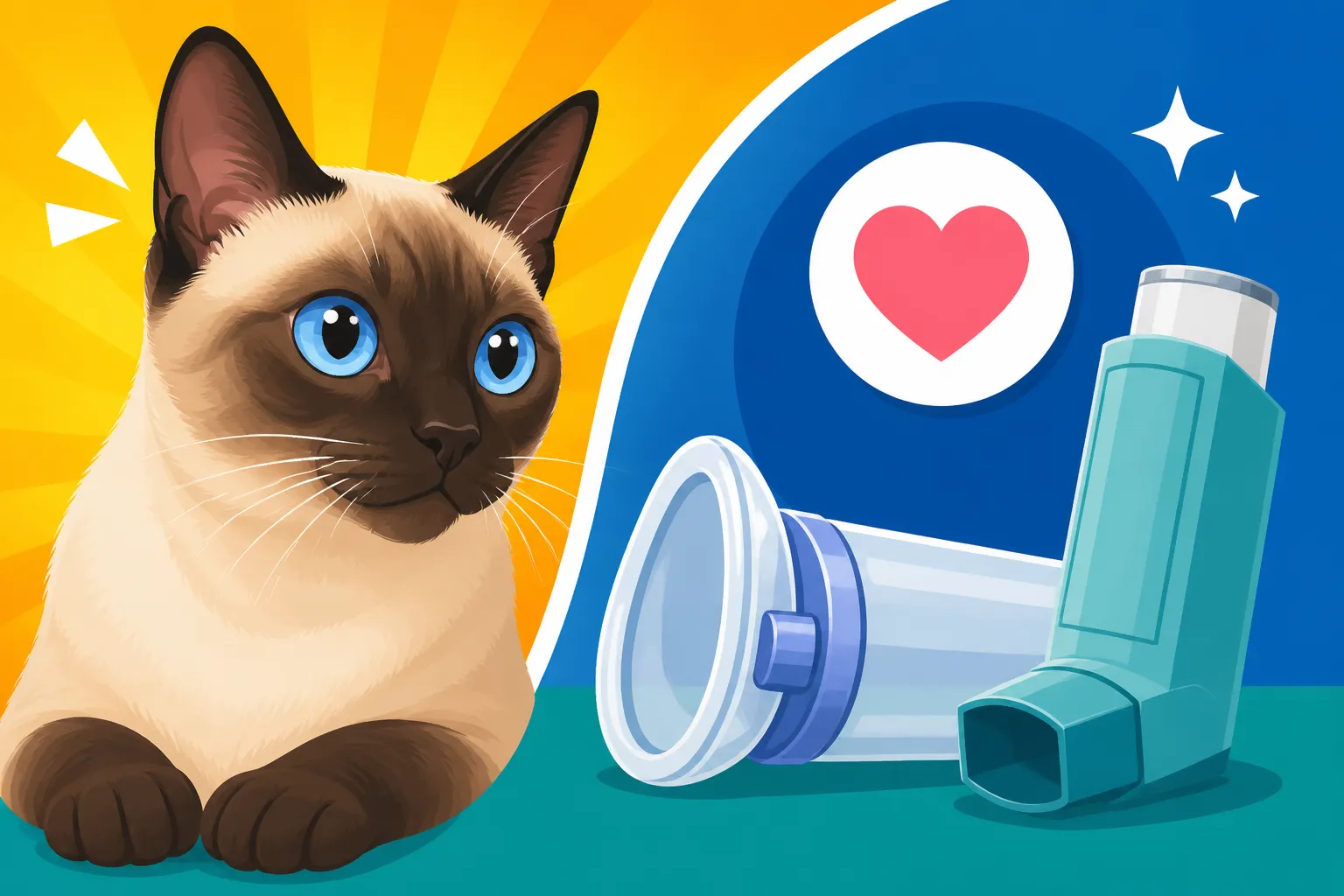
A feline spacer, also known as an aerochamber or breathing chamber, is a specially designed device that attaches to your cat's inhaler. It's typically a clear plastic chamber with a one-way valve and a soft, silicone or rubber mask that fits snugly over your cat's nose and mouth. The purpose of the spacer is twofold: it holds the puff of medication released from the inhaler in a suspended mist, allowing your cat to breathe it in naturally over several breaths, and it filters out larger particles that would otherwise just land in their mouth and throat.
Without a spacer, most of the medication from an inhaler would end up on your cat's tongue, not in their lungs, making it largely ineffective. The spacer ensures that the tiny particles of medication reach deep into the airways where they are needed to alleviate inflammation and open constricted passages. It's a critical component of successful feline asthma treatment, enabling your cat to receive the full therapeutic benefit of the medication.
Why a Spacer is Non-Negotiable
Trying to use an inhaler directly on a cat is like trying to hit a moving target with a squirt gun – most of the medicine will miss or simply coat their mouth. Cats can't coordinate their breathing with the release of the medication. The spacer solves this problem by creating a temporary reservoir for the medicine. When you press the inhaler, the medication fills the chamber, and then your cat can take multiple breaths through the mask, slowly inhaling the fine mist.
This method not only maximizes the amount of medication reaching the lungs but also minimizes side effects by reducing the amount swallowed. Swallowed steroids can still cause systemic issues, even if less than oral steroids. So, while the spacer is an additional upfront cost, it's an investment that ensures your cat's treatment is effective and contributes to their overall well-being and long-term health. Think of it as the delivery mechanism that makes the actual medicine work.
Different Spacer Brands and Their Price Points
Several companies manufacture spacers designed for cats. The most well-known and veterinarian-recommended brands include AeroKat and Feline Aerodawg. These brands specifically engineer their spacers with masks that fit a cat's muzzle comfortably and effectively, ensuring a good seal for optimal medication delivery. They often come with different mask sizes to accommodate various cat breeds and sizes.
The cost of a feline spacer can vary depending on the brand, where you purchase it, and if it comes with multiple mask sizes. They represent an initial investment that can range quite a bit. You might find them directly through your veterinarian, at specialized pet pharmacies, or through online retailers like Chewy. It's a one-time purchase that, with proper care, should last for many years. Sometimes, generic human pediatric spacers with modifications can be used, but always consult your vet to ensure it's appropriate and effective for your Siamese cat. It's an essential piece of equipment for How a Siamese Cat Uses an Inhaler.
Breaking Down the Costs: Inhalers and Spacers
Understanding the individual costs is one thing, but seeing it all put together, especially the initial outlay and then the ongoing expenses, paints a clearer picture for budgeting.
Initial Investment: First Inhaler and Spacer
When your Siamese cat is first diagnosed with asthma, you're looking at a few immediate expenses. First, there's the cost of the initial veterinary visit and diagnostics, which we touched upon earlier. Once the diagnosis is confirmed and your vet prescribes an inhaler, you'll need to purchase both the medication canister and the dedicated feline spacer.
The spacer itself can be a significant upfront cost, as these are specialized medical devices. Then, you'll have the cost of the first inhaler medication. Your vet might prescribe both a daily preventative steroid inhaler and an emergency bronchodilator inhaler. In some cases, owners might only be given one type initially. This combined initial outlay for both the medication and the device can be a surprise to many, but it's a necessary foundation for effective treatment. Always ask your vet for a detailed breakdown of these initial costs so you know what to expect.
Monthly/Quarterly Refill Costs for Inhalers
After the initial setup, the primary ongoing expense will be refilling the inhaler medication. The frequency of refills depends on the type of medication, the prescribed dosage, and how many puffs are in each canister. Corticosteroid inhalers, used daily, will need to be replaced more frequently, perhaps every one to three months. Bronchodilator inhalers, used only during emergencies, might last much longer, potentially a year or more, but it’s crucial to replace them before they expire, even if not fully used.
These ongoing costs can add up over time, and it's important to budget for them consistently. Prices for refills can fluctuate based on pharmaceutical pricing and where you purchase them. Shopping around, perhaps comparing your vet's pharmacy prices with those of a reputable online pet pharmacy like Chewy, can sometimes help you find the most economical option without sacrificing quality or safety.
Hidden or Ancillary Costs You Might Forget
Beyond the obvious inhaler and spacer, there are other costs associated with managing a Siamese cat with asthma that owners sometimes overlook. Regular follow-up veterinary appointments are crucial to monitor your cat's condition, adjust medication dosages if necessary, and ensure the treatment plan remains effective. These check-ups will incur consultation fees.
Additionally, while not directly related to the inhaler itself, you might consider investing in an air purifier to reduce environmental triggers in your home, which can help minimize asthma attacks. Special low-dust litter can also be beneficial, and while these aren't "hidden" costs of the inhaler, they are part of a holistic approach to managing feline asthma that can add to your overall expenses. You may also need to budget for emergency vet visits if your cat experiences a severe asthma attack requiring immediate intervention.
Navigating Ongoing Expenses for Your Asthmatic Siamese
Living with an asthmatic Siamese cat means committing to a long-term care plan. Understanding and preparing for the ongoing financial aspects is just as important as the initial setup.
Routine Vet Visits and Check-ups
Managing feline asthma isn't a "set it and forget it" situation. Your Siamese cat will require routine follow-up visits with the veterinarian. These appointments are essential for several reasons:
- Monitoring effectiveness: Your vet will assess how well the inhaler and spacer regimen is working, noting any changes in symptoms or breathing patterns.
- Adjusting dosage: Sometimes, the initial dosage needs fine-tuning to find the optimal balance between symptom control and minimizing side effects.
- Checking for complications: Long-term steroid use, even inhaled, can sometimes lead to subtle changes that your vet will want to monitor.
- Overall health assessment: These visits are also a chance to check your cat's general health, ensuring no new issues are developing.
These check-up costs are a recurring expense, typically once or twice a year, or more frequently if the asthma is unstable. They are vital for keeping your Siamese comfortable and healthy in the long run.
Emergency Asthma Attacks and Their Financial Impact
Despite the best preventative care, an asthmatic Siamese cat can still experience severe attacks. These are terrifying moments for both cat and owner, often requiring an immediate trip to an emergency veterinary clinic. An emergency visit can include oxygen therapy, injectable bronchodilators, and sometimes overnight hospitalization for stabilization.
The cost of emergency care for a severe asthma attack can be substantial, often running into the hundreds or even thousands of dollars, depending on the severity of the attack and the required interventions. This is an unpredictable expense that highlights the importance of having an emergency fund or robust pet insurance coverage. Being prepared for these worst-case scenarios is a crucial part of responsible ownership for a cat with a chronic condition like asthma.
Considering Pet Insurance for Asthma Management
Pet insurance can be a lifesaver for owners of asthmatic Siamese cats. While most policies won't cover pre-existing conditions (meaning if your cat is diagnosed before you get insurance, the asthma treatment likely won't be covered), if you enroll your cat before a diagnosis, future asthma treatments, including inhaler medications, spacers, vet visits, and emergency care, could be covered. It's absolutely worth researching if your cat is young and hasn't been diagnosed yet. Whether Insurance Covers a Siamese Cat's Asthma is a common question, and it largely depends on when you enroll.
Providers like Healthy Paws offer various plans that can help mitigate the financial burden of chronic conditions. You'll typically pay a monthly premium, and in return, the insurance company will reimburse a percentage of your eligible veterinary expenses after you've met your deductible. While it's an added monthly cost, pet insurance can provide immense peace of mind, especially when facing ongoing medication costs and the potential for emergency situations. It allows you to make medical decisions based on what's best for your cat, rather than solely on what you can afford at that moment.
Strategies for Managing the Financial Burden
It’s completely understandable to feel overwhelmed by the costs associated with a chronic condition. However, there are proactive steps you can take to manage the financial burden of your Siamese cat's asthma.
Comparing Pharmacies and Online Retailers
When it comes to purchasing inhaler medications and even spacers, don't assume your vet's office is the only or cheapest option. While your vet provides invaluable expertise and convenience, it's always wise to compare prices.
- Local Human Pharmacies: Some human pharmacies can fill veterinary prescriptions, and their prices for certain medications might be different. Always ask if they have a veterinary discount or if they price match.
- Online Pet Pharmacies: Reputable online pet pharmacies, like Chewy, often offer competitive pricing, prescription refill services, and convenient home delivery. You'll need your vet to approve the prescription, but it can be a convenient and cost-effective option for regular refills.
- Manufacturer Coupons or Programs: Occasionally, pharmaceutical manufacturers offer coupons or patient assistance programs. Ask your vet if they are aware of any such programs for your cat's specific medication.
Remember, always prioritize legitimate sources to ensure the safety and efficacy of the medication. Don't compromise your cat's health to save a few dollars from unverified sellers.
Exploring Financial Aid and Assistance Programs
If the costs of your Siamese cat's asthma treatment are genuinely straining your budget, please know you're not alone, and there are resources available. Several organizations are dedicated to helping pet owners afford veterinary care.
- Local Shelters and Humane Societies: Many local animal welfare organizations have programs or can direct you to resources that offer financial assistance for veterinary care.
- National Organizations: Groups like The Pet Fund, RedRover, and Frankie's Friends provide grants or assistance to pet owners facing significant veterinary bills.
- Veterinary School Teaching Hospitals: If you live near a veterinary teaching hospital, they sometimes offer reduced-cost care as part of their training programs, especially for chronic conditions that can be good learning cases.
- Payment Plans: Discuss payment options directly with your veterinarian. Some clinics offer in-house payment plans or work with third-party medical credit providers.
Don't hesitate to ask your vet's office for guidance on these resources. They often have lists of organizations that can help.
Budgeting for Your Asthmatic Siamese Cat
The best way to manage the costs of your Siamese cat's asthma is to integrate them into your regular pet care budget.
- Create a dedicated fund: Set aside a small amount each month specifically for your cat's medical expenses. Even small contributions can add up over time to cover refills or unexpected vet visits.
- Track expenses: Keep a detailed record of all veterinary visits, medication purchases, and related expenses. This helps you see where your money is going and anticipate future costs.
- Plan for renewals: Note when inhaler canisters are due to expire or need refilling and budget for those purchases in advance. This prevents scrambling when a refill is suddenly needed. You might find a general guide on Budgeting for a Siamese Cat's Asthma Inhaler helpful.
A proactive approach to budgeting, combined with exploring all available options for purchasing and financial assistance, can significantly alleviate the stress of managing your asthmatic Siamese cat's care. Your commitment to their health ensures they can live a full and comfortable life, despite their condition. Understanding the full picture of What a Siamese Cat Costs Over Twenty Years can help put these expenses into perspective.
Cost Comparison Table: Feline Asthma Essentials
To give you a clearer picture, here's a general idea of the costs involved for your Siamese cat's asthma essentials. Please remember that these are descriptive ranges, and actual prices will vary significantly based on brand, location, specific medication, and supplier.
| Item | Type of Cost | Description | Typical Cost Range (Qualitative) | Purchase Frequency |
|---|---|---|---|---|
| Feline Spacer (e.g., AeroKat) | Initial Outlay | Specialized device for delivering inhaled medication to cats | Moderate to High | One-time (long-lasting) |
| Corticosteroid Inhaler (e.g., Fluticasone) | Ongoing Medication | Daily preventative anti-inflammatory medication | Moderate (per canister) | Monthly to Quarterly |
| Bronchodilator Inhaler (e.g., Albuterol) | Emergency Medication | Fast-acting relief for acute asthma attacks | Moderate (per canister) | Infrequent (as needed) |
| Vet Consults (Asthma Check-ups) | Ongoing Care | Routine visits to monitor condition and adjust treatment | Low to Moderate (per visit) | Annually/Bi-annually |
| Emergency Vet Visit | Unforeseen Event | Urgent care for severe asthma attacks | High | Rare to Occasional |
| Air Purifier | Optional Tool | Helps reduce airborne allergens in the home | Moderate (initial) | One-time |
| Low-Dust Litter | Ongoing Care | Reduces irritants in the litter box environment | Low (per bag, slightly more) | Regular |
| Pet Insurance Premium | Optional/Preventative | Monthly payment for potential reimbursement of vet bills | Low to Moderate (per month) | Monthly |
This table provides a snapshot, but remember to always consult your veterinarian for specific recommendations and current pricing relevant to your situation. Taking care of an older Siamese cat, for example, might also involve managing other age-related conditions, so a holistic approach to budgeting is always best. You can find out more about Caring for a Siamese Cat Past Twelve for broader senior care insights.
Disclaimer
This article is for general informational purposes only and does not constitute professional advice. Laws, prices and regulations vary by location and change over time. Consult a qualified professional for guidance on your specific situation.