What a Seal Point Siamese Cat Is
Stepping into the world of Siamese cats can be an enchanting experience, but often, the sheer variety of point colors can leave new enthusiasts feeling a little bewildered. You might hear terms like "Seal Point," "Blue Point," or "Lilac Point" and wonder what makes each one distinct and why some are considered the "classic" Siamese. This guide is here to demystify one of the most beloved and recognized variations: the Seal Point Siamese cat, delving into its unique appearance, fascinating genetics, and what it truly means to welcome one into your home.
Understanding the Classic Seal Point Siamese Cat
When most people picture a Siamese cat, they're probably envisioning the majestic Seal Point. There's a reason this particular coloration has become so iconic; it embodies the striking contrast and elegance that define the breed.
The Iconic Appearance of a Seal Point
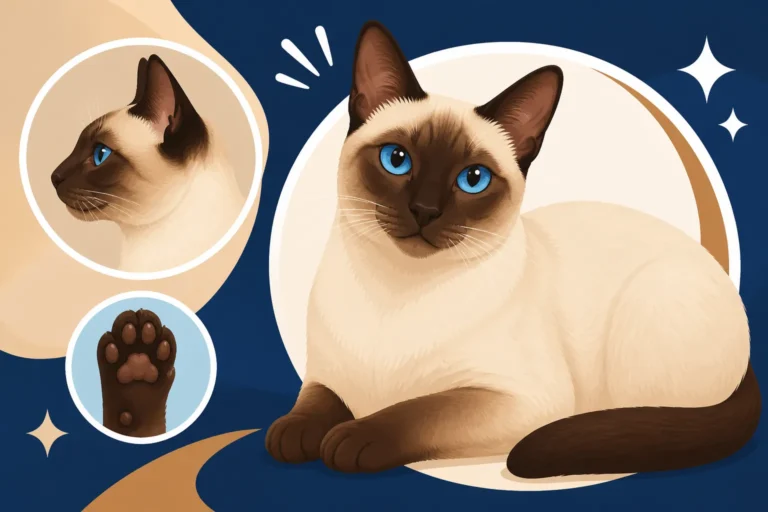
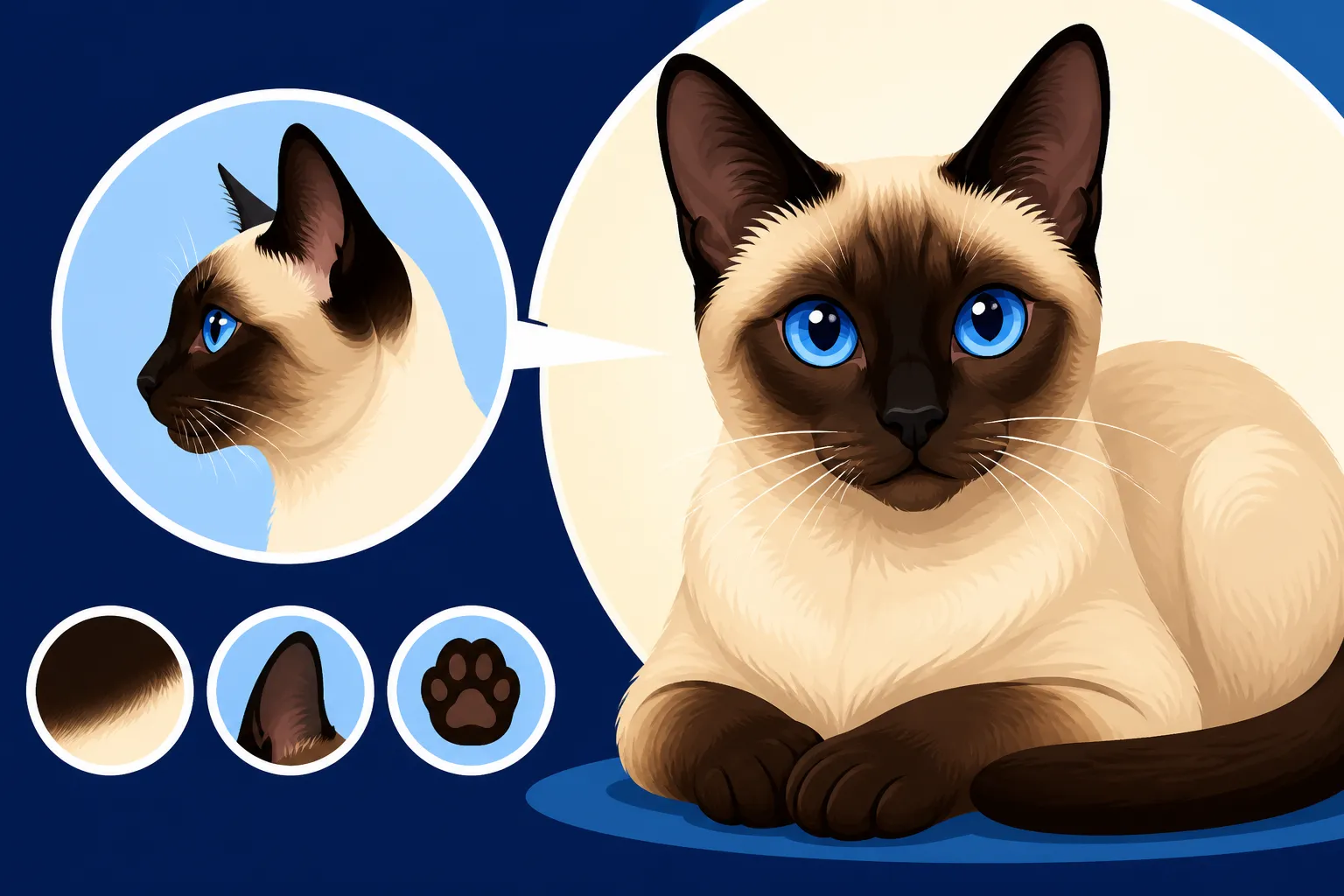
A Seal Point Siamese is truly a work of art, with a high-contrast palette that immediately catches the eye. The defining characteristic, of course, is the points themselves. These are the cooler extremities of the cat's body—the ears, face mask, paws, and tail—which display a rich, deep seal brown color, often appearing almost black. This isn't just a surface color; it's a deep, intense hue that gives the cat its distinguished look. The contrast between these dark points and the much lighter body color is what truly sets the Seal Point apart.
The body of a Seal Point Siamese is typically a creamy, fawn, or pale beige shade. It’s never stark white, but rather a warm, subtle tone that highlights the dramatic dark points. You might notice a very slight shading of the body color, often darkening slightly along the back or sides, but the core remains distinctly lighter than the points. The coat itself is short, fine, and lies incredibly close to the body, giving that sleek, almost minimalist silhouette that Siamese are famous for. And let's not forget those piercing blue eyes! All purebred Siamese cats, regardless of their point color, have vivid, almond-shaped blue eyes, and on a Seal Point, they stand out like sapphires against the darker mask. It's this combination of rich, dark points, warm cream body, and brilliant blue eyes that makes the Seal Point the quintessential Siamese.
How the Seal Point Compares to Other Point Colors
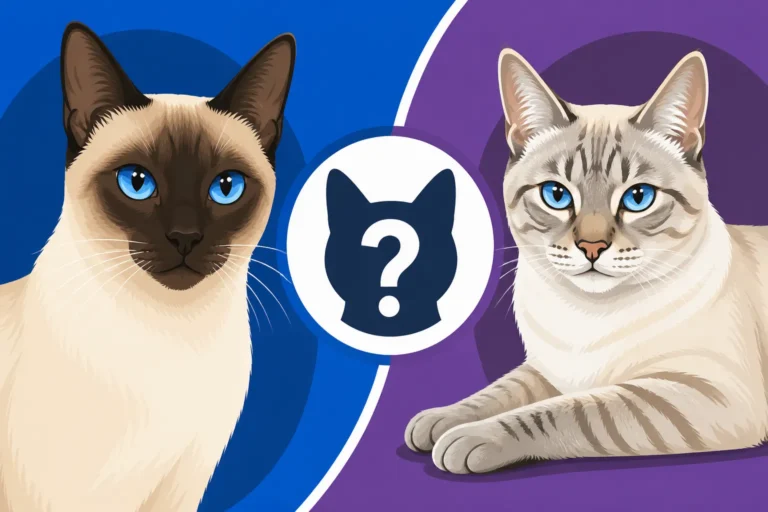
While the Seal Point is the traditional and most recognized, it's certainly not the only point color in the Siamese spectrum. Understanding how it differs from its counterparts helps appreciate its unique beauty even more. The main difference lies in the specific shade of the points and, consequently, the subtle variations in body color.
Let's take a look at the most common point colors and how they stack up against our Seal Point:
| Point Color | Point Color Description | Body Color Description | Intensity of Contrast |
|---|---|---|---|
| Seal Point | Deep, rich seal brown (almost black) | Cream to fawn, warm undertones | High |
| Blue Point | Deep slate gray, cooler tones | Bluish-white to cool gray, no fawn | Medium-High |
| Chocolate Point | Warm, milk chocolate brown | Ivory to cream, warm undertones | Medium |
| Lilac Point | Pinkish-gray, frosty appearance | Glacial white to pale lilac, cool tones | Low-Medium |
As you can see from the table, the Seal Point offers the most intense contrast, with its very dark points against a warm, pale body. Blue Points have a similar dramatic effect, but their points are a cool gray, making their body a cool white or bluish-white, lacking the fawn undertones of a Seal. Chocolate Points, on the other hand, have points that are a lovely, warm brown, like a rich cocoa, and their body color is an ivory or creamy white. While still striking, the contrast is softer than with a Seal Point. Then there are Lilac Points, which are perhaps the most delicate in their coloring. Their points are a beautiful, frosty pinkish-gray, and their bodies are a glacial white or a very pale lilac. This creates a much softer, more ethereal look compared to the bold statement of a Seal Point. Each has its own charm, but the Seal Point remains the benchmark for classic Siamese beauty due to its vivid, unmistakable delineation.
The Genetics Behind the Seal Point Coloration
The captivating coloration of a Seal Point Siamese isn't just random; it's a fascinating example of genetics at play, particularly a unique temperature-sensitive gene. This gene is what gives all Siamese cats their distinctive "pointed" pattern.
The Temperature-Sensitive Gene at Play
At the heart of the Siamese cat's coloring, including the Seal Point, is a remarkable genetic trait: a temperature-sensitive albinism gene. This gene produces an enzyme called tyrosinase, which is crucial for melanin (pigment) production. However, in Siamese cats, this enzyme only works efficiently at cooler temperatures. This means that pigment is produced mainly in the cooler parts of the cat's body – the extremities.
Think of it like this: the warmer core of the cat's body, where organs are, keeps the enzyme inactive or very slow. This results in the lighter, creamy body color you see on a Seal Point. But as you move to the cooler extremities – the ears, nose, paws, and tail – the temperature drops enough for the enzyme to spring into action, churning out melanin and depositing that deep, rich seal brown pigment. This is also Why a Siamese Cat Kitten Is Born White. Kittens are warm and snug in their mother's womb, so the tyrosinase enzyme is inactive, leading to a pure white coat. Only after birth, when exposed to cooler room temperatures, do their points gradually start to develop. You'll literally see the color "blossom" on their ears, nose, and tail in the first few weeks, creating the beautiful Seal Point pattern. This process is a constant dance with temperature throughout their lives, dictating the intensity and spread of their point coloration. You can learn more about this incredible process in How Temperature Controls a Siamese Cat's Color.
Why Seal is the "Dominant" Siamese Color
While the temperature-sensitive gene applies to all pointed cats, the specific shade of the points (seal, blue, chocolate, lilac) is determined by other genes. Seal Point is often referred to as the "original" or "dominant" Siamese color because it represents the full expression of black pigment at the points, un-modified by other dilution genes.
Genetically, a Seal Point Siamese produces dense black pigment (eumelanin) wherever the temperature allows it to. Other point colors are essentially variations of this basic seal by the action of additional genes. For instance, a Blue Point Siamese has a gene that "dilutes" black pigment, turning it into a slate grey. A Chocolate Point has a gene that modifies black pigment into a rich brown. And a Lilac Point carries both the dilution gene and the gene that modifies black to brown, resulting in a very dilute, pinkish-grey point color. So, in a sense, the Seal Point is the "default" or most intensely pigmented version of the pointed pattern, making it genetically the most straightforward and, historically, the first recognized variant. It's the robust, undiluted expression of the Siamese gene, which is why it often feels like the quintessential example of the breed.
What to Expect When Living with a Seal Point Siamese
Bringing a Seal Point Siamese into your life means more than just appreciating their stunning looks. It means understanding their unique traits, which extend beyond their genetics to their personality and how their appearance can change over time.
Color Changes Over a Lifetime
One of the most fascinating aspects of owning a Seal Point Siamese is watching their coat evolve. Because their point color is temperature-dependent, it's not static; it can change throughout their lives. As your Siamese ages, you'll often notice their body fur, which started as a light cream, can gradually darken, sometimes becoming a deeper fawn or even a light brown, especially along their back. This darkening is a natural process influenced by cumulative exposure to cooler temperatures and general metabolic changes. Why a Siamese Cat Darkens Every Winter is a great resource if you're curious about how seasonal changes play a role.
Even simple environmental factors can influence their shade. A Siamese cat living in a perpetually cool house might develop darker body shading over time compared to one living in a warmer climate. Diet can also subtly affect coat health and vibrancy. Beyond natural aging, you might observe a phenomenon that truly highlights the temperature gene at work: if your Seal Point ever needs surgery or a blood draw, and a patch of fur is shaved, that fur will often grow back darker than the surrounding body coat. This is because the shaved skin area becomes cooler, activating the pigment-producing enzyme more effectively. Don't worry, The Shaved Patch That Grows Back Dark on a Siamese Cat explains that this darker patch usually fades back to match the surrounding fur over time as the skin warms up again. These subtle shifts in color are just another charming characteristic that makes each Seal Point truly unique.
Health and Temperament Considerations Unique to Seal Points
It's a common misconception that certain point colors in Siamese cats might be associated with specific health issues or personality traits. However, when it comes to Seal Points, there’s no scientific evidence to suggest that their particular coloration confers any distinct health advantages or predispositions to illness compared to other point colors. All Siamese cats, regardless of whether they are Seal, Blue, Chocolate, or Lilac Point, share the same general breed health profile and temperament characteristics. This is because the gene for point coloration is separate from those controlling health predispositions or personality.
What you can expect from a Seal Point Siamese, just like any other Siamese, is a vibrant, highly intelligent, and incredibly vocal companion. They are renowned for their "Meezer Yowl" and love to have full-blown conversations with their humans. What a Siamese Cat's Temperament Is Really Like will give you a full rundown on their personality. They thrive on interaction, demanding attention and often forming strong bonds with one or two individuals. They're playful and curious well into their senior years, and can even be trained to do tricks or walk on a leash. While they are generally a healthy breed with a lifespan that can reach The Fifteen to Twenty Years a Siamese Cat Gets, they do have some breed-specific health concerns, such as amyloidosis or certain dental issues, which are important to be aware of for all Siamese owners, irrespective of their color. It's crucial to understand that a responsible breeder will focus on the overall health and genetic background of the breeding lines, not just the point color.
Finding Your Own Seal Point Siamese
If the allure of a Seal Point Siamese has captured your heart, the next step is finding the right feline companion. Whether you choose a breeder or a rescue, there are important considerations to ensure you bring home a healthy, happy cat.
Reputable Breeders and What to Look For
Choosing a reputable breeder is paramount when seeking a Seal Point Siamese. A good breeder prioritizes the health, temperament, and ethical treatment of their cats above all else, not just desirable coloration. You should look for a breeder who is registered with a recognized cat fancy association like CFA (Cat Fanciers' Association) or TICA (The International Cat Association). This usually indicates adherence to breed standards and ethical practices. When you visit, or even before, inquire about the health screenings they perform on their breeding cats. While there isn't a test for every potential issue, Which Tests the Siamese Cat Health Panel Covers can give you a good idea of what to ask about. They should be transparent about the health history of the kittens' parents and their lineage.
A reputable breeder will typically keep kittens until they are at least 12-16 weeks old, ensuring they are well-socialized, weaned, and have received their initial vaccinations. They should provide a written health guarantee, a contract, and registration papers. Be wary of any breeder who offers kittens "cheaply" or allows them to go home too young, as these can be red flags. They should also ask you plenty of questions to ensure you're a good fit for one of their precious kittens – a sign they truly care where their cats end up. Expect to sign a contract that might include a spay/neuter clause for pet-quality kittens. Remember, a little upfront research can save you a lot of heartache (and expense!) down the line.
Rescues and Adoption
While many people dream of a kitten, adopting an adult Seal Point Siamese from a rescue organization is a wonderfully rewarding option that's often overlooked. There are numerous dedicated Siamese rescue groups across the country, as well as general animal shelters that frequently have purebred Siamese cats. These cats often end up in rescue through no fault of their own – perhaps an owner passed away, moved, or simply underestimated the unique needs and vocal nature of the breed.
The benefits of adopting an adult are numerous. Firstly, their personality is already fully developed, so you know exactly what you're getting. Many adult rescue Siamese are already house-trained and past the destructive kitten phase. Secondly, rescue organizations often have detailed histories of the cats, including any known health issues or behavioral quirks. They also typically provide initial veterinary care, including spaying/neutering, vaccinations, and microchipping, which can save you significant upfront costs. Finally, you're providing a loving "forever home" to a cat desperately in need, and that's a truly special feeling. A Seal Point Siamese from a rescue will bring all the intelligence, affection, and vocal charm of the breed, often with an added layer of gratitude. If you're considering this path, Where to Find a Siamese Cat Rescue is an excellent starting point for your search. These beautiful cats are just waiting to find their perfect human.
Disclaimer
This article is for general informational purposes only and does not constitute professional advice. Laws, prices and regulations vary by location and change over time. Consult a qualified professional for guidance on your specific situation.