Whether a Siamese Cat Breeder Tracks Family Deaths
It's a common, heartbreaking scenario: you bring home a beautiful Siamese kitten, full of life and mischief, only to face a devastating health crisis a few years down the line that could have been avoided. Many prospective cat parents, myself included, don't always consider the deeper implications of a breeder's practices when it comes to the long-term health and genetic predispositions of their future feline family member. This guide aims to shed light on a crucial, yet often overlooked, aspect of responsible breeding: whether a Siamese cat breeder diligently tracks the causes of death within their breeding lines.
Why Tracking Family Deaths Matters for Siamese Cats
When you're looking for a Siamese cat, you're not just buying a pet; you're investing in a living, breathing family member whose health is tied to its genetic lineage. Understanding the health history of a cat's ancestors, including causes of death, is paramount for ensuring you're getting a kitten with the best possible start in life. It's not about being morbid, but about being informed and proactive.
Understanding Inherited Health Concerns
Siamese cats, like many purebred animals, can be predisposed to certain inherited conditions. These aren't always immediately apparent in a kitten; some manifest later in life, often with devastating consequences. For example, Amyloidosis Is the Disease That Kills Young Siamese Cats is a particularly cruel condition where abnormal protein deposits build up in organs, most notably the liver and kidneys. This can lead to organ failure, and tragically, a ruptured liver is often the first sign, which can happen suddenly and without warning.
Another concern is Progressive Retinal Atrophy (PRA), which can lead to blindness. While some types of PRA have DNA tests available for other breeds, it's not always straightforward for Siamese cats. Knowing if this has appeared in a cat's family tree gives a prospective owner a critical heads-up. If a breeder isn't tracking these kinds of issues through their lines, they might unknowingly be perpetuating them, leaving future owners unprepared for potential veterinary challenges and costs. How Common PRA Is in Siamese Cats further emphasizes the importance of understanding this genetic risk.
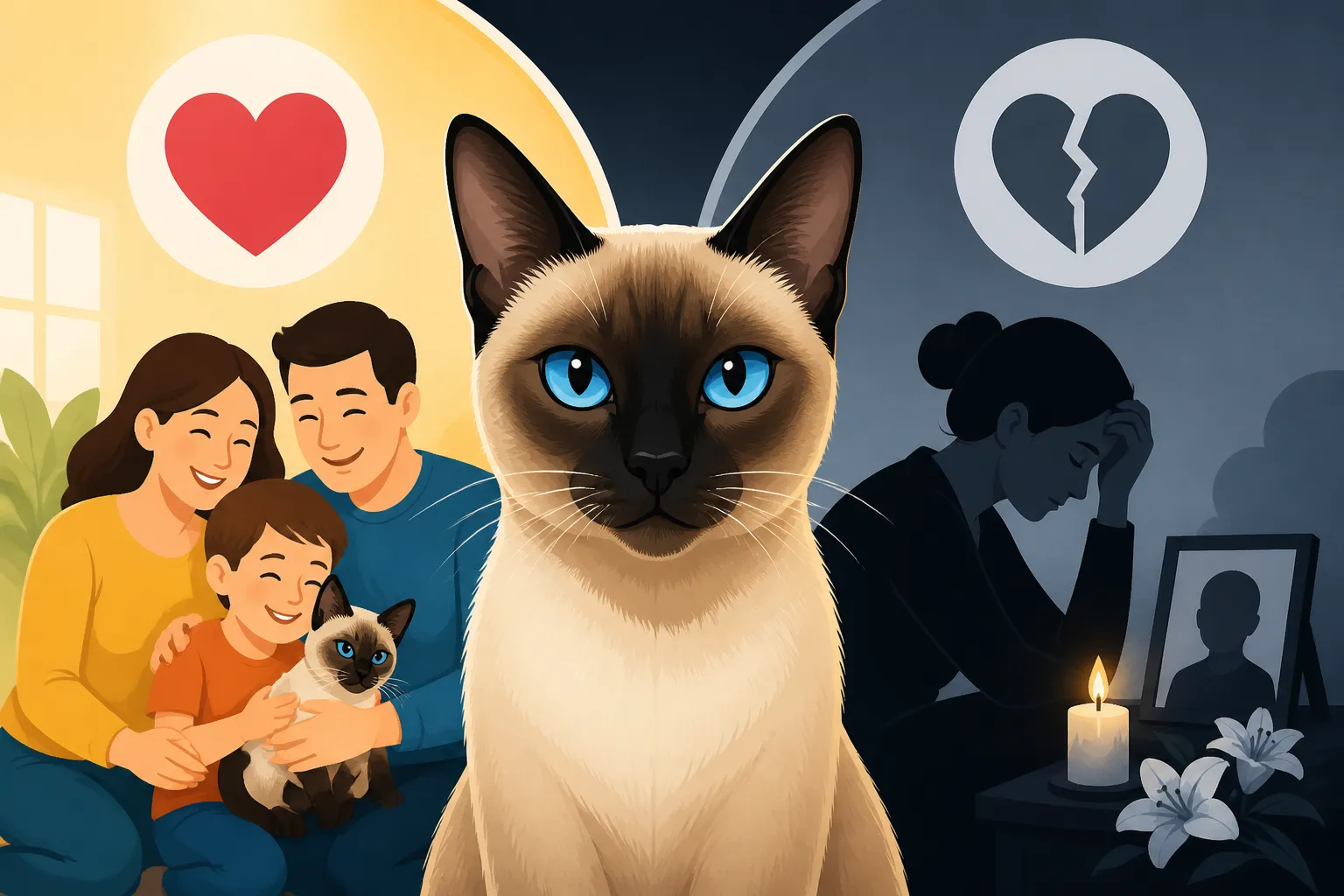
Imagine you've fallen in love with a stunning Siamese kitten. You take them home, and they are everything you dreamed of. Then, at four years old, they start showing signs of liver issues, which quickly escalate. You find yourself spending thousands at the vet, only to discover it's amyloidosis, a condition that runs rampant in certain Siamese lines. Had the breeder been transparent about the death of a grandparent from the same condition, you might have been better prepared, or even chosen a different line. This isn't just about financial cost; it's about the emotional toll of watching your beloved pet suffer.
The Ethical Breeder's Responsibility
An ethical breeder views their cats as more than just a source of income; they see themselves as guardians of the breed, responsible for improving its health and temperament. This responsibility extends far beyond simply producing cute kittens. It involves meticulously screening potential breeding cats for known genetic conditions and, crucially, tracking the long-term health and causes of death of every kitten they produce.
This practice of tracking deaths isn't just about avoiding a "bad apple" in a litter; it's about understanding the entire genetic landscape of their breeding program. If a breeder consistently sees certain conditions or early deaths appear in their lines, they should ideally make difficult decisions about which cats to continue breeding. This might mean removing a cat from their breeding program, even if it's a champion, to prevent passing on debilitating genes. What a Siamese Cat Breeder Should Have Screened provides a deeper dive into the health tests good breeders prioritize.
A truly responsible breeder will be open and honest about potential health risks in their lines, discussing what they do to mitigate them. They'll also follow up with buyers over the years, inquiring about the health and lifespan of the cats they've placed. This isn't just polite conversation; it's vital data collection that informs their breeding choices for years to come. Such dedication ensures that the breed remains How Healthy the Siamese Cat Actually Is for generations. Without this diligence, owners might face unexpected issues, making the experience of owning a Siamese much more challenging than it needs to be.
The Realities and Challenges of Breeder Tracking
While tracking family deaths is undeniably crucial for responsible breeding, the reality on the ground can be quite complex. Breeders face numerous hurdles in gathering this vital information, and the diligence with which they pursue it can vary wildly. It’s not always as simple as asking a question and getting a straightforward answer.
The Difficulty of Gathering Information
One of the biggest challenges for breeders is simply getting reliable information from kitten buyers. Life happens, and after the initial excitement of bringing a new kitten home, owners might move, change contact details, or simply forget to update the breeder on their cat's health status years down the line. If a cat passes away, the emotional grief can make it difficult for an owner to reach out and provide details, especially if the cause of death was distressing or unexpected.
Furthermore, veterinary clinics, quite rightly, operate under strict privacy rules. They cannot share a pet's medical history or cause of death with a breeder without the owner's express permission. This means a breeder is entirely reliant on the goodwill and proactive communication of their kitten buyers. Imagine a scenario where a breeder places ten kittens, and only three owners consistently update them over the cat's lifetime. That leaves significant gaps in the overall health picture of their lines. This reliance on owner feedback can make comprehensive tracking incredibly difficult, even for the most dedicated breeders.
The financial aspect also plays a role. If a cat becomes ill, medical costs can be substantial. An owner might have pet insurance from providers like Healthy Paws, which helps with emergency vet bills, but even with coverage, the stress and cost of extensive diagnostics to determine a precise cause of death might lead some owners to opt for simpler, less expensive palliative care or euthanasia without a definitive diagnosis. This then means the breeder never truly gets a clear picture of what happened, only that the cat passed away prematurely.
Varying Levels of Breeder Diligence
The level of commitment to tracking health and deaths differs significantly between breeders. On one end of the spectrum, you have highly reputable, ethical breeders who are meticulous. They maintain detailed records, follow up with every kitten buyer annually, and often have clauses in their contracts requiring owners to inform them of any major health issues or the cause of death. These breeders see this as an ongoing scientific study, a way to continuously improve their lines and contribute positively to the breed's future. They might even have a dedicated database for their cats' extended pedigrees, including health notes and longevity.
On the other end, you have "backyard breeders" or individuals who breed for profit without much thought to genetic health. These individuals often do not keep comprehensive records, do not follow up with buyers, and may not even understand the importance of tracking inherited conditions. They might not even know what questions to ask when purchasing their own breeding stock. The phrase "ignorance is bliss" sadly applies here, to the detriment of the cats and their future owners. Such breeders might rely on readily available but often incomplete health screening, perhaps only doing Which Tests a Siamese Cat Breeder Actually Runs without considering the longer-term genetic picture.
It's also worth noting that some conditions, like Why Siamese Cat Amyloidosis Is Inherited, are notoriously difficult to screen for directly in living cats, making family history even more critical. A breeder's commitment to tracking deaths demonstrates their understanding of these complex inherited health issues and their dedication to the breed's well-being beyond just the initial sale. This proactive approach sets them apart from those merely looking to sell kittens quickly.
How Prospective Owners Can Assess a Breeder's Practices
Given the challenges in tracking and the varying levels of breeder diligence, it falls partly on the prospective owner to ask the right questions and observe for signs of transparency. You are essentially interviewing the breeder to ensure they are a responsible steward of the Siamese breed.
Questions to Ask a Siamese Cat Breeder
When you're speaking with a Siamese breeder, don't be afraid to ask direct, probing questions about their cats' health history and the longevity of their lines. A good breeder will welcome your thoroughness, as it shows you are a responsible future owner. Here are some key questions to consider:
- "What is the average lifespan of the cats in your breeding lines?" This is a good opener. A healthy Siamese cat can live The Fifteen to Twenty Years a Siamese Cat Gets, so look for breeders whose lines generally hit this mark or exceed it. If they consistently have cats dying at young ages (under 8-10 years), that's a red flag.
- "Have any of your breeding cats' ancestors or offspring passed away prematurely or from known inherited conditions?" This directly addresses the family death tracking. A transparent breeder will acknowledge if issues have arisen and explain what steps they took (e.g., removing a cat from the breeding program, further testing). They might say, "We had a cat whose grandparent passed from kidney failure at 10, so we specifically watch for kidney values in that line."
- "Do you keep records of the causes of death for all the cats you've bred?" Ask to see anonymized examples if possible, or at least how they organize this information. They might not have every single detail for every cat, but they should have a system and be able to speak to the health of specific lines.
- "What inherited diseases are you most concerned about in the Siamese breed, and how do you screen for them?" This shows their awareness of breed-specific issues like What Amyloidosis Does to a Siamese Cat or certain types of cancer Which Cancers a Siamese Cat Gets. It's a chance for them to elaborate on their health screening protocols, which might include specific tests or even specialized diets.
- "Can you provide references from previous kitten buyers who can attest to the health and longevity of their cats?" Speaking to other owners can give you invaluable insight into a breeder's long-term commitment and the actual health outcomes of their cats.
A confident, ethical breeder will answer these questions thoughtfully and with a willingness to share information. They might not have a perfect track record—no breeding program is entirely free of health issues—but their honesty and proactive approach are what truly matter.
What to Look for in a Breeder's Transparency
Beyond the direct questions, there are other indicators of a breeder's transparency and dedication to tracking their lines' health.
First, observe their overall demeanor and willingness to share information. Are they evasive or defensive when you ask about health issues, or do they discuss them openly and without hesitation? A truly transparent breeder understands that informed buyers make better owners and that discussing potential problems is part of responsible practice. They might proactively share stories of cats in their lines that lived to ripe old ages, perhaps even providing photos or anecdotes that reflect a good lifespan.
Look for a breeder who provides a detailed contract that includes health guarantees and specifies what information you, as the buyer, are expected to share back with them regarding your cat's health throughout its life. This mutual agreement is a strong sign of their commitment to long-term tracking. A good contract might even stipulate that if your cat develops a serious genetic condition, they will offer support or a partial refund, showing they stand behind their breeding choices.
Check if they are involved in breed clubs or associations. Reputable clubs often promote best practices, including health screening and data collection. Breeders who are actively engaged with these communities are more likely to stay informed about breed-specific health trends and challenges. You might also find a wealth of information on websites like Chewy regarding healthy diets and preventive care products that breeders often recommend to ensure their kittens thrive long-term.
Finally, consider how well they track the living cats from their litters. A breeder dedicated to their lines will often follow up, perhaps via email or a private social media group, asking for updates and photos. This ongoing relationship allows them to gather information on longevity, temperament, and any health issues that develop later in life. They understand that the health journey of their kittens continues long after they leave for their forever homes.
The table below summarizes some key indicators of a breeder's commitment to health tracking.
| Aspect | Green Flag (Good Breeder) | Red Flag (Less Ethical Breeder) |
|---|---|---|
| Record Keeping | Maintains detailed health records, pedigrees with longevity notes. | Lacks organized records, vague about ancestors' health. |
| Transparency | Openly discusses health issues, even difficult ones; provides references. | Evasive or defensive when asked about health; no references. |
| Follow-up | Stays in touch with buyers, asks for health updates and causes of death. | No follow-up after sale; little interest in cat's long-term health. |
| Contract | Includes health guarantees, clauses for reporting health issues/deaths. | Minimal or no contract; no mention of health reporting obligations. |
| Knowledge of Breed | Aware of common inherited conditions in Siamese, explains screening protocols. | Uninformed about breed-specific health risks or dismisses concerns. |
| Engagement | Involved in breed clubs, attends shows, committed to breed improvement. | Operates in isolation, no engagement with breed community. |
In conclusion, asking a Siamese cat breeder whether they track family deaths is not just a polite inquiry; it's a critical step in responsible pet ownership. It reflects a deep understanding of the genetic predispositions that can affect these wonderful cats. A breeder who diligently tracks this information demonstrates a true commitment to the health and future of the breed, helping ensure that your beloved Siamese has the best possible chance at a long, healthy, and happy life.
Disclaimer
This article is for general informational purposes only and does not constitute professional advice. Laws, prices and regulations vary by location and change over time. Consult a qualified professional for guidance on your specific situation.