Amyloidosis Is the Disease That Kills Young Siamese Cats
It’s absolutely heartbreaking to think about, but one of the most devastating realities for Siamese cat owners is the risk of amyloidosis – a cruel disease that often strikes these beautiful, vocal companions far too young. You bring them home, full of dreams for a long, happy life together, only to face the crushing fear that a silent, inherited condition could cut that time tragically short. This comprehensive guide is dedicated to shedding light on amyloidosis, exploring why it impacts young Siamese cats so severely, what to watch for, and how we can best support our beloved felines through this challenging journey.
Understanding Amyloidosis in Siamese Cats
When we talk about amyloidosis, it's not just a general term for some vague illness; it's a specific, insidious process where abnormal proteins, called amyloid fibrils, accumulate in various tissues and organs. Imagine tiny, insoluble shards building up, slowly choking the life out of vital functions. For Siamese cats, this isn't some rare, isolated incident; it's a recognized genetic predisposition that every potential Siamese owner needs to understand. It’s a harsh truth, but knowledge is power when it comes to protecting our pets.
What Exactly is Amyloidosis?
At its core, amyloidosis is a protein misfolding disorder. Proteins are the workhorses of the body, folding into precise shapes to perform their functions. When they misfold, they can aggregate into these amyloid deposits. These deposits are incredibly stubborn; the body struggles to break them down, so they just keep accumulating. As these deposits grow, they start to interfere with the normal architecture and function of the organ they inhabit. It's like rust slowly seizing up a perfectly engineered machine, layer by layer, until it can no longer operate. This silent accumulation often means that by the time clinical signs become apparent, significant damage has already occurred.
The Specific Type Affecting Siamese Cats
For Siamese cats, the primary form of amyloidosis is Systemic AA Amyloidosis. This specific type is associated with chronic inflammation, where an acute-phase protein called Serum Amyloid A (SAA) is produced in excess. In cats predisposed to amyloidosis, like our Siamese friends, this SAA protein doesn't get cleared properly and instead forms those dangerous amyloid fibrils. While other breeds might experience different forms of amyloidosis, often secondary to other diseases, the Siamese is unique in its inherited susceptibility to this specific SAA-driven systemic form. It's a genetic lottery, and unfortunately, Siamese cats have a ticket that sometimes comes up short.
Which Organs Are Typically Hit
While amyloid deposits can theoretically build up anywhere, for Siamese cats with Systemic AA Amyloidosis, there are a few primary targets that bear the brunt of the damage. The liver is often the most severely affected organ, leading to liver failure or, more acutely and tragically, a ruptured liver. But it doesn't stop there. The kidneys are also frequently involved, leading to chronic kidney disease. Sometimes, though less commonly, other organs such as the spleen, gastrointestinal tract, or even the adrenal glands can be affected. This widespread potential for damage is why we refer to it as "systemic"—it can truly impact the cat's entire system. If you're wondering Which Organs Amyloidosis Hits in a Siamese Cat, it's critical to know that the liver and kidneys are usually top of the list for this breed.
Why Young Siamese Cats Are Vulnerable
The devastating part about amyloidosis in Siamese cats is that it’s not just an old-age ailment. While it can manifest at any point, it often strikes when they are still relatively young, sometimes even before their prime. This reality makes it even more heartbreaking, as owners are often blindsided by a condition they might expect in an elderly pet, not a vibrant young one. The core reason behind this early onset vulnerability lies deep within their genetics, a hidden predisposition passed down through generations.
The Inherited Genetic Predisposition
The scientific community has strongly established that amyloidosis in Siamese cats is an inherited condition. This means it's passed from parent to offspring, making certain bloodlines more susceptible than others. It's not something a cat "catches" from its environment; it's built into their genetic code. The exact gene or genes responsible for this predisposition are still being researched, which, as you can imagine, adds immensely to the frustration for breeders and owners alike. If you’ve ever wondered Why Siamese Cat Amyloidosis Is Inherited, this genetic component is precisely the reason it pops up in families. Without a clear genetic marker, identifying carriers or at-risk individuals remains a significant challenge, making responsible breeding an even more complex, crucial endeavor.
The Typical Age of Onset
Unlike many diseases that tend to afflict senior cats, amyloidosis often makes its presence known in Siamese cats much earlier. While it can theoretically appear at any age, symptoms typically start to emerge when cats are between one and five years old. However, cases have been reported in cats as young as a few months and as old as eleven or twelve years. The range simply underscores the unpredictable nature of the disease, but the prevalence in younger adults is a stark reminder of its particular impact on this breed. It's truly devastating to see a cat in what should be the prime of its life suddenly succumb to such an unforgiving condition. Knowing The Age Amyloidosis Appears in a Siamese Cat can help owners understand the critical window of risk.
Why It's So Devastating in Younger Cats
When amyloidosis affects a young Siamese cat, it's particularly devastating because these animals are in the prime of their health and vitality. Their bodies haven't had decades of wear and tear, and yet this disease attacks organs that should be functioning perfectly. A young cat's body might try to compensate for the failing organs, masking the problem until the damage is too extensive. This can lead to a sudden, acute crisis, such as a liver rupture, that can be incredibly shocking and rapidly fatal. For owners, it means less time to notice subtle signs, fewer treatment options because of the swift progression, and the profound grief of losing a companion long before their expected lifespan, which for a Siamese can be The Fifteen to Twenty Years a Siamese Cat Gets.
The Silent Killer: How Amyloidosis Progresses
Amyloidosis is often called a silent killer, and for good reason. The disease doesn't usually announce itself with clear, unmistakable symptoms in its early stages. Instead, it works subtly, insidiously, building up its destructive deposits little by little. This gradual progression makes it incredibly difficult for owners to spot, and by the time noticeable signs emerge, the damage is often already quite severe, leading to acute crises or chronic organ failure.
Amyloid Protein Buildup and Its Effect
The core of amyloidosis is the relentless buildup of these misfolded proteins within the tissues. Initially, these small deposits might not cause any noticeable problems. The organ can still function, albeit with a reduced capacity. However, as the amyloid fibrils continue to accumulate, they physically displace normal cells, disrupt blood flow, and impair the organ's ability to perform its vital functions. This process isn't quick; it can take months or even years. But the damage is cumulative. Imagine a tiny crack in a foundation that slowly widens until the entire structure is compromised. This relentless deposition is What Amyloidosis Does to a Siamese Cat at a cellular level, turning healthy tissue into dysfunctional, hardened masses.
Liver Involvement and Rupture Risk
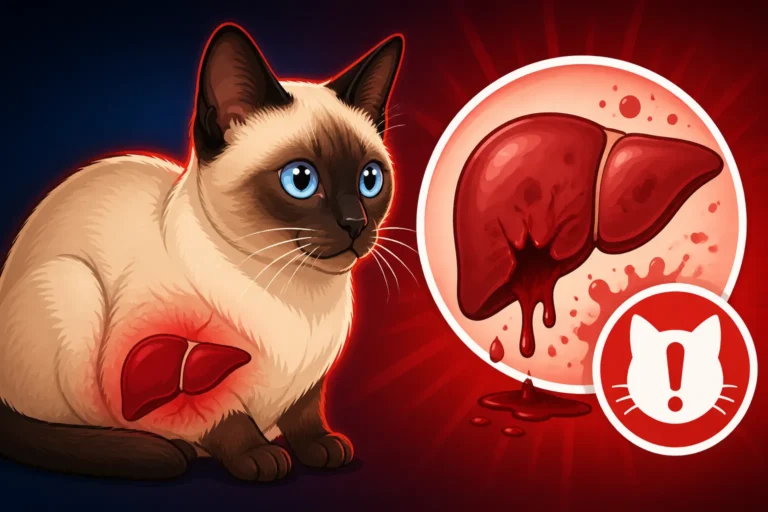
For many Siamese cats, the liver is the primary organ affected, and this can lead to one of the most frightening and sudden outcomes: a ruptured liver. The amyloid deposits make the liver fragile and brittle. They weaken the walls of the blood vessels within the liver, making them prone to tearing. Even a slight bump, a vigorous jump, or sometimes, no apparent trigger at all, can cause a fragile liver to rupture, leading to massive internal bleeding. This is Why Amyloid Builds Up in a Siamese Cat's Liver and How Amyloid Weakens a Siamese Cat's Liver Wall are critical questions for understanding the immediate, life-threatening danger this condition poses. The suddenness of a liver rupture leaves little time for intervention, making it an incredibly tragic scenario.
Kidney Damage and Renal Failure
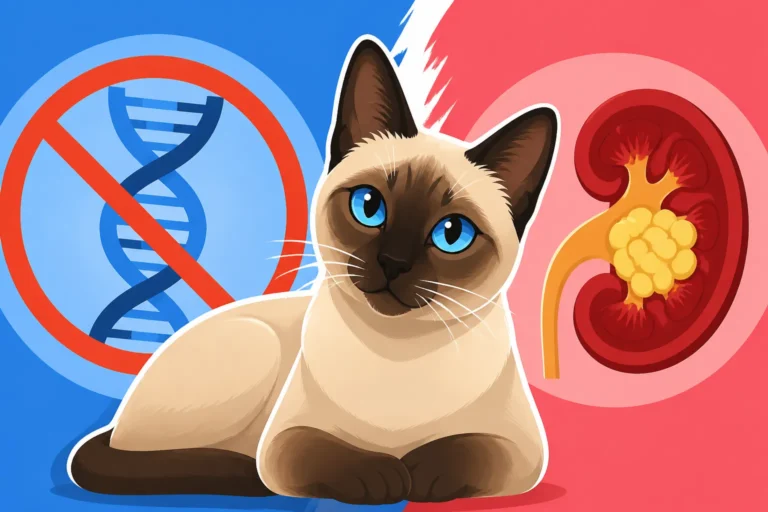
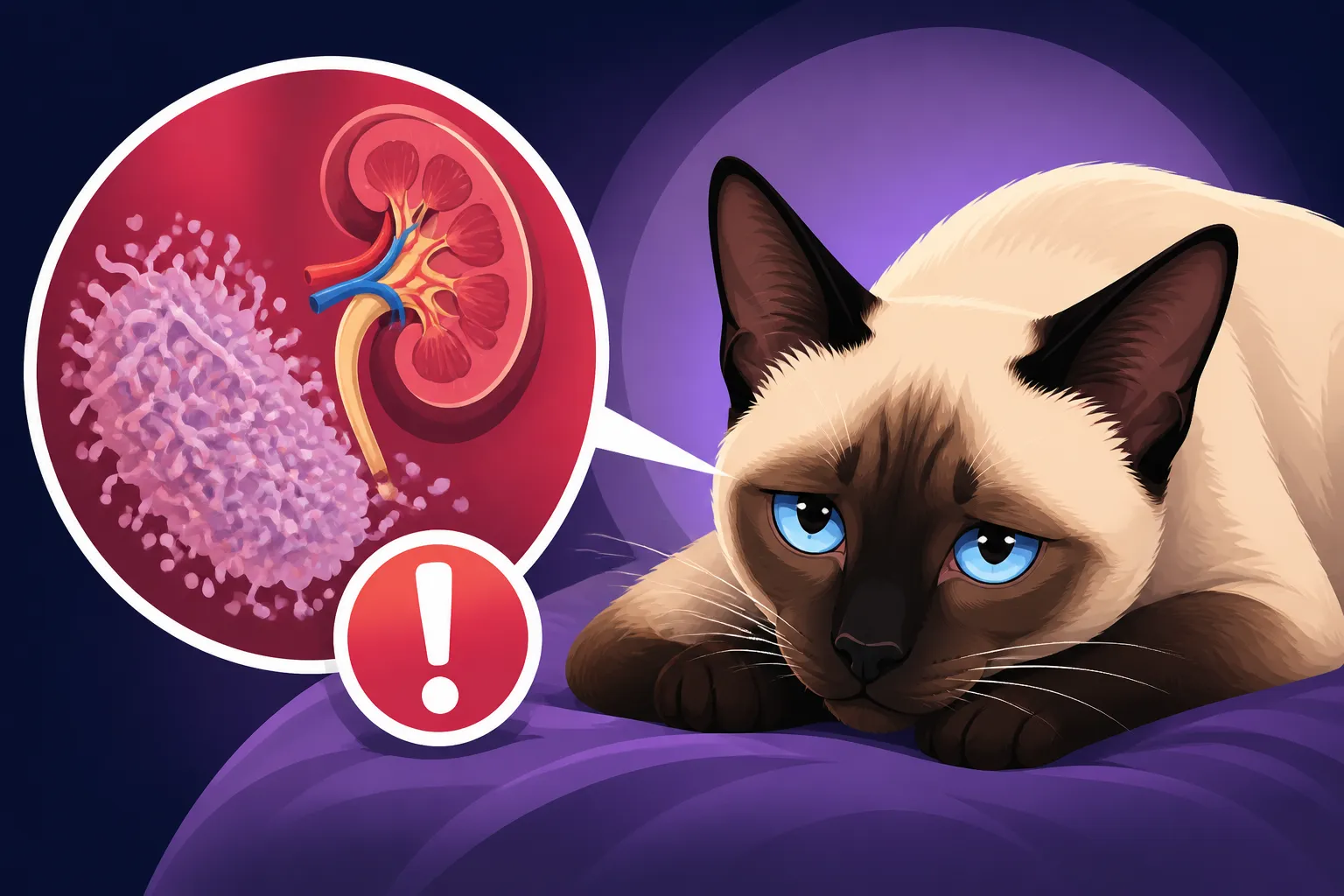
While the liver often gets the spotlight due to the dramatic nature of rupture, the kidneys are also frequent targets of amyloidosis in Siamese cats. Here, the amyloid deposits infiltrate the glomeruli, the tiny filtering units within the kidneys. As these filters become clogged and damaged by the amyloid, the kidneys lose their ability to properly filter waste products from the blood and regulate fluid balance. This slow, progressive damage leads to chronic kidney disease (CKD), a condition that steadily worsens over time. The signs of kidney failure, such as increased thirst and urination, weight loss, and lethargy, are often vague until the disease is quite advanced. This is What Systemic Amyloidosis Does to a Siamese Cat's Kidneys and How Amyloidosis Damages a Siamese Cat's Kidneys, turning a crucial filtration system into a compromised organ.
Recognizing the Subtle Signs of Amyloidosis
One of the most frustrating aspects of amyloidosis is its deceptive nature. It doesn't typically present with a clear, textbook set of symptoms that scream "amyloidosis!" in its early stages. Instead, owners are often left piecing together vague, non-specific signs that could point to any number of minor ailments, making early detection an immense challenge. This is why understanding even the most subtle shifts in your Siamese cat's behavior and health is paramount.
Early, Vague Symptoms
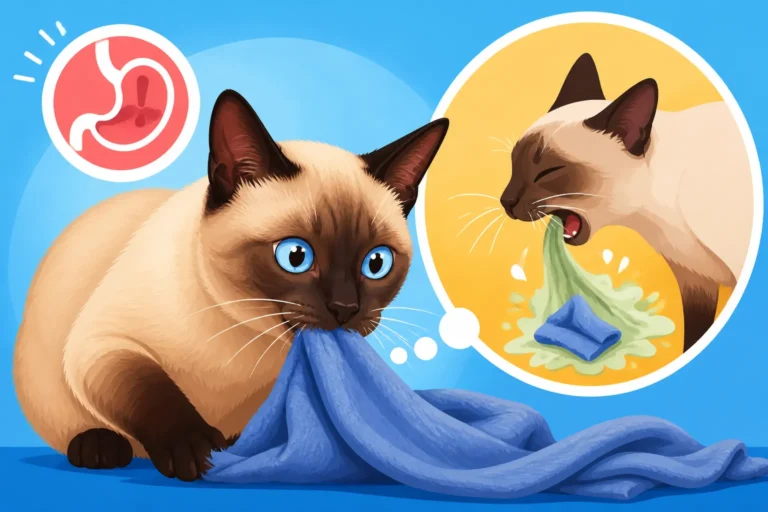
In the initial phases of amyloid buildup, your Siamese cat might exhibit symptoms so subtle that they're easily dismissed or attributed to something less serious. You might notice a slight decrease in appetite, or perhaps they're a little less playful than usual. They might seem a bit more lethargic, or you might observe a very gradual, almost imperceptible weight loss. Sometimes, there might be intermittent vomiting or diarrhea, which many owners understandably put down to a sensitive stomach or a hairball. These signs are often non-specific and can wax and wane, leading owners and even vets down a path of trying to diagnose more common issues. This makes it incredibly difficult to catch the disease when it's just starting, before significant organ damage has occurred, which is why Whether Siamese Cat Amyloidosis Can Be Caught Early remains such a challenge.
Acute Crisis: Signs of Liver Rupture
The devastating truth for many Siamese cat owners is that the first truly undeniable sign of amyloidosis often comes in the form of an acute crisis, specifically a ruptured liver. This is a medical emergency that demands immediate veterinary attention. Signs of a ruptured liver are dramatic and alarming: sudden and severe lethargy, collapse, pale gums due to internal bleeding, rapid and shallow breathing, a distended abdomen (due to blood accumulating internally), and severe pain when the abdomen is touched. Your cat might cry out if picked up or moved. This rapid deterioration is terrifying and can be fatal very quickly. Recognizing Signs a Siamese Cat's Liver Has Ruptured is crucial, as every minute counts in such a situation. This sudden event is often the first and last indication many owners receive that something serious was amiss.
Chronic Kidney Disease Symptoms
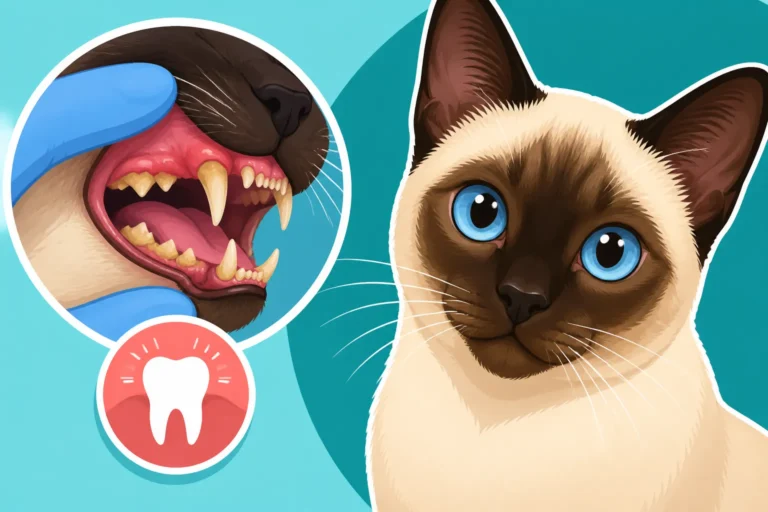
If the amyloidosis primarily affects the kidneys, the progression tends to be slower, leading to chronic kidney disease. The symptoms here are typically more gradual, but still often vague until the disease is advanced. You might notice your Siamese cat drinking significantly more water and therefore urinating more frequently, sometimes even having accidents outside the litter box. They might start losing weight despite a seemingly normal appetite, or their coat might appear dull and unkempt. As kidney function declines further, you could observe bad breath, vomiting, a general weakness, and even mouth ulcers. These are classic Signs a Siamese Cat's Kidneys Are Failing From Amyloid. It’s important to monitor these changes carefully, as they can sometimes mimic other age-related conditions, making an accurate and timely diagnosis challenging without specific testing.
| Symptom Category | Early Amyloidosis (Liver/Kidney) | Acute Liver Rupture | Advanced Kidney Disease |
|---|---|---|---|
| Energy & Behavior | Slight lethargy, less playful | Collapse, severe weakness | Persistent lethargy, weakness |
| Appetite & Weight | Mild appetite decrease, slow weight loss | No appetite | Significant weight loss, reduced appetite |
| Thirst & Urination | Normal to slight increase | Normal | Increased thirst and urination |
| Gums & Breathing | Normal | Pale gums, rapid/shallow breathing | Pale gums (anemia), normal breathing |
| Abdomen | Normal | Distended, painful (internal bleeding) | Normal to slightly tender |
| Vomiting | Intermittent | Possible | Frequent, persistent |
| Pain | None or subtle discomfort | Severe abdominal pain | General discomfort, dullness |
Diagnosis Challenges and Post-Mortem Realities
The elusive nature of amyloidosis makes diagnosis incredibly difficult, often leaving veterinarians and owners in a frustrating limbo. Because the early signs are so non-specific, and definitive tests are invasive or limited, many Siamese cats never receive a confirmed diagnosis until it's far too late. This reality contributes to the heartbreaking suddenness of many amyloidosis-related deaths.
Difficulties with Live Diagnosis
One of the biggest hurdles is the difficulty in diagnosing amyloidosis in a living cat. Unlike many diseases for which a simple blood test or imaging scan provides a clear answer, amyloidosis requires the direct identification of amyloid deposits in affected tissues. This usually means a biopsy, which is an invasive procedure. Taking a liver biopsy, for instance, can be risky, especially if the liver is already fragile from amyloid buildup, as it increases the chance of serious bleeding. This ethical dilemma – risking the cat’s immediate health for a definitive diagnosis – often leads vets to proceed cautiously. It's a cruel Catch-22, making Whether a Liver Biopsy Is Safe in a Siamese Cat a very complex question. The lack of a simple, non-invasive diagnostic tool means that suspicions often remain just that – suspicions – until a crisis hits.
Diagnostic Tools: Blood Work, Ultrasound Limitations
While a biopsy is the gold standard, veterinarians will often use other diagnostic tools to try and piece together the puzzle. Blood work might show elevated liver enzymes if the liver is affected, or elevated kidney values (BUN, creatinine) if kidney function is compromised. However, these are general indicators of organ dysfunction and don't specifically point to amyloidosis. An ultrasound might reveal an enlarged or abnormally textured liver or kidneys, but again, these findings are non-specific; many conditions can cause such changes. While a skilled sonographer might notice some subtle irregularities that raise suspicion, an ultrasound cannot definitively confirm the presence of amyloid. For a more direct answer, you’d be asking Whether an Ultrasound Finds Siamese Cat Amyloidosis, and the answer is typically "not definitively." Even comprehensive blood values might only Which Blood Values Flag Amyloidosis in a Siamese Cat as a possibility, not a certainty. This creates a significant challenge for pet insurance providers like Healthy Paws, who rely on clear diagnoses for coverage, making proactive screening difficult to claim for.
The Role of Post-Mortem Examination
Given the challenges of live diagnosis, it's a somber truth that amyloidosis is frequently confirmed only after a cat has passed away, through a post-mortem examination, or necropsy. During a necropsy, tissue samples from various organs can be taken and stained specifically to highlight amyloid deposits. This definitive confirmation, while too late for the individual cat, is invaluable for understanding the disease's prevalence, informing breeders, and contributing to ongoing research. It’s devastating for owners, but knowing Why Siamese Cat Amyloidosis Is Usually Found After Death provides some closure and crucial data for the future of the breed. It underscores the silent and often rapid nature of this condition, where the severity of the internal damage only becomes truly apparent upon detailed examination.
Managing and Treating Amyloidosis (When Possible)
When a Siamese cat receives an amyloidosis diagnosis, even if it’s suspected rather than definitively confirmed, the immediate question for any loving owner is, "What can we do?" Unfortunately, there is no cure for amyloidosis; once the amyloid proteins have formed and deposited, they are incredibly difficult to remove. The focus of treatment shifts entirely to management, slowing progression, and providing supportive care to maintain the best possible quality of life for as long as possible.
Supportive Care and Symptom Management
The cornerstone of managing amyloidosis in Siamese cats is supportive care, tailored to the specific organs affected and the symptoms your cat is experiencing. If the liver is involved, treatment might include medications to support liver function, manage bleeding if internal hemorrhaging is suspected, and provide nutritional support. In cases of acute liver rupture, emergency measures like blood transfusions and surgical intervention to stop the bleeding might be attempted, though success rates can be low depending on the severity of the rupture and How Fast a Siamese Cat Dies From a Liver Bleed. For kidney involvement, treatment mirrors that of chronic kidney disease, focusing on fluid therapy to prevent dehydration, dietary management to reduce kidney workload (special low-protein, phosphorus-restricted diets), blood pressure control, and medications to manage nausea or anemia. The aim is always to ease discomfort and keep your cat feeling as good as possible.
Medications to Slow Progression
While a cure remains out of reach, there are some medications that veterinarians may prescribe to try and slow the progression of amyloidosis, particularly if the kidney form is prevalent. Colchicine is one such drug that has shown some promise in reducing SAA production and thus potentially decreasing amyloid deposition, especially when administered early in the disease process. However, its effectiveness can vary, and it's not without potential side effects. Dimethyl sulfoxide (DMSO) is another compound sometimes explored, though its use is less common and often considered experimental in cats. It's important to understand that these medications are not guarantees, and their role is primarily to mitigate the accumulation of amyloid, not to reverse existing damage. Discussing Which Drugs Slow Amyloid in a Siamese Cat with your vet is essential to determine if they are appropriate for your cat's specific situation. The journey often involves a delicate balance of managing symptoms and attempting to slow the inevitable.
Prognosis and Quality of Life
The prognosis for a Siamese cat diagnosed with amyloidosis varies greatly depending on which organs are affected, the extent of the damage, and how early the condition is identified. Cats with acute liver rupture have a very guarded prognosis, and sadly, many do not survive, even with aggressive intervention. For those with chronic kidney involvement, the outlook can be a bit more hopeful, with some cats living for months or even a few years with dedicated management. However, the disease is ultimately progressive and fatal. The key focus for owners and veterinarians alike is maintaining the cat's quality of life. This involves careful monitoring, adjusting treatments as needed, ensuring comfort, and making difficult decisions about palliative care when the time comes. Understanding How Long a Siamese Cat Lives After an Amyloidosis Diagnosis helps owners prepare for what lies ahead, but every cat's journey is unique. It’s a profound testament to love that owners continue to seek options, knowing that even without a cure, they can offer comfort and dignity.
Breeding Responsibly: Addressing the Genetic Factor
Given that amyloidosis is an inherited condition in Siamese cats, the responsibility falls heavily on breeders to try and mitigate its prevalence. This is a complex and often heartbreaking aspect of feline genetics, especially because the genetic mechanisms are not fully understood, and no simple test exists to identify carriers. Ethical breeding practices are the first line of defense against passing this devastating disease to future generations.
The Lack of a DNA Test
One of the most significant challenges in combating Siamese cat amyloidosis is the current absence of a reliable DNA test to identify carriers or cats at risk. If a clear genetic marker existed, breeders could simply test their breeding stock and remove affected or carrier cats from their programs, dramatically reducing the incidence of the disease. Unfortunately, despite ongoing research, such a test is not yet available. This means that breeders cannot definitively screen for amyloidosis in the same way they might for other inherited conditions. This situation creates immense frustration and risk, as breeders must make decisions based on family history rather than precise genetic information, highlighting Why There Is No Siamese Cat Amyloidosis Gene Test as a major hurdle.
Importance of Pedigree Research and Family History
Without a DNA test, diligent pedigree research and a thorough understanding of family history become paramount for responsible Siamese cat breeders. This involves meticulously tracking the health and causes of death of every cat within a breeding line, going back several generations. If a breeder has had cats in their lines die young from suspected or confirmed amyloidosis, those lines should ideally be removed from breeding programs. This means being transparent and honest about health issues, which can be difficult but is absolutely essential for the welfare of the breed. Prospective kitten buyers should ask breeders direct questions about the health history of their cattery, inquiring about any instances of sudden death, especially in younger cats, and how the breeder tracks and responds to such information. Responsible breeders will openly discuss their health protocols, even without specific tests, and explain Which Health Tests a Siamese Cat Breeder Runs for other conditions, demonstrating their overall commitment to healthy lines.
Ethical Considerations for Breeders
The inherited nature of amyloidosis places a significant ethical burden on Siamese cat breeders. Breeding decisions should always prioritize health and welfare over aesthetics or profit. This means carefully considering whether to breed from a cat whose close relatives have succumbed to amyloidosis, even if the cat itself appears healthy. It means potentially making the difficult choice to retire a breeding cat or an entire line if the risk of passing on this devastating disease is too high. Open communication within the breeding community is also vital, sharing information about affected lines to collectively work towards a healthier future for the breed. While the lack of a definitive test makes this challenging, an ethical breeder's commitment to avoiding known risks is crucial. This proactive approach is part of ensuring that potential new owners don't face unexpected and devastating medical bills, which even pet insurance like Healthy Paws, might categorize as a pre-existing or inherited condition if not disclosed.
Coping with an Amyloidosis Diagnosis
Receiving an amyloidosis diagnosis, or even a strong suspicion of it, for your beloved Siamese cat is emotionally shattering. It's a journey filled with uncertainty, grief, and often, profound sadness. As owners, we pour our hearts into our pets, and facing a life-limiting, progressive disease like this requires immense strength and support. It's important to acknowledge these feelings and know that you are not alone in navigating this incredibly difficult path.
Emotional Impact on Owners
The emotional toll of an amyloidosis diagnosis can be immense. There's the shock, the denial, and then often a deep sense of guilt or helplessness. You might find yourself replaying every little symptom, wondering if you missed something, even though the disease is so notoriously difficult to detect early. The prospect of losing your young, vibrant Siamese cat much sooner than expected is heartbreaking, leading to anticipatory grief. Owners often feel isolated, especially if friends or family don't understand the depth of the bond with a pet. Allowing yourself to feel these emotions, whether it's sadness, anger, or fear, is a crucial part of the coping process. Seeking support from pet loss groups, online forums for Siamese owners, or even speaking with a compassionate veterinarian can provide invaluable comfort during this profoundly challenging time.
End-of-Life Decisions
As amyloidosis progresses, whether through acute liver rupture or chronic organ failure, owners will inevitably face difficult end-of-life decisions. This is perhaps the hardest part of pet ownership. Determining when your cat's quality of life has significantly diminished, and when humane euthanasia might be the kindest option, is a deeply personal and agonizing choice. It involves carefully observing your cat's pain levels, their ability to enjoy their favorite activities, their appetite, and their overall demeanor. Your veterinarian will be a critical partner in this process, offering guidance, assessing your cat's condition, and helping you understand the trajectory of the disease. While Whether a Siamese Cat Survives a Ruptured Liver is a question often asked in desperation, understanding that sometimes the most loving act is to prevent further suffering, is a heavy burden. Many pet owners consider pet insurance, like Healthy Paws, precisely for these moments, as they provide financial support that can allow for more comfort care and peace of mind during difficult decisions, without the added stress of crushing veterinary bills.
Support Resources
Navigating the grief and practicalities of a severe illness like amyloidosis requires a strong support network. Don't hesitate to lean on your veterinary team; they understand the disease and the emotional impact it has. Many veterinary clinics offer grief counseling resources or can refer you to local services. Online communities for Siamese cat owners can also be a source of immense comfort, allowing you to connect with others who have faced similar struggles. Sharing experiences and finding understanding among those who truly grasp the unique bond with a Siamese cat can be incredibly healing. Remember, seeking support is not a sign of weakness; it's a testament to the depth of your love for your cat and a necessary step in processing such profound loss.
Disclaimer
This article is intended for informational purposes only and does not constitute veterinary advice. Always consult with a qualified veterinarian for any health concerns or before making any decisions about your pet's care.