Whether Insurance Excludes a Siamese Cat’s Inherited Disease
It's a fear that keeps many Siamese cat parents up at night: the thought of your beloved Meezer developing an inherited disease, coupled with the crushing worry that pet insurance might just turn its back when you need it most. You've heard the horror stories about claims denied for "pre-existing conditions," and it leaves you wondering if all the careful planning and monthly premiums will truly protect your Siamese when a genetic illness surfaces. This guide will walk you through the often-confusing world of pet insurance and inherited conditions, helping you understand what to look for, what questions to ask, and how to best prepare for your Siamese cat's future health.
The Harsh Reality of Inherited Conditions in Siamese Cats
Bringing a Siamese into your home is an incredible joy, full of conversation, playful antics, and boundless affection. But beneath their sleek coats and piercing blue eyes, some Siamese cats carry a genetic predisposition to certain health conditions. It's not their fault, nor yours, but understanding these potential challenges is the first step toward proactive care.
What "Inherited Disease" Really Means for Your Meezer
An inherited disease, often also called a genetic or hereditary disease, is one that's passed down from a parent to their offspring through genes. Think of it like a family trait, but instead of blue eyes or curly hair, it's a predisposition to a specific illness. These aren't random illnesses your cat picks up from the environment; they're woven into their very DNA. For Siamese cats, we often hear about serious conditions like amyloidosis, a protein-folding disorder that can severely impact organs, most notably the liver and kidneys. Another well-known concern is Progressive Retinal Atrophy (PRA), a condition that causes gradual degeneration of the retina, eventually leading to blindness.
When we talk about inherited diseases, it's important to understand that a cat can be affected in different ways. Some might be carriers, meaning they carry the gene but never show symptoms themselves, yet can pass it on to their kittens. Others might inherit two copies of the faulty gene and develop the disease. The manifestation and severity can vary, making it a tricky landscape for breeders and owners alike. These genetic blueprints mean that even the healthiest-looking kitten might harbor a future health challenge.
The devastating truth is that these conditions can emerge at various stages of a Siamese cat's life, sometimes unexpectedly in young cats, other times as they age. This unpredictability is precisely why owners feel so much anxiety – you can't see the genetic lottery ticket your cat holds. It's not about blame; it's about being informed and prepared for potential eventualities that are simply part of the breed's genetic makeup.
Why These Conditions Can Be So Devastating (and Expensive)
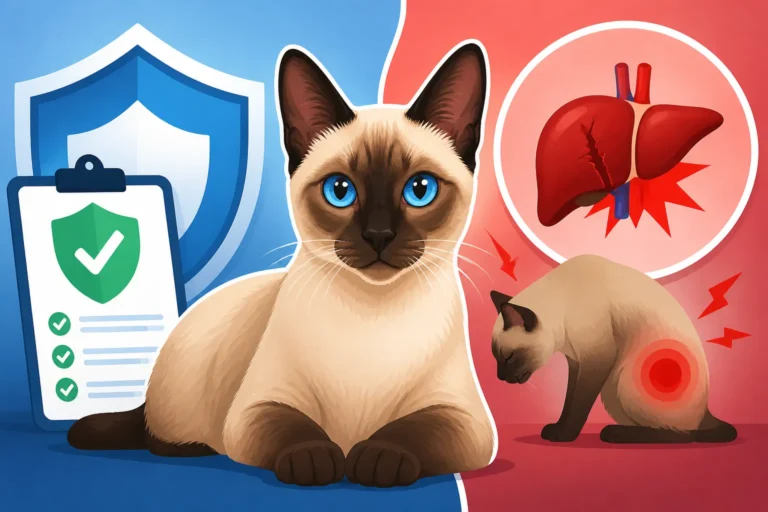
The impact of an inherited condition on a Siamese cat's health can range from chronic discomfort to life-threatening emergencies. Take amyloidosis, for example. When it hits the liver, it can cause the organ to become fragile, leading to a sudden and catastrophic rupture. Imagine your vibrant, chatty Siamese suddenly collapsing, needing emergency veterinary care that could involve transfusions, intensive hospitalization, and even surgery. How a Siamese Cat's Ruptured Liver Is Treated is a grim but necessary topic for many owners. These aren't minor issues; they often require specialized diagnostics like ultrasounds or biopsies, ongoing medication, and sometimes even experimental treatments, all of which carry hefty price tags.
The emotional toll is immense, watching your beloved companion suffer and facing agonizing decisions. But the financial burden can be equally staggering. A single emergency visit, diagnostic tests, and a few days of critical care can quickly run into thousands of dollars. If a condition requires lifelong management, such as medication for heart disease or special diets for kidney issues, those costs accumulate steadily over years. Many owners find themselves in the unenviable position of choosing between their cat's health and their own financial stability, a choice no one should have to make.
Even for conditions that aren't immediately life-threatening, like PRA, managing a blind cat requires adaptations at home and potentially more frequent vet check-ups to monitor their overall health and ensure they're coping well. The initial diagnosis, which might involve specialized eye exams, is an expense in itself. Owners are left grappling not only with the emotional strain but also with the practical implications of ongoing care and the continuous worry about the financial viability of providing the best for their Meezer.
Understanding Pet Insurance and Pre-Existing Conditions
When considering pet insurance, the phrase "pre-existing condition" looms large, often misunderstood and feared. For owners of breeds with known genetic predispositions like the Siamese, this clause can feel like a minefield. It's crucial to understand how pet insurance companies define and apply this term, especially when it comes to inherited diseases.
The Standard Pet Insurance Clause: "Pre-Existing Conditions"
At its core, a pre-existing condition, in the eyes of pet insurance, is any illness, injury, or symptom that was present or occurred before your pet's insurance policy started, or during the policy's mandatory waiting period. This is true whether the condition was officially diagnosed by a vet or not. If your cat coughed consistently for a month before you signed up for insurance, even if it wasn't diagnosed as asthma until later, that cough could be considered a pre-existing condition by the insurer.
Insurance companies use your pet's veterinary records to determine if a condition is pre-existing. They'll look back at your cat's health history, often for the entire duration of their life, or at least for a significant period (e.g., the last 12-24 months) before your policy's effective date. If any signs, symptoms, or diagnoses related to a particular illness appear in those records during that timeframe, that illness will likely be excluded from coverage. This isn't unique to pet insurance; it's a standard practice across the insurance industry.
This clause exists to prevent people from only buying insurance after their pet gets sick, turning insurance into a reactive payment plan rather than a proactive safety net. While it's understandable from a business perspective, it can feel incredibly unfair to an owner whose cat suddenly develops a serious illness that had no obvious prior symptoms. This is why timing your enrollment is perhaps the single most important factor in whether your Siamese cat's inherited disease will be covered.
The Nuance Between "Inherited" and "Pre-Existing"
Here's where it gets really tricky and where many owners get confused. An inherited condition is genetic in origin, meaning your Siamese was born with the predisposition. However, for pet insurance purposes, an inherited condition becomes a pre-existing condition if it manifests, or if any symptoms related to it, appear before your policy's effective date or during its waiting period. The key isn't when the genetic fault occurred, but when the disease or its signs first became apparent.
Let's imagine you get a Siamese kitten. If you enroll them in a pet insurance plan at eight weeks old, before they've ever shown any signs of illness, and then at two years old they are diagnosed with Amyloidosis Is the Disease That Kills Young Siamese Cats, it is highly likely to be covered. Why? Because the symptoms and diagnosis appeared after your policy was active and past any waiting periods. The genetic predisposition existed from birth, but the condition itself was not "pre-existing" in the insurance sense.
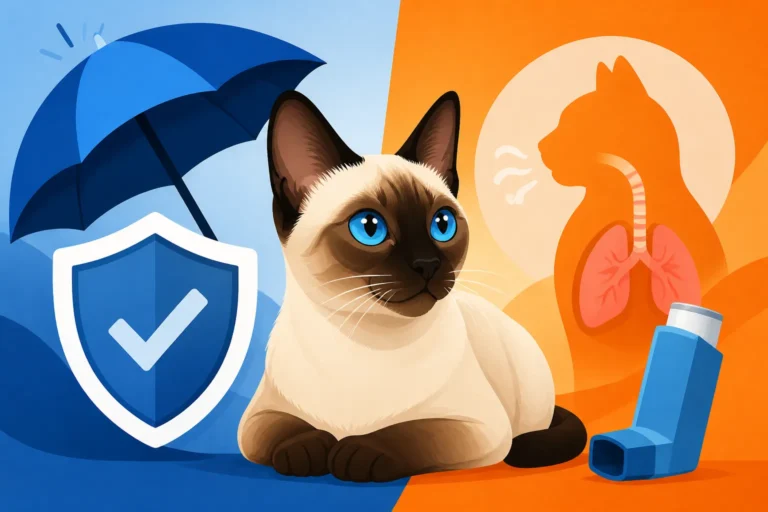
Conversely, if you wait until your Siamese is five years old, and has been coughing for several months, and then you enroll them in insurance, any diagnosis of asthma (a condition common in Siamese cats) will almost certainly be deemed pre-existing. Even if you didn't have a formal diagnosis until after you got the policy, the documented symptoms in their vet records from before enrollment will lead to an exclusion. This critical distinction means that while pet insurance doesn't typically exclude a condition simply because it's inherited, it will exclude it if it has already begun to show itself, no matter the underlying cause.
How Insurance Companies Categorize Inherited Conditions
Different pet insurance providers handle inherited conditions with varying degrees of clarity and coverage. Most comprehensive accident and illness plans do cover inherited and congenital conditions, provided they are not pre-existing. This is a huge relief for many Siamese owners. However, it's vital to dig into the specifics of each policy.
Some policies might have specific sub-limits for inherited conditions, meaning they'll cover it, but only up to a certain amount per year or for the lifetime of the policy, which might be less than the general illness coverage. Others might offer a "hereditary conditions rider" or add-on for an additional premium. This rider could potentially offer extended coverage or ensure certain breeds are specifically included, particularly if the breed is known for a higher incidence of specific genetic issues. Always verify what "inherited" or "hereditary" means in their policy language.
It's also worth noting that some older or more basic plans might have exclusions for "genetic defects" or "breed-specific conditions," which would certainly encompass many of the issues Siamese cats face. This is less common with modern, comprehensive plans from reputable providers today, but it’s still something to watch out for. When you're comparing policies, whether from well-known providers or newer options, you need to call them, ask direct questions about conditions like amyloidosis or PRA, and get their answers in writing, if possible. Don't assume anything.
Strategies for Insuring Your Siamese Against Genetic Woes
Navigating the pet insurance landscape can feel overwhelming, especially when you're trying to protect your Siamese against conditions you know they might be predisposed to. However, with the right approach, you can significantly improve your chances of having coverage when you need it most.
Enrolling Early: The Golden Rule for Coverage
If there's one piece of advice that stands above all others when it comes to insuring your Siamese against inherited diseases, it's this: enroll them as early as possible. Seriously, as soon as you bring that adorable, tiny Siamese Cat Kitten Costs From a Breeder home, start looking into pet insurance. Most companies allow enrollment for kittens as young as 6-8 weeks old. The younger your kitten is when enrolled, the less likely they are to have any documented symptoms or diagnoses that could be classified as pre-existing conditions.
Think about it: a brand-new kitten typically has a clean bill of health. By securing a policy before any signs of a genetic condition might even whisper an appearance, you're essentially getting ahead of the game. For conditions like amyloidosis, which can strike in young adulthood, or PRA, which often begins subtly, early enrollment ensures that when those symptoms do eventually appear, they will manifest after your policy is active and waiting periods have passed, making them eligible for coverage. This strategy is your best defense against the "pre-existing" clause.
Waiting even a few months, or until your cat has their first annual check-up where a vet might note a subtle heart murmur or an unexplained slight lameness, could be enough to classify a later, more severe diagnosis as pre-existing. Don't procrastinate. The moment you decide to bring a Siamese into your life, make pet insurance research and enrollment a top priority right alongside kitten-proofing your home and stocking up on Which Food Suits a Siamese Cat.
Scrutinizing Policy Details and "Genetic Condition" Riders
Once you've committed to early enrollment, your next crucial step is to meticulously examine the policy details. Don't just skim the brochure; delve into the actual policy documents, often available as sample policies on the insurer's website. You're specifically looking for sections that address "hereditary conditions," "congenital conditions," or "genetic disorders."
- Clarity of Coverage: Does the policy explicitly state that inherited conditions are covered, provided they are not pre-existing? Some policies might lump them under general illness coverage, which is usually fine, but clarity is always better.
- Specific Exclusions: Are there any blanket exclusions for breed-specific conditions? While rare with reputable modern insurers, it's crucial to confirm. For example, you might want to specifically ask about coverage for amyloidosis, which is a significant concern for Siamese cats.
- Benefit Limits: Does the policy have separate, lower limits for inherited conditions compared to general illnesses? This is a red flag, as inherited conditions can be incredibly costly to treat. You want the same robust coverage for these as you would for any other illness.
- Rider Options: Does the insurer offer an optional rider for hereditary or genetic conditions? While potentially adding to your premium, this might provide peace of mind and more comprehensive coverage, especially if your chosen Siamese comes from lines with known, though often unavoidable, genetic risks.
Compare policies from several providers. Companies like Healthy Paws are well-regarded for their comprehensive coverage, but it's essential to compare their offerings directly against others, focusing on how each one addresses inherited conditions. Don't hesitate to call their customer service lines and ask very specific, pointed questions about the conditions prevalent in Siamese cats. Get the answers in writing if you can.
Understanding Waiting Periods and Their Impact
Even if you enroll your Siamese kitten on day one, there's another hurdle to be aware of: waiting periods. Almost all pet insurance policies have them. These are specific lengths of time from your policy's start date during which certain conditions are not covered. Waiting periods typically fall into two categories:
- Accident Waiting Period: Usually very short, sometimes as little as 24-48 hours. This means if your cat gets into an accident a few days after enrollment, it's likely covered.
- Illness Waiting Period: This is usually longer, often 14 days, but can sometimes be up to 30 days. This is the period most relevant to inherited diseases. If your Siamese shows any symptoms or is diagnosed with an illness (even an inherited one) during this waiting period, it will almost certainly be considered a pre-existing condition and excluded from coverage.
Some insurers might also have extended waiting periods for specific conditions, such as orthopedic issues, which could be 6 months or even a year. While less common for the internal organ diseases or retinal issues found in Siamese, it's another detail to look out for. The importance of enrolling your kitten when they are truly symptom-free and then patiently waiting out these initial periods cannot be overstated. If you're comparing providers, note that some might have shorter waiting periods, which could be a factor in your decision. Just ensure that you're choosing a provider who is transparent about these terms.
Here's a quick comparison of how insurance scenarios might play out:
| Scenario | Enrollment Timing | Symptoms/Diagnosis Appear | Insurance Coverage Likely? |
|---|---|---|---|
| Ideal | Kitten (8 weeks old) | 2 years old (after waiting) | YES (for inherited disease) |
| Risky | Adult (5 years old) | 5.5 years old (after waiting) | YES, if no prior symptoms in records |
| Excluded | Adult (5 years old) | 4.5 years old (before policy) | NO (pre-existing) |
| Excluded | Kitten (8 weeks old) | 10 weeks old (during waiting) | NO (pre-existing due to waiting period) |
| Uninsurable for specific condition | Adult (diagnosed at 5) | Already diagnosed | NO (already pre-existing) |
This table highlights how crucial timing is.
Beyond Insurance: Proactive Health Management
While pet insurance is an invaluable safety net for unexpected medical costs, it's just one piece of the puzzle when it comes to ensuring your Siamese cat lives a long, healthy, and happy life. Proactive health management, combined with careful choices, can further mitigate risks and enhance their well-being.
The Value of Responsible Breeding and Health Screening
Before you even bring a Siamese kitten home, the most powerful preventative step you can take against inherited diseases is to choose a reputable, ethical breeder. A responsible breeder will be transparent about the health history of their breeding lines and will actively screen their breeding cats for known genetic conditions where tests are available. While there is No DNA Test for Siamese Cat Amyloidosis, a good breeder will know the family history of their cats, including any instances of sudden death or liver disease, and will be open about this information. They track the health and longevity of their cats and their offspring.
For conditions like Progressive Retinal Atrophy (PRA), there are DNA tests, though for Siamese cats, the situation with tests like the rdAc one can be Why an rdAc Result Is Unreliable in a Siamese Cat. Nevertheless, a good breeder will discuss these complexities with you and explain what screening they do undertake, such as regular eye exams by a veterinary ophthalmologist. Which Health Tests a Siamese Cat Breeder Runs should be a detailed discussion you have with them. They should be willing to provide documentation of these screenings for both parents of your potential kitten.
A responsible breeder is not just selling a kitten; they are a guardian of the breed's health. They should answer all your questions patiently and knowledgeably, not just about adorable kitten antics but about potential health issues and what they do to minimize risks. This upfront diligence can save you immeasurable heartache and financial strain down the line, even with insurance in place.
Regular Vet Visits and Early Detection
Even with the best genetic background and insurance, routine veterinary care is non-negotiable. Regular check-ups, ideally annually for adult cats and more frequently for kittens and seniors, are vital for early detection of any health issues, including those that might be inherited. Your vet is trained to spot subtle changes or symptoms that you, as a loving owner, might miss. For instance, a veterinarian might notice a change in your Siamese's weight or body condition, which for a breed that is often quite lean, could indicate an underlying issue. Why a Siamese Cat Stays So Thin is a common question, but a vet can help distinguish healthy leanness from concerning weight loss.
Early detection of an inherited condition, even if it eventually falls under a pre-existing clause because you didn't have insurance from kittenhood, can still make a profound difference in your cat's prognosis. For example, if kidney disease (which can be a consequence of amyloidosis) is caught in its early stages, dietary changes and medication can significantly slow its progression, improving your cat's quality of life and potentially extending their lifespan. These regular visits also allow for routine vaccinations and parasite control, which keep your Siamese healthy overall, making them better equipped to handle any genetic predispositions that might arise.
Think of your vet as your partner in your Siamese's health journey. Be open about any concerns you have, no matter how small they seem. A consistent history of vet care is also what insurance companies look at if a claim arises, and a well-documented health record can often simplify the claims process.
Lifestyle Support for a Healthy Siamese
Beyond genetics and veterinary care, a healthy lifestyle plays a crucial role in your Siamese cat's overall well-being, potentially helping them manage or even delay the onset of some symptoms, though it won't prevent an inherited disease itself. This includes providing a high-quality, balanced diet. Many owners choose premium brands or fresh food options, focusing on nutrient-dense meals that support a strong immune system and healthy organs. While diet won't change genetics, optimal nutrition is fundamental for supporting general health and mitigating the impact of any developing illness.
Environmental enrichment is equally important for a Siamese. These are highly intelligent, active, and social cats who thrive on interaction and mental stimulation. A bored Siamese can become stressed, and stress can sometimes exacerbate underlying health conditions. Providing plenty of toys, Which Toys a Siamese Cat Actually Uses, regular play sessions, climbing structures, and mental challenges like puzzle feeders keeps their minds and bodies active. A happy, well-adjusted cat is often better able to cope with health challenges.
Ensuring your Siamese has a warm, comfortable home environment is also critical, especially since they tend to feel the cold more acutely due to their short, single coat. Keeping a Siamese Cat Warm isn't just about comfort; it's about minimizing physiological stress. While none of these lifestyle factors will rewrite their genetic code, they contribute to a robust foundation of health that can make a difference in how well your Siamese navigates any inherited conditions that may arise.
Disclaimer
This article is for general informational purposes only and does not constitute professional advice. Laws, prices and regulations vary by location and change over time. Consult a qualified professional for guidance on your specific situation.