Which Questions to Ask a Siamese Cat Breeder About Liver Disease
Bringing a beautiful Siamese cat into your home is an absolute joy, but it also comes with a responsibility to understand their unique health predispositions. One of the most heartbreaking and challenging issues specific to the Siamese breed is liver disease, particularly amyloidosis. This condition can be a silent killer, often striking without much warning and leaving owners feeling helpless. Navigating the world of breeders can feel daunting when you're trying to ensure you're getting a healthy kitten. This guide will walk you through the essential questions you need to ask your potential Siamese cat breeder about liver disease, helping you make an informed decision and prepare for a long, happy life with your feline companion.
The Shadow of Liver Disease in Siamese Cats
It's a tough truth to face when you're dreaming of a playful, chatty Siamese companion, but certain breeds, including our beloved Meezers, come with their own set of potential health challenges. Liver disease, especially a specific type called amyloidosis, is unfortunately one of these concerns for Siamese cats. It's a heavy topic, but understanding it is the first step toward responsible ownership.
What is Amyloidosis and Why is it a Concern for Siamese Cats?
Amyloidosis isn't just a fancy medical term; it's a serious condition where an abnormal protein, called amyloid, gets deposited in various organs. For Siamese cats, the liver is a primary target, though it can affect other organs like the kidneys too. Imagine a sticky, waxy substance slowly building up in the delicate tissues of an organ, preventing it from functioning properly. That's essentially what amyloid does. It replaces healthy tissue, leading to organ dysfunction and eventually, failure. What makes this particularly devastating for Siamese cats is that it's often inherited. It's not something a cat "catches" from their environment; it's passed down through their genes, making conversations with breeders absolutely critical. You can learn more about What Amyloidosis Does to a Siamese Cat.
The insidious nature of amyloidosis in Siamese cats is what truly makes it a silent killer. Cats are masters at hiding illness, and with amyloidosis, the accumulation of protein can happen slowly over time without any obvious symptoms. Your vibrant, energetic kitten might be silently developing this condition, and you wouldn't know it until it reaches a critical stage. This makes early detection incredibly challenging, often leaving owners completely blindsided when symptoms finally appear, which are often severe and sudden.
The Devastating Impact of Liver Amyloidosis
When amyloid builds up significantly in the liver, it makes the organ fragile. Think of it like a sponge that's slowly turning into brittle glass. This fragility can lead to a catastrophic event: liver rupture. When the liver ruptures, it causes internal bleeding, which is a life-threatening emergency. A cat can go from seemingly healthy to critically ill in a matter of hours. Signs might include sudden weakness, lethargy, loss of appetite, abdominal pain, or even collapse. It's a truly horrifying scenario for any cat owner, and sadly, the prognosis in such cases is often very poor, even with aggressive emergency veterinary care. This is a primary reason why Amyloidosis Is the Disease That Kills Young Siamese Cats.
Beyond the acute crisis of a ruptured liver, amyloidosis can also cause chronic liver failure or affect other organs. If amyloid deposits in the kidneys, for example, it can lead to What Systemic Amyloidosis Does to a Siamese Cat's Kidneys. The cumulative effect of these protein deposits slowly degrades the cat's health, leading to a diminished quality of life. The heartbreaking reality is that many Siamese cats diagnosed with amyloidosis, especially after a liver rupture, have a very short time left. This highlights why being proactive and asking the right questions before bringing a kitten home is so vital, even if it feels uncomfortable.
Essential Questions to Ask Your Siamese Cat Breeder
When you're choosing a Siamese kitten, you're not just picking a pretty face; you're committing to their health and well-being for potentially The Fifteen to Twenty Years a Siamese Cat Gets. A reputable breeder understands this and should be transparent and willing to discuss health concerns, especially those specific to the breed. Don't be shy about asking direct, pointed questions about liver disease and amyloidosis. It’s not about accusing them, but about ensuring you’re both on the same page regarding responsible breeding.
Inquiring About Family History and Pedigree
This is where your detective hat comes on. A breeder should be able to provide you with pedigree information for several generations, not just the immediate parents. What you're looking for here is a pattern. Ask directly: "Have there been any instances of liver disease, liver rupture, or sudden, unexplained deaths in the lines of the kitten's parents or grandparents?" A good breeder will be honest and may even proactively share this information. They understand that while they cannot entirely eliminate all health risks, they can breed responsibly by avoiding lines with known issues. Knowing Why Siamese Cat Amyloidosis Is Inherited is key here.
It’s not always about a formal diagnosis, either. Sometimes, a breeder might be aware of cats in their lines who "just didn't thrive" or passed away unexpectedly at a relatively young age without a definitive cause. These can be red flags that might point to an underlying inherited condition like amyloidosis. Ask about the lifespan of the cats in the pedigree. While cats can have accidents, multiple early deaths in a line should prompt further inquiry. A breeder who dismisses these concerns or gets defensive might not be the right choice. Transparency is paramount.
Breeder Practices and Health Guarantees
Now, here's a crucial point that can be confusing: there is currently no DNA test available to screen Siamese cats for the gene responsible for amyloidosis. This means breeders cannot simply "test" their cats and guarantee they are free of the disease. This is a common frustration for both breeders and prospective owners, as it makes prevention incredibly difficult. So, if a breeder claims they "test for amyloidosis," proceed with caution and ask for clarification. They might be referring to general health screenings, which are important, but not a specific gene test for this condition. Why There Is No Siamese Cat Amyloidosis Gene Test explains this in more detail.
Instead, a responsible breeder's best practice involves meticulously tracking health in their lines, being transparent about any cases that have occurred, and making breeding decisions to avoid repeating these patterns. Ask them what measures they take to minimize the risk of inherited diseases like amyloidosis. Do they track the health and longevity of all kittens they produce? Do they stay in touch with adoptive families? What are the terms of their health guarantee? A strong health guarantee, while not preventing disease, shows a breeder's commitment and can offer some peace of mind regarding congenital or inherited conditions. Be sure to understand what it covers and for how long.
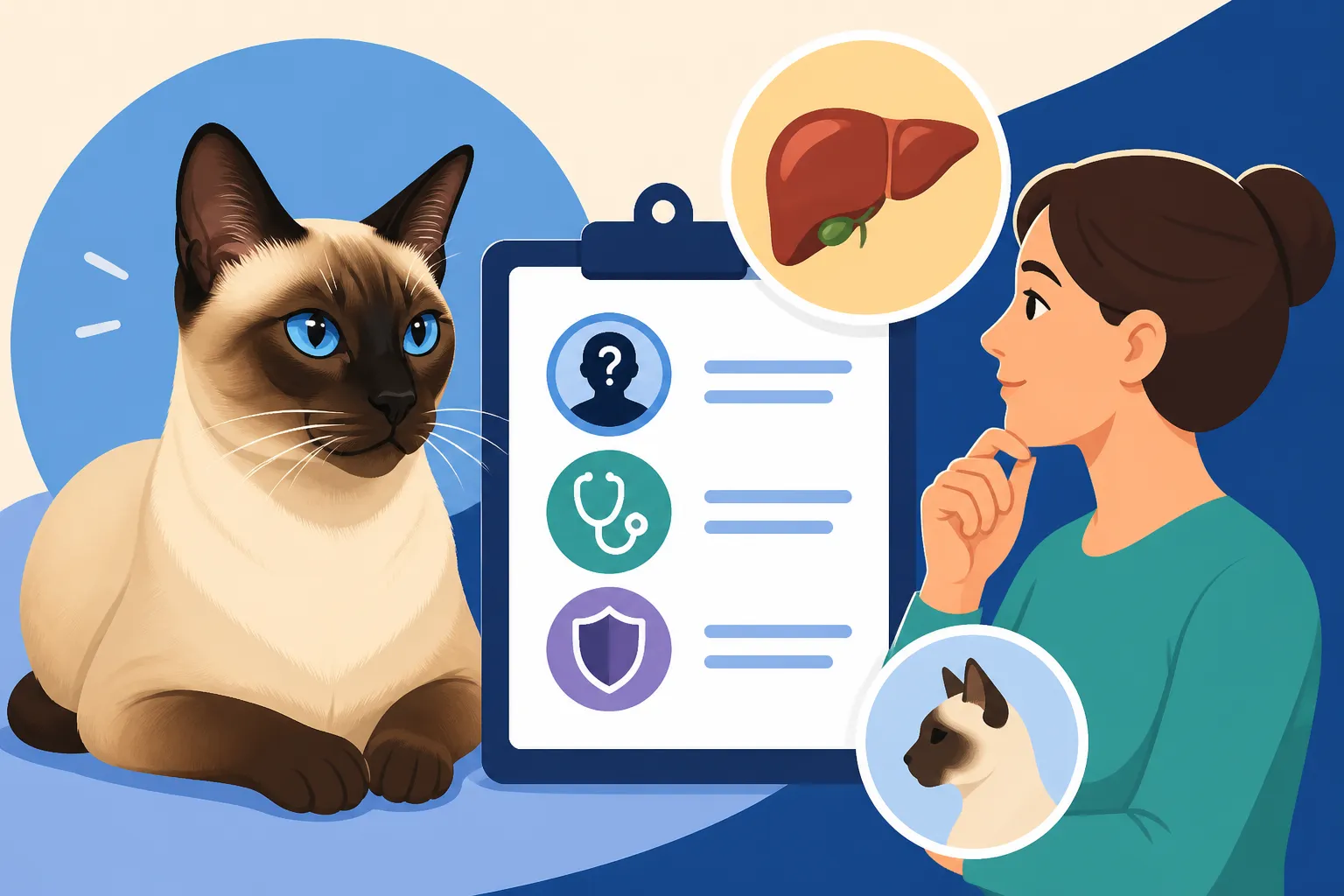
Here's a table summarizing key questions to guide your conversation:
| Question Category | Specific Questions to Ask | Why It Matters |
|---|---|---|
| Family History | Have any cats in the pedigree (parents, grandparents) had liver disease or amyloidosis? | Direct evidence of the inherited condition in the lineage. |
| Have there been any sudden or unexplained deaths in young adult cats in your lines? | Amyloidosis can cause sudden liver rupture, even in seemingly healthy cats. | |
| What is the typical lifespan of the cats in your breeding program? | Helps assess overall health and longevity trends. | |
| Breeder Practices | What health screenings do you perform on your breeding cats? | Shows general commitment to health, even if no amyloidosis-specific test exists. |
| How do you select breeding pairs to minimize inherited health risks? | Demonstrates a thoughtful approach to genetic health management. | |
| Do you keep in touch with kitten buyers to track long-term health? | Indicates dedication to monitoring the health of their lines over generations. | |
| Health Guarantee | What does your health guarantee cover, and for how long? | Provides clarity on breeder responsibility if an issue arises. |
| What is your policy if a genetic or inherited condition like amyloidosis is diagnosed? | Understand your options and the breeder's commitment post-purchase. |
Beyond the Breeder: Your Role in Early Detection and Management
Even with the most reputable breeder, bringing home a Siamese cat means accepting that genetic predispositions exist. Your journey doesn't end after you've picked your kitten; it's just beginning. As an owner, you play an enormous role in your cat's long-term health, particularly in recognizing potential issues early and providing the best possible care.
Recognizing Potential Signs and Veterinary Care
Because amyloidosis can be so stealthy, vigilance is your best tool. Signs a Siamese Cat Has Liver Amyloidosis can be subtle at first. Keep a close eye on your cat's appetite, energy levels, and any changes in their bathroom habits. Look for less obvious signs, too: a sudden disinterest in play, hiding more often, or changes in their normal vocalizations. While these could be many things, they are always worth investigating. Routine veterinary check-ups are non-negotiable for Siamese cats. Your vet is your partner in spotting potential issues early.
During these annual (or bi-annual for seniors) visits, discuss your concerns about liver disease with your vet. They may recommend specific blood work that can help flag liver issues, even if it's not a definitive amyloidosis diagnosis. Regular blood panels, including liver enzymes and protein levels, can sometimes hint that something isn't quite right, prompting further investigation. What a Siamese Cat's Yearly Bloodwork Should Cover will typically include these markers. While there's no magic bullet for preventing amyloidosis, being proactive with your vet can buy precious time if problems do arise.
Supporting Your Siamese Cat's Liver Health Through Diet and Lifestyle
While diet isn't a cure for amyloidosis, providing excellent nutrition and a low-stress environment can certainly support your Siamese cat's overall health and potentially mitigate the impact of any underlying conditions. Focus on high-quality, species-appropriate food. Many owners find success with premium commercial diets, and some even explore carefully prepared fresh food options. Always discuss any major dietary changes with your vet to ensure it meets all your cat's nutritional needs. Feeding a Lean Siamese Cat That Burns Everything is also crucial, as their high metabolism means they need nutrient-dense food.
Beyond food, a calm and enriching home environment is vital. Stress can impact a cat's immune system and overall well-being. Ensure your Siamese has plenty of vertical space to climb, scratching posts, and interactive toys to keep their intelligent minds stimulated. Products found on platforms like Chewy can help create an engaging environment. Regular play sessions are essential for their physical and mental health, helping them burn off energy and maintain a healthy weight. Finally, consider pet insurance as a safeguard. A good pet insurance plan, like those from Healthy Paws, can be a lifesaver, covering a significant portion of unexpected vet bills should your beloved Siamese face a health crisis, including liver issues. While it won't prevent the disease, it can alleviate the financial burden during incredibly stressful times.
Disclaimer
This article is for general informational purposes only and does not constitute professional advice. Laws, prices and regulations vary by location and change over time. Consult a qualified professional for guidance on your specific situation.