What Emergency Liver Surgery Costs a Siamese Cat Owner
It's every Siamese cat owner's worst nightmare: the sudden, terrifying realization that your beloved, vocal companion is gravely ill, perhaps bleeding internally, and needs emergency surgery. The fear for their life is overwhelming, but quickly, another worry creeps in – the financial strain of such an unexpected and critical medical procedure. When your Siamese needs emergency liver surgery, the costs can feel astronomical, leaving you scrambling to understand what to expect and how you'll manage. This guide is here to walk you through the various components of these emergency costs, helping you prepare for what might be one of the most challenging experiences of your cat's life.
The Sudden Reality of a Ruptured Liver in a Siamese Cat
One moment your Siamese might be chattering at birds outside the window, the next, they could be collapsing, lethargic, or showing signs of acute pain. The suddenness of a liver rupture is part of what makes it so incredibly frightening. It’s not a slow decline you can mentally prepare for; it’s an immediate crisis demanding urgent action.
Why Liver Ruptures Are So Frighteningly Common
For Siamese cats, liver ruptures are often a devastating manifestation of a genetic condition called amyloidosis. This isn't just a random accident; it's a predisposition rooted deeply within the breed's lineage. Amyloidosis involves the abnormal deposition of amyloid protein in various organs, and in Siamese cats, the liver is a primary target. These protein deposits weaken the liver tissue, making it fragile and prone to tearing. Even a slight bump, an enthusiastic jump, or sometimes, no discernable trigger at all, can lead to a catastrophic rupture and internal bleeding. The speed at which a seemingly healthy cat can decline is heartbreaking, and it leaves owners feeling helpless and blindsided. Understanding How Common Amyloidosis Is in Siamese Cats can help shed light on why this is such a specific concern for our Meezers. The internal bleeding can be profuse and rapid, leading to shock and a quick deterioration of your cat’s condition. This is why immediate veterinary intervention is not just recommended, but absolutely critical.
The Immediate Veterinary Response and Stabilization
When you rush your Siamese cat to an emergency veterinary hospital with suspected internal bleeding, the first priority is stabilization. This initial phase is all about buying time and preparing your cat for potential surgery. The veterinary team will immediately assess your cat's vital signs, checking for signs of shock, anemia, and pain. They'll likely start intravenous (IV) fluids to support blood pressure and administer pain medication. Blood tests will be run urgently to check red blood cell count, clotting factors, and organ function. An ultrasound is often performed quickly to confirm the presence of fluid (blood) in the abdomen and to locate the source of the bleeding, if possible. How a Vet Stabilizes a Bleeding Siamese Cat involves a multi-pronged approach that can include oxygen therapy and even immediate blood transfusions to counteract severe blood loss. All of these steps, while life-saving, accumulate costs rapidly, sometimes before a definitive diagnosis for surgery is even made. The clock is ticking, and the team is working furiously to keep your cat alive, making every moment (and every procedure) count.
Understanding the Layers of Emergency Liver Surgery Costs
The final bill for emergency liver surgery isn't just one big lump sum for "the surgery." It's a complex tapestry woven from diagnostic procedures, the surgery itself, and intensive post-operative care. Each thread in this tapestry represents specialized equipment, skilled personnel, and critical medications, all necessary to give your Siamese the best chance at survival.
Diagnostic Procedures Leading Up to Surgery
Before any surgeon can even consider an incision, they need a clear picture of what's happening inside your Siamese. This involves a battery of diagnostic tests that begin the moment you arrive at the emergency clinic. Blood work, including a complete blood count (CBC) to check for anemia and white blood cell counts, and a comprehensive chemistry panel to assess organ function, is standard. More critically, clotting profiles are essential, as a bleeding liver needs to be surgically addressed, and knowing if your cat's blood can clot is paramount. Which Blood Values Flag Amyloidosis in a Siamese Cat often include abnormalities in these areas.
Imaging is another significant cost. Abdominal X-rays might be taken to look for free fluid or other abnormalities, but the real game-changer is often an abdominal ultrasound. This allows the veterinarian to visualize the liver, confirm the presence of free fluid (blood), identify the likely area of rupture, and assess the severity. An emergency ultrasound performed by an on-call specialist adds to the bill. Your cat will also require hospitalization during this diagnostic phase, often needing continuous IV fluids, monitoring, and supportive care. These initial diagnostic steps, though vital, can quickly add up to a substantial portion of the overall cost, sometimes reaching hundreds or even a couple of thousand dollars before surgery is even green-lighted.
The Surgical Procedure Itself
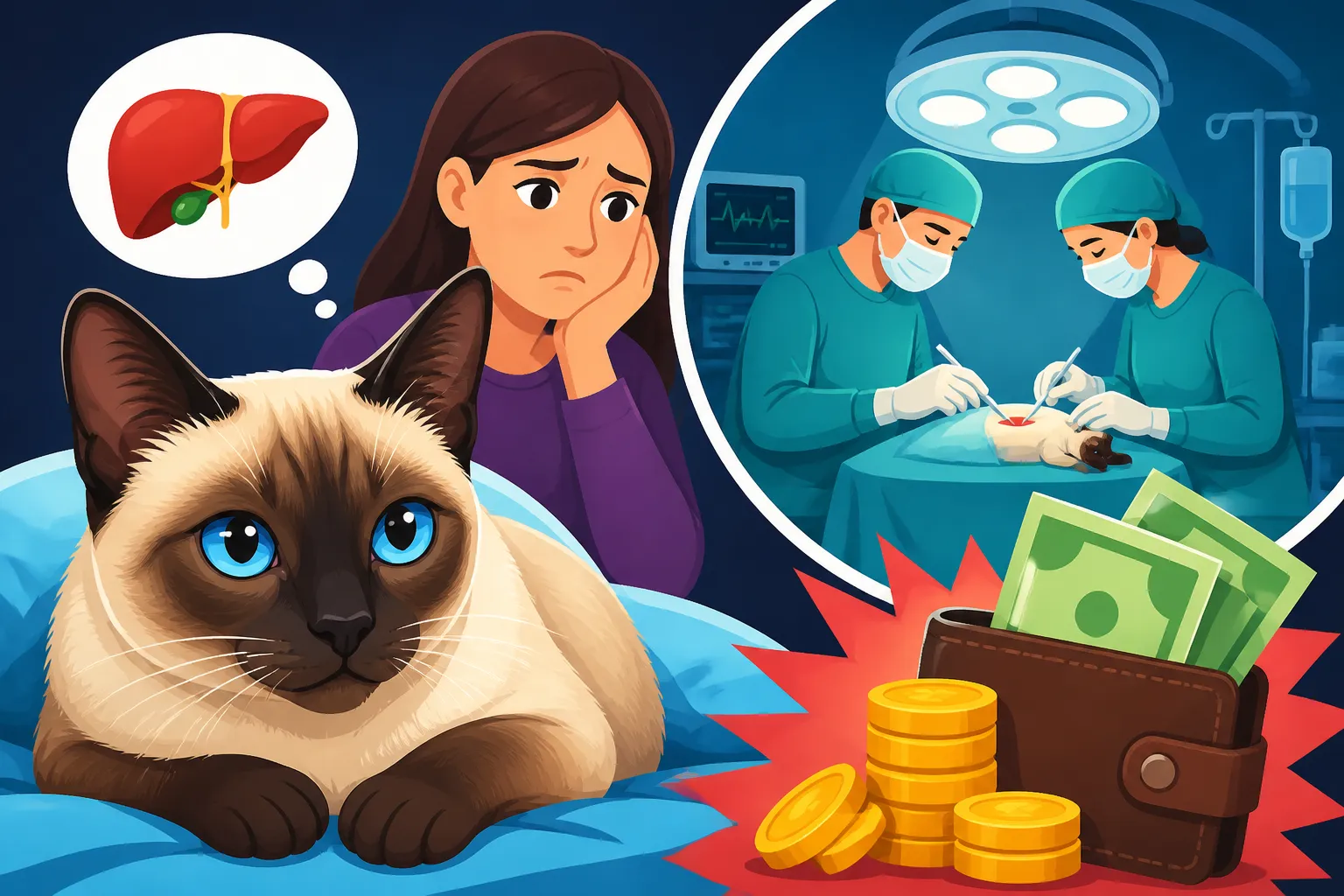
Once the decision for surgery is made, the focus shifts to the operating room. This is where the core of the surgical cost lies. The procedure, typically an exploratory laparotomy, involves opening the abdomen to directly visualize the liver, identify the ruptured lobe, and control the bleeding. In many cases of liver rupture due to amyloidosis, a liver lobectomy – the surgical removal of the affected liver lobe – is necessary. This is a delicate and complex surgery requiring a highly skilled veterinary surgeon, often a board-certified specialist, and an experienced surgical team.
The costs associated with the surgery include the surgeon's fee, the anesthesia protocol (including the anesthesiologist or technician, monitoring equipment, and anesthetic drugs), and the operating room use itself. Consumables like sutures, sterile drapes, and specialized instruments also factor in. Given the potential for massive blood loss, a blood transfusion might be necessary during surgery, which adds another significant cost layer. The intricacy of liver surgery, coupled with the inherent risks of working on an organ prone to bleeding, means that this part of the bill will be substantial. It's not just the act of cutting and sewing; it's the expertise, the equipment, and the intense focus required to save your cat's life.
Post-Operative Care and Recovery
The surgery is only half the battle. The post-operative period is equally critical and often accounts for a significant portion of the total expense. Your Siamese cat will require intensive care following liver surgery. This usually means a stay in the intensive care unit (ICU) for several days, sometimes longer, depending on their recovery trajectory. During this time, they'll be on continuous IV fluids, receiving multiple medications for pain management, antibiotics to prevent infection, and potentially drugs to support liver function.
Constant monitoring by veterinary technicians is essential, checking vital signs, blood pressure, urine output, and incision sites. Blood tests will be repeated frequently to ensure stability and detect any complications early. Special feeding protocols, often involving appetite stimulants or even a feeding tube if your cat isn't eating, might be necessary. Should complications arise, such as further bleeding, infection, or issues with other organs like the kidneys, the length of hospitalization and the complexity of care will increase dramatically, pushing costs higher. The journey from the operating table to stable recovery is fraught with potential pitfalls, and each day of specialized care contributes to the final financial tally.
Factors Influencing the Final Bill
When you receive the bill for your Siamese cat's emergency liver surgery, it can feel like a punch to the gut, on top of the emotional stress. Several variables come into play that can drastically swing the final figures, and being aware of them can help you understand the landscape of these significant expenses.
Geographical Location and Clinic Type
Just like human healthcare, veterinary costs can vary significantly based on where you live and the type of facility providing care. An emergency veterinary hospital in a major metropolitan area, like New York City or Los Angeles, will almost certainly have higher overheads and thus higher charges than a clinic in a smaller town or rural setting. The cost of rent, utilities, staff salaries, and specialized equipment all factor into the pricing structure.
Furthermore, the type of clinic makes a huge difference. An emergency referral hospital with board-certified surgeons and a 24/7 ICU will naturally be more expensive than a general practice veterinarian who might stabilize your cat before referring them out. While your local vet is invaluable for routine care, a liver rupture often requires the advanced capabilities and specialized expertise of a larger emergency and specialty center. These facilities offer a higher level of critical care, but that sophistication comes with a price tag. It's a difficult choice when faced with an emergency, but often, the specialized care is exactly what your Siamese needs for the best outcome.
Severity of the Rupture and Complications
The extent of the liver damage and the presence of any complications are huge determinants of the final cost. A small, relatively contained rupture in a single liver lobe that can be quickly removed will generally be less expensive to treat than a massive rupture with extensive internal bleeding, requiring multiple blood transfusions and an arduous surgical procedure. If your Siamese cat is already in shock, or if other organs, particularly the kidneys, are also affected by amyloidosis – a possibility, as What Systemic Amyloidosis Does to a Siamese Cat's Kidneys can be severe – the complexity and length of treatment increase exponentially.
Post-operative complications, such as infection, further bleeding, or issues with kidney function (which can be a concern with severe blood loss and anesthesia), will necessitate extended hospitalization, additional diagnostic tests, and more intensive medical management. Each complication adds new procedures, medications, and days in the ICU, directly impacting the final bill. The more stable your cat is going into surgery, and the smoother their recovery, the less the overall cost is likely to be.
The Role of Pet Insurance and Financial Planning
This is where pet insurance can truly shine, or sometimes, disappoint. If you have a comprehensive pet insurance policy, it can significantly ease the financial burden of emergency liver surgery. Policies like those offered by Healthy Paws often cover a percentage of emergency veterinary care, including diagnostics, surgery, and hospitalization, after your deductible is met. However, there's a crucial caveat: pre-existing conditions. Since amyloidosis is an inherited condition in Siamese cats, an insurance policy might not cover it if the signs of the disease appeared before your policy's waiting period or enrollment. It's vital to review your policy details carefully and understand its limitations regarding inherited or pre-existing conditions. For example, Whether Insurance Pays for a Siamese Cat's Liver Rupture will depend entirely on the specifics of your plan and your cat's medical history.
Even without insurance, proactive financial planning is crucial. Having an emergency fund specifically for pet care, or access to credit lines like CareCredit, can make a world of difference when faced with such an urgent situation. Some veterinary hospitals may offer payment plans or work with you to prioritize necessary care. It's a conversation you shouldn't be afraid to have with your veterinary team, even in the midst of crisis.
| Cost Category | Description | Estimated Cost Impact |
|---|---|---|
| Initial Emergency Exam | Triage, physical exam, initial pain meds, IV access | Moderate |
| Diagnostics | Blood tests (CBC, chemistry, clotting), X-rays, emergency ultrasound | High |
| Stabilization | IV fluids, oxygen, blood transfusions (if needed), anti-shock medications | High to Very High |
| Surgical Procedure | Surgeon's fee, anesthesia, operating room, materials, surgical team | Very High |
| Post-Operative ICU | Daily hospitalization, continuous monitoring, IV meds, pain management, re-tests | High (per day) |
| Medications (Take-Home) | Antibiotics, pain relief, liver support, appetite stimulants | Moderate |
| Follow-up Visits | Recheck exams, suture removal, further diagnostics | Low to Moderate |
This table provides a qualitative estimate of cost impact. Actual costs will vary widely based on location, facility, and individual case complexity.
Beyond the Surgery: Long-Term Care and Prevention
Surviving emergency liver surgery is a tremendous hurdle, but it's often just the beginning of a lifelong journey of careful management for your Siamese cat. The underlying cause, usually amyloidosis, doesn't disappear with the removal of a ruptured liver lobe. Long-term care focuses on managing this chronic condition and supporting overall health, which also comes with its own set of ongoing considerations and costs.
Managing the Underlying Condition (Amyloidosis)
If your Siamese cat's liver ruptured due to amyloidosis, the hard truth is that the disease can continue to affect other parts of the liver or even other organs. While there's no cure for amyloidosis, there are strategies to slow its progression and manage its symptoms. This often involves specific dietary changes, medications, and regular veterinary check-ups. Some vets may recommend a low-protein diet or specific supplements to support liver and kidney function. When looking for specialized diets or high-quality ingredients to support your cat's health, online retailers and fresh food services offer options that can cater to specific health needs. These can be excellent resources for finding food that is both palatable and beneficial for a cat with a chronic condition. Discussions about Whether Diet Helps a Siamese Cat With Amyloidosis are ongoing in the veterinary community, and your vet will guide you on the best approach. Regular blood work to monitor liver and kidney enzymes, as well as periodic ultrasounds to check the remaining liver tissue, will become a standard part of your cat's health regimen. These ongoing costs are part of committing to a long-term care plan for a cat with a challenging inherited condition. How Long a Siamese Cat Lives After an Amyloidosis Diagnosis can be extended with diligent care, but it requires continuous effort and expense.
Emotional and Financial Preparedness
Experiencing a pet emergency like a ruptured liver is emotionally exhausting. The sheer terror of nearly losing your beloved Siamese, combined with the stress of the financial implications, can take a heavy toll. It underscores the critical importance of emotional and financial preparedness for pet ownership, especially with breeds known for certain health predispositions. While we can't predict every illness, understanding the common health issues of your specific breed, like Amyloidosis Is the Disease That Kills Young Siamese Cats, allows for a degree of readiness.
Building an emergency fund, exploring pet insurance options early in your cat's life (before any conditions manifest), and having open conversations with your veterinarian about potential costs and preventative care are all strategies that can provide peace of mind. Even small, regular savings contributions can make a huge difference when an unexpected crisis arises. It’s about being realistic: owning a Siamese cat, while incredibly rewarding, means acknowledging their unique health vulnerabilities and planning accordingly. This foresight won't eliminate the heartbreak of a health crisis, but it can certainly alleviate the additional burden of financial panic, allowing you to focus completely on your cat's recovery.
Disclaimer
This article is for general informational purposes only and does not constitute professional advice. Laws, prices and regulations vary by location and change over time. Consult a qualified professional for guidance on your specific situation.