Whether Insurance Pays for a Siamese Cat’s Liver Rupture
One of the most terrifying things a Siamese cat owner can face is the sudden, catastrophic health crisis. Imagine your vibrant, chatty companion, seemingly fine one moment, collapsing in a heap the next, bleeding internally from a ruptured liver. The emotional toll is immense, but the immediate financial shock can be just as devastating. This guide will walk you through the complex world of pet insurance, exploring whether it truly offers a safety net when a Siamese cat's liver ruptures, and what you need to know to navigate this heartbreaking situation.
The Heartbreaking Reality of Liver Rupture in Siamese Cats
It's a call no one ever wants to get: "Your cat is in critical condition, and we need to act fast." For Siamese cat owners, liver rupture is a very real, very sudden possibility, often stemming from an insidious condition that lies dormant for years.
Understanding Amyloidosis: The Root Cause
The most common reason for a Siamese cat's liver to rupture is a genetic condition called amyloidosis. It’s a truly cruel disease because it doesn't give much warning. Basically, an abnormal protein called amyloid starts to build up in various organs, and for our beloved Meezers, it has a nasty habit of settling in the liver. This amyloid isn't supposed to be there, and over time, it creates a kind of brittle, waxy deposit that weakens the organ's structure. You can imagine how this plays out: a healthy liver is quite resilient, but one riddled with amyloid becomes incredibly fragile, like old, decaying wood.
This weakening can go on for a long time without any outward signs. Your cat might seem perfectly healthy, chasing toys and demanding attention, all while its liver is slowly becoming compromised. Then, one day, a seemingly minor bump, a sudden jump, or even just regular activity can cause that weakened liver wall to simply tear. It's a truly heartbreaking scenario, as the internal bleeding is rapid and life-threatening. Understanding Why Amyloid Builds Up in a Siamese Cat's Liver is crucial for owners, and it helps to explain why this seemingly random event can happen without warning. We also delve into How Amyloid Weakens a Siamese Cat's Liver Wall elsewhere, detailing the cellular damage that occurs.
The Immediate Costs of an Emergency
When a liver rupture occurs, time is of the essence, and so is money. The moment you rush your Siamese to the emergency veterinary clinic, a cascade of urgent and expensive procedures begins. First, the vet needs to stabilize your cat, which might involve IV fluids, oxygen, and pain medication. Then come the diagnostics to pinpoint the problem: blood tests to check for anemia and organ function, and often an emergency ultrasound. An ultrasound is critical here, as it can reveal the internal bleeding and confirm the rupture. These initial steps alone can quickly rack up a bill in the hundreds, if not thousands, of dollars. For details on What a Siamese Cat's Emergency Ultrasound Costs, we have a dedicated article.
If a significant amount of blood has been lost internally, your Siamese may require a blood transfusion, which is another significant expense on top of the already soaring vet bill. The veterinary team will be working against the clock to try and stop the bleeding, assess the damage, and determine if surgery is even an option. The sheer volume of tests, medications, and specialized care means that the cost can escalate frighteningly fast, easily reaching into the many thousands. It’s a situation where you’re making life-or-death decisions under immense emotional pressure, compounded by the looming financial burden. For more on the urgency, consider How Fast a Siamese Cat Dies From a Liver Bleed.
Pet Insurance: A Lifeline or a Loophole Labyrinth?
When faced with a sudden, critical illness like a liver rupture, the hope is that pet insurance will step in and cover the bulk of the expenses. But the reality can be far more complex, turning what you thought was a safety net into a maze of terms and conditions.
What Most Policies Typically Cover (and When They Don't)
Generally speaking, pet insurance policies are designed to cover unexpected accidents and illnesses. A liver rupture, being a sudden and life-threatening medical event, should, in theory, fall squarely within this coverage. Most comprehensive plans will cover diagnostics, emergency care, surgery (if possible), hospitalization, and medication related to such an incident. This is precisely why many of us invest in pet insurance: for those "what if" moments that we hope never come, but prepare for just in case.
However, here’s where the maze begins. The biggest hurdle, almost universally across all pet insurance providers, is the concept of "pre-existing conditions." If your Siamese cat had any signs, symptoms, or a diagnosis of amyloidosis or liver issues before your insurance policy's effective date or during its initial waiting period, then the costs related to a liver rupture due to amyloidosis will almost certainly be excluded from coverage. This is a crucial point that catches many owners off guard. Even if a formal diagnosis wasn't made, if there was any documented "suspicion" of liver disease in their vet records before coverage began, it could be grounds for denial. Companies like Healthy Paws are known for their comprehensive coverage, but even they adhere to strict pre-existing condition guidelines. Also, keep in mind that almost all policies have waiting periods—typically a few days for accidents and a couple of weeks to a month for illnesses—before any coverage kicks in. This means you can't sign up for insurance today and expect coverage for an incident tomorrow.
The Specifics: Inherited Conditions and Genetic Predisposition
Now let’s talk about inherited conditions, which amyloidosis certainly is for Siamese cats. This adds another layer of complexity. Some pet insurance policies have specific clauses or riders regarding hereditary or genetic conditions. A policy might cover an inherited condition if it wasn't present or diagnosed before you enrolled your cat and completed all waiting periods. The challenge with amyloidosis, as mentioned, is that it’s often a silent killer. Your cat might be genetically predisposed, and amyloid protein might be silently building up, without any clinical signs that would warrant a diagnosis in their vet records.
This silent progression can work in your favor if you enrolled your Siamese cat in a comprehensive insurance plan early in their life, before any symptoms or suspicion of amyloidosis arose. If the first time amyloidosis is ever mentioned in their vet records is during the emergency of a liver rupture, then there’s a much stronger case for coverage. However, if your vet records show any notation of elevated liver enzymes, unexplained lethargy, or other vague symptoms that could retrospectively be linked to early amyloidosis, the insurance company might argue it was a pre-existing condition. It's truly a tightrope walk. You can read more about Why Siamese Cat Amyloidosis Is Inherited to understand the genetic aspect, and why it makes insurance claims tricky.
Navigating the Claim Process and Maximizing Your Chances
Making an insurance claim for something as severe as a liver rupture can feel overwhelming when you're already dealing with a critically ill cat. But being prepared and meticulous can make a world of difference in whether your claim is approved.
Documentation is Your Best Friend
When submitting a claim for a Siamese cat's liver rupture, every single piece of documentation from your veterinary clinic becomes critical. We're talking about comprehensive medical records that detail every visit, every symptom observed (or not observed), all diagnostic test results (bloodwork, X-rays, ultrasounds), and the full treatment plan. Imagine your sweet "Luna" collapsing at home. From the moment you arrive at the emergency clinic, ensure that every step, every finding, every decision made by the vet, is clearly noted in her file. This means the date of the emergency, the clinical signs observed, the results of the immediate blood panel (looking at values like red blood cell count, liver enzymes, clotting factors), and the findings from that crucial ultrasound that confirms internal bleeding and the liver tear.
The insurance company will scrutinize these records to establish a timeline. They're looking for any indication that the underlying condition (amyloidosis) was present or suspected before your policy started or during the waiting period. If your cat's records are pristine and show no history of liver issues prior to the policy's effective date, your claim stands a much stronger chance. It’s also important to keep copies of all your invoices and receipts. When you submit your claim, you'll typically fill out a form detailing the incident and upload or mail these documents. The more complete and clear your documentation, the smoother the process will likely be, and the less back-and-forth you’ll have with the insurer.
Understanding Exclusions and Appeals
Despite your best efforts with documentation, there’s always a possibility that your claim for a liver rupture might be denied. This can be absolutely crushing, especially when you’ve been through so much. The denial letter will state the reason, and it’s usually related to a "pre-existing condition" or a claim made during a waiting period. It's vital to read this letter carefully and understand precisely why the claim was denied. Don't just accept it at face value.
If you believe the denial is unfair—for instance, if the insurance company is citing a vague symptom from years ago that was never definitively linked to liver disease, or if your vet confirms there was no actual diagnosis of amyloidosis before the policy—you have the right to appeal. This process usually involves submitting a written appeal, often with a letter from your veterinarian supporting your case. Your vet's input is invaluable here, as they can explain the clinical progression (or lack thereof) of the disease and attest that the condition was indeed "unknown" prior to the emergency. Sometimes, an appeal can involve further discussions with the insurance company’s veterinary staff. Companies like Chewy offer platforms where you can compare different insurance providers, and sometimes this comparison research might reveal if certain providers have a more flexible approach to appeals or genetic conditions, though typically the pre-existing clause is quite firm across the industry. Getting professional support in drafting your appeal and reviewing your policy's specifics can significantly improve your chances. It truly becomes an exercise in advocacy for your beloved feline.
Proactive Measures: Before the Emergency Strikes
While we all hope our Siamese cats live long, healthy lives free of such catastrophic events, being prepared is the best way to protect both your cat and your wallet. Thinking ahead can make all the difference.
Choosing the Right Policy for Your Siamese
When you’re looking into pet insurance for your Siamese, it’s not enough to just pick the cheapest or most popular plan. You need to be a detective, asking very specific questions about how they handle breed-specific and inherited conditions. Since amyloidosis is a known issue for Siamese cats, you want to inquire directly: "How does your policy cover conditions like amyloidosis, which has a genetic predisposition in Siamese cats, especially if it's only diagnosed during an emergency like a liver rupture?" Pay close attention to their answers regarding pre-existing conditions and hereditary disease clauses. Some policies might offer specific riders for hereditary conditions that could offer broader coverage, though these often come with an extra cost.
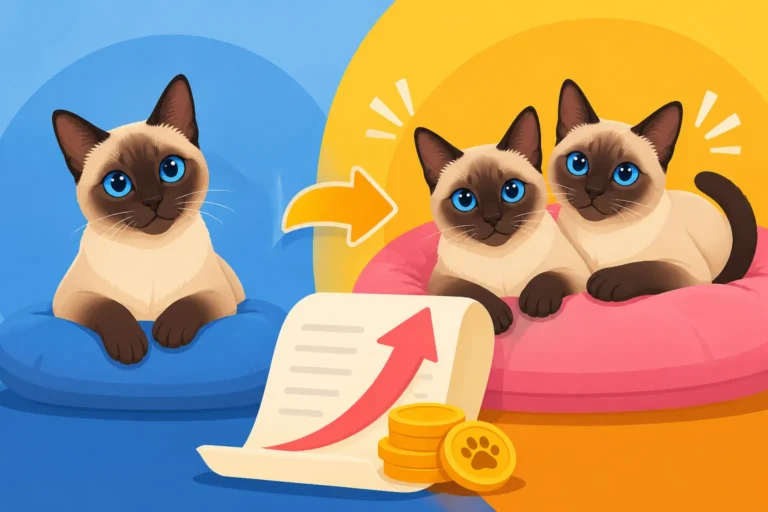
Enrolling your Siamese cat in a comprehensive pet insurance plan as early as possible—ideally when they are a kitten—is your absolute best strategy. The younger and healthier your cat is when you get the policy, the less likely they are to have any documented pre-existing conditions that could exclude future claims. Think of it like this: a healthy kitten has a clean slate, making it much harder for an insurer to claim a later-developing condition was "pre-existing." For those wondering about the initial investment, remember What a Siamese Cat Kitten Costs From a Breeder is just the beginning; the ongoing health costs are where insurance truly shines.
Here's a simplified look at key policy features to consider:
| Feature | Description | Impact on Liver Rupture Claim |
|---|---|---|
| Deductible | Amount you pay upfront before insurance kicks in (annual/per incident). | You'll pay this amount first, then reimbursement begins. |
| Reimbursement % | Percentage of the vet bill the insurance company pays back (e.g., 70%, 80%, 90%). | Higher percentage means less out-of-pocket for you. |
| Annual Limit | Maximum amount the policy will pay out in a policy year. | Ensure it's high enough to cover potential liver rupture surgery/care. |
| Waiting Period | Time before coverage starts for accidents and illnesses. | Critical: must be satisfied before the incident occurs. |
| Pre-existing Cond. | Conditions diagnosed or showing symptoms before policy starts. | Crucial: Amyloidosis-related rupture likely excluded if documented prior. |
Beyond Insurance: Emergency Funds and Preventative Care
While pet insurance is a fantastic tool, it's never a complete solution. There will always be out-of-pocket costs, whether it's your deductible, co-pays, or expenses that fall outside your policy's limits. That's why building a dedicated emergency fund for your Siamese cat is incredibly important. Even a few hundred dollars set aside each month can quickly grow into a substantial cushion that can cover those immediate emergency room fees or your policy's deductible when a crisis hits. You never want to be in a position where financial limitations dictate the level of care your beloved companion can receive.
Beyond money, consistent, high-quality preventative care is paramount. Regular veterinary check-ups are not just about vaccinations; they are an opportunity for your vet to establish a baseline of health and potentially spot subtle changes that could indicate emerging issues. While amyloidosis is notoriously difficult to detect early, consistent veterinary records showing a history of good health can only strengthen your case with an insurance provider if an issue does arise. High-quality nutrition also contributes to overall well-being, potentially reducing the likelihood of other health problems, even if it can’t prevent a genetic condition. Remember, every dollar invested in preventative care and an emergency fund is an investment in your Siamese cat's future.
Disclaimer
This article is for general informational purposes only and does not constitute professional advice. Laws, prices and regulations vary by location and change over time. Consult a qualified professional for guidance on your specific situation.