What a Siamese Cat’s Eye Exam Costs
It’s incredibly worrying when you notice something off with your beloved Siamese cat's eyes. Maybe they’re squinting, or there's a little discharge, or perhaps they're just not as bright as usual. Naturally, your first thought is "What's wrong?" quickly followed by, "And how much is this going to cost me at the vet?" That financial anxiety on top of the concern for your furry friend is a heavy burden. This guide is here to walk you through what to expect when it comes to the costs associated with a Siamese cat eye exam, so you can be prepared and make informed decisions without added stress.
Understanding Why Your Siamese Might Need an Eye Exam
When it comes to your Siamese cat’s eyes, it’s not always a dramatic injury that sends you to the vet. Sometimes it's a nagging feeling, other times it’s a required check-up. Understanding the different reasons for an eye exam can help you anticipate the scope, and therefore, the cost, of the visit.
Routine Wellness Checks vs. Specific Concerns
Every annual wellness exam for your Siamese cat should include a basic visual inspection of their eyes. Your vet will quickly check for clarity, symmetry, and responsiveness. This quick look is usually bundled into the overall consultation fee and isn't typically an in-depth, specialized eye exam. It's a general health scan, and if anything flags during this quick check, that's when a more detailed eye exam might be recommended.
However, a dedicated eye exam is a completely different ballgame. This happens when there’s a specific problem or a suspicion of an underlying eye condition. For Siamese cats, this can be particularly relevant because they are known to have certain predispositions. For instance, some Siamese cats might exhibit Why a Siamese Cat's Eyes Cross or even nystagmus, a condition where their eyes make repetitive, uncontrolled movements. While these might be common for the breed, any sudden change or new symptom needs careful evaluation.
Signs That Warrant an Urgent Eye Exam
It’s crucial to be vigilant about changes in your Siamese cat’s eyes, as they can sometimes hide discomfort or pain until a condition is quite advanced. If you notice any of these signs, it's time to call your vet immediately for a dedicated eye exam:
- Squinting or Holding an Eye Shut: This is a clear indicator of pain or irritation, suggesting something is bothering their eye, from a foreign object to an ulcer.
- Excessive Tearing or Discharge: A little clear tear is fine, but constant weeping, thick discharge, or any color to it (yellow, green) points to infection or inflammation.
- Redness or Swelling: The whites of their eyes (sclera) or the tissues around the eye appearing red or swollen can indicate conjunctivitis, allergies, or a more serious internal issue.
- Cloudiness or Change in Eye Color: Any haziness, a blue tint, or a noticeable change in the iris color could signal cataracts, glaucoma, or other serious conditions affecting the internal structures of the eye.
- Bumping into Furniture or Disorientation: This is a huge red flag that your cat might be losing its vision. If they suddenly seem clumsy, hesitant to jump, or start navigating by touch more than sight, especially in dim light, it could be a sign of progressive retinal atrophy (PRA), a condition that can affect Siamese cats. Learning The Age a Siamese Cat First Loses Night Vision can help you understand what to watch for.
- Paw Swiping at the Eye: Persistent pawing or rubbing at their face suggests irritation or pain. They’re trying to relieve discomfort, but often just make things worse.
Remember, the sooner you address these symptoms, the better the prognosis and, often, the lower the overall treatment cost, as conditions become more complex and expensive to manage if left untreated.
Breaking Down the Costs of a Standard Eye Exam
When your Siamese needs a dedicated eye exam, it's rarely just one flat fee. The total cost is typically a combination of several components, starting with the basic visit and expanding to specific diagnostic tests.
The Initial Consultation Fee
Every veterinary visit begins with a consultation fee, which is essentially the cost for the veterinarian to examine your cat, take a history from you, and assess the situation. This fee varies widely depending on your geographic location, the type of clinic (e.g., small local practice versus a larger multi-doctor hospital), and whether it's a routine appointment or an emergency visit. A weekend or after-hours emergency consultation will almost always be significantly more expensive than a scheduled appointment during regular business hours.
This initial fee covers the vet's time and expertise in performing a general physical examination, gathering initial observations about your cat's eye condition, and discussing potential causes and next steps. They'll use their clinical judgment to decide which specific eye tests are necessary, which then become additional charges on top of this baseline consultation.
Diagnostic Procedures and Their Individual Costs
Once the initial consultation is complete, your vet will likely recommend a series of diagnostic tests tailored to your Siamese cat's symptoms. Each of these tests comes with its own cost, contributing to the overall bill.
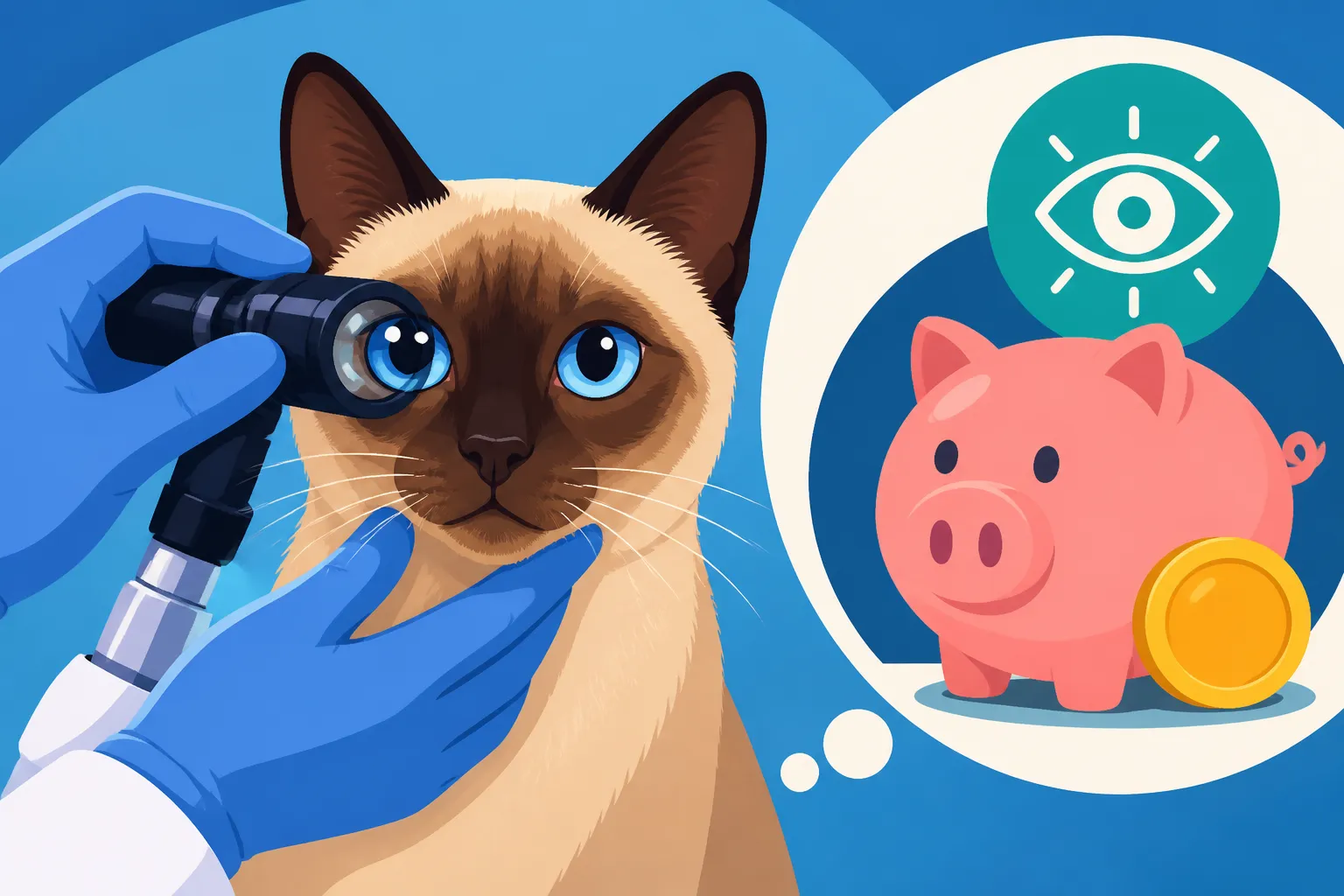
- Ophthalmoscopy: This is a fundamental test where the vet uses a special instrument (an ophthalmoscope) to look inside your cat’s eye, examining the retina, optic nerve, and other internal structures. It helps detect conditions like retinal degeneration or issues with the optic nerve. It’s usually included as part of a comprehensive eye exam fee.
- Tonometry: This test measures the intraocular pressure (IOP) within the eye. It's crucial for diagnosing and monitoring glaucoma, a painful condition where pressure builds up in the eye, and uveitis, an inflammation inside the eye. The vet will gently touch a special probe to your cat's cornea after applying a numbing drop.
- Schirmer Tear Test: If dry eye is suspected, this test measures tear production. A small strip of filter paper is placed inside the lower eyelid for a minute, and the amount of moisture absorbed is measured. It's a simple, quick test that can rule out or confirm inadequate tear production.
- Fluorescein Staining: This is a common test to check for corneal ulcers or abrasions. A harmless orange dye is applied to the eye; if there's any damage to the cornea, the dye will adhere to it and glow bright green under a special blue light. It's essential for diagnosing surface injuries to the eye.
- Slit Lamp Examination: A more advanced visual inspection, often performed by an ophthalmologist, using a slit lamp microscope. This allows for a magnified, detailed view of the anterior and posterior segments of the eye, helping to identify subtle changes in the cornea, lens, iris, and vitreous.
These tests, while individually priced, are often performed in combination to get a complete picture of your cat's eye health. The cost can quickly add up, so don't hesitate to ask your vet for an itemized estimate before they proceed.
Advanced Diagnostics and Specialist Referrals
Sometimes, the initial battery of tests at your regular veterinary clinic isn't enough to get a definitive diagnosis, or the condition is complex enough to require a higher level of expertise. This is when your cat might need a referral to a veterinary ophthalmologist or more advanced diagnostic procedures.
When a Specialist is Needed and Why They Cost More
A veterinary ophthalmologist is a veterinarian who has undergone extensive additional training and certification specifically in the diagnosis and treatment of eye diseases. They have specialized equipment and an in-depth understanding of feline ocular conditions that a general practice vet might not. You'll typically be referred to one if your cat has:
- A complicated eye injury or persistent infection that isn't responding to standard treatment.
- Suspected glaucoma or cataracts requiring advanced surgical intervention.
- A genetic eye condition, such as progressive retinal atrophy (PRA), which can affect Siamese cats and requires specialized testing for diagnosis. You might want to learn more about What PRA Does to a Siamese Cat's Sight.
- A need for specialized imaging or surgical procedures that your regular vet isn't equipped to perform.
The reason these specialist visits cost more is multifaceted. You're paying for their highly specialized knowledge and years of advanced training, as well as access to state-of-the-art diagnostic and surgical equipment that general practices simply don't have. Their consultation fees alone will be higher, and any procedures they perform will reflect their specialized nature.
Advanced Imaging and Genetic Testing
Beyond the basic in-house tests, a veterinary ophthalmologist might recommend even more advanced diagnostics to get to the root of a problem.
- Ocular Ultrasound: Just like an ultrasound for other parts of the body, an ocular ultrasound uses sound waves to create images of the internal structures of the eye, especially useful if the cornea or lens is too opaque to see through with an ophthalmoscope. This can detect retinal detachments, tumors, or other abnormalities behind the lens.
- Electroretinography (ERG): This is a specialized test to assess the function of the retina. Electrodes are placed near the eye to measure the electrical responses of the retinal cells to flashes of light. It's the definitive test for diagnosing conditions like progressive retinal atrophy (PRA) before clinical signs of blindness are obvious. While there are claims of DNA tests for PRA, for Siamese cats, the situation is complex, and an ERG provides a direct measure of retinal function, which can be crucial for understanding How a Vet Confirms PRA in a Siamese Cat.
- Genetic Testing: While there isn't a universally reliable genetic test for all Siamese-specific eye issues, for some breeds and conditions, genetic tests can identify carriers or affected individuals. However, for conditions like PRA in Siamese cats, the available DNA tests have proven unreliable, as discussed in Whether the rdAc DNA Test Works on a Siamese Cat. Therefore, a genetic test for a Siamese cat's eye problem would be specific to what the ophthalmologist suspects and might not always be available or accurate for every condition. Discuss with your specialist whether any genetic testing is truly relevant and beneficial for your particular cat.
Factors Influencing the Total Cost
The sticker price for a Siamese cat eye exam isn't fixed; it's a dynamic figure influenced by several variables beyond just the specific tests performed. Understanding these factors can help you better prepare for the financial aspect of your cat's care.
Geographic Location and Clinic Type
Where you live can have a significant impact on veterinary costs. Clinics in major metropolitan areas, for instance, generally have higher overheads (rent, staff salaries) than those in rural or suburban settings, and these costs are passed on to the clients. A routine eye exam in downtown San Francisco will likely cost more than the same exam in a small town in, say, rural Ohio.
Furthermore, the type of clinic makes a difference. A small, independent veterinary practice might have different pricing than a large corporate-owned chain or a university veterinary teaching hospital. Emergency veterinary clinics, which operate 24/7, also charge premium rates for their services, especially for after-hours appointments, because of the immediate availability and specialized staffing required. If your Siamese has an eye emergency on a Sunday night, expect the bill to reflect that urgency.
The Cat's Temperament and Need for Sedation
While Siamese cats are known for their intelligence and often their willingness to "cooperate" (on their terms, of course!), not all cats are keen on having their eyes poked and prodded. A stressed, anxious, or uncooperative cat can make a thorough eye examination difficult, if not impossible. In such cases, your vet may recommend mild sedation to ensure they can perform the necessary tests accurately and safely, both for your cat and for the veterinary staff.
Sedation, even mild, adds another line item to your bill. It involves administering medication, monitoring your cat during the sedation, and the recovery process. While nobody wants their cat to be sedated, it's sometimes a necessary step to get an accurate diagnosis, which ultimately benefits your cat's health. Discuss with your vet if they anticipate your cat might need sedation and factor that into your estimated cost.
Follow-Up Visits and Medication
An eye exam is often just the beginning of the journey, not the end. Once a diagnosis is made, treatment often involves medication and subsequent follow-up visits to monitor progress and ensure the condition is resolving.
- Medication Costs: Depending on the diagnosis, your Siamese might need eye drops, ointments, oral antibiotics, anti-inflammatories, or pain relief. These medications come at an additional cost, and some treatments might be long-term, requiring refills over weeks or months. For instance, if your cat is diagnosed with a chronic condition like uveitis, they might need ongoing medication.
- Follow-Up Exams: It's common for vets to require one or more re-check appointments to assess how your cat is responding to treatment. These follow-up visits typically incur a reduced consultation fee compared to the initial exam, but they are still an additional expense. These check-ups are vital to ensure the problem is truly resolving and to make any necessary adjustments to the treatment plan.
Strategies to Manage Siamese Cat Eye Exam Costs
Concern over veterinary costs is a huge stressor for pet parents. While you can't predict every health issue, there are proactive steps you can take to manage the financial implications of your Siamese cat's eye care.
Pet Insurance: A Lifeline or a Luxury?
Pet insurance is one of the most common ways people try to offset unexpected veterinary bills. For a breed like the Siamese, known for certain predispositions, it can offer peace of mind. Many pet insurance providers, such as Healthy Paws, offer accident and illness plans that could cover a significant portion of diagnostic tests, specialist consultations, and prescribed medications related to eye conditions. However, it's crucial to understand the fine print.
Most pet insurance policies come with a waiting period before coverage kicks in, and they generally do not cover pre-existing conditions. This means if your Siamese already has a diagnosed eye issue before you enroll, subsequent treatment for that specific problem might not be covered. You'll also encounter deductibles (the amount you pay before insurance starts covering costs) and reimbursement percentages (the portion of the vet bill the insurer pays). It's wise to compare several plans to see what suits your budget and your Siamese cat's potential needs. Think of it as a financial safety net for the unknown. For a broader look at costs, check out What Insuring a Siamese Cat Costs a Month.
Wellness Plans and Budgeting
Some veterinary clinics offer their own in-house wellness plans. These are often subscription-based programs that bundle routine care – like annual exams, vaccinations, and sometimes even basic diagnostics – into a predictable monthly payment. While they might not cover a major emergency eye surgery, they can help cover the cost of the initial wellness check where an eye issue might first be spotted, or a routine re-check.
Beyond formal plans, simply budgeting for your pet's healthcare is paramount. Setting aside a dedicated amount each month into an emergency fund for your cat can make a world of difference when an unexpected bill arrives. Even $20-$50 a month can accumulate quickly, providing a cushion for situations like an urgent eye exam or other health concerns. Knowing What a Siamese Cat Costs Over Twenty Years can really help put these savings into perspective over their lifetime.
Preventative Care and Early Detection
The old adage "an ounce of prevention is worth a pound of cure" certainly applies to your Siamese cat's eye health. While not all conditions are preventable, good general health practices can reduce the risk of secondary issues and make early detection much easier.
- Regular Home Checks: Make it a habit to gently examine your Siamese cat's eyes at home. Look for clarity, discharge, redness, or any signs of discomfort. If you notice a subtle change, monitor it closely.
- Optimal Nutrition: Feeding a high-quality, balanced diet supports overall health, including eye health. Good nutrition boosts the immune system, which can help your cat fend off infections that might lead to eye problems.
- Prompt Vet Visits: Don't delay. If you notice any concerning symptoms, even seemingly minor ones, schedule a vet visit promptly. Addressing issues when they are small and manageable is almost always less expensive and less stressful for your cat than waiting until they become advanced and require intensive intervention. Regular wellness exams, as discussed in How Often a Siamese Cat Needs a Wellness Exam, are key to catching things early.
- Safe Environment: Keep your home safe from potential eye hazards. This means securing sharp objects, avoiding irritating sprays or strong fumes, and ensuring any plants in your home are cat-safe.
By being proactive and financially prepared, you can ensure your beloved Siamese receives the best possible eye care without adding unnecessary strain to your wallet or your peace of mind.
Here’s a quick overview of potential costs you might encounter during a Siamese cat eye exam:
| Service/Procedure | Description | Typical Scope |
|---|---|---|
| Initial Consultation/Exam Fee | Basic veterinary visit, physical exam, discussion of symptoms. | Mandatory for any vet visit, variable by location and urgency. |
| Ophthalmoscopy | Visual inspection of the internal eye structures (retina, optic nerve). | Often included in a comprehensive eye exam fee at general practice. |
| Tonometry | Measures intraocular pressure for glaucoma detection. | Requires a specialized device; usually an add-on cost. |
| Schirmer Tear Test | Measures tear production to diagnose dry eye. | Simple, quick test; usually a low add-on cost. |
| Fluorescein Staining | Detects corneal ulcers or abrasions. | Simple, quick test; usually a low add-on cost. |
| Slit Lamp Examination | Detailed, magnified view of eye segments (cornea, lens, iris). | Typically performed by specialists; higher add-on cost. |
| Ocular Ultrasound | Imaging of internal eye structures using sound waves. | Advanced diagnostic; higher add-on cost, often with a specialist. |
| Electroretinography (ERG) | Measures retinal function; definitive for PRA. | Highly specialized; performed by ophthalmologists, significant add-on cost. |
| Sedation | Mild calming medication for uncooperative cats during exams. | Added cost for medication, administration, and monitoring. |
| Follow-Up Visits | Re-checks to monitor treatment progress. | Often a reduced consultation fee after the initial visit. |
| Prescription Medications | Eye drops, ointments, oral meds for treatment. | Varies widely by medication type, dosage, and duration. |
Disclaimer
This article is for general informational purposes only and does not constitute professional advice. Laws, prices and regulations vary by location and change over time. Consult a qualified professional for guidance on your specific situation.