Whether a Male Siamese Cat Is Louder Than a Female
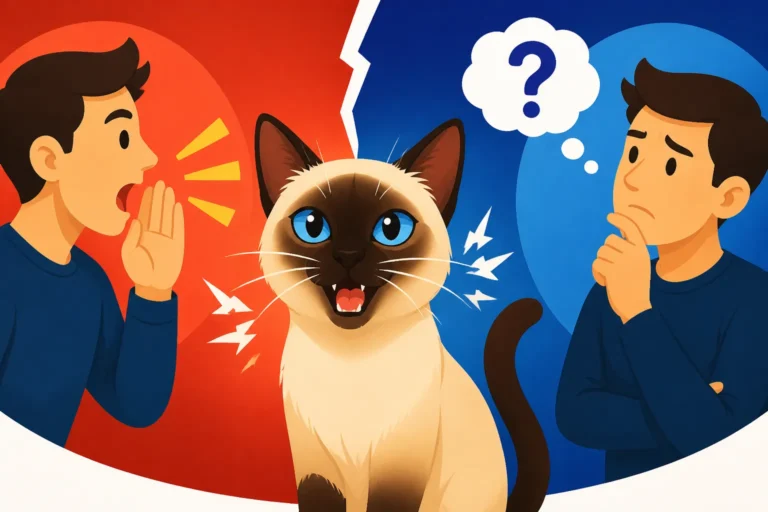
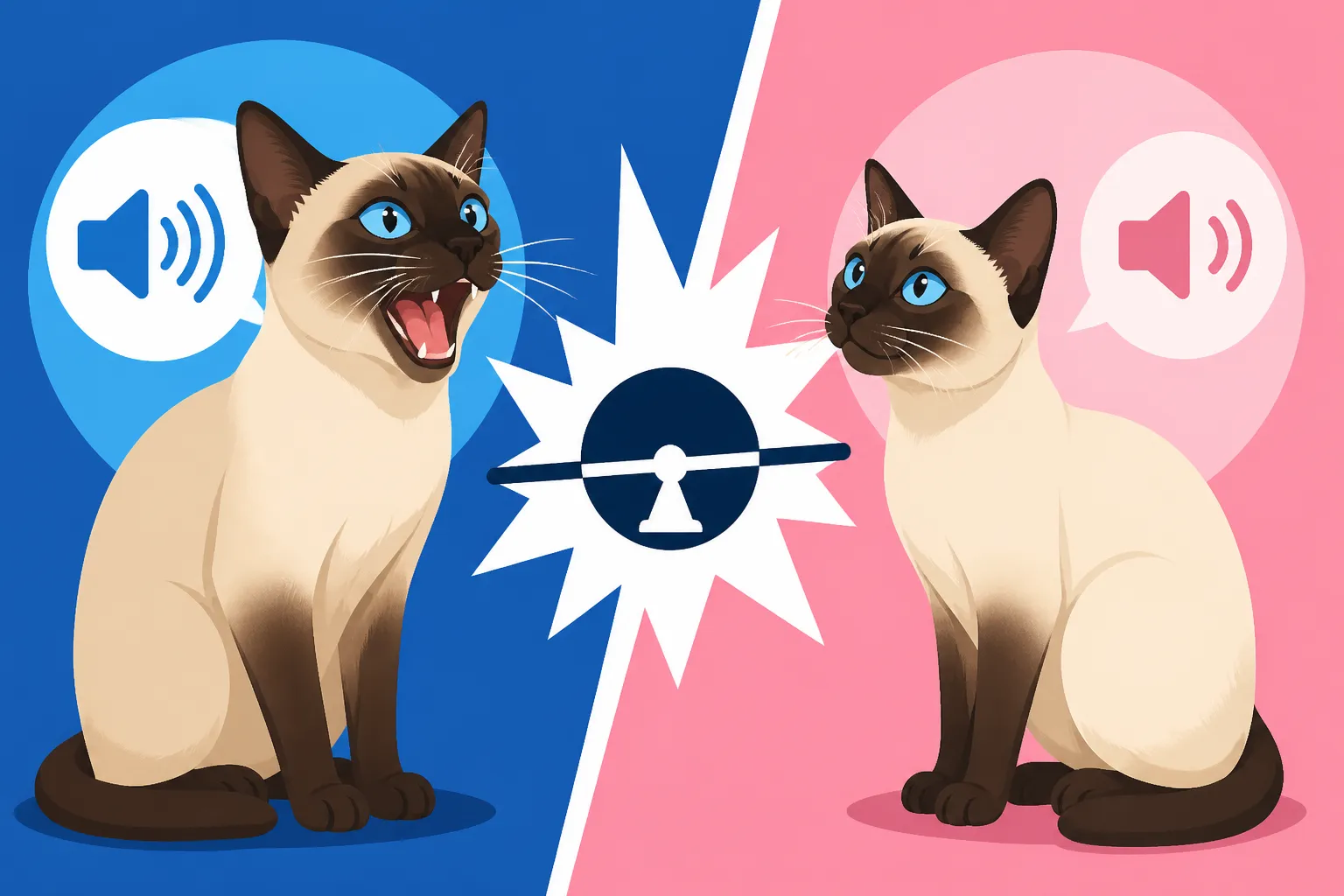
It's a common query among prospective Siamese cat owners, or even those already living with one of these vocal beauties: "Is a male Siamese cat inherently louder than a female?" The truth is, while there are some nuances related to hormones and reproductive status, the real answer is often much more complex than a simple yes or no. This guide will delve into the factors that truly shape a Siamese cat's vocal habits, helping you understand what makes these chatty felines tick, regardless of their gender.
The Siamese Cat's Signature Vocalizations: More Than Just a Meow
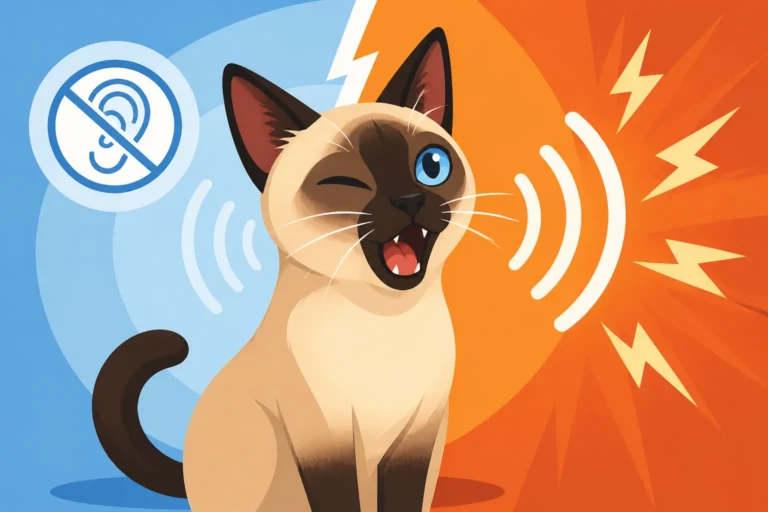
Let's be clear from the start: Siamese cats are renowned for their voices. They aren't just meowers; they are conversationalists, opinion-holders, and often, quite the dramatists. If you've ever heard a Siamese, you know they possess a unique vocal range that can go from a gentle chirrup to a full-blown, ear-splitting yowl. This isn't just a quirk; it's a fundamental part of their breed identity.
Understanding the "Meezer Yowl"
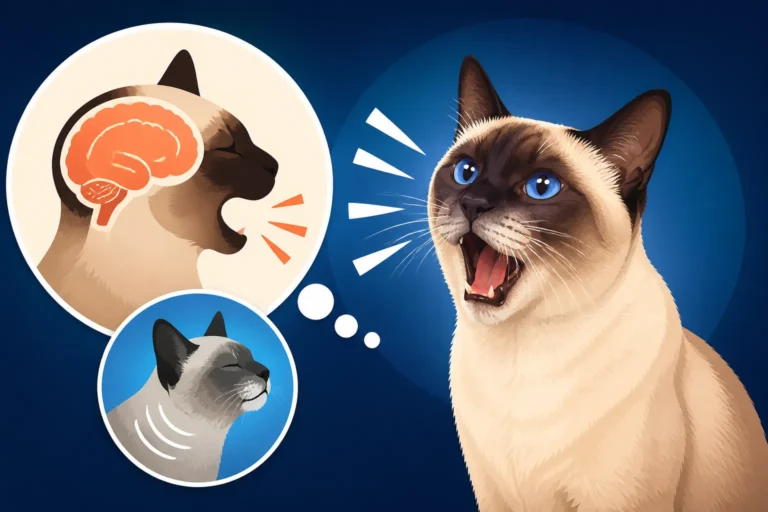
The term "Meezer Yowl" isn't an exaggeration; it's a description born from experience. A Siamese cat doesn't just meow for food or attention; they engage in full-throated conversations, lament about perceived injustices (like a closed door or an empty food bowl), and generally make their presence known. The Siamese Cat Talks and Expects an Answer isn't just a clever title; it's a daily reality for Siamese owners. They're not just making noise; they're communicating, expressing their deep bond with their humans, and asserting their place in the household. This inherent vocal nature is deeply ingrained in the breed, and it's something every potential owner should be aware of.
Their vocalizations aren't monotone either. You'll hear a variety of sounds: chirps of contentment, trills of inquiry, purrs that vibrate through your entire lap, and of course, that distinctive, often quite loud, yowl. What the Siamese Cat's Meezer Yowl Sounds Like can vary greatly from one individual to another, with some having deeper, more resonant voices and others a higher, more piercing tone. This rich vocabulary is one of the most charming, if sometimes overwhelming, aspects of living with a Siamese.
Factors Influencing Vocalization Beyond Sex
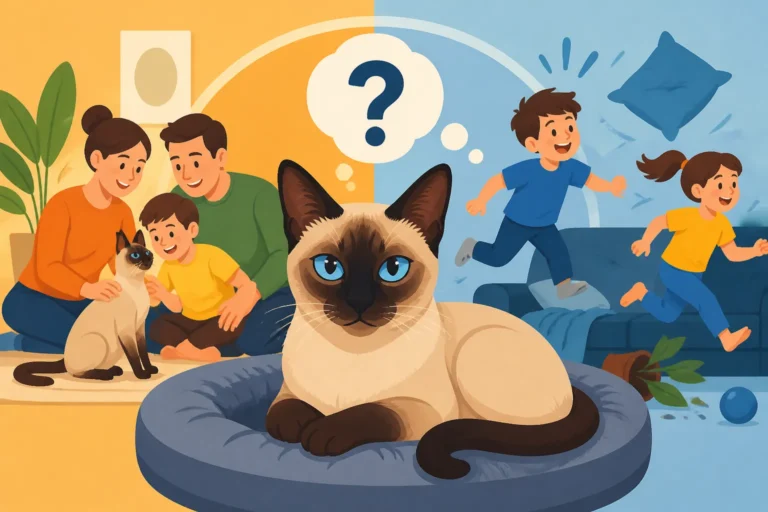
While we often focus on gender, many other elements play a significant role in how vocal any individual Siamese cat becomes. Their personality is paramount; some Siamese are naturally more reserved, while others are extroverted chatterboxes from kittenhood. The environment they live in also matters immensely. A cat in a quiet home might seem louder simply because their voice stands out, while a cat in a bustling family might learn to be more assertive to be heard.
Boredom and attention-seeking are massive drivers of vocalization for these intelligent and highly social cats. A Siamese left alone for long periods without adequate stimulation is very likely to become more vocal, using their voice as a means to alleviate loneliness or demand interaction. Changes in routine, stress, or even discomfort can also manifest as increased vocalization. It's crucial for owners to learn to interpret why their Siamese is being vocal, rather than simply labeling them as "loud." Why a Siamese Cat Meows So Much often boils down to an unmet need or a desire for connection.
Gender and Hormones: Why Intact Cats Might Seem Louder
When people discuss male versus female vocal differences in cats, they're often thinking of intact (unneutered or unspayed) animals. This is where hormones truly play a significant, albeit temporary, role in a cat's vocal output.
The Hormonal Influence in Intact Cats
For intact female Siamese cats, the primary driver of increased vocalization is estrus, commonly known as being "in heat." During this period, which can last for several days and recur every few weeks, a female will engage in persistent, loud, and often quite mournful yowling or calling. This isn't just a normal meow; it's a biological imperative to attract a mate. The sounds are distinct, often described as an incessant, almost desperate plea, accompanied by specific body language like rolling and rubbing. This vocalization is purely hormonal and ceases once the heat cycle is over or the cat is spayed.
Intact male Siamese cats also have their hormonal reasons for being vocal, primarily related to territoriality and seeking out females in heat. An unneutered male might yowl loudly to announce his presence to potential mates or to challenge other males in the vicinity. This vocalization is often deeper and more assertive than a female's heat calls, aimed at establishing dominance and attracting attention. They might also become more vocal due to frustration if they can smell a female in heat but cannot reach her. Both male and female intact cats can also exhibit increased aggression, spraying, and restlessness, all linked to their hormonal state.
Post-Neutering/Spaying: A Leveling of the Field
This is where the gender-based vocalization discussion often hits a turning point. For the vast majority of Siamese cats, neutering (for males) or spaying (for females) significantly reduces, and often eliminates, these hormone-driven vocalizations. Once the reproductive hormones are no longer coursing through their systems, the biological urge to call for a mate or defend territory in a loud, boisterous manner diminishes dramatically. Whether Neutering Quiets a Siamese Cat is a question many owners ponder, and the answer is usually a resounding yes, at least concerning hormonally-induced noise.
After being fixed, any lingering vocal differences between male and female Siamese cats tend to be less about their sex and more about their individual personalities, their environment, and how well their needs are met. A spayed female might still be a chatterbox because that's simply her personality, and a neutered male might be relatively quiet if he's a calm individual. The playing field, in terms of sheer vocal volume and frequency, largely becomes level once the hormonal influences are removed.
Here's a quick comparison of vocalization factors:
| Factor | Intact Female Siamese | Intact Male Siamese | Neutered/Spayed Siamese (Any Sex) |
|---|---|---|---|
| Primary Vocal Driver | Estrus (heat cycle), attracting mates | Territoriality, seeking mates, asserting dominance | Personality, boredom, attention, hunger, stress, pain |
| Typical Sounds | Loud, persistent, mournful yowls, calls, caterwauling | Deep, assertive yowls, challenging cries, "singing" | Wide range: chirps, trills, purrs, demanding meows, complaints |
| Frequency | High during heat cycles (recurrent) | Variable, can be frequent if females are nearby or territorial | Variable, depends on individual and environment |
| Motivation | Biological urge to reproduce | Biological urge to reproduce, territorial assertion | Social interaction, expressing needs/wants, seeking comfort |
| Impact of Fixing | Dramatically reduced/eliminated | Dramatically reduced/eliminated | No direct impact on innate personality-driven vocalization |
Personality and Environment: The True Drivers of Siamese Vocal Volume
Once you move past the hormonal influences, it becomes abundantly clear that individual personality and the cat's living environment are the most significant factors determining how vocal a Siamese cat will be. Gender plays a much smaller role, if any, in a fixed cat.
The Spectrum of Siamese Personalities
Just like people, every Siamese cat is an individual, with their own unique quirks and character traits. Some Siamese are naturally outgoing, boisterous, and demand constant attention with their voices. These are the cats who will follow you from room to room, narrating their day and commenting on yours. They see themselves as an integral, vocal part of the family dynamic, and they expect responses. You might have a male Siamese who is remarkably quiet, preferring to observe from a distance, or a female who is the loudest creature in the house.
I've met both ends of the spectrum in males and females. My friend's neutered male, "Milo," barely makes a peep unless his breakfast is five minutes late, and even then, it's a polite little trill. On the other hand, my neighbor's spayed female, "Cleo," sounds like a foghorn demanding attention, even if you're in the same room. It really comes down to the cat you get. "Individual personality trumps gender in vocal volume" is a phrase you'll hear from experienced Siamese owners time and again because it's simply the truth.
Environmental and Enrichment Factors
A bored or lonely Siamese is a loud Siamese. These cats are incredibly intelligent and social creatures who thrive on interaction and mental stimulation. If they're left alone for extended periods without enough to do, they're going to find ways to entertain themselves, and often that involves their voice. A lack of engaging toys, vertical climbing spaces, or consistent playtime can lead to excessive vocalization as a cry for engagement. This applies equally to male and female Siamese cats.
Consider a scenario: a Siamese cat, male or female, is the only pet in the house. Their human works long hours, and there's not much to keep them busy during the day. When the human finally gets home, the cat lets out a torrent of yowls, demanding playtime, cuddles, and conversation. Is this because they're male or female? No, it's because they're a Siamese cat with a deep need for connection and enrichment that hasn't been adequately met. Providing plenty of interactive toys (many great options are available on Amazon), regular play sessions, and even a companion cat can make a world of difference. A Siamese Cat Should Not Live Alone is advice often given for this very reason, as companionship can reduce loneliness-induced vocalization.
Living Harmoniously: Strategies for Managing Vocal Siamese Cats
If you're finding your Siamese cat's vocalizations a bit overwhelming, the good news is that there are many strategies you can employ to manage them, regardless of whether you have a male or female. The key is to understand the root cause of the vocalization and address it holistically.
Addressing Underlying Needs (Not Just Noise)
Before you try to quiet your Siamese, rule out any underlying issues. Is their litter box clean enough? Is their food bowl truly empty, or have they just decided the bottom bits aren't good enough? Do they have fresh water? Sometimes, a persistent meow is simply a clear communication of a basic need. Make sure their basic care is impeccable. This includes a clean, accessible litter box (consider covered options if they're particularly private, or multiple boxes if you have more than one cat), consistent meal times, and a reliable source of fresh water, perhaps even a water fountain from Amazon that encourages drinking.
Another critical consideration is their health. Any sudden increase in vocalization, especially in an older Siamese, could be a sign of pain, discomfort, or an underlying medical condition like hyperthyroidism or kidney disease. If your normally quiet Siamese suddenly becomes very vocal, a vet visit is absolutely in order to rule out any health concerns. A cat's voice can be a key indicator of their well-being, and it's essential not to dismiss it as "just being a Siamese" if it's a new behavior.
Enrichment and Engagement to Reduce Unnecessary Meows
Boredom is the enemy of a peaceful home with a Siamese cat. These intelligent felines need mental and physical stimulation to be truly content. Incorporate regular, vigorous play sessions into your daily routine. Think wand toys, feather teasers, and anything that mimics hunting behavior. Consider interactive toys that dispense treats or a puzzle feeder for a Siamese cat to keep their minds engaged while you're busy or away. Investing in a sturdy cat tree from Amazon that offers vertical territory and scratching opportunities can also help a great deal.
Rotating toys regularly can keep things fresh and exciting, preventing your cat from getting bored with the same old options. Creating a "catio" or secure outdoor enclosure can provide safe outdoor stimulation, offering new sights, sounds, and smells that can enrich their lives immensely and reduce indoor boredom-induced vocalizations. Remember, How Much Play a Siamese Cat Needs is often more than what other breeds require; their high energy and intelligence demand it. A truly happy and stimulated Siamese is less likely to resort to constant yowling out of sheer lack of anything better to do.
The Role of Training and Consistency
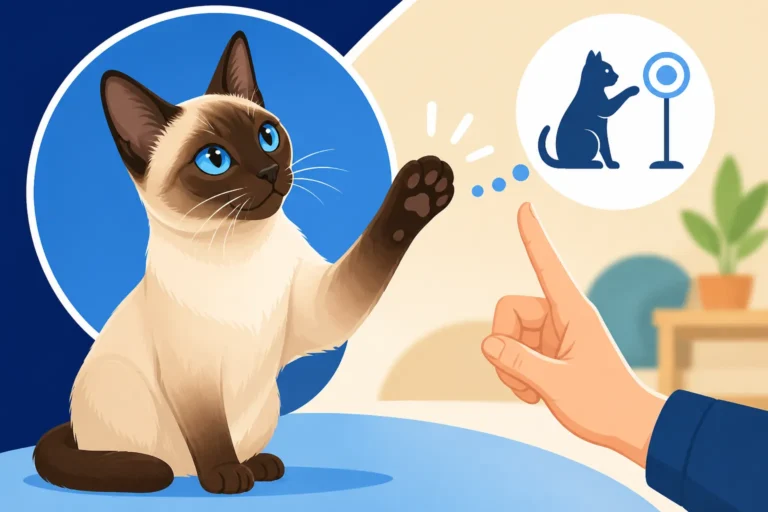
Yes, you can absolutely train a Siamese cat, even one who is very vocal! While you'll never completely silence them (and frankly, why would you want to?), you can teach them to moderate their vocalizations or to communicate in more appropriate ways. Positive reinforcement is your best friend here. When your cat is quiet, reward them with attention, treats, or praise. When they are excessively vocal, try to ignore the behavior, only rewarding them when they settle down. This teaches them that calm behavior gets results, while loud demands do not.
Consistency is key. If you sometimes give in to persistent meows, you're inadvertently reinforcing the behavior. Everyone in the household needs to be on the same page. You can also teach a "quiet" command, using clicker training to associate silence with a reward. How to train a Siamese cat to meow less involves patience and understanding, focusing on redirecting their innate communication drive rather than suppressing it entirely. It's about building a better communication system with your clever feline friend. For more specific training aids, items like clickers or treat pouches are readily available on Amazon. Ultimately, living with a Siamese cat is a journey of understanding and adaptation, where you learn to appreciate their unique voice while gently guiding them towards a harmonious coexistence. Whether a Siamese Cat Is Right for You often comes down to your willingness to embrace their vibrant personality, including their remarkable vocal talents.
Disclaimer
This article is for general informational purposes only and does not constitute professional advice. Laws, prices and regulations vary by location and change over time. Consult a qualified professional for guidance on your specific situation.