Whether an Applehead Siamese Cat Is Quieter
One of the most common questions I hear from folks considering a Siamese cat, especially if they've heard the stories about their vocal prowess, is whether the charming, rounder-faced Applehead Siamese is a quieter option than their more angular, modern counterparts. It's a valid concern because, let's be honest, the legendary Siamese "meezer yowl" isn't for everyone! This guide will dive deep into whether the Applehead truly lives up to a reputation for being less vocally demanding, exploring the factors that influence a Siamese cat's chattiness, regardless of their head shape, and offering practical advice for living harmoniously with these beautiful, talkative companions.
The Myth and Reality of Siamese Vocalization
Let's set the record straight: Siamese cats, as a breed, are renowned for their voices. It's part of their unique charm, a hallmark that many enthusiasts adore, but also a characteristic that can catch new owners off guard. There’s a prevailing idea that the traditional, or "Applehead," Siamese is somehow less vocal than the sleek, wedge-headed modern Siamese. Is there any truth to this, or is it just wishful thinking?
The Stereotype of the "Loud" Siamese
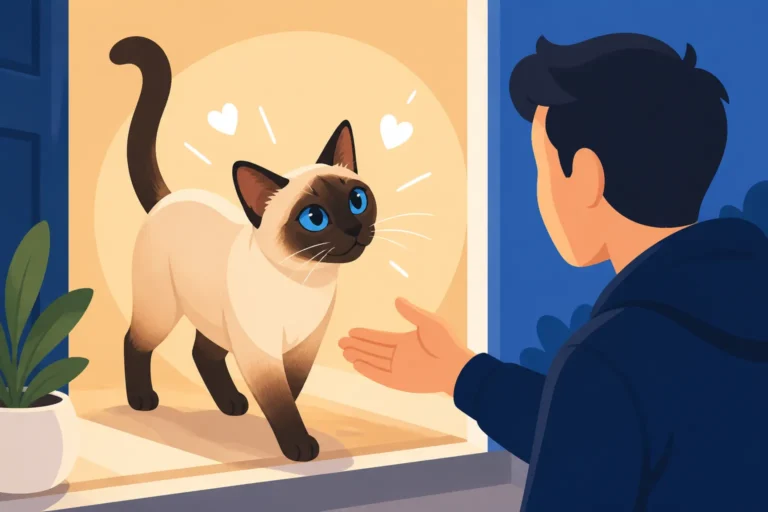
The image of the demanding, constantly chattering Siamese is deeply ingrained in cat lore, and honestly, it's often deserved. These aren't your silent, aloof feline companions. Siamese cats are highly intelligent, deeply social, and incredibly communicative. They don't just meow; they yowl, chirp, trill, and engage in full-blown conversations. If you've ever heard a Siamese cat in full cry, you know it's a sound that commands attention. Many owners will tell you that their Siamese sees themselves as an active participant in all household discussions, offering commentary on everything from the state of their food bowl to the perceived injustice of a closed door. It's a powerful and unique aspect of their personality. Many people wonder What the Siamese Cat's Meezer Yowl Sounds Like, and trust me, once you hear it, you won't forget it.
What Influences a Siamese Cat's Voice
While the breed as a whole is vocal, individual cats within the breed can vary wildly. Think of it like people in a family – some are naturally quiet, others are boisterous, even if they share genes. Several factors contribute to how vocal any Siamese cat might be:
- Genetics: Yes, vocalization has a genetic component. Some lines of Siamese cats are simply bred to be more chatty than others. A responsible breeder will often be able to give you an idea of the temperament and vocal tendencies of the kitten's parents.
- Personality: Just like humans, every cat has a unique personality. Some Siamese are naturally more outgoing and expressive, while others might be a bit more reserved, even if they still communicate.
- Environment and Upbringing: A cat raised in a quiet, less interactive home might learn to be less vocal because there's less to "talk" about. Conversely, a cat in a busy, responsive household might learn that vocalization gets results and become quite the chatterbox.
- Attention Seeking: Siamese cats crave interaction. If they learn that a loud meow gets them attention, food, or play, they will absolutely use it. This isn't manipulation; it's smart feline communication!
- Needs and Wants: A cat will vocalize to tell you when they're hungry, thirsty, need a clean litter box, or want to play. Persistent meowing can also be a sign of discomfort, pain, or illness. It's crucial to learn to distinguish their routine chatter from calls for help. For example, When a Siamese Cat's Meowing Means Pain is a critical skill for any owner.
Applehead vs. Modern Siamese: Dissecting Vocal Differences
The idea that Applehead Siamese cats are quieter often stems from a broader perception that they are "less extreme" in all their traits compared to the modern wedge-headed variety. Let's explore where this notion comes from and what owner experiences actually tell us.
Historical Context of Siamese Vocalization
The Siamese cat, in its earliest forms, was always known for its voice. Descriptions from Thailand (then Siam) and early Western accounts consistently mention their unique and demanding vocalizations. The "Applehead" or "traditional" Siamese represents the look of the breed before selective breeding for the extreme wedge-shaped head and slender body became prevalent in the mid-20th century. So, while their appearance might be less extreme, there's no strong historical evidence to suggest that the original Siamese, which the Applehead closely resembles, was inherently silent. The vocal nature is deeply woven into the fabric of the breed itself, not just a trait that appeared with the modern look. Early breeders simply accepted the vocal nature as part of the package.
Anecdotal Evidence and Owner Experiences
Many owners of Applehead Siamese cats will swear their feline companions are indeed quieter than the modern "Meezers" they've encountered or heard about. They often describe their Appleheads as having a softer, less piercing meow, more akin to a gentle chirp or a conversational trill rather than the notorious yowl. However, these are often personal observations, not scientifically proven facts.
On the flip side, you'll find plenty of Applehead owners who can attest to their cat's incredible vocal range and volume, proving that individual variation is king. The truth is, while some might perceive a subtle difference, it's not a universal guarantee. You might get an Applehead Siamese that's a quiet observer, or you might get one that loudly demands your attention at 3 AM. It really boils down to the individual cat. It's similar to asking Whether Every Siamese Cat Is Vocal; the answer is usually yes, but to what degree varies wildly.
Physical Differences and Their Potential Impact
Is there any physical reason an Applehead might be less vocally inclined? Some theories suggest that the more moderate head structure of the Applehead, including a less extreme throat and jawline, could theoretically lead to a less resonant or piercing sound compared to the more tubular and open pharynx often associated with the extreme wedge head. However, this is largely speculative.
Consider the physical characteristics:
- Applehead Siamese: Generally have a rounder, broader head, less extreme facial features, and a more robust body type. What an Applehead Siamese Cat Looks Like is quite different from their modern counterparts.
- Modern Wedge Siamese: Characterized by a long, tapering wedge-shaped head, large ears set wide apart, and a very slender, elegant body. What a Modern Wedge Siamese Cat Looks Like is the breed standard you'll typically see in most cat shows today.
While these differences are undeniable visually, proving a direct link between head shape and vocal volume or tone is challenging. The vocal cords and surrounding structures are complex, and subtle variations are unlikely to dramatically alter the fundamental "Siamese voice" that is genetically predisposed in the breed. It's more likely that the perception comes from the overall "softer" appearance and temperament often associated with the traditional type, leading owners to expect a "softer" voice too.
Managing Vocalization in Any Siamese Cat
Regardless of whether your Siamese is an Applehead, a modern Wedge, or a charming mix, learning to manage and understand their vocalizations is key to a happy household. The goal isn't to silence them completely – that would be like asking a bird not to sing – but to foster appropriate communication and reduce excessive meowing.
Addressing the Root Cause of Meowing
Before trying to "quiet" your Siamese, always consider why they are meowing. Is it a demand, a complaint, a greeting, or a sign of distress?
- Hunger/Thirst: Is their food bowl truly empty? Is their water fresh? Siamese cats are notorious for announcing an empty bowl with dramatic flair. A timed feeder can help manage mealtime demands, or ensuring fresh water is always available in a fountain (many great options are on Amazon) can reduce vocal protests.
- Litter Box Issues: A dirty litter box is a huge no-no for a fastidiously clean Siamese. They will tell you!
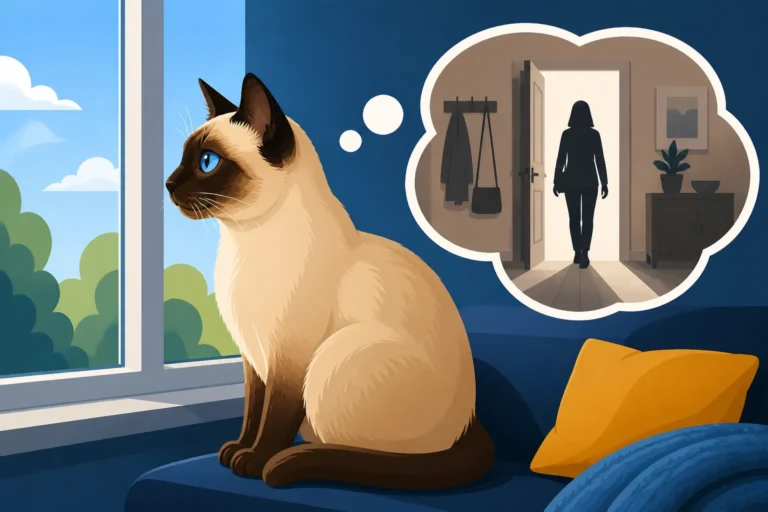
- Loneliness/Boredom: This is a big one for Siamese cats. They are highly social and require significant interaction. If left alone for long periods, they can become anxious and vocalize their distress. Consider if A Siamese Cat Should Not Live Alone is a fitting statement for your lifestyle.
- Pain/Illness: Any sudden, excessive, or unusual vocalization should always prompt a call to your vet. Cats are masters at hiding pain, but a change in vocal habits can be a subtle sign.
- Seeking Attention: If you respond to every meow, your Siamese learns that vocalizing gets your attention. Sometimes, they just want to be seen and acknowledged.
Enrichment and Engagement Strategies
A bored or under-stimulated Siamese is a vocal Siamese. These intelligent cats need mental and physical engagement to thrive.
- Interactive Play: Dedicate regular, active playtime. Use wand toys, laser pointers (with a solid "catch" at the end to prevent frustration), or crumpled paper balls. They love to fetch, too! You can find a huge variety of interactive toys on Amazon that can keep them occupied.
- Puzzle Feeders: These challenge your cat to "hunt" for their food, slowing down mealtime and engaging their brains. It's a fantastic way to burn off mental energy.
- Vertical Space: Siamese cats love to climb and survey their territory. Cat trees, shelves, or catio access (if safe) provide enrichment and a sense of security.
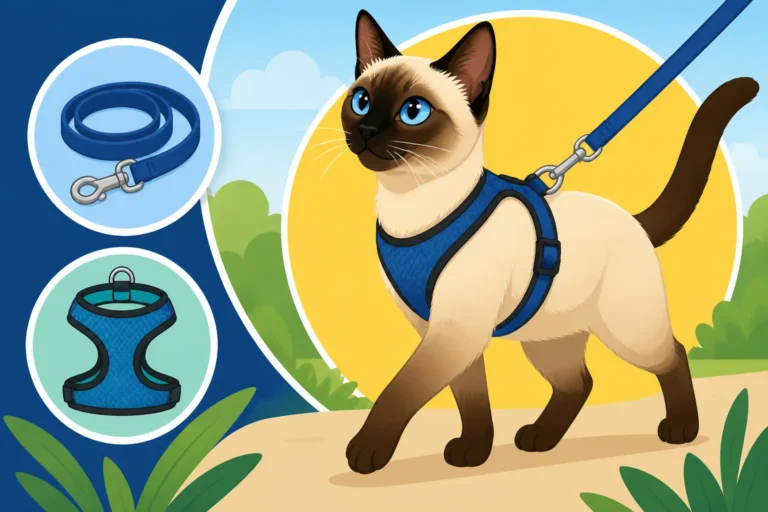
- Training: Siamese cats are incredibly intelligent and can be trained to do tricks, walk on a leash, or even respond to commands. This mental stimulation can redirect their energy from excessive vocalization. How Trainable a Siamese Cat Really Is might surprise you!
- Companion Animal: If your lifestyle means you're away for extended periods, a compatible feline companion can make a world of difference in reducing loneliness-induced meowing. However, choose carefully, as not all cats get along.
Training for Quieter Behavior
You can absolutely train your Siamese to reduce excessive vocalization, but it requires consistency and patience.
- "Quiet" Command: Start by rewarding your cat with a treat when they are naturally quiet. Pair it with a "quiet" cue. Gradually, when they start to meow excessively, say "quiet" and wait for a brief pause before rewarding.
- Ignore Unwanted Meows (Strategically): This is tricky and requires a strong will. If you've addressed all their needs (food, water, litter, play, health) and they're still incessantly meowing for attention, try to ignore them until there's a moment of quiet, then reward them. Never reward them while they are actively meowing for attention. This takes time, and you might experience an "extinction burst" where the meowing gets worse before it gets better.
- Consistent Schedule: Cats thrive on routine. Feed them at the same time daily, play with them regularly, and maintain a consistent daily schedule. This reduces anxiety and the need to vocalize about perceived inconsistencies.
- Redirection: If your cat is meowing at a closed door, try to redirect their attention to a favorite toy or a quick play session elsewhere.
Here's a quick comparison of common traits between Applehead and Modern Siamese cats, including vocalization:
| Trait | Applehead Siamese (Traditional) | Modern Wedge Siamese (Contemporary) |
|---|---|---|
| Head Shape | Rounder, broader, distinct "apple" shape | Long, narrow, wedge-shaped, tapering to a fine muzzle |
| Body Type | More robust, sturdy, muscular | Sleek, slender, elegant, tubular |
| Ears | Moderately large, set to follow head contour | Very large, wide at base, set wide apart |
| Eyes | More rounded, usually brilliant blue | Almond-shaped, slanted, deep blue |
| Coat | Short, fine, lies close to body | Short, fine, lies close to body |
| Temperament | Often described as calmer, more laid-back, but still interactive | Highly active, intensely focused, very interactive |
| Vocalization | Anecdotally perceived as softer/quieter; wide individual variation | Stereotypically known for loud, piercing yowls; wide individual variation |
| Affection Level | Very affectionate, bonds strongly with family | Extremely affectionate, craves constant interaction |
| Activity Level | Energetic and playful, but often less frenetic | Very high energy, demands constant engagement |
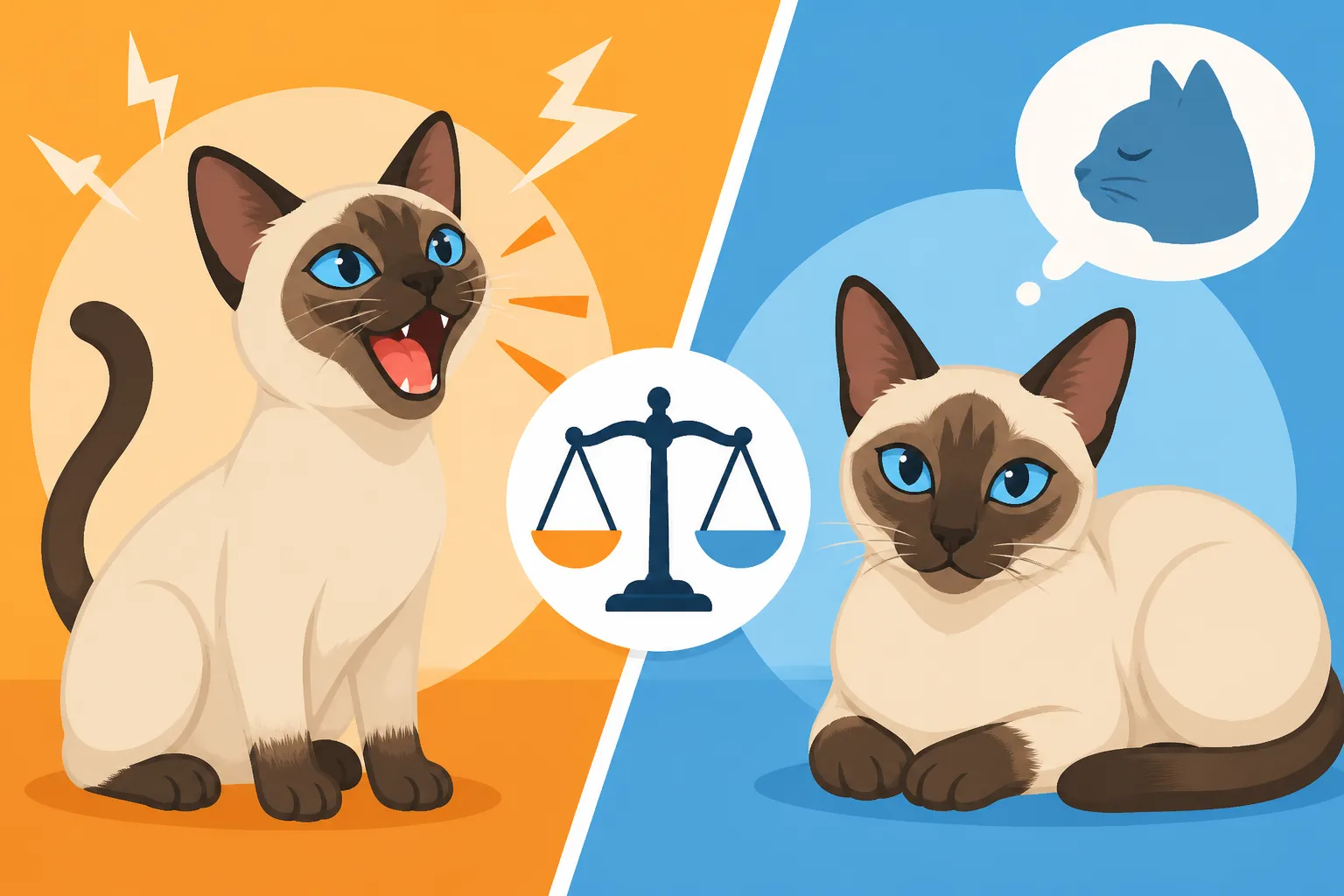
Ultimately, whether an Applehead Siamese is quieter than a modern Siamese is less about their head shape and more about the unique spirit of the individual cat, combined with the environment you create for them. While many cherish the thought of a slightly less vocal Siamese, choosing a cat purely on this anecdotal premise could lead to disappointment. Focus instead on providing a stimulating, loving home, and you'll find that any Siamese cat, Applehead or otherwise, will fill your life with conversation and companionship, in their own unique, vocal way.
Disclaimer
This article is for general informational purposes only and does not constitute professional advice. Laws, prices and regulations vary by location and change over time. Consult a qualified professional for guidance on your specific situation.