Whether Neutering Quiets a Siamese Cat
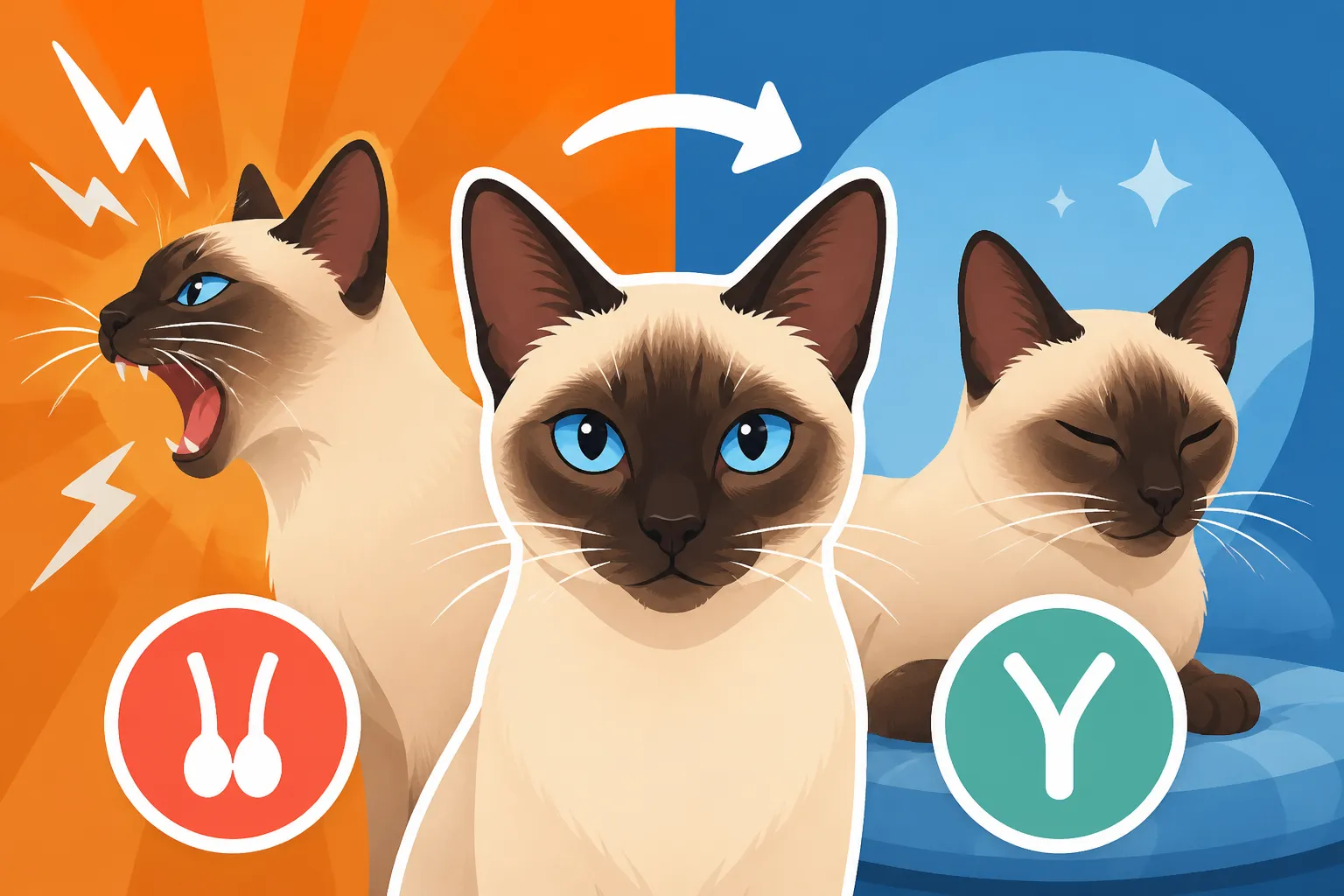
One of the most common hopes (and sometimes desperate prayers!) for Siamese cat owners dealing with a perpetually vocal feline is that a simple trip to the vet for neutering will magically transform their noisy companion into a quiet, reserved kitty. While neutering certainly impacts certain types of vocalization, the reality for a Siamese is often more nuanced than a complete silence. This guide will explore exactly how neutering affects your Siamese cat's famous voice, and what you can realistically expect.
The Inherent Vocal Nature of the Siamese Cat
Before we even talk about neutering, it's crucial to understand that the Siamese cat isn't just a regular cat that happens to meow a bit. They are fundamentally, genetically, loud. This isn't a flaw; it's a defining characteristic of the breed that has charmed and sometimes bewildered owners for centuries.
The "Meezer Yowl" and Its Origins
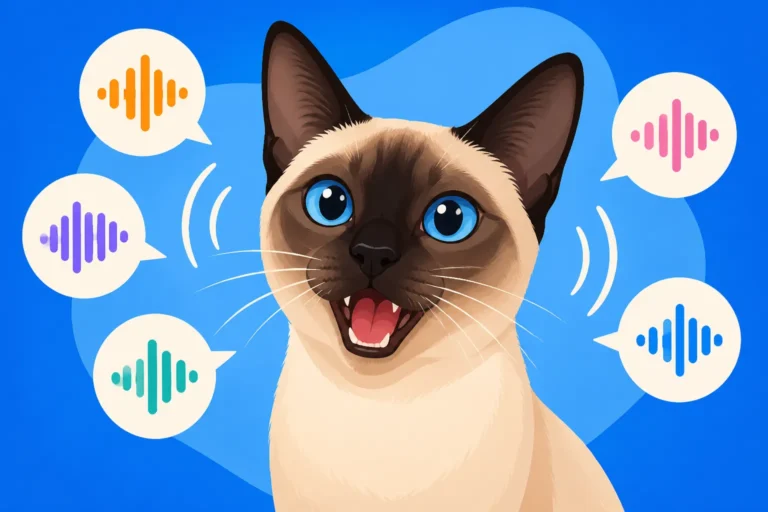
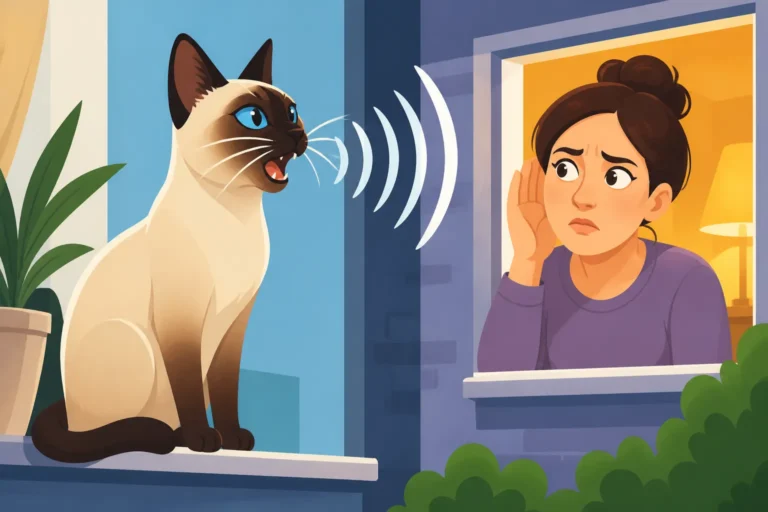
The distinctive "Meezer yowl" isn't just a cute nickname; it's an accurate description of the deep, often demanding, and incredibly persistent vocalizations Siamese cats are known for. Unlike the soft chirps or polite meows of some other breeds, a Siamese's vocal repertoire includes everything from a conversational chatter to a mournful wail that sounds remarkably like a human baby crying. This vocal strength is deeply embedded in their breed's history and personality. They are known for being highly intelligent, social, and prone to "talking" to their humans. For a Siamese, meowing isn't just a request; it's a constant dialogue, a commentary on their day, and a way to express every single emotion. Many owners find themselves having full-blown conversations with their cats, because a Siamese genuinely seems to expect an answer! This innate chattiness means that even without the influence of hormones, your Siamese is likely to have plenty to say. You might hear them commenting on a bird outside, complaining about an empty food bowl, or simply greeting you when you walk into a room. Why a Siamese Cat Meows So Much delves deeper into these specific reasons.
Communication Beyond Hormones
While hormonal drives certainly add to the volume, it's important to recognize that many Siamese vocalizations are completely unrelated to their reproductive status. They are masters of communication, using their voices for a myriad of reasons:
- Seeking Attention: If your Siamese is bored, lonely, or simply wants a cuddle, they will often meow persistently until they get a response. They quickly learn that a loud yowl gets your attention, and they're not shy about using it.
- Hunger or Thirst: A Siamese will often loudly announce that their food bowl is empty, even if it has just a few kibbles left. They are very particular about their routines, and any perceived deviation can result in a vocal protest.
- Boredom and Lack of Stimulation: An intelligent breed like the Siamese needs plenty of mental and physical engagement. A bored Siamese is often a noisy Siamese, yowling to signal their discontent or to instigate playtime. They truly need active play sessions and engaging toys to keep their busy minds occupied. How Much Play a Siamese Cat Needs is a great resource if you suspect boredom is contributing to the noise.
- Stress or Anxiety: Changes in routine, new pets, moving house, or even just feeling insecure can trigger increased vocalization. They might yowl as a way to express their distress or to seek reassurance from you.
- Pain or Discomfort: A sudden increase in vocalization, especially if it's accompanied by changes in behavior or appetite, can be a sign that your cat is in pain or unwell. It's their way of telling you something is wrong. Always consult your vet if you notice a sudden, inexplicable change in their vocal habits. Signs a Siamese Cat Is Unwell can help you recognize other symptoms.
Knowing that these factors contribute to their vocal nature is key to understanding why neutering isn't a complete solution for quieting a Siamese cat.
How Neutering Impacts Vocalization
Now, let's get to the core question: what changes after your Siamese cat is spayed or neutered? The impact is significant, but it's specific to hormonally driven behaviors.
Eliminating Hormonal Calls
This is where neutering makes the most dramatic difference.
- For Female Siamese (Spaying): An unspayed female Siamese cat going into heat is a symphony of persistent, loud, and often desperate yowls. These aren't just meows; they are long, drawn-out cries intended to attract a mate. She will often posture, roll on the floor, rub against everything, and generally be restless and frantic. Spaying completely eliminates these heat cycles and, with them, the intense, hormonally driven yowling. Owners describe this as a huge relief, as the constant caterwauling can be incredibly disruptive. The incessant, high-pitched calls that might keep you up all night will typically cease within a few days of the hormones leaving her system.
- For Male Siamese (Neutering): Unneutered male Siamese cats are also prone to increased vocalization, especially if they sense a female in heat nearby. They might yowl loudly to signal their presence to potential mates, or when frustrated by being unable to reach a female. Beyond pure vocalization, they are also far more likely to spray urine to mark territory and may be more aggressive. Neutering significantly reduces, and often eliminates, these mate-seeking and territorial yowls, as well as the spraying behavior. While a male Siamese may still have a strong voice, the frantic, driven calls associated with breeding instincts will fade.
So, for those specific, hormonally charged vocalizations, neutering is incredibly effective. If you're dealing with a female in heat or a male constantly calling for mates, you will definitely notice a reduction in certain types of noise. Many owners find What a Siamese Cat's Yowl Means to be particularly relevant when their cat is exhibiting these behaviors.
The Nuances of Behavioral Change
While hormonal yowling ceases, it's important to manage your expectations. Neutering does not typically mute a Siamese cat entirely. Their inherent talkativeness remains largely intact.
Think of it this way: neutering addresses the "biological imperative" to vocalize for reproduction. It doesn't erase their personality. A Siamese that loves to "chat" with you, complain about the weather, or loudly announce their presence will likely continue to do so. The volume and intensity of some of their cries might lessen, and the frequency of certain types of yowling will certainly decrease (especially if they were consistently calling out for mates or going into heat). However, their general tendency to use their voice as a primary mode of communication usually persists.
It's a common misconception that neutering will turn a vocal Siamese into a quiet lap cat. While some cats might become slightly calmer or less driven, a Siamese will almost always remain interactive and communicative. They're still going to follow you from room to room, sit on your keyboard, and offer their opinions on your activities. A Siamese Cat Will Not Be Ignored truly captures this aspect of their personality.
Post-Surgery Recovery and Behavior
Immediately after surgery, your Siamese cat might be quieter for a few days due to the effects of anesthesia and pain medication. They'll be recovering, feeling a bit out of sorts, and likely more interested in resting. This temporary quiet period shouldn't be mistaken for a permanent behavioral change. Once they're fully recovered and feeling like themselves again, their usual vocal patterns will likely return, minus the hormonal aspects. It's crucial to provide a comfortable, quiet space for recovery. You might even find some cozy beds or recovery suits on Amazon that can help them feel secure during this time.
When Neutering Doesn't Silence the Meow
You've neutered your beloved Siamese, and while the heat cycles are gone, the "Meezer yowl" is still very much a part of your daily life. What gives? It simply means that your cat's vocalizations are stemming from other factors.
Persistent Personality Traits
The Siamese cat's personality is perhaps its most defining feature, and a significant part of that is their vocal prowess. They are often described as having dog-like personalities due to their intense loyalty, intelligence, and desire for interaction. They thrive on companionship and being involved in your life. This deep-seated need for interaction often manifests as vocalization.
A Siamese cat will develop habits of communication with you, and those habits are not erased by a surgical procedure. If your cat has learned that meowing loudly gets them fed, gets them picked up, or initiates a play session, they will continue that behavior. It's a learned response based on years of successful communication, not just hormones. Some Siamese cats are simply born with a greater inclination to vocalize than others, much like some people are naturally more talkative. This genetic predisposition means their voice is just part of who they are, regardless of their reproductive status. How Loud a Siamese Cat Is further explains the breed's natural vocal tendencies.
Environmental and Emotional Factors
Many times, a vocal Siamese is trying to tell you something about their environment or emotional state. Neutering won't fix these issues if they're the root cause of the noise.
- Boredom: An intelligent and active breed like the Siamese needs constant mental and physical stimulation. If they're left alone for long periods without engaging toys, scratching posts, or climbing opportunities, they can become incredibly bored. A bored Siamese often turns into a loud Siamese. They might pace, follow you around yowling, or even engage in destructive behaviors like knocking items off shelves or What a Bored Siamese Cat Destroys. Providing interactive toys (many fantastic options can be found on Amazon), puzzle feeders, and plenty of vertical space can make a huge difference.
- Anxiety or Loneliness: Siamese cats are incredibly social and bond deeply with their families. They can suffer from separation anxiety if left alone too much, leading to excessive vocalization, especially when you leave or return. A companion animal, whether another Siamese cat or a cat of a similar energy level, can sometimes help alleviate loneliness. Consider pheromone diffusers for a generally anxious cat, also readily available online.
- Attention-Seeking: As discussed, they are masters of getting your attention. If you consistently respond to their yowls with food, petting, or play, you've inadvertently reinforced the behavior. This doesn't mean you should ignore your cat entirely, but learning to differentiate genuine needs from demanding attention is key.
Underlying Medical Concerns
While less common, any sudden increase in vocalization in an already neutered Siamese cat should prompt a visit to the veterinarian. Cats are experts at hiding pain and discomfort, and excessive meowing can be a subtle sign that something is wrong.
Older Siamese cats, in particular, might become more vocal due to conditions like hyperthyroidism, kidney disease, or even cognitive dysfunction (dementia). Arthritis and other painful conditions can also lead to increased yowling as they try to express their discomfort. How a Siamese Cat's Voice Deepens With Age can also point to age-related changes, but persistent, unusual vocalization warrants a check-up. A thorough veterinary examination, including blood work, can rule out any underlying health issues. Never assume an older cat's increased vocalization is "just old age" without a vet's opinion.
Strategies for Managing a Vocal Siamese (Beyond Neutering)
So, if neutering isn't the magic mute button, what can you do to manage your wonderfully chatty Siamese? It's all about understanding their needs and redirecting their vocal energy.
Consistent Attention and Interaction
Siamese cats crave interaction. They aren't content to be ornamental pets; they want to be part of the action.
- Schedule Play Sessions: Dedicate at least two 15-20 minute vigorous play sessions a day. Use wand toys, laser pointers (with a treat at the end to "catch" their prey), or throw toys for them to fetch. This burns off energy and satisfies their hunting instinct.
- Engage in Conversation: Since they love to "talk," engage with them verbally. Respond to their chirps and meows with your own voice. This can fulfill their need for interaction without necessarily escalating into a full-blown yowl.
- Quality Over Quantity: Short bursts of focused attention are often more effective than sporadic, half-hearted interactions. When you interact, be present and engaged.
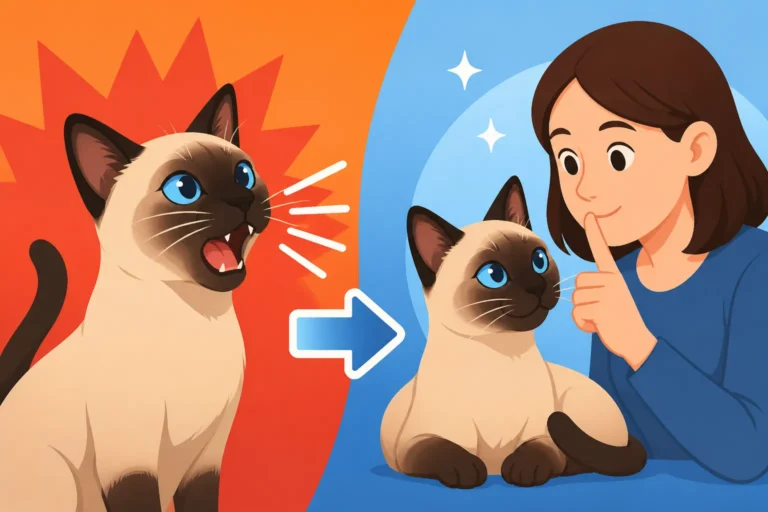
- Don't Reward Demanding Vocalization: This is the tricky part. While you don't want to ignore your cat, try not to reward intense, demanding yowls. If your cat is yowling for food, wait for a brief moment of quiet before putting the bowl down. If they're yowling for attention, wait until they settle or try a softer meow before petting them. Consistency is key here. Whether Ignoring a Siamese Cat's Meowing Works explores this in more detail.
Environmental Enrichment
A stimulating environment is crucial for a happy, less vocal Siamese.
- Vertical Space: Siamese cats love to climb and observe. Provide tall cat trees, wall-mounted shelves, or window perches. Having high vantage points gives them a sense of security and entertainment. You can find excellent, sturdy cat trees that hold up to their antics on Amazon.
- Puzzle Feeders: These are fantastic for mental stimulation. Instead of just putting food in a bowl, make them work for it. Puzzle feeders slow down eating, prevent boredom, and engage their intelligent minds. You'll find a wide array of options for different difficulty levels on Amazon.
- Interactive Toys: Toys that move on their own, or require batting and chasing, can keep them occupied when you're busy. Rotating toys keeps them fresh and interesting.
- Window Watching: A secure catio or a comfy window perch with a view of birds and squirrels can provide hours of entertainment.
Addressing Stress and Anxiety
If vocalization stems from stress or loneliness, these approaches might help:
- Maintain Routine: Cats, especially Siamese, thrive on routine. Predictable feeding times, play sessions, and cuddle times can reduce anxiety.
- Pheromone Diffusers: Products that release calming feline pheromones can help create a more serene atmosphere for anxious cats. These are widely available, including on platforms like Amazon.
- Companion Cat: While not for everyone, two Siamese cats often keep each other entertained and reduce separation anxiety. Be aware, though, that two Siamese cats can sometimes be twice as loud! Whether Two Siamese Cats Are Louder gives you the full picture. If you're considering a companion, ensure they have compatible personalities.
When to Consult a Vet or Behaviorist
If your neutered Siamese's vocalization is truly excessive, sudden, or accompanied by other concerning symptoms, professional help is invaluable.
- Veterinary Check-up: Always rule out medical issues first. Your vet can perform a thorough examination, including blood tests or other diagnostics, to ensure there's no underlying pain, illness, or condition contributing to the vocalization.
- Feline Behaviorist: If medical causes are ruled out, a certified feline behaviorist can help you understand the root cause of the excessive vocalization and develop a tailored plan to address it. They can help you identify triggers, modify your responses, and implement enrichment strategies more effectively.
Remember, a Siamese cat's voice is part of their charm. While you can certainly manage excessive noise, the goal isn't to silence them entirely, but rather to understand their communication and ensure their needs are met, leading to a happier, healthier, and perhaps slightly less vociferous companion.
| Type of Vocalization | Common Characteristics | Potential Causes (Post-Neutering) | Management Strategies |
|---|---|---|---|
| Conversational Chirps | Soft, varied sounds, often directed at you or objects | Greetings, commentary, happiness, seeking mild attention | Engage, talk back, respond with positive attention |
| Demanding Meows/Yowls | Louder, more persistent, often accompanied by rubbing/following | Hunger, thirst, desire for play, wanting attention | Teach "quiet cue," don't reward intense yowls, use puzzle feeders |
| Alert/Warning Yowls | Sharp, sudden, focused on a specific sight/sound | Seeing a bird/squirrel, strange noise outside | Provide window perches, catio, environmental enrichment |
| Boredom/Frustration Yowl | Repetitive, drawn-out, often pacing | Lack of stimulation, loneliness, pent-up energy | Increase play, interactive toys, companion cat (if suitable) |
| Distress/Pain Yowl | Unusual, mournful, accompanied by hiding/change in appetite | Illness, pain, anxiety, cognitive decline | Immediate vet visit, pheromone diffusers for anxiety |
Disclaimer
This article is for general informational purposes only and does not constitute professional advice. Laws, prices and regulations vary by location and change over time. Consult a qualified professional for guidance on your specific situation.