How a Siamese Cat Behaves at the Vet
Bringing your beloved Siamese cat to the vet can often feel like orchestrating a dramatic opera, complete with loud yowls, frantic attempts at escape, and a palpable sense of feline indignation. This guide is here to help you understand why your Siamese might react the way they do at the vet and equip you with practical strategies to make these essential health visits less stressful for everyone involved.
Understanding the Siamese Cat's Unique Vet Visit Stressors
Siamese cats are known for their striking looks, vibrant personalities, and, let's be honest, their formidable voices. These traits, while endearing at home, can sometimes turn a routine vet visit into a full-blown ordeal. It’s not that they’re being “naughty”; it's often a manifestation of their sensitive, intelligent nature in a deeply unsettling environment.
Their Vocal Nature and Expressive Personality
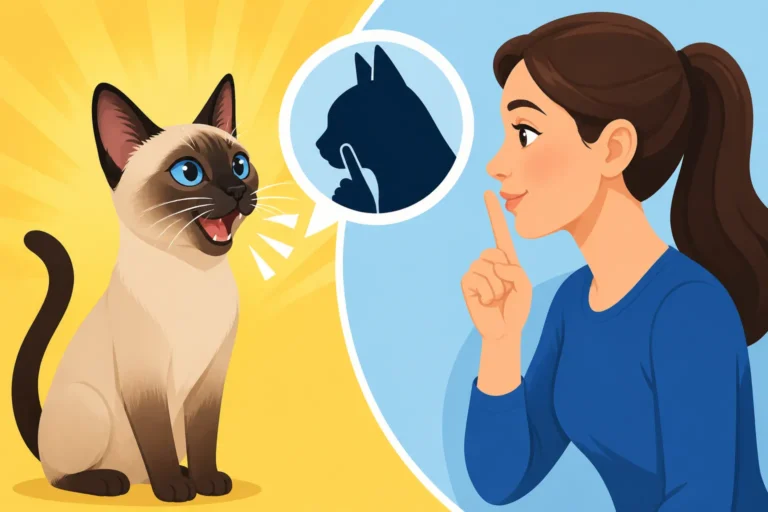
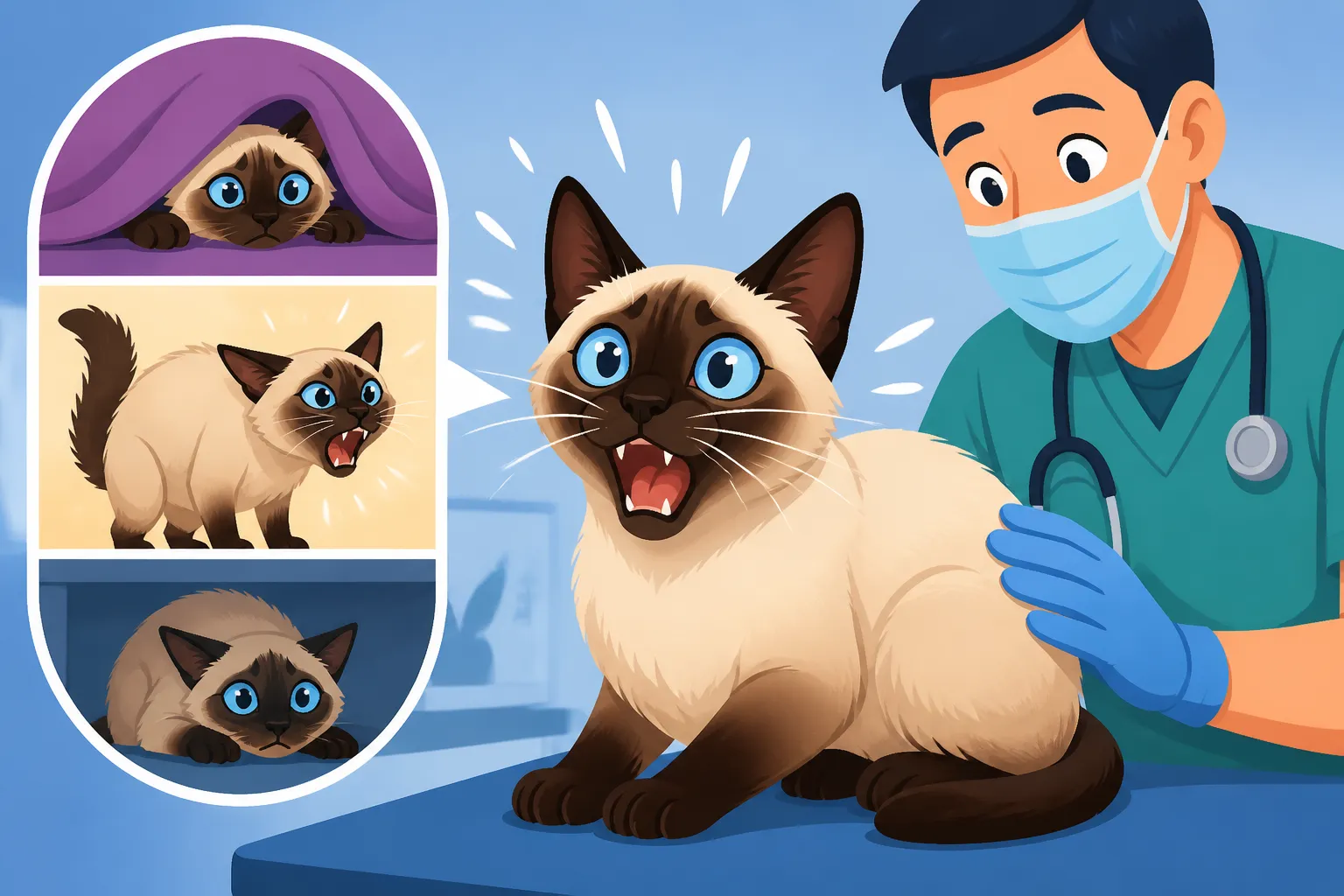
One of the first things people notice about a Siamese cat is their voice. It's legendary, isn't it? That deep, resonant "meezer yowl" isn't just for demanding dinner or attention at home; it's also their primary mode of expressing distress, fear, or displeasure. When a Siamese feels threatened, confined, or simply out of their element – which a vet clinic certainly is – their natural inclination is to vocalize, and they do it with gusto. This isn't a quiet little meow; it's a full-throated complaint that echoes through the waiting room.
Imagine being in a small, enclosed space, surrounded by strange smells and sounds, poked and prodded by strangers, and unable to articulate your discomfort in a way they understand. For a Siamese, their intense vocalizations are their way of saying, "I do NOT like this, and I want out!" This can be startling for owners and even vet staff who aren't familiar with the breed's particular brand of communication. They aren't trying to be difficult; they're genuinely expressing their anxiety.
Their Intelligence and Sharp Memory
Siamese cats are incredibly intelligent and observant. They learn quickly, remember experiences, and can anticipate events. This means they often associate the cat carrier with the unpleasant trip to the vet, or the scent of the vet clinic with past discomfort. It’s not just a fleeting memory; it's a deeply ingrained association that can trigger anxiety the moment the carrier comes out of the closet. You might notice them hiding under the bed or making themselves scarce the second they see that carrier appear.
This intelligence also means they pick up on your stress. If you're feeling anxious about the upcoming appointment, your Siamese will likely sense it, amplifying their own apprehension. They're astute creatures, reading your body language and tone of voice with uncanny accuracy. Their ability to connect the dots means that a single bad experience can make subsequent visits even more challenging, turning the vet trip into a battle of wits and wills. This is why positive reinforcement and careful preparation are so vital for this smart breed.
Sensitivity to New Environments and Strangers
While some cats are adaptable, many Siamese cats are particularly sensitive to changes in their environment. A vet clinic is a sensory overload: unfamiliar smells (other animals, disinfectants), strange sounds (barking dogs, other distressed cats, clinical equipment), and new people handling them. Their keen senses are usually a boon, helping them navigate their home environment, but in a vet setting, they can become a source of intense overstimulation and fear.
They can be particularly wary of strangers, often preferring the company of their chosen few. Being handled by multiple unfamiliar people—a vet, a vet tech, a receptionist—can be incredibly unsettling. This isn't just shyness; it's a genuine feeling of vulnerability and a loss of control, which can trigger a fight-or-flight response. Their sleek, muscular bodies are surprisingly strong when they decide they don't want to be held, making vet examinations a challenge if they haven't been properly prepared. You might notice them trying to bolt or swatting at anyone who tries to touch them.
Preparing Your Siamese for a Smoother Vet Experience
Preparation is truly half the battle when it comes to getting a Siamese cat to the vet with minimal fuss. Think of it as laying the groundwork for a successful mission, rather than just grabbing the cat and hoping for the best. Proactive steps can make a world of difference for these smart, sensitive felines.
Carrier Training: Making the Carrier a Safe Haven
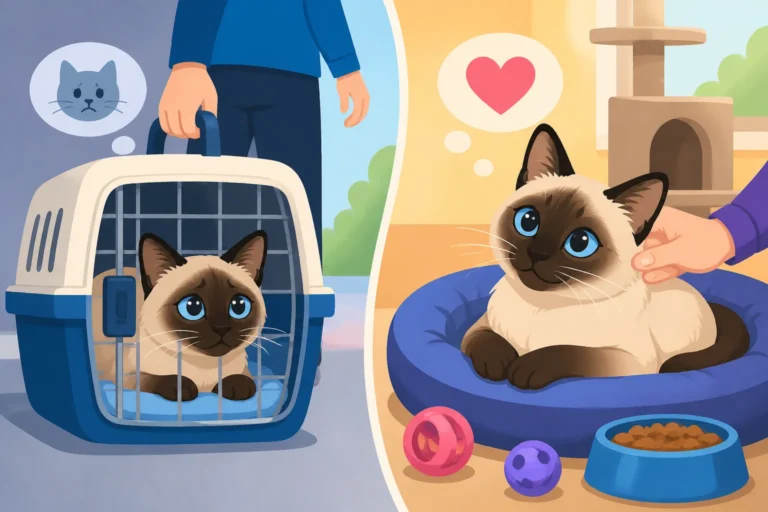
One of the biggest hurdles for many cat owners is simply getting their Siamese into the carrier. For many cats, the carrier only ever appears right before something unpleasant happens, so it becomes a symbol of dread. We need to flip that script. The goal is to make the carrier a normal, even desirable, part of their everyday life. Start by leaving the carrier out in a common area of your home, not tucked away in a closet. Line it with a soft blanket that smells familiar to your cat, maybe one they already sleep on.
Encourage exploration by tossing treats or favorite toys inside. Feed them near it, then gradually inside it. You can find excellent, comfortable carriers on Amazon, many with multiple entry points which can be really helpful. A top-loading carrier, for instance, can make it much easier to gently place a reluctant cat inside rather than forcing them head-first through a small opening. Practice short durations of being in the carrier, with the door closed, then immediately open it and reward them. Gradually increase the time, and eventually, carry them around the house in it before letting them out. The idea is that the carrier isn't just for vet trips; it's a cozy, safe space.
Positive Associations with Car Rides
The car ride itself can be a major source of stress for a Siamese. Their vocalizations in the car can be deafening, and it's not just annoyance; it's fear and motion sickness for some. Just like carrier training, we want to create positive associations with car travel. Start with short trips, perhaps just sitting in the parked car for a few minutes with the engine off, offering treats. Gradually, turn the engine on. Then, take very short drives around the block.
Always ensure the carrier is secured in the car so it doesn't slide around, which can increase anxiety. Placing a towel over the carrier can also help some cats feel more secure and reduce visual stimulation. If your Siamese still gets overly agitated or car sick, discuss calming aids with your vet, such as pheromone sprays or mild sedatives for particularly long or stressful journeys. These short, positive car experiences, even if they don't lead to the vet, help normalize the experience. Why a Siamese Cat Yowls in the Car is a common concern.
Choosing a Cat-Friendly Vet Clinic
Not all vet clinics are created equal, especially when it comes to managing feline patients. A "cat-friendly" practice is often designed to minimize stress for cats, with separate waiting areas, exam rooms that smell less like dogs, and staff trained in gentle feline handling techniques. These clinics understand that cats are not small dogs and require a different approach. Look for practices certified by organizations like the American Association of Feline Practitioners (AAFP) as "Cat Friendly Practices."
When you call to book your appointment, mention that you have a Siamese and that they can be vocal and prone to anxiety. Ask if there's a quiet time of day, or if they offer specific cat-only appointment slots. Sometimes, the vet might even offer "fear-free" visits, which prioritize minimizing stress through specific handling techniques and environmental considerations. Don't be afraid to interview potential clinics; finding the right fit can drastically improve your Siamese's vet experience.
Navigating the Vet Visit: During the Appointment
Even with the best preparation, the vet visit itself can still be a challenge. Knowing what to expect and how to advocate for your Siamese can help immensely, both for your cat's well-being and for the efficiency of the appointment.
Communicating Your Cat's Needs and Behavior
Before your Siamese even leaves their carrier, have a conversation with the vet or vet tech. Clearly explain your cat's usual temperament, their anxiety levels, and any specific triggers you've noticed. For example, you might say, "My Siamese, Luna, gets very vocal and tries to hide when strangers approach, so slow movements and gentle handling are best." This upfront communication helps the staff understand your cat as an individual, rather than just another patient.
You can also share what works well at home for calming your cat. Maybe they respond to a particular tone of voice, a favorite toy, or a gentle chin scratch. Armed with this information, the vet team can tailor their approach, which is crucial for a breed as discerning as the Siamese. Don't hesitate to remind them about your cat's sensitivity or their tendency to voice their displeasure loudly. How a Siamese Cat Behaves at the Vet is often directly influenced by how prepared the owner is.
Gentle Handling and Minimizing Restraint
One of the biggest fear-inducers for cats at the vet is feeling restrained or cornered. Siamese cats, with their intelligence and athleticism, are particularly prone to feeling vulnerable when held against their will. Advocate for "less is more" when it comes to restraint. Many procedures can be performed with minimal physical restraint if the cat is calm and the handler is skilled. Often, simply keeping your cat in the bottom half of the carrier for examinations or injections can make them feel more secure.
Your vet might use a "less is more" approach, such as allowing your Siamese to stay partially in their carrier for portions of the exam, or using a towel wrap ("kitty burrito") for comfort and security rather than heavy-handed restraint. Positive reinforcement, like offering small, tasty treats (if appropriate and not interfering with the exam), can also distract and reward cooperative behavior. Always discuss the handling plan with the vet before they begin the examination, especially if you know your cat tends to be reactive.
Managing Vocalizations and Stress Signals
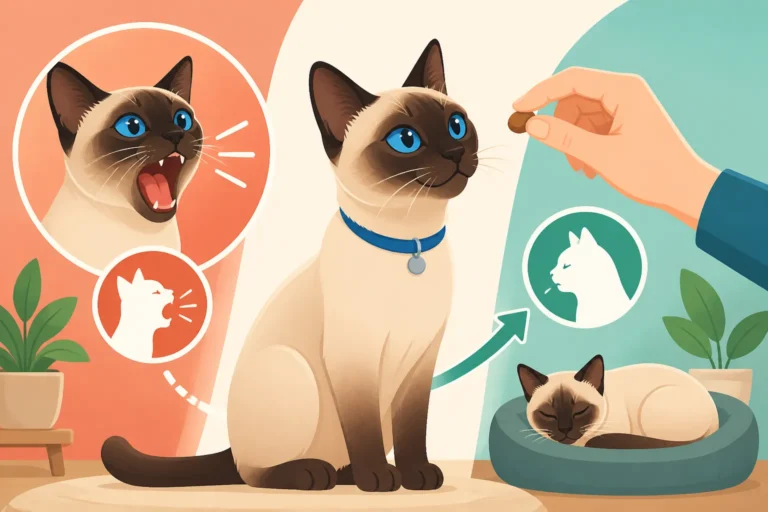
While your Siamese is likely to be vocal, it's important to differentiate between their typical "talking" and genuine stress signals. Yes, your Siamese will probably yowl and complain, but also watch for more subtle signs of fear: dilated pupils, flattened ears, tense body posture, rapid breathing, excessive drooling, or attempts to bite or scratch. These are clear indicators that your cat is truly distressed and the situation might need to be adjusted.
A calm, reassuring voice from you can go a long way. Speaking softly and stroking them if they allow it can provide comfort. If their stress levels are too high, it might be beneficial to pause the examination, allow a break, or even consider rescheduling certain non-urgent procedures if possible. Your vet may also suggest calming pheromone sprays for the exam room or carrier, like Feliway, which you can often find on Amazon. Understanding What a Siamese Cat's Yowl Means in different contexts can help you interpret their distress at the vet.
After the Vet: Post-Visit Care and Future Strategies
The vet visit doesn't end when you leave the clinic. What happens afterward, and how you approach future visits, is just as important for your Siamese cat's long-term well-being and your peace of mind.
Post-Visit Comfort and Observation
Once you're home, give your Siamese plenty of space to decompress. Many cats will hide for a while or seem a bit "off" after a vet visit, especially if they received medications or vaccinations. Offer them their favorite cozy bed, fresh water, and a quiet environment. If they received a sedative, they might be groggy for several hours, so ensure they have a safe place to rest and access to a litter box.
Keep a close eye on them for any unusual behavior or side effects, particularly if they had vaccinations (lethargy, decreased appetite, or swelling at the injection site are possibilities). Observe their appetite, litter box habits, and overall demeanor for the next 24-48 hours. If you notice anything concerning or prolonged, don't hesitate to call your vet for advice. Comfort them with gentle praise and attention once they seem ready to re-engage, reinforcing that home is a safe place.
Recognizing Lingering Stress and Trauma
Sometimes, a difficult vet visit can leave a lasting impression on your Siamese, leading to lingering stress or anxiety. They might become more withdrawn, hide more often, or even show aggression towards you or other pets. This isn't out of spite; it's a manifestation of trauma. Pay attention to changes in their behavior, such as excessive grooming (psychogenic alopecia) or changes in eating habits. Psychogenic Alopecia in a Siamese Cat can sometimes be triggered by stressful events.
If your cat seems to be struggling to recover, talk to your vet. They might suggest behavioral interventions, environmental enrichment, or even anti-anxiety medications if the stress is severe. For future visits, consider discussing pre-visit sedatives or anxiolytics with your vet to make the experience less traumatic for your cat. The goal is to prevent a single bad experience from creating a long-term behavioral issue.
Continuous Training and Positive Reinforcement for Future Visits
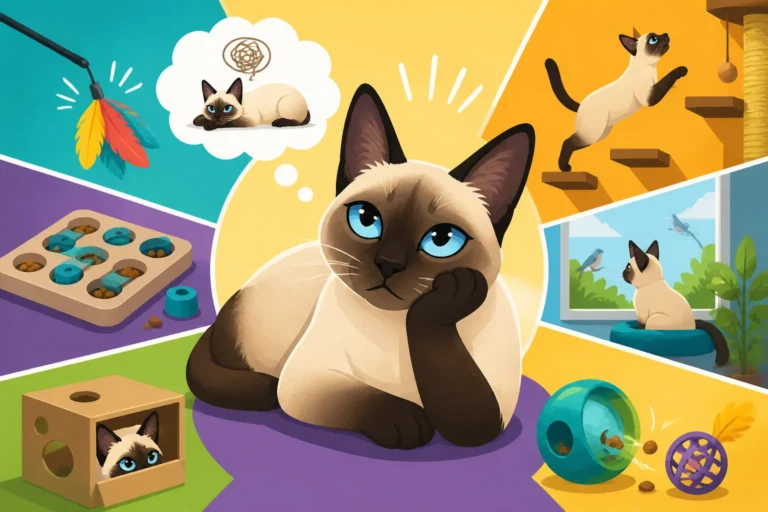
The key to long-term success with vet visits for a Siamese lies in continuous, positive reinforcement. Don't let the carrier gather dust until the next appointment. Keep it out, continue to feed treats in it, and take occasional short, non-vet-related car rides. The more normalized these elements become, the less stressful they will be when they do lead to the vet.
Consider practicing basic cooperative care at home. This could involve gently touching their paws (for nail trims), looking in their ears and mouth, and handling their tail. Reward these interactions with praise and treats. This helps desensitize them to being handled, making them more tolerant during a vet examination. Regular wellness exams are crucial for your Siamese, so investing time in positive training now will pay dividends in their overall health and your peace of mind for years to come. How Often a Siamese Cat Needs a Wellness Exam is an important part of their care.
| Behavior Type | Common Siamese Vet Reaction | What it Might Mean | How to Respond |
|---|---|---|---|
| Vocalization | Loud, prolonged yowls, urgent meows, growls | Fear, anxiety, discomfort, anger | Reassure, speak softly, distract with treats/toys if possible |
| Body Language | Tail tucked, ears flattened, pupils dilated, hiding, trembling | Fear, extreme stress, potential aggression | Request a break, gentle handling, cover carrier |
| Physical Resistance | Swatting, biting, struggling to escape, stiffening | High anxiety, feeling threatened | Request minimal restraint, towel wrap, reconsider exam timing |
| Elimination | Urinating or defecating in carrier | Extreme fear, stress | Clean carrier, use calming spray, ensure carrier comfort for next time |
| Withdrawal | Hiding in carrier, refusal to come out, ignoring treats | Fear, overwhelm, submission | Give space, minimize direct eye contact, allow cat to lead |
Disclaimer
This article is for general informational purposes only and does not constitute professional advice. Laws, prices and regulations vary by location and change over time. Consult a qualified professional for guidance on your specific situation.