Which Tricks a Siamese Cat Can Learn
We've all heard the old saying: "You can train a dog, but a cat will train you." It's a sentiment that often leaves cat owners, particularly those with highly intelligent and demanding Siamese cats, feeling like their feline friends are simply beyond the realm of learning tricks. The truth is, many people struggle with the idea that cats are untrainable, viewing them as aloof creatures who only do what they want to do. But I'm here to tell you that this couldn't be further from the truth, especially when it comes to the incredibly clever and communicative Siamese. This guide is going to shatter those misconceptions, showing you just how many amazing tricks your Siamese cat can learn, how to teach them, and why training can actually deepen your bond with your vocal companion.
The Myth of Untrainable Cats (Especially Siamese!)
It's a common misconception that cats, unlike their canine counterparts, are simply too independent or stubborn to learn tricks. Many cat owners resign themselves to a life where their cat is simply "the boss," never realizing the vast potential for interactive fun and mental stimulation that training offers. This belief often stems from a misunderstanding of how cats learn and what motivates them. We often approach cat training with a dog-training mindset, which is where things can go awry.
Why Cats Seem Different from Dogs for Training
Dogs have been selectively bred for centuries to work alongside humans, to follow commands, and to seek approval. Their pack mentality often means they're eager to please their leader. Cats, on the other hand, evolved as solitary hunters. Their survival depended on their own cunning, independence, and quick decision-making. They don't have the same inherent drive to "obey" in the way a dog might. This doesn't mean they can't learn; it just means their motivations are different.
For a cat, training isn't about pleasing you; it's about what's in it for them. It's about rewards, engagement, and the mental challenge. If they perceive a benefit, they are incredibly quick studies. The "frustration" often comes from owners not understanding this core difference and trying to force compliance rather than fostering cooperation through positive reinforcement. A cat will simply walk away if they're not interested or if the approach is too confrontational. This behavior is often misinterpreted as stubbornness when it's really just a cat being a cat.
The Siamese Cat's Intelligence and Motivation
If there's one cat breed that absolutely shatters the "untrainable" myth, it's the Siamese. These cats are renowned for their incredible intelligence, their insatiable curiosity, and their almost dog-like devotion to their chosen humans. They are not content to simply lounge on a sofa all day; they thrive on interaction, mental stimulation, and being an active part of your life. In fact, a bored Siamese can quickly become a destructive Siamese.
Their high intelligence means they grasp concepts quickly, and their strong bond with their owners means they often enjoy the interaction that training provides. They love problem-solving, and they crave attention – two powerful motivators in the training arena. While they might have a reputation for being a bit demanding or "diva-like," this energy can be channeled into positive learning experiences. Their vocal nature often means they're trying to communicate with you anyway, so why not teach them some commands they can respond to? They are genuinely clever creatures, and if you've ever wondered How Clever a Siamese Cat Is, you'll quickly discover it through training. They often learn by observing you, making them excellent candidates for more complex tricks once the basics are solid.
Laying the Groundwork: Essential Training Principles
Before you grab a treat and start yelling "Sit!" at your unsuspecting Siamese, it's vital to understand the foundational principles that make cat training effective and enjoyable for both of you. This isn't about dominance; it's about partnership and understanding your cat's unique learning style.
Positive Reinforcement is Key
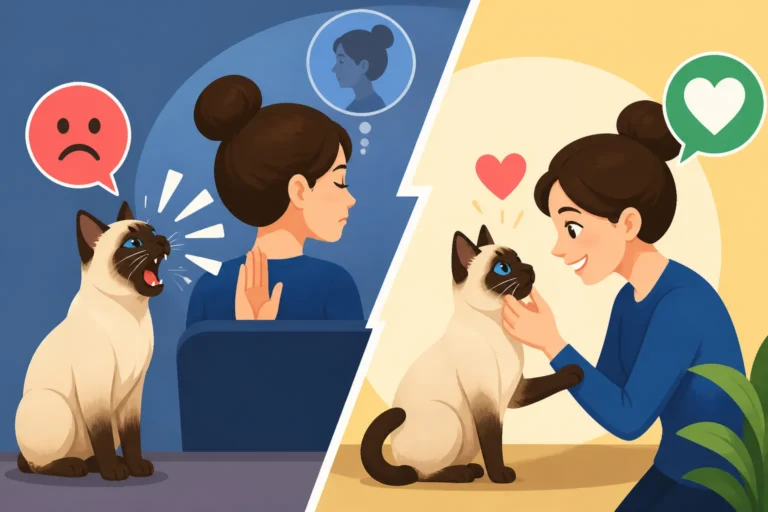
This is the golden rule of cat training, and really, any animal training. Cats respond incredibly well to positive reinforcement and very poorly to punishment. If you try to scold or punish your Siamese for not performing a trick, you won't teach them anything except to avoid you or the training situation altogether. Instead, you need to reward the behaviors you want to see.
What constitutes a reward? For most Siamese cats, it's high-value treats – something they absolutely adore and don't get all the time. Think small pieces of cooked chicken, salmon, or specialized training treats. Praise and petting can also be effective, especially if your cat is particularly affectionate. The key is to deliver the reward immediately – within a second or two – of the desired behavior. This instantaneous feedback is how your cat connects the action with the good outcome. If you delay, they might not understand what they're being rewarded for. This positive association builds their confidence and eagerness to participate.
Short, Frequent Sessions
Cats have notoriously short attention spans, especially when they're learning something new. Trying to force a half-hour training session on a cat is a recipe for frustration and failure. Instead, aim for very short, frequent sessions throughout the day. Five to ten minutes, two or three times a day, is far more effective than one long, drawn-out session.
These short bursts keep your Siamese engaged and prevent them from getting bored or overwhelmed. End each session on a positive note, even if it's just for a small success. This leaves your cat wanting more and eagerly anticipating the next training opportunity. It also prevents them from associating training with tedium. Remember, your Siamese has a highly active mind, but also an independent spirit, so respecting their attention limits is crucial.
The Power of a Clicker (and Treats!)
While not strictly mandatory, a clicker can be an incredibly powerful tool for training a Siamese cat. A clicker provides a precise, consistent sound that immediately marks the exact moment your cat performs the desired behavior. This is far more accurate than your voice, which can vary in tone and timing.
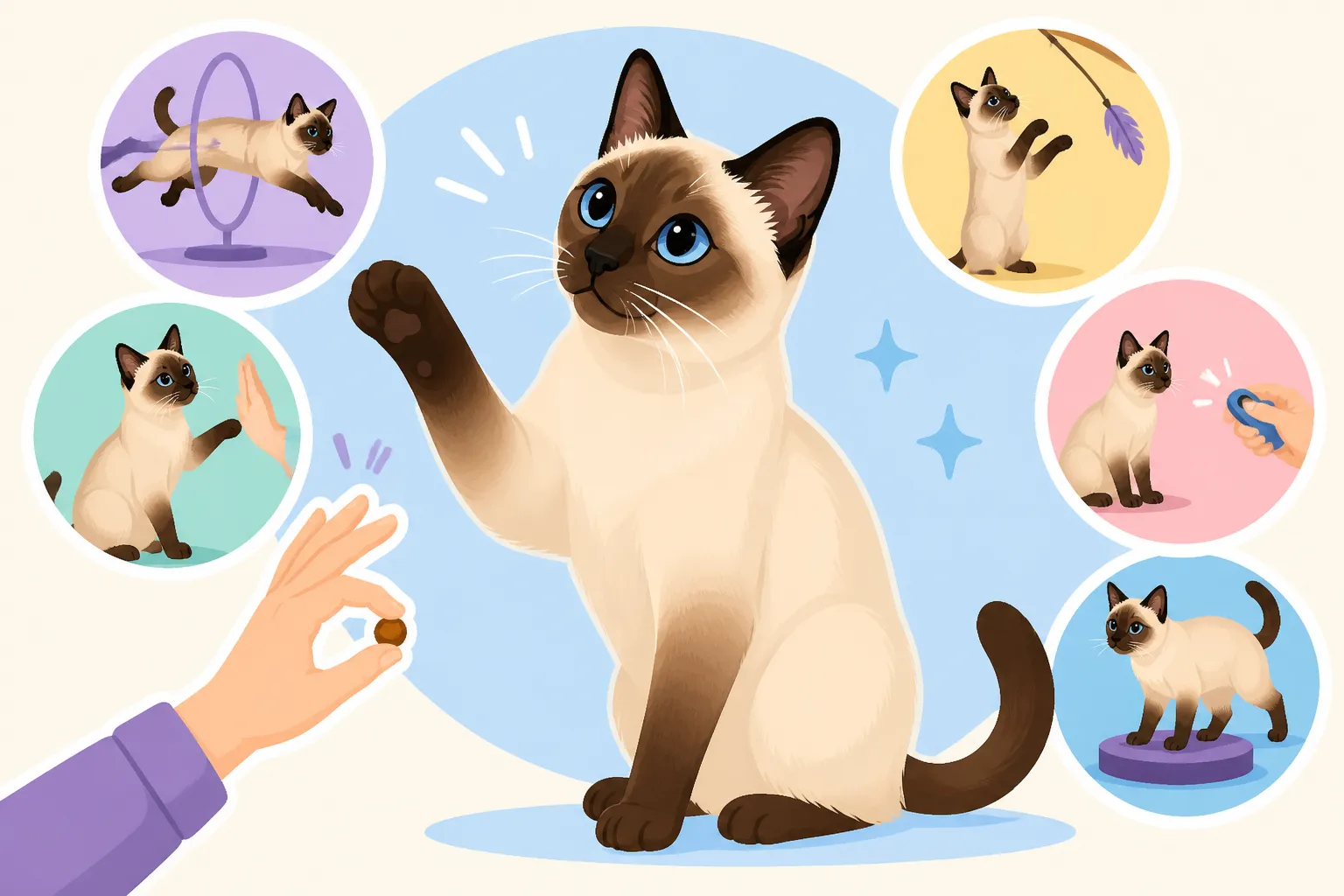
To "charge" the clicker, simply click it and immediately give your cat a high-value treat. Do this several times in a row, a few times a day, until your cat associates the click with the treat. You'll know they've got it when they hear the click and immediately look for the treat. Once charged, the clicker becomes a clear signal: "Yes! That's what I want!" You can find affordable clickers and a huge variety of high-value treats on platforms like Amazon. Paired with those irresistible treats, a clicker dramatically speeds up the learning process. If you want to dive deeper, you can learn How to Clicker Train a Siamese Cat effectively.
| Trick Category | Examples of Tricks | Required Motivation | Time to Learn (Approx.) |
|---|---|---|---|
| Basic | Sit, Come, Paw, Stay | High-value treats, praise | Days to a few weeks |
| Intermediate | Fetch, Spin, Jump through hoop | High-value treats, favorite toys | Weeks to a month |
| Advanced | Leash walk, Open door, Play dead | High-value treats, praise, strong bond | Months, ongoing practice |
Basic Tricks: Building Confidence and Connection
Once you've got your clicker charged and your treats ready, it's time to start with some foundational tricks. These aren't just for show; they build your cat's confidence, strengthen your bond, and create a positive association with learning.
"Sit" and "Stay"
Teaching your Siamese to "sit" is often the first trick people try, and it's a great starting point because it's a natural behavior. To teach "sit," hold a treat near your cat's nose and slowly move it upwards and slightly back over their head. As their head follows the treat, their rear end will naturally lower into a sit. The instant their bottom touches the ground, click and reward. Repeat this many times. Once they consistently sit, start adding the verbal cue "Sit" as they are moving into the position, just before the click and treat. Over time, they'll associate the word with the action. How to Teach a Siamese Cat to Sit is a fantastic resource if you need more detailed steps.
"Stay" is a bit more challenging and builds on "sit." Once your Siamese consistently sits, tell them "Stay" immediately after they sit, take one small step back, then step forward, click, and treat. Gradually increase the distance and duration. If they break the stay, calmly reset them to the "sit" position and try again. Don't scold them; just make it clear that the reward only comes after the successful "stay." This trick requires patience, but it's incredibly useful for managing your cat in various situations, like when guests arrive or when you need them to wait before going outside.
"Come" When Called
This is arguably one of the most practical tricks your Siamese cat can learn, potentially even a lifesaver if they ever get out of the house. Teaching "come" is relatively simple but requires consistency. Start in a quiet room with no distractions. Say your cat's name, then "Come!" or "Here!" in an enthusiastic, happy voice. As they start to move towards you, even just a step, click and reward them generously when they reach you.
Practice this from short distances first, gradually increasing the distance and introducing minor distractions once they're proficient. Make coming to you always a positive experience – never call them to you to give them medicine or do something unpleasant, at least not until the "come" cue is deeply ingrained and they trust it implicitly. The goal is for them to associate hearing "Come!" with something wonderful happening. Imagine how much easier it would be to find your adventurous Siamese if they would How to Teach a Siamese Cat to Come running to you!
High-Five or Paw Shake
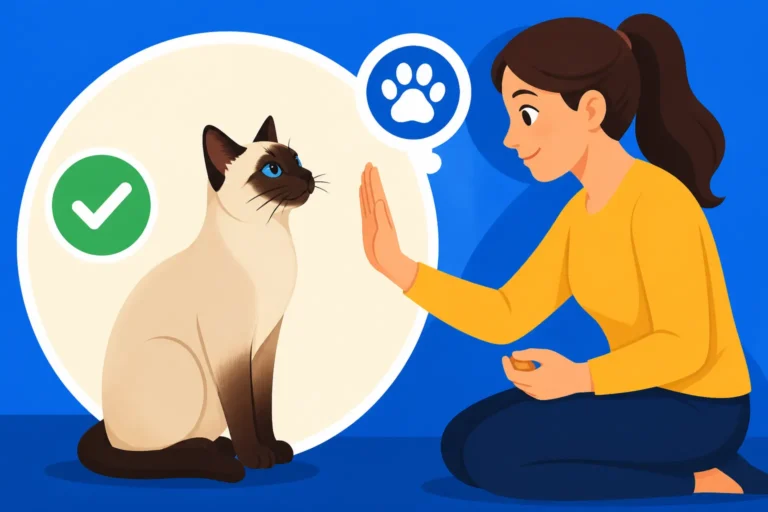
This is a crowd-pleaser and a great way to bond with your Siamese. To teach "high-five," have your cat sitting. Hold a treat in your closed fist, extending it towards them. They will likely paw at your hand to try and get the treat. The moment their paw touches your hand, click and open your hand to give them the treat. Repeat this several times.
Once they're consistently pawing your closed fist, start holding your hand flat, palm open, as if to shake hands. When they place their paw on your open palm, click and treat. Then, introduce the verbal cue "High-five" or "Shake" as their paw makes contact. Over time, you can raise your hand a bit higher to encourage a true "high-five." It's an adorable trick that demonstrates their intelligence and your connection. For a step-by-step breakdown, check out How to Teach a Siamese Cat to High Five.
Advanced Maneuvers: Impressing Your Friends and Your Cat
Once your Siamese has mastered the basics, you can move on to more complex and engaging tricks. These often require a bit more patience and creativity but can be incredibly rewarding.
Fetching Like a Pro
Yes, you read that right – many Siamese cats absolutely love to fetch! Their playful, interactive nature makes them excellent candidates for this traditionally dog-centric activity. My own Siamese, Luna, could play fetch for twenty minutes straight, bringing the toy back every single time. The key is to find a toy they are obsessed with. Think crinkly balls, spring toys, or small, soft mice – anything they'll excitedly chase.
Start by throwing the toy a very short distance. When your Siamese retrieves it, even if they just bat it back towards you, click and reward. The trick is getting them to bring it all the way back. Many cats will drop it a few feet away. You can encourage them by luring them closer with another treat or by making excited noises to draw them in. Some people find success by immediately offering a treat as the cat drops the toy, reinforcing the "return" aspect. Persistence and finding the right toy are crucial. You might be surprised to discover How Well a Siamese Cat Fetches. Platforms like Amazon offer a wide array of cat toys, so you can experiment to find your Siamese's absolute favorite for fetching.
Leash Training for Adventures
This is an incredibly fulfilling trick for many Siamese owners, as it allows these curious and adventurous cats to safely explore the outdoors. Siamese cats are often quite bold and love novelty, making them better candidates for leash training than many other breeds. However, it requires a slow, gradual approach.
First, you need a comfortable, well-fitting harness (not just a collar, as cats can easily slip out of them). Let your Siamese wear the harness for short periods indoors, gradually increasing the time, always supervising them. Reward them with treats and praise while they're wearing it to create a positive association. Once they're comfortable with the harness, attach the leash and let them drag it around the house for a bit, still supervised. The goal is for them to ignore it.
Next, start with short walks around your yard or a very quiet, safe outdoor space. Don't expect them to walk like a dog on a tight leash; allow them to lead and explore. Just follow their pace. Again, always bring treats for positive reinforcement. This process can take weeks or even months, but the reward of shared outdoor adventures can be immense. For comprehensive advice on this, refer to How to Leash Train a Siamese Cat.
Navigating Obstacle Courses
For the truly ambitious Siamese owner, setting up a mini obstacle course can provide incredible mental and physical enrichment. This is where your cat's intelligence and agility truly shine. You can use household items like tunnels (collapsible cat tunnels are great and readily available on Amazon), cushions to jump over, cardboard boxes to crawl through, or even a broomstick to jump over.
Start with one obstacle at a time. Lure your cat through a tunnel with a treat, clicking and rewarding them when they emerge. Then, set up another obstacle, like a low jump. Lure them over it. Once they master individual obstacles, you can start chaining them together. Make it a game, keep it fun, and always use positive reinforcement. Your Siamese will love the challenge and the focused attention. This kind of activity also satisfies How Much Play a Siamese Cat Needs and keeps their active minds engaged, preventing boredom which can lead to unwanted behaviors.
Troubleshooting and Common Challenges
Even with the smartest Siamese, training isn't always a straight line. There will be days when they're not interested, days when they seem to forget everything, and moments when their innate "diva" personality takes over. Understanding these challenges and how to overcome them is crucial for success.
When Your Siamese Decides to Be a Diva
Ah, the classic Siamese attitude! One day they're performing like a pro, the next they're looking at you as if to say, "Are you serious? You expect me to sit for that?" This isn't necessarily stubbornness; it could be boredom, a lack of motivation (maybe the treats aren't exciting enough today), or simply that they're not feeling it.
When your Siamese pulls a diva move, don't force it. Trying to compel them will only create negative associations with training. Instead, try one of these strategies:
- Change the treat: Is there something even more irresistible you could offer?
- Change the environment: Are there too many distractions? Move to a quieter room.
- Shorten the session: Maybe they only have a two-minute attention span today. End on a tiny success.
- End the session: If they're truly not into it, call it a day and try again later or tomorrow. Don't let yourself get frustrated. Your What a Siamese Cat's Temperament Is Really Like means they will respond best to patience and understanding.
Remember, the goal is always to make training a positive experience, so respecting their "off" days is part of that.
Keeping Training Fun and Engaging
The worst thing you can do is let training become a chore. For a Siamese cat, fun is a huge motivator. If it's not fun, they won't participate. To keep things fresh:
- Vary the tricks: Don't just do the same trick over and over. Mix in different commands.
- Use different rewards: While treats are great, sometimes a favorite toy or a vigorous petting session can be an excellent reward.
- Incorporate play: Integrate tricks into play sessions. For example, have them "sit" before you throw their favorite fetching toy. This is particularly helpful because Why a Siamese Cat Will Not Be Ignored and they thrive on interaction, so making training a form of play works wonders.
- Introduce new challenges: Once they master a trick, try a slightly harder variation or combine two tricks. If you have a Whether a Puzzle Feeder Occupies a Siamese Cat, you know they love a challenge, so apply that to tricks.
Always maintain an enthusiastic and lighthearted attitude. Your cat will pick up on your energy.
Recognizing Limits and When to Stop
While Siamese cats are incredibly intelligent and capable of learning a wide array of tricks, it's also important to recognize their individual limits. Not every cat will be interested in every trick, and some might have physical limitations. For example, an older Siamese might not be as eager to jump through hoops as a spry kitten.
Pay attention to your cat's body language. Are they enjoying it? Are they stressed? Are they actively participating, or just tolerating it for the treats? If your cat consistently shows signs of disinterest, frustration, or fear, it's okay to move on from that particular trick or take a break from training altogether. The purpose of training is to enrich their lives and strengthen your bond, not to create stress. Knowing when to quit and when to push gently is part of becoming an excellent cat trainer. Ultimately, understanding Whether a Siamese Cat Is Right for You often comes down to appreciating their unique personality and adapting your expectations to their needs.
Disclaimer
This article is for general informational purposes only and does not constitute professional advice. Laws, prices and regulations vary by location and change over time. Consult a qualified professional for guidance on your specific situation.