Which Fabrics a Siamese Cat Goes For
If you've ever found your beloved Siamese cat kneading, sucking, or even outright chewing on blankets, sweaters, or other soft items, you're not alone. This guide delves deep into why Siamese cats have such a strong attraction to certain fabrics, helping you understand their fascinating — and sometimes frustrating — preferences, and offering practical advice to keep both your belongings and your feline friend safe.
The Allure of Fabric for Siamese Cats
Siamese cats are known for many things: their striking looks, their vocal nature, and often, their peculiar habits. Among these, an undeniable fascination with fabrics stands out. It's not just a casual interest; for many Siamese, it's a deeply ingrained behavior, often tied to their genetic predisposition and early life experiences. Understanding this isn't just about protecting your favorite cashmere; it's about understanding your cat.
Why Certain Textures Are Irresistible
Imagine the softest, most luxurious blanket you own. Now imagine experiencing that texture not just with your hands, but with your entire body, your paws kneading rhythmically, your mouth exploring every fiber. For a Siamese cat, certain textures are simply irresistible. They seem to seek out materials that provide a particular sensory experience. Think about the fine, short, silky coat of a Siamese itself – they are creatures of subtle, refined tactile input.
Fabrics that are exceptionally soft, loosely woven, or have a slightly fluffy or fuzzy quality often hit the sweet spot. These textures mimic the feel of a mother cat's fur, providing a comforting, almost primal sensation. It's not just about the surface feel, but also how the fabric yields under their paws and in their mouths. A thick, plush fleece or a soft wool blanket can offer that perfect combination of give and resilience. This isn't just a random preference; it's a deeply rooted instinct for comfort and security.
The Comfort Connection: More Than Just a Habit
For many Siamese cats, engaging with fabrics goes beyond simple preference; it's a profound comfort behavior, often linked to what's known as "wool sucking" or "pica." While not all fabric chewers have full-blown pica, the underlying drive often stems from similar emotional needs. This isn't just a naughty habit; it's often a coping mechanism.
This behavior frequently originates in kittenhood, particularly if a kitten was weaned too early or experienced stress. The act of kneading and sucking on a soft fabric can replicate the soothing action of nursing from their mother. It releases endorphins, creating a sense of calm and well-being. This means that a Siamese cat engaging in wool sucking might be seeking to alleviate anxiety, boredom, or even physical discomfort. It’s a self-soothing ritual that can be deeply ingrained. Owners often describe their cats "zoning out" during these sessions, completely engrossed in the fabric. This underscores that it's not a deliberate act of mischief, but a genuine need for comfort and security. Understanding this helps us approach the issue with more empathy and less frustration. You can read more about Whether Early Weaning Causes Siamese Cat Wool Sucking.
Common Fabrics Siamese Cats Target and Why
When it comes to fabric fascination, not all materials are created equal in the eyes – or mouths – of a Siamese cat. There's definitely a hierarchy of desirability, and understanding what makes certain fabrics more appealing can help you manage your home environment.
Wool, Fleece, and Soft Knits: The Top Contenders
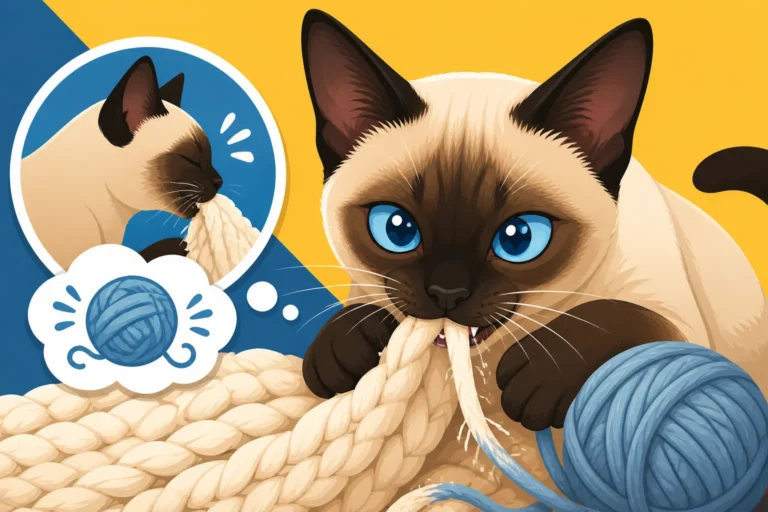
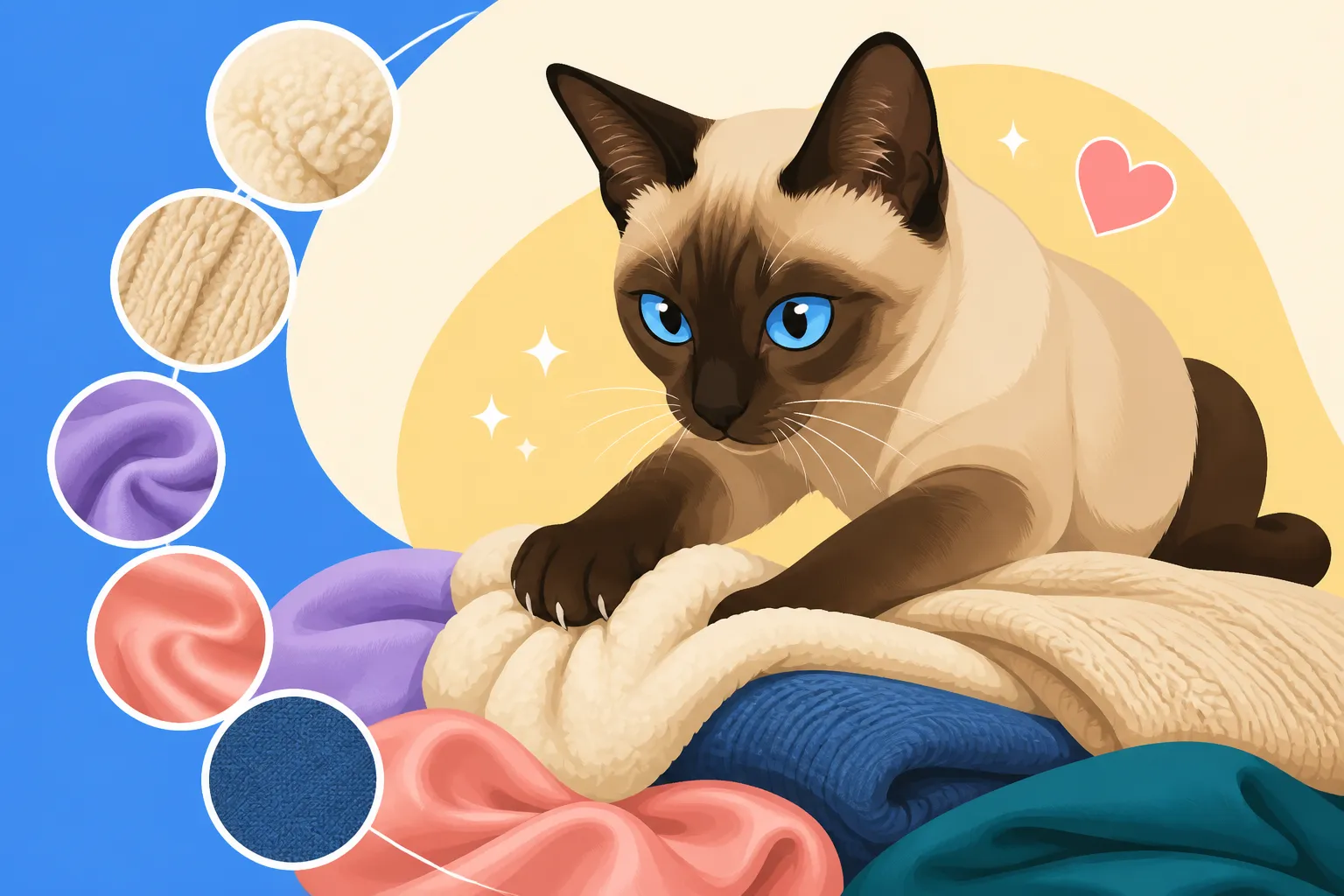
Without a doubt, wool and fleece often sit at the top of the list for Siamese cats. There's something about the texture, the warmth, and often the natural lanolin scent of wool that seems to be incredibly appealing. Wool's fibers are soft, pliable, and when wet with saliva, can have a satisfying chewiness. This makes wool sweaters, blankets, and even certain types of carpet particularly vulnerable. It's not uncommon to find little damp patches or even frayed edges on wool items where a Siamese has been at work.
Fleece, especially microfleece or plush varieties, is another major target. Its softness and ability to hold warmth make it feel incredibly comforting. Many owners report that their Siamese cats will actively seek out fleece blankets, jackets, or even slippers to knead and suck on. The synthetic fibers in fleece might not have the same natural appeal as wool, but their ultra-soft, somewhat yielding nature provides that sought-after tactile satisfaction. Which Fabrics a Siamese Cat Goes For could also extend to other soft knits, like cotton blends, chenille, or even velvet, particularly if they are loosely woven and offer a good "mouthfeel." They are often easy to grasp with teeth and paws, making the self-soothing action effortless.
Beyond the Obvious: Unexpected Fabric Targets
While wool and fleece are classic choices, Siamese cats can surprise you with their diverse preferences. Some will fixate on seemingly ordinary items that offer a unique sensory experience. For instance, soft cotton t-shirts, especially worn ones that carry your scent, can become targets. The smell of their favorite human combined with a soft, absorbent fabric can be a double whammy of comfort. Similarly, silk or satin items, despite their smooth texture, might appeal due to their coolness and luxurious feel, though sucking on these is less common than kneading.
Beyond clothing and blankets, you might find your Siamese engaging with upholstery fabric – particularly on a favorite armchair or couch. This can be more destructive, leading to visible damage. Even unexpected things like bathmats, towels, or laundry left on the floor can become temporary objects of affection, especially if they are soft and absorbent. It's almost as if they have an internal radar for anything that promises comfort and tactile engagement. A key indicator of pica is not just sucking but actual ingestion. If your Siamese is actively consuming fabric, even small bits, it's a serious concern that needs attention due to the risk of intestinal blockages. Signs a Siamese Cat Has an Intestinal Blockage are crucial to know if this becomes a concern.
Here’s a quick overview of common fabric targets:
| Fabric Type | Why it's Appealing | Common Items Affected | Potential Risk |
|---|---|---|---|
| Wool | Soft, warm, natural scent, pliable texture | Sweaters, blankets, socks | Ingestion, blockages |
| Fleece | Ultra-soft, comforting, holds warmth | Blankets, jackets, pet beds | Ingestion, blockages |
| Soft Knits | Yielding, easy to grasp, comforting feel | T-shirts, scarves, throws | Fraying, ingestion |
| Cotton (soft) | Absorbent, familiar scent, gentle texture | Old shirts, towels, bedding | Minor damage |
| Silk/Satin | Smooth, cool, luxurious feel (less common for sucking) | Scarves, lingerie, pillows | Minor damage |
| Upholstery | Fixed, accessible comfort spot (especially on furniture) | Couches, armchairs, pet beds | Fabric tears |
Protecting Your Home (and Your Cat) from Fabric Obsession
Dealing with a Siamese cat's fabric fascination requires a multi-pronged approach that balances managing their environment with addressing their underlying needs. It's about prevention, redirection, and sometimes, intervention for their safety.
Strategies for Deterrence and Redirection
The first line of defense is often simply removing the most tempting items from your cat's access. If your favorite wool sweater is a prime target, store it in a drawer or closet where your cat can't get to it. Designate specific, cat-safe blankets or plush toys for them to knead and suck on. These should be made of durable, non-toxic materials that won't fray easily or cause harm if ingested. Look for items specifically designed for cats, which you can often find on platforms like Amazon.
Redirection is key. If your cat starts kneading or mouthing an inappropriate item, gently interrupt them and offer an acceptable alternative. Make the approved items irresistible by warming them slightly or rubbing them with catnip. You might also try introducing puzzle feeders to engage their minds and hunting instincts, diverting their focus from fabrics. These mental challenges can be very effective for intelligent breeds like the Siamese. What a Bored Siamese Cat Destroys often includes fabric items, highlighting the link between boredom and this behavior.
Consider using deterrents on items you can't easily remove. Pet-safe bitter sprays (available on Amazon) can make fabrics unappealing to chew or suck on. Some cats, however, are immune to these. Another tactic is to change the texture of the surface; for example, covering an upholstered chair with a smooth, less appealing fabric protector when not in use. Ensuring your cat has plenty of appropriate scratching posts and vertical climbing spaces can also satisfy some of their tactile needs. You can explore a wide variety of interactive toys and enrichment tools on Amazon that might help satisfy their need for stimulation and comfort.
When to Seek Professional Guidance
While some fabric-sucking is a benign comfort behavior, it's crucial to know when it crosses into a problematic territory that warrants professional help. If your Siamese is actually ingesting fabric, even small amounts, it's a significant health risk. Ingested fabric can lead to life-threatening intestinal blockages, which require emergency veterinary intervention. Watch for signs like vomiting, lethargy, loss of appetite, constipation, or straining to defecate, as these could indicate an obstruction. If you suspect your cat has swallowed fabric, don't delay – call your vet immediately.
Beyond the physical risks, persistent and excessive fabric obsession can signal underlying stress, anxiety, or even a nutritional deficiency, though the latter is less common. If redirection and environmental management aren't working, or if the behavior seems compulsive and negatively impacts your cat's quality of life, it's time to consult your veterinarian. They can rule out any medical causes and may refer you to a veterinary behaviorist. A behaviorist can help identify the root cause of the pica or wool sucking and develop a tailored plan, which might include dietary changes, environmental enrichment strategies, or even anti-anxiety medication. Remember, this isn't about "punishing" your cat, but understanding and supporting their needs for a happier, healthier life. Sometimes, their stress manifests as Psychogenic Alopecia in a Siamese Cat, another sign that professional help might be needed. Additionally, discussing Whether Medication Helps a Siamese Cat's Pica with your vet might be an option for severe cases.
Disclaimer
This article is for general informational purposes only and does not constitute professional advice. Laws, prices and regulations vary by location and change over time. Consult a qualified professional for guidance on your specific situation.