Whether a Siamese Cat Suits a First Time Owner
So, you're enchanted by the striking blue eyes and elegant silhouette of the Siamese cat, and you're wondering if one of these vocal beauties could be your first feline companion. It's a completely valid question, because while Siamese cats are incredibly loving and intelligent, they are definitely not your average laid-back lap cat, and understanding their unique needs is crucial for a happy, harmonious home, especially for a new cat parent. This comprehensive guide will walk you through everything a first-time owner needs to consider before welcoming a Siamese into their life, helping you decide if you're ready for their charm and intensity.
The Unique Siamese Cat Temperament: More Than Just a Pretty Face
The Siamese cat isn't just known for its stunning good looks; it's renowned for a personality that's as captivating as it is demanding. Many people are drawn to the breed's striking appearance, but it's their temperament that truly defines the ownership experience. These cats are often described as having "dog-like" personalities, which means they're incredibly interactive and involved in your life, but it also comes with a unique set of expectations on their part. For a first-time owner, this can be a delightful surprise or a significant adjustment, depending on what you're expecting from a cat.
Their Affectionate Nature
Siamese cats are, without a doubt, one of the most affectionate cat breeds you'll ever encounter. They thrive on close companionship and often form an incredibly strong bond with one or two primary caregivers. If you're looking for a cat that will greet you at the door, follow you from room to room, and insist on being part of every activity, a Siamese might be perfect. They often enjoy snuggling under the covers, curling up on your lap while you work, or perching on your shoulder as you walk around the house. This constant presence can be incredibly comforting and rewarding, creating a deep connection that many first-time owners cherish. However, this deep affection also translates into a need for reciprocal attention; they aren't content to simply exist in the same house as you. They want to engage with you.
The Demand for Attention
Here's where the "dog-like" descriptor really comes into play: Siamese cats demand attention. They don't just hope for it; they actively seek it out, and they won't hesitate to let you know if they feel neglected. This can manifest as persistent meowing, gently nudging your hand with their head, or even playfully swatting at your pen while you're trying to write. If you're someone who is out of the house for long hours, or if you prefer a more independent feline companion, a Siamese might find your schedule or your preferences deeply unsatisfying. They truly thrive in environments where their humans are present and willing to interact frequently throughout the day. For a first-time owner, recognizing this need for constant engagement is critical to prevent frustration on both sides.
Playful and Curious Personalities
Beyond affection, Siamese cats are endlessly playful and profoundly curious. They retain a kitten-like playfulness well into adulthood, turning anything into a toy and exploring every nook and cranny of your home. This means they need ample opportunities for play and mental stimulation. A bored Siamese is a mischievous Siamese, and their intelligence combined with their energy can lead them to invent their own entertainment, which might not always align with your household rules. Think open cupboards, knocked-over trinkets, or exploring places you never thought a cat could reach. What a Siamese Cat's Temperament Is Really Like delves deeper into their core traits, but suffice it to say, if you're not ready for an active, inquisitive cat who needs regular playtime, you might find yourself overwhelmed.
The Infamous Siamese Vocalization: Learning to Speak "Meezer"
One of the most defining and often debated characteristics of the Siamese cat is their voice. It's not just a cute meow; it's a full-on conversation, a lament, a demand, and sometimes, a true "yowl." For first-time owners, this can be the biggest culture shock, and it's essential to understand what you're signing up for before bringing one home.
Understanding the Siamese Yowl
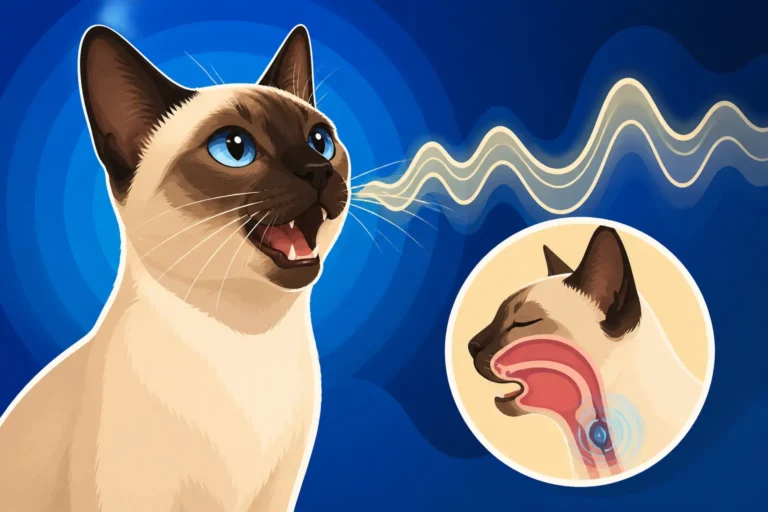
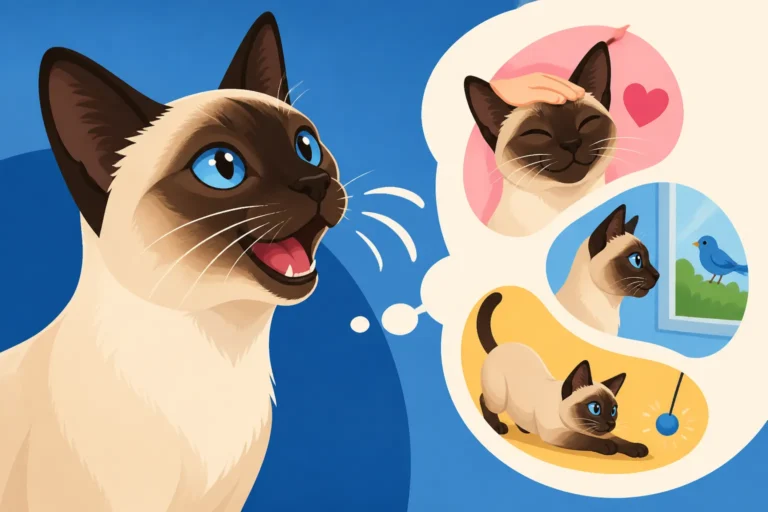
The Siamese yowl is legendary for a reason. It's a loud, often low-pitched, and incredibly persistent vocalization that sounds unlike any other cat's meow. Many describe it as sounding like a baby crying, or a mournful siren. They use this distinctive voice to communicate everything from "I'm hungry" and "I need attention" to "Play with me" and "Why is this door closed?" They are, in essence, trying to have a conversation with you, and they expect an answer. What the Siamese Cat's Meezer Yowl Sounds Like explains this unique sound in detail. Imagine a cat that doesn't just meow politely once but delivers a continuous monologue until its needs, perceived or real, are met. This can be endearing for some, but for others, especially those living in apartments or sensitive to noise, it can become a significant source of stress.
Managing the Volume
Let's be realistic: you can't stop a Siamese cat from being vocal. It's part of their genetic makeup and their personality. However, a first-time owner can learn to manage the volume and frequency of their vocalizations. This often involves understanding why they are yowling. Are they truly hungry? Do they need play? Are they simply lonely? Providing consistent attention, scheduled playtimes, and ensuring their basic needs are met can help reduce excessive vocalizations. Ignoring them completely can sometimes backfire, making them yowl even louder because they're convinced you haven't heard them yet. It's a delicate balance of validating their communication while not rewarding every single yowl with immediate gratification, which can inadvertently train them to be even more demanding.
Communication Beyond Meows
While their loud vocalizations are famous, Siamese cats also communicate through a fascinating array of other sounds and body language. They chirp when they spot a bird outside, trill a welcoming greeting, and purr with an intensity that vibrates through your entire body. Their body language is also incredibly expressive; a wagging tail (not like a dog, but an excited swish) or a focused stare can tell you exactly what they want. For a first-time owner, learning to interpret these subtle cues alongside their loud protests can strengthen your bond and help you understand your cat's needs before the full-blown yowl even begins. They might be trying to tell you something with a gentle rub or a specific glance long before they resort to their infamous voice.
High Energy and Play Needs: A Cat That Never Stops Moving
If you picture a cat as a creature content to nap in a sunbeam for 16 hours a day, a Siamese will shatter that expectation. These cats are bundles of energy, needing significant physical and mental exercise to stay happy and healthy. This active lifestyle is another crucial consideration for first-time owners.
The Need for Mental and Physical Stimulation
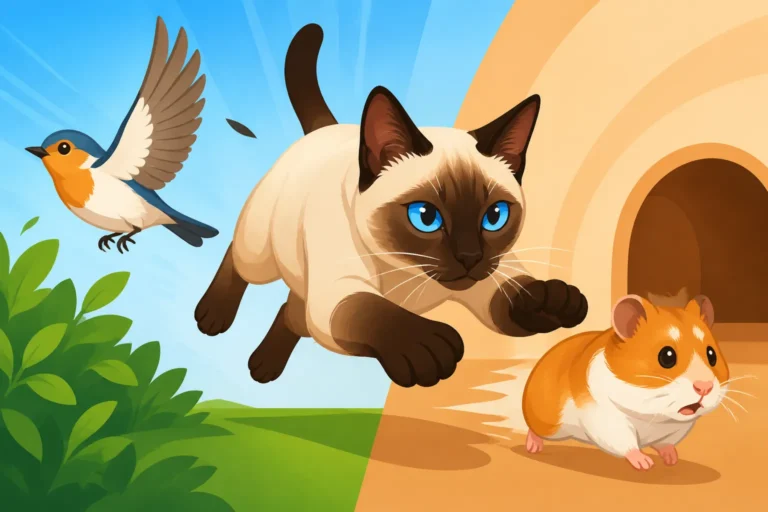
Siamese cats are not couch potatoes. They need frequent, engaging play sessions to burn off energy and keep their intelligent minds stimulated. If they don't get enough outlets for their natural hunting instincts and boundless curiosity, they can become bored, stressed, and potentially destructive. This isn't just about throwing a toy once a day; it's about structured, interactive play that mimics hunting, problem-solving, and exploration. How Much Play a Siamese Cat Needs outlines the kind of engagement they require. A first-time owner needs to be ready to dedicate time and energy to this aspect of their care daily.
Interactive Play is Key
Passive play with toys scattered around the house simply won't cut it for most Siamese cats. They thrive on interactive play with their human companions. This means using wand toys, feather teasers, and even laser pointers (used responsibly, always ending with a tangible toy) to engage them in chasing, pouncing, and "killing" prey. Rotate toys regularly to keep things interesting. Puzzle feeders, which require the cat to work for their food, are also excellent for mental stimulation. Investing in a variety of high-quality, durable toys, perhaps from a trusted retailer like Amazon, is a must. These aren't just accessories; they're essential tools for keeping your Siamese happy and preventing behavioral issues.
Dealing with Destructive Boredom
A bored Siamese cat is a creative cat, and their creativity often leads to behaviors you might not appreciate. This can range from climbing curtains and scaling bookshelves to knocking items off shelves (just to watch them fall, of course!) or even shredding toilet paper rolls with gusto. Some might even resort to excessive grooming or Psychogenic Alopecia in a Siamese Cat if their mental and physical needs aren't met. For a first-time owner, witnessing such "misbehavior" can be confusing and frustrating. The key is to understand that it's often a symptom of under-stimulation, not naughtiness. Providing plenty of vertical space (cat trees are a must!), regular play, and puzzle toys can significantly reduce these unwanted behaviors. Without these outlets, your Siamese might just redesign your living room in ways you didn't intend.
Intelligence and Trainability: The "Dog-Like" Cat Myth Debunked
You've heard that Siamese cats are smart, maybe even "dog-like." While it's true they possess remarkable intelligence and can be trained, it's crucial for a first-time owner to understand what that actually means and where the similarities end. They are still cats, after all, with their own unique motivations.
How Smart Are They?
Siamese cats are exceptionally intelligent, often ranking among the brightest cat breeds. This intelligence manifests in their problem-solving abilities, their curious nature, and their uncanny knack for learning routines and anticipating your next move. They quickly figure out how to open cabinets, turn on faucets, or even escape from "secure" rooms. This sharp mind needs an outlet. If you're looking for a cat that will challenge you and keep you on your toes mentally, a Siamese is a perfect match. Their cleverness can be a joy to behold, but for a first-time owner, it also means you need to be one step ahead, constantly enriching their environment to prevent them from getting into trouble out of sheer boredom. How Clever a Siamese Cat Is offers more insight into their impressive mental capacities.
Clicker Training and Tricks
Unlike many cats, Siamese often genuinely enjoy the process of training. They respond incredibly well to positive reinforcement methods, especially clicker training. You can teach a Siamese cat to sit, stay, fetch, high-five, and even walk on a leash. This isn't just a fun parlor trick; it's a fantastic way to provide mental stimulation, strengthen your bond, and reinforce good behaviors. For a first-time owner, learning the basics of clicker training can be an invaluable tool for managing their active minds and channeling their energy positively. It also gives you a constructive way to interact with your cat, moving beyond just petting and feeding. Finding a good clicker and some high-value treats on Amazon is a great starting point for this rewarding activity.
Leash Training and Outdoor Exploration
Given their intelligence and adventurous spirit, many Siamese cats take well to leash training. This isn't about letting them roam free but allowing them safe, supervised outdoor experiences in a harness. A sturdy harness and leash (again, readily available from online retailers) can open up a world of new scents and sights, providing incredible enrichment. For a first-time owner, this requires patience and consistency to get your cat comfortable with the harness and walking. It's a fantastic way to prevent boredom and provide novelty, especially for indoor-only cats. Just remember, safety first – a secure harness and a watchful eye are paramount to protect your adventurous Siamese from potential hazards.
Social Needs: Can a Siamese Cat Live Alone?
One of the most common questions first-time owners have about Siamese cats is whether they can be left alone. Given their highly social nature, this isn't a simple "yes" or "no" answer. Understanding their profound need for companionship is vital for their well-being.
The Fear of Being Alone
Siamese cats are deeply social creatures who crave interaction with their human families. They don't do well when left alone for extended periods. If you work long hours or travel frequently, a Siamese might develop separation anxiety. This can manifest as destructive behavior, excessive vocalization, inappropriate urination, or even over-grooming to the point of What Psychogenic Alopecia Does to a Siamese Cat. They become genuinely distressed when isolated. For a first-time owner with a busy schedule, this is a serious consideration. You can't just leave them with food and water and expect them to be content. They need companionship. How Long a Siamese Cat Can Be Left Alone explores this issue in more depth, highlighting that more than a few hours regularly can be problematic.
Considering a Companion Cat
For homes where humans are frequently absent, providing a feline companion can be an excellent solution. Siamese cats often thrive in pairs, especially if they are introduced properly. Another playful cat, ideally one with a similar energy level, can provide the companionship and interactive play that a lone Siamese desperately needs. This doesn't mean you're off the hook for attention, but it can significantly reduce loneliness and boredom. However, introducing a second cat requires careful planning and patience, and it also means doubling some of the costs and care responsibilities. For a first-time owner, managing two cats instead of one adds another layer of complexity.
Bonding with Their Human
Even with a companion cat, a Siamese will still bond deeply with their human. They aren't aloof or independent; they see their humans as part of their "colony" and expect to be included. They'll follow you, "talk" to you, and demand lap time. This intense bonding is incredibly rewarding, but it requires a commitment of time and affection from you. For a first-time owner, it means being prepared for a cat that is deeply integrated into your daily life, not just a decorative pet. They will become your shadow, your confidante, and your tiny, insistent supervisor.
Potential Challenges for First-Time Owners
While the prospect of owning a Siamese cat is exciting, it's important to approach it with realistic expectations, especially as a first-time owner. There are specific challenges that come with this breed that might catch new cat parents off guard.
The Time Commitment
The biggest challenge for many first-time Siamese owners is the sheer time commitment. These aren't cats you can ignore. They require daily interactive play sessions, consistent attention, mental stimulation through training or puzzle toys, and plenty of social interaction. If you have a demanding job, a packed social calendar, or other commitments that take up a lot of your time and energy, a Siamese might not be the best fit. They need an owner who is willing and able to dedicate significant portions of their day to their cat's well-being and happiness. This isn't just about feeding them; it's about being present and engaging.
Managing High Expectations
New cat owners often have a romanticized idea of what cat ownership will be like. With a Siamese, those expectations can quickly collide with reality. Their vocal nature, high energy, and demanding personalities can be overwhelming if you were expecting a quiet, independent feline. Some first-time owners might struggle with the noise level, the constant need for attention, or the clever ways a bored Siamese finds trouble. It's important to manage your own expectations and be prepared for a cat that will actively participate in your life, sometimes whether you want them to or not! Understanding Why So Many Siamese Cats End Up in Rescue often comes down to owners being unprepared for these very traits.
Coping with Specific Health Considerations
Like many purebreds, Siamese cats are predisposed to certain health issues, and a first-time owner should be aware of these. Conditions like Progressive Retinal Atrophy (PRA), which can lead to blindness, or amyloidosis, a serious organ disease, are more common in the breed. Amyloidosis Is the Disease That Kills Young Siamese Cats is a stark reminder of these genetic predispositions. While not every Siamese will develop these issues, understanding the potential for increased vet bills and specialized care is crucial. Pet insurance can be a wise investment, but it's important to research what it covers and what it costs. Being a responsible owner means being prepared for the health challenges that might arise over The Fifteen to Twenty Years a Siamese Cat Gets.
Preparing Your Home for a Siamese Cat
Bringing a Siamese cat into your home means more than just buying a food bowl and a litter box. You need to create an environment that caters to their unique physical and mental needs from day one. This preparatory work is especially important for first-time owners who might not realize the extent of a Siamese's needs.
Creating an Enriching Environment
A stimulating environment is crucial for a Siamese cat's happiness. This means providing plenty of vertical space with tall cat trees and shelves where they can climb and observe their domain from on high. Window perches are also a must, offering them entertainment as they watch the world outside. A variety of toys, including interactive ones and puzzle feeders, should be rotated regularly to keep their minds engaged. Consider cat-safe plants for them to sniff and bat at, and ensure they have access to scratching posts and pads in various textures and locations. Enrichment for a Siamese Cat That Gets Bored in an Hour offers fantastic ideas for keeping these clever cats entertained.
Essential Supplies and Setup
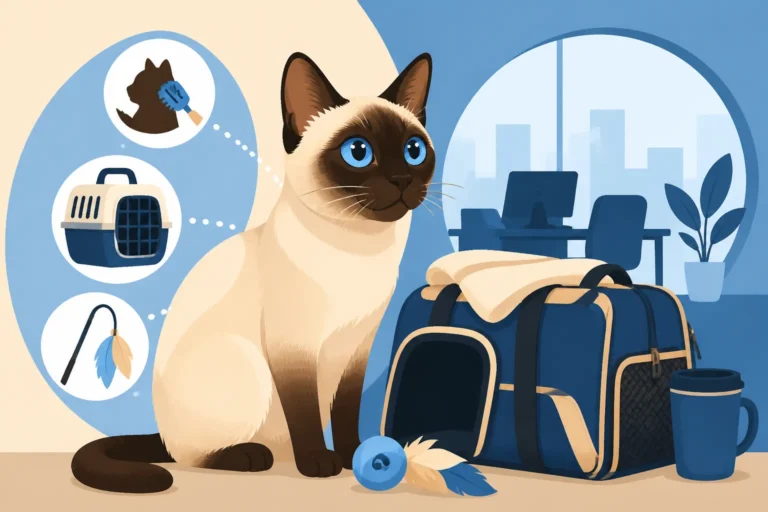
Beyond enrichment, there are some basic supplies that every Siamese cat owner needs. Here's a quick checklist for first-time owners:
| Category | Essential Items | Notes |
|---|---|---|
| Food & Water | High-quality cat food | Consult your vet for age-appropriate recommendations. Consider wet food for hydration. |
| Food bowls (ceramic or stainless steel) | Avoid plastic, which can harbor bacteria. | |
| Water fountain or multiple water bowls | Siamese often prefer moving water; encourages hydration. Look for options on Amazon. | |
| Litter & Waste | Litter boxes (at least one per cat + one extra) | Large, open boxes often preferred. |
| Low-dust, unscented litter | Especially important given potential respiratory sensitivities. | |
| Litter scoop & waste bags | Keep things clean daily. | |
| Play & Exercise | Wand toys & feather teasers | Crucial for interactive play. |
| Puzzle feeders & treat-dispensing toys | Excellent for mental stimulation. | |
| Cat trees & climbing shelves | Provide vertical territory and observation points. | |
| Scratching posts/pads (various materials) | Redirect natural scratching behavior. | |
| Comfort & Grooming | Cat bed or cozy sleeping spots | Siamese love warmth, so a heated bed might be appreciated. |
| Grooming brush (rubber curry brush or slicker) | Siamese have short coats but benefit from regular brushing. | |
| Nail clippers | Essential for regular nail trims. | |
| Carrier | For vet visits and safe transport. Ensure it's sturdy and secure. Many great ones are available on Amazon. | |
| Safety & Health | First-aid kit (cat-specific) | Consult your vet for contents. |
| Veterinary contact information | Keep it handy for emergencies. |
Safety Proofing for a Clever Cat
Given their intelligence and curiosity, Siamese cats are masters at getting into things they shouldn't. For a first-time owner, this means going beyond basic kitten-proofing. Secure cabinets with child locks, especially those containing cleaning supplies or human foods. Put away small objects that could be swallowed, as some Siamese are prone to Why a Siamese Cat Chews Wool and Swallows It. Cover electrical cords, and make sure windows are securely screened. Any toxic plants should be removed from the home. Remember, if there's a way to open it, climb it, or get inside it, a Siamese will probably find it. Being proactive about safety proofing can prevent a lot of stress and potential emergencies.
Making the Decision: Is a Siamese Truly Right for You?
Ultimately, the decision of whether a Siamese cat is right for a first-time owner comes down to a honest self-assessment of your lifestyle, expectations, and commitment level. They are not a "starter" cat in the traditional sense, but with the right understanding and dedication, they can be the most rewarding companions imaginable.
Self-Assessment: Are You Ready?
Before you take the plunge, ask yourself these tough questions:
- Do you have ample time? Are you genuinely able to dedicate several hours a day to interactive play and direct attention?
- Are you tolerant of noise? Can you handle a cat that will be vocal, often loudly, throughout the day and sometimes at night? Whether a Siamese Cat Suits an Apartment Building is a valid consideration if you have close neighbors.
- Are you prepared for an active, intelligent companion? Do you enjoy engaging with your pets, teaching tricks, and providing constant mental stimulation?
- Is your home suitable for a high-energy cat? Do you have space for cat trees, scratching posts, and safe areas for them to explore?
- Are you financially prepared? Not just for the initial cost (which can be significant, as detailed in What a Siamese Cat Costs to Buy in 2026), but for potential health issues and ongoing enrichment.
- Are you committed for the long haul? Siamese cats live for many years, often 15-20. Are you ready for that kind of long-term commitment?
If you answered "yes" to these questions, then a Siamese cat might just be your perfect match. If you hesitated on several, it's worth re-evaluating if this is the right breed for your first cat.
Finding the Right Siamese
If you decide a Siamese is for you, finding the right cat is the next step. For first-time owners, this often means choosing between a kitten from a reputable breeder or adopting an adult cat from a rescue.
- Breeders: A good Siamese breeder will health screen their cats, provide health guarantees, and offer support and advice. They will be able to tell you about the kitten's temperament and lineage, which can be reassuring for a new owner. Be prepared for waitlists and thorough vetting on their part.
- Rescues: Adopting an adult Siamese from a rescue organization can also be a fantastic option. Many wonderful Siamese cats end up in rescues through no fault of their own, and an adult cat's personality is already developed, giving you a clearer idea of what to expect. Many rescues will be honest about the cat's vocalization levels, activity needs, and social preferences. What Adopting an Adult Siamese Cat Costs is often less than a kitten from a breeder, and it gives a deserving cat a second chance.
Regardless of where you find your Siamese, spend time with the cat if possible to observe their personality and interaction style.
The Long-Term Commitment
Bringing a Siamese cat into your life is a significant, long-term commitment. They will enrich your life with their boundless affection, clever antics, and constant communication. They will challenge you, make you laugh, and sometimes test your patience. For the right first-time owner, one who is prepared for their unique needs and willing to embrace their larger-than-life personality, a Siamese cat can be the most devoted and wonderful companion imaginable. It's a journey that's intense, often loud, and always full of love.
Disclaimer
This article is for general informational purposes only and does not constitute professional advice. Laws, prices and regulations vary by location and change over time. Consult a qualified professional for guidance on your specific situation.