Whether a Siamese Cat Accepts a Kitten
Bringing a new kitten into a home already ruled by a magnificent Siamese cat can feel like walking a tightrope. You adore your existing companion's chatty personality and intense affection, but you also dream of expanding your feline family. The big question, the one that keeps many devoted Siamese owners up at night, is simple: Will my Siamese cat actually accept a tiny, new kitten? It's a valid concern, because while Siamese cats are often very social, they also form incredibly strong bonds with their chosen humans and can be quite particular about their territory and routine. This guide will walk you through understanding your Siamese cat's unique needs and temperament, and provide a step-by-step approach to introducing a new kitten, giving both felines the best chance at a harmonious future.
Understanding the Siamese Cat's Social Nature and Potential Challenges
Siamese cats are renowned for their outgoing personalities, their vocality, and their almost dog-like devotion to their human companions. They thrive on interaction and can become quite distressed if ignored or left alone for long periods. This very social nature is often why owners consider getting a second cat, assuming their Siamese will welcome a playmate with open paws. However, it's not always that straightforward.
The Siamese Cat's Deep Bonds and Territorial Instincts
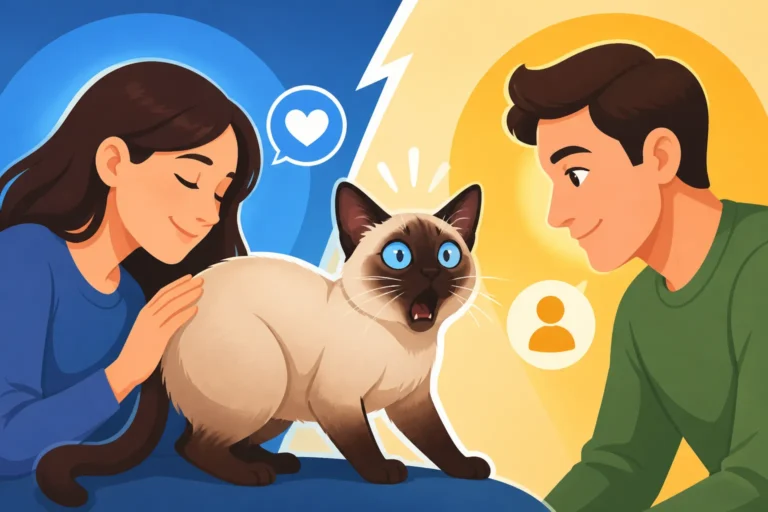
Your Siamese cat sees you as their person. They bond deeply and intensely, often following you from room to room, engaging in long conversations, and demanding attention. This strong attachment, while endearing, means they can also be highly sensitive to perceived threats to that bond. A new kitten, no matter how small and cute, can initially be seen as an intruder, a competitor for your affection, resources, and prime nap spots. How Attached a Siamese Cat Gets to One Person really highlights how profound these connections are.
Furthermore, Siamese cats are often quite confident and territorial. They've established their domain, complete with preferred windowsills, cat trees, and access to food and litter boxes. Introducing a new, tiny creature can disrupt this carefully constructed world, triggering protective instincts. They might not react with outright aggression, but subtle signs of stress, such as overgrooming, changes in litter box habits, or a sudden increase in their already legendary vocalizations, might appear. Don't underestimate the impact of a perceived invasion on your Siamese's sense of security.
Why a New Kitten Can Be a Shock to Their System
Imagine your perfect, predictable day. Now imagine a tiny, bouncy, unpredictable creature suddenly sharing your space, wanting your food, and trying to play with your favorite toys. That's often what a new kitten feels like to an adult Siamese cat. Their routines are sacred. A kitten might:
- Demand attention: Kittens are often fearless and will try to engage the older cat, even if the Siamese isn't in the mood.
- Invade personal space: They might try to cuddle or play when the Siamese wants peace, leading to hissing or swatting.
- Alter the household dynamics: Your attention will naturally be divided, which your Siamese might interpret as a loss of status or affection.
- Introduce new scents and sounds: Kittens have their own distinct smells and often vocalize differently than an adult cat, which can be unsettling.
Even a Siamese cat that might eventually love a companion needs time to process these changes. Rushing the introduction can create resentment and make future acceptance much harder. Patience is not just a virtue in this scenario; it's an absolute necessity.
Key Factors Influencing a Successful Introduction
While every cat is an individual, certain elements significantly impact the likelihood of a Siamese cat accepting a new kitten. Understanding these factors and proactively addressing them can set you up for success.
Age and Temperament of Your Resident Siamese
The age and individual personality of your existing Siamese cat play a huge role. A younger, more adaptable Siamese, perhaps one that has previously lived with other cats or seems generally laid-back, might accept a kitten more readily. They might even welcome the playful energy. Conversely, an older Siamese, especially one who has been an "only child" for many years, might be less enthusiastic about sharing their home and their human. The Age a Siamese Cat Is Considered Senior might mean they have less patience for kitten antics.
Consider their temperament:
- Highly social and playful Siamese: If your Siamese is constantly demanding playtime and interaction from you, a kitten might be a perfect outlet for their energy, eventually.
- Calm and aloof Siamese: A more reserved Siamese might tolerate a kitten but may never truly bond, preferring to coexist rather than engage.
- Anxious or stressed Siamese: If your Siamese is prone to anxiety or exhibits stress behaviors, introducing a kitten without extreme care could exacerbate these issues.
It's also worth noting that some Siamese cats, due to their strong personalities, actually do better with a companion after the initial shock wears off, as it provides them with constant mental and physical enrichment. A Siamese Cat Should Not Live Alone often rings true for many Meezers.
Preparing Your Home for the New Arrival
Before the kitten even sets a paw in your home, preparation is crucial. This isn't just about kitten-proofing; it's about creating separate, safe spaces for both cats to feel secure.
- Designate a "Kitten Sanctuary": This is a dedicated room (like a spare bedroom or bathroom) where the kitten will stay for the first few days or even weeks. It should have its own food, water, litter box, bedding, and toys. This gives the kitten a safe haven to decompress and prevents your Siamese from feeling completely invaded. You can find excellent starter kits for kittens, including small litter boxes and soft beds, on Amazon.
- Separate Resources: Even after the initial sanctuary phase, ensure both cats have their own food bowls, water stations, and at least one litter box each, plus one extra. So, for two cats, you'd want at least three litter boxes spread throughout the house. This prevents competition over essential resources, a common source of feline stress.
- Vertical Space: Cats love to climb and observe from above. Invest in cat trees, shelves, or window perches. These provide escape routes and prime viewing spots, allowing both cats to share space without necessarily being in direct contact. Amazon offers a wide variety of sturdy cat trees suitable for active Siamese cats.
- Pheromone Diffusers: Consider using feline pheromone diffusers, like Feliway, in the main areas of your home and the kitten's sanctuary. These release synthetic pheromones that mimic natural feline calming signals, helping to reduce stress and promote a sense of security for both cats.
The Gradual Introduction Process
The golden rule for introducing cats is slow and steady wins the race. There's no rushing this; forcing interaction will almost always backfire. Think weeks, not days, for a full integration.
Scent Swapping and Visual Acclimation
This stage is all about getting the cats used to each other's scent and presence without direct contact.
- Confinement and Scent Swapping (Days 1-7+): Keep the new kitten in their designated sanctuary room. Your resident Siamese should have full run of the rest of the house. Crucially, begin scent swapping. Gently rub a clean cloth or sock on your Siamese, focusing on their cheeks and head (where scent glands are), and place it in the kitten's room. Do the same for the kitten and place it in your Siamese's main area, perhaps near their food or favorite sleeping spot. Repeat this several times a day. You can also swap bedding between rooms. This allows them to become familiar with the new scent in a non-threatening way. Feed both cats on opposite sides of the closed door to the sanctuary, associating the new scent with something positive (food).
- Visual Introduction (After 3-7 days of scent swapping, if all is calm): Once both cats seem relaxed with the swapped scents (no excessive hissing, growling, or signs of stress), you can introduce supervised visual contact. A baby gate across the sanctuary door works wonderfully for this. This allows them to see, hear, and smell each other without direct physical interaction. Keep these sessions short and positive, distracting them with treats or toys. If either cat shows signs of aggression, calmly separate them and go back to scent swapping. Never force interaction. How to Introduce a Siamese Cat to a Resident Cat provides excellent detailed steps for this stage.
Supervised Meetings and Positive Reinforcement
Once visual acclimation goes smoothly, it’s time for carefully managed, short meetings.
- Short, Supervised Play Sessions (After successful visual introductions): Open the door to the kitten's sanctuary for very short periods (5-10 minutes) while you are actively supervising. Keep these initial meetings positive. Use a wand toy to engage both cats, or offer high-value treats. The goal is for them to associate each other's presence with positive experiences. Don't force them to interact; let them explore each other's presence at their own pace. If either cat becomes stressed, end the session calmly and try again later.
- Gradual Increase in Time and Freedom: As the cats become more comfortable, you can gradually increase the duration of their supervised time together. Continue to offer separate resources and vertical spaces. Always ensure both cats feel they have an escape route if they need one. Never leave them unsupervised until you are absolutely certain they are coexisting peacefully. This can take weeks or even months. Remember, Whether a Siamese Cat Is Happier in a Pair depends heavily on this careful introduction.
Here's a quick overview of what to look for at each stage:
| Stage | Goal | Siamese Cat Behavior (Positive) | Siamese Cat Behavior (Negative) | Intervention |
|---|---|---|---|---|
| Scent Swapping | Acceptance of new scent | Sniffs cloth calmly, no reaction, eats near door | Hissing, growling, swatting at door, refusal to eat | Return to scent swapping, reduce proximity of items |
| Visual Acclimation | Calm observation through barrier | Curious sniffing, relaxed posture, plays near barrier | Hissing, spitting, tense body language, staring | Separate calmly, return to scent swapping or door feeding |
| Supervised Meetings | Peaceful coexistence, some positive interaction | Ignores kitten, mutual sniffing, soft swatting (play) | Hard staring, chasing, flattened ears, puffed tail, growling | Separate immediately, return to previous stage or barrier |
| Coexistence | Free roaming, occasional interaction | Shares space, naps near each other, plays, grooms | Sporadic aggression, resource guarding, hiding | Re-evaluate environment, ensure enough resources, re-introduce barriers if needed |
Navigating Common Hurdles and Fostering Long-Term Harmony
Even with the most careful introductions, there might be bumps in the road. Knowing what to look for and how to respond can prevent minor setbacks from becoming major problems.
Recognizing Signs of Stress or Aggression
It's vital to differentiate between normal cat interactions (like a quick hiss or chase that ends quickly) and genuine aggression or chronic stress.
- Subtle Stress Cues: Your Siamese might start overgrooming, particularly on their belly or legs, leading to bald patches. They might avoid the litter box, choosing new, inappropriate spots, or change their eating habits. Increased vocalization, beyond their usual chatty self, could also indicate stress. What Psychogenic Alopecia Does to a Siamese Cat or Whether a Siamese Cat Urinates When Stressed are good indicators to watch for. Hiding more often, or changes in their normal playful demeanor are also red flags.
- Overt Aggression: This includes prolonged hissing, spitting, growling, swatting with claws out, stalking the kitten, or preventing the kitten from accessing food or litter boxes. If you witness this, separate them immediately. Never punish either cat; this will only worsen the situation and create negative associations. Instead, calmly put the kitten back in their safe room and take a step back in your introduction process, perhaps going back to pure scent swapping for a few days.
If aggression persists or escalates despite your best efforts, it's wise to consult with a professional feline behaviorist. They can provide tailored advice and strategies for your specific cats.
Ensuring Continued Enrichment and Attention for Both
Once your cats are coexisting, the work isn't over. Long-term harmony requires ongoing effort, especially to prevent jealousy and ensure both cats feel loved and secure.
- Individual Attention: Even if your Siamese and the kitten become best friends, your Siamese still needs dedicated one-on-one time with you. Continue with their favorite games, cuddle sessions, and conversations. This reassures them that their bond with you hasn't been diminished by the new arrival. If your Siamese is particularly attached, they might need even more reassurance during the transition.
- Shared Playtime: Encourage positive interactions through play. Use interactive toys, like feather wands or laser pointers, to get both cats moving and playing in the same space. This helps them burn off energy and associate each other with fun activities. Remember, Enrichment for a Siamese Cat That Gets Bored in an Hour is crucial for their mental well-being.
- Plenty of Resources: Reiterate the importance of multiple resources. Ensure ample food and water stations, multiple litter boxes in different locations, and enough comfortable sleeping spots and vertical spaces for both cats to choose from. This reduces competition and gives them options for privacy. You might find a wide selection of puzzle feeders on Amazon that can keep both cats mentally stimulated and engaged with their food.
- Patience and Observation: Continually observe their interactions. Are they comfortable eating in the same room? Do they nap near each other? Do they engage in mutual grooming? These are all signs of a strong, positive bond. If you notice any tension, revisit earlier steps as needed. Sometimes, going back to basics for a few days can reset the dynamic.
Bringing a new kitten into a Siamese cat's home is a journey that requires significant patience, understanding, and strategic planning. While Siamese cats are highly social and can certainly thrive with a companion, their deep bonds and territorial nature mean they need a thoughtful, gradual introduction process. By understanding their unique needs, preparing your home effectively, and carefully managing their interactions, you can greatly increase the chances of your Siamese not just tolerating, but genuinely accepting and perhaps even loving, their new little family member.
Disclaimer
This article is for general informational purposes only and does not constitute professional advice. Laws, prices and regulations vary by location and change over time. Consult a qualified professional for guidance on your specific situation.