Whether a Siamese Cat Urinates When Stressed
It's incredibly frustrating and upsetting to discover your usually fastidious Siamese cat has urinated outside their litter box. You walk into a room, catch that unmistakable scent, and then find the evidence on a rug, a pile of laundry, or even your favorite armchair. Your heart sinks because you know your intelligent, sensitive Meezer is trying to tell you something, and often, that message is "I'm stressed." This guide will help you understand why stress can lead to inappropriate urination in Siamese cats, how to rule out other causes, and what steps you can take to bring peace back to your home and your beloved feline.
Decoding the Wet Mystery: Is Your Siamese Cat Urinating from Stress?
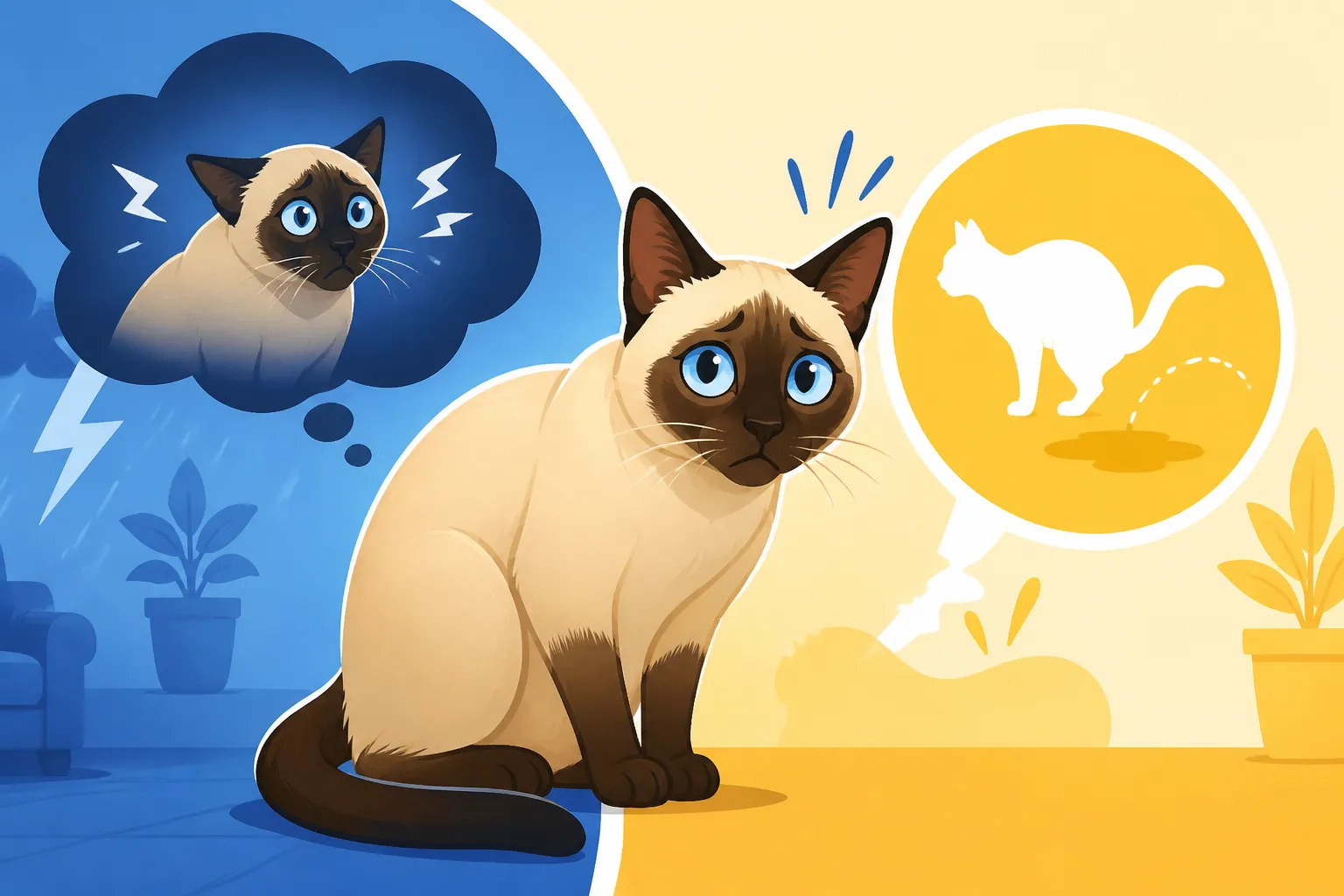
When a Siamese cat, a breed known for its cleanliness and strong bond with its humans, suddenly starts urinating outside the litter box, it's natural to feel confused and even a little angry. But before you get too upset, it’s crucial to understand that this behavior is almost never out of spite. For a Siamese, peeing outside the box is a loud, clear signal that something is fundamentally wrong. And very often, that "something" is stress.
Why Stress Manifests as Urination in Sensitive Felines
Siamese cats are legendary for their vocalizations and their intense emotional connections to their families. This deep sensitivity, while part of their charm, also makes them particularly susceptible to stress. When a Siamese feels anxious, insecure, or overwhelmed, their body can react in various ways, and one common outlet for this internal turmoil is inappropriate elimination. It's almost as if they're saying, "I'm so worried, I can't even perform basic functions correctly," or "I need to mark this area to feel safe."
Think about it from their perspective: their world is built on routine, predictability, and a sense of territorial security. Any disruption to this delicate balance can trigger a stress response. Urinating outside the box can be a self-soothing mechanism, a way to spread their scent and establish a sense of control, or simply a physical manifestation of an anxious bladder. It's not a deliberate act of defiance; it's a cry for help from a creature that can't articulate its feelings in human words. Their sensitive natures mean they don't just feel stress, they embody it, and this often leads to physical symptoms like changes in litter box habits.
Common Stressors That Upset Your Siamese Cat's World
Life with a Siamese is rarely dull, but they thrive on consistency. Even small changes that seem insignificant to us can be monumental stressors for them. Identifying potential triggers is the first step toward finding a solution.
Here are some common culprits:
- Changes in the Household: A new baby, a new partner, a new pet (especially another cat or a dog) can completely upend your Siamese's sense of security. The introduction of new smells, sounds, and competition for your attention can be deeply unsettling. Even a temporary guest or a shift in work schedule that leaves them alone more often can trigger anxiety. When a Siamese Cat Is Happier in a Pair, careful introductions are key, otherwise, a new feline friend can become a source of profound stress.
- Environmental Changes: Moving to a new home is a huge one. But even smaller shifts like rearranging furniture, getting new carpet, or having construction work done nearby can be disruptive. Loud noises, unfamiliar smells, and changes in visual cues can make them feel like their safe space has been invaded. Consider the steps outlined in How a Siamese Cat Handles a House Move to mitigate such large-scale stress.
- Litter Box Issues: This is a big one. A dirty litter box, a change in litter type (especially scented litter, which can be overpowering to their sensitive noses), too few litter boxes for the number of cats, or a box in a high-traffic or noisy location can all lead to avoidance. If the box isn't clean enough, or if another cat is guarding it, your Siamese might feel compelled to find an alternative. We'll delve deeper into litter box optimization shortly.
- Lack of Mental or Physical Stimulation: Siamese are highly intelligent and energetic cats. Enrichment for a Siamese Cat That Gets Bored in an Hour is crucial. If they're bored, lonely, or not getting enough playtime and interaction, that pent-up energy and mental frustration can manifest as stress. This stress, in turn, can lead to inappropriate urination, destructive behaviors, or even What a Bored Siamese Cat Destroys.
- Feeling Threatened: This could be from an outdoor cat patrolling your yard, another pet in the house, or even a child who doesn't understand boundaries. Feeling vulnerable or constantly on alert can be incredibly stressful for a Siamese.
- Separation Anxiety: Siamese cats are often described as "dog-like" in their devotion. They form deep bonds and can become very anxious when left alone for extended periods. If you've recently returned to the office, for example, your Siamese might be expressing their distress through urination. This kind of anxiety is real, and the tips in How to Prepare a Siamese Cat for a Return to the Office can be extremely helpful.
- Unusual Experiences: A trip to the vet, boarding at a kennel (even a good one), or a sudden, loud event like fireworks can cause acute stress. How a Siamese Cat Copes With Boarding details how difficult these experiences can be for them.
How to Recognize Stress in Your Siamese Cat (Beyond the Puddle)
The puddle on the floor is a major indicator, but stressed Siamese cats often show other signs that can help you understand their emotional state. Their unique What a Siamese Cat's Temperament Is Really Like means their expressions of distress can be quite pronounced.
Look for these behavioral shifts:
- Changes in Vocalization: While Siamese cats are naturally vocal, extreme stress might lead to excessive, urgent yowling (beyond their normal conversational chirps) or, conversely, a sudden silence.
- Hiding or Withdrawal: A stressed Siamese might retreat to quiet, out-of-the-way places, refusing to engage in normal activities or interact with you.
- Changes in Eating or Drinking Habits: They might eat less, or even more, than usual. They might drink excessively or avoid their water bowl.
- Overgrooming or Psychogenic Alopecia in a Siamese Cat: Compulsive licking, chewing, or pulling out fur can be a self-soothing behavior in response to anxiety. You might notice bald patches, especially on their belly or inner thighs.
- Increased Clinginess or Destructive Behavior: Some Siamese become unusually clingy, constantly seeking your attention, while others might become destructive, scratching furniture or knocking things over.
- Aggression or Fear: A stressed cat might lash out at perceived threats, become more jumpy, or even show aggression towards people or other pets they usually tolerate.
- Changes in Sleep Patterns: They might sleep more, or less, or be restless during their usual nap times.
These signs, especially when seen in conjunction with inappropriate urination, paint a clear picture that your Siamese cat is struggling and needs your help to regain their sense of security and well-being. Always consult Signs a Siamese Cat Is Unwell to ensure you're not missing other health concerns.
Beyond Behavior: Ruling Out Medical Causes for Inappropriate Urination
It’s tempting to immediately jump to the conclusion that your Siamese is "acting out" or "stressed," but before you tackle any behavioral interventions, you must rule out medical causes. Many urinary issues in cats present with the exact same symptom: peeing outside the box. Ignoring this critical step could prolong your cat's discomfort or even endanger their life.
The Absolute Importance of a Vet Visit
This cannot be stressed enough: your first call should always be to your veterinarian. Urinary tract infections (UTIs), bladder stones, interstitial cystitis (inflammation of the bladder walls, often stress-related but still a medical condition), kidney disease, and even diabetes can all cause a cat to urinate inappropriately. These conditions can be incredibly painful and, if left untreated, can lead to serious health complications or even become life-threatening.
Imagine having a terrible stomach ache, but everyone thinks you're just stressed when you actually have appendicitis. That's how it can feel for your cat. They can't tell you, "My bladder hurts when I pee," so they just go where it feels safest or most accessible, or they associate the pain with the litter box itself. A proper veterinary examination is not just a recommendation; it's a non-negotiable step in addressing this issue responsibly.
Diagnostic Tests a Vet Might Perform
When you take your Siamese to the vet for inappropriate urination, they won't just take your word for it. They'll likely recommend a series of tests to get to the bottom of the problem.
Common diagnostic procedures include:
- Urinalysis: This is usually the first step. A urine sample is collected (sometimes by cystocentesis, a direct needle aspiration from the bladder, which is the cleanest way to get a sample and less stressful for the cat than you might think). The sample is then checked for bacteria, blood, crystals, pH imbalances, and other abnormalities that could indicate an infection or bladder stones.
- Blood Work: A complete blood count (CBC) and a biochemistry panel can give your vet a broader picture of your cat's overall health, including kidney function (important for older cats especially) and potential inflammation markers.
- X-rays or Ultrasound: If bladder stones or other structural abnormalities are suspected, imaging may be necessary. An X-ray can show certain types of stones, while an ultrasound provides a more detailed view of the bladder wall, kidneys, and other abdominal organs, helping to identify inflammation, tumors, or even sediment that doesn't show up on X-rays.
These tests might seem extensive, but they are crucial for providing an accurate diagnosis and guiding the correct treatment plan. Without them, you're just guessing, and your Siamese cat deserves better.
Why a "Clean Bill of Health" Points to Stress
After your vet has thoroughly examined your Siamese cat and run all the necessary tests, they might deliver the news that there's no underlying medical cause for the inappropriate urination. While this can be a relief, it often leads back to the original suspicion: stress.
When medical issues are definitively ruled out, you can then confidently shift your focus to behavioral and environmental factors. This "clean bill of health" isn't a dead end; it's a green light to start implementing strategies aimed at reducing stress and improving your Siamese cat's overall sense of security and happiness. It means their body is healthy, but their mind might be troubled, and that’s where your detective work and intervention really begin.
Creating a Calmer Kingdom: Practical Steps to Reduce Stress-Related Urination
Once you've ruled out medical issues, it's time to become your Siamese cat's personal stress reduction expert. This often involves a multi-pronged approach, addressing everything from their immediate environment to their emotional well-being.
Optimizing the Litter Box Environment
The litter box is ground zero for appropriate elimination, and for a sensitive Siamese, its condition and placement are paramount. Many inappropriate urination issues stem from the cat finding their litter box unappealing or inaccessible.
Here’s a checklist for the ideal litter box setup:
| Aspect | Ideal Setup for a Siamese Cat | What to Avoid |
|---|---|---|
| Number of Boxes | Rule of N+1: One more box than the number of cats in the house. For a single cat, aim for two boxes. | Too few boxes, leading to queues or perceived competition. |
| Location | Quiet, private, easily accessible, spread throughout the home (e.g., one per floor). | Noisy, high-traffic areas (laundry room, by a TV, narrow hallway), hidden away in a cupboard. |
| Type of Box | Large, open, uncovered boxes. Cats prefer to survey their surroundings. | Small, covered boxes (traps odors, feels claustrophobic, limits escape routes). |
| Type of Litter | Unscented, soft, fine-grained clumping clay litter (mimics natural substrate). | Scented litter (overpowering for sensitive noses), crystal litter (can be sharp on paws), non-clumping litter (hard to clean thoroughly). |
| Cleanliness | Scoop at least twice daily. Empty, wash, and refill with fresh litter weekly. | Scooping only once a day or less, allowing urine clumps/feces to build up, infrequent deep cleaning. |
| Accessibility | Easy entry and exit for cats of all ages/mobility. Consider low-sided boxes for seniors. | Boxes with high sides that are hard to get into, especially for kittens or older cats with arthritis. |
If you've recently changed litter brands, try reverting to the old one. If your Siamese suddenly decided they don't like scented litter, switch to unscented immediately. Many excellent unscented clumping litters are available on Amazon that can be delivered right to your door, making the transition easier. Make sure each cat has their own "territory" around their preferred box. Even if they get along generally, a little territoriality around such a vital resource is common. See How Many Litter Boxes a Siamese Cat Household Needs for more details.
Enriching Your Siamese Cat's Environment
A bored or under-stimulated Siamese is a stressed Siamese. These intelligent and active cats need plenty of opportunities to exercise their minds and bodies.
- Vertical Space: Siamese cats love to climb and survey their kingdom from above. Provide tall cat trees, wall-mounted shelves, or even just clear spaces on top of bookshelves where they can perch. Looking down from a height often makes them feel more secure. You can find a huge variety of durable cat trees and wall shelves on Amazon designed to meet a Siamese cat's climbing needs.
- Interactive Play: Dedicate at least two 15-minute play sessions daily with wand toys, laser pointers (but always end with a tangible toy they can "catch"), or feather teasers. This helps them burn off energy, satisfies their prey drive, and strengthens your bond.
- Puzzle Feeders: These toys make your cat "work" for their food, engaging their problem-solving skills and slowing down their eating. This can be a great way to combat boredom. You'll find many innovative puzzle feeders for cats on Amazon, from simple ones to more complex designs.
- Scratching Posts: Provide a variety of scratching surfaces – vertical, horizontal, cardboard, sisal. This allows them to stretch, mark territory (visually and with scent from their paw pads), and maintain healthy claws, all of which are important stress relievers.
- Window Perches: Give them a comfortable spot to watch the world go by. Bird feeders outside the window can provide hours of "cat TV."
Managing Social Stressors
Interactions with other animals or people can be a significant source of stress for a Siamese.
- Gradual Introductions: If you're introducing a new pet, do it slowly and carefully, following proper introduction protocols that minimize direct confrontation and allow them to get used to each other's scent first.
- Quiet Retreats: Ensure your Siamese has safe, quiet spaces where they can retreat and be undisturbed. This might be a tall cat tree, a carrier left open, or a cozy bed in a less-frequented room.
- Pheromone Diffusers: Products like Feliway Classic or Feliway Multicat release synthetic feline facial pheromones that can help create a calming atmosphere and reduce stress-related behaviors. These diffusers are widely available.
- Consistent Positive Interaction: Schedule regular, positive one-on-one time with your Siamese. Brushing, petting, and playing reinforce your bond and provide comfort.
Consistent Routine and Predictability
Siamese cats thrive on routine. Predictability makes them feel secure and in control of their environment. Try to stick to a regular schedule for feeding, playtime, and even your own daily activities. If your schedule must change, introduce it gradually if possible. For example, if you're returning to the office, slowly increase the time you're away over several weeks rather than abruptly disappearing for eight hours. This consistency reduces uncertainty, which is a major source of anxiety for many cats, especially Siamese.
When You Need a Helping Hand: Seeking Expert Support for Persistent Issues
Sometimes, despite your best efforts, the inappropriate urination persists. It’s important not to lose hope or get discouraged. This isn’t a sign of failure on your part, but rather an indication that your Siamese cat might need specialized help beyond what you can provide alone.
The Role of a Feline Behaviorist
If you've optimized the litter box, enriched their environment, and tried to identify and mitigate stressors without success, it might be time to call in a professional feline behaviorist. These experts are specifically trained to understand cat psychology and can help you uncover subtle stressors or behavioral patterns you might have missed.
A good behaviorist will:
- Conduct a thorough history: They'll ask detailed questions about your cat's background, daily routine, the onset of the problem, and all the environmental factors.
- Observe your cat (if possible): Sometimes, in-home consultations are offered, allowing them to see your cat in their natural environment.
- Develop a tailored plan: They will create a customized strategy that might involve further environmental modifications, counter-conditioning techniques, or specific enrichment exercises.
- Provide ongoing support: They can guide you through the process, adjust the plan as needed, and help you understand your cat's responses.
Remember, a behaviorist isn't there to judge you; they're there to help you and your cat.
Veterinary Behaviorists and Medication Options
In more severe or chronic cases of stress-related urination, especially those accompanied by other intense anxiety symptoms, your regular veterinarian might recommend a consultation with a veterinary behaviorist. These are veterinarians who have specialized training in animal behavior and can prescribe medication if necessary.
Just like humans, some cats benefit from anti-anxiety medication in conjunction with behavioral modification. This isn't a "magic pill" but rather a tool to help reduce the cat's anxiety levels enough for the behavioral therapies to be more effective. Think of it as taking the edge off their intense stress so they can better learn new, more appropriate coping mechanisms.
Medication options might include:
- Antidepressants/Anxiolytics: These can help regulate brain chemistry to reduce overall anxiety.
- Pheromone Therapy: While over-the-counter diffusers are common, a vet behaviorist might recommend stronger or specific pheromone products.
Any medication would be prescribed and monitored carefully by a qualified veterinary professional, always alongside a comprehensive behavioral plan. The goal is always to improve your Siamese cat's quality of life and help them feel safe and comfortable in their home again, free from the overwhelming burden of chronic stress.
Disclaimer
This article is for general informational purposes only and does not constitute professional advice. Laws, prices and regulations vary by location and change over time. Consult a qualified professional for guidance on your specific situation.