Which Commands a Siamese Cat Learns Fastest
One of the biggest myths about cats is that they can't be trained, especially compared to dogs. But anyone who lives with a Siamese cat knows this simply isn't true. These vocal, intelligent, and deeply connected felines are actually incredibly quick learners, especially when you tap into their unique drives. This guide will dive deep into which commands your Siamese cat is most likely to pick up fastest, offering practical advice and insight into their brilliant minds, so you can build an even stronger bond with your talkative companion.
Understanding the Siamese Cat's Intelligence and Drive
Let's be real, owning a Siamese cat is like having a tiny, furry genius in your home. They're not just beautiful; they're incredibly bright, and understanding this is the first step to successful training.
Why Siamese Cats Are Quick Learners
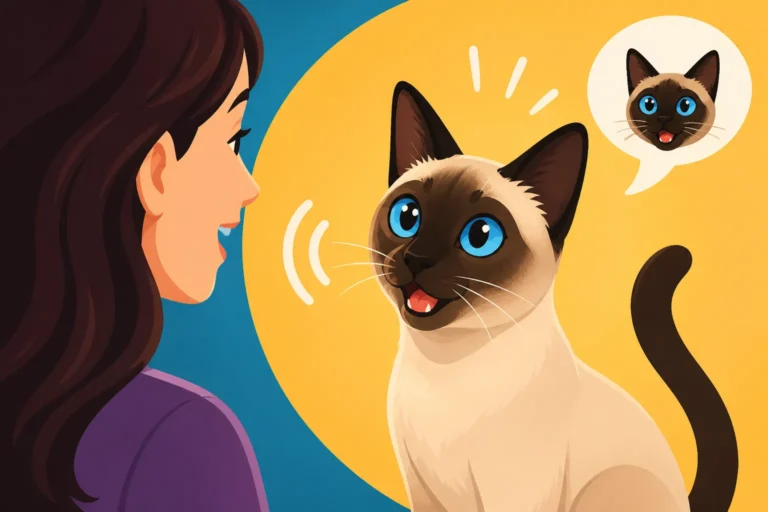
Siamese cats are often described as having "dog-like" personalities, and a big part of that is their remarkable intelligence and their strong desire to interact with their humans. They don't just exist in your home; they participate. This isn't your aloof, indifferent feline. Your Siamese is watching you, learning your routines, and often trying to communicate their needs and wants with a whole range of sounds, from soft chirps to their infamous "meezer yowl."
Their intelligence manifests in their problem-solving abilities. You might notice them figuring out how to open doors, access a forbidden cupboard, or retrieve a toy from a tricky spot. This inherent curiosity and mental agility make them prime candidates for learning commands quickly. They enjoy mental stimulation, and training sessions can be a fantastic outlet for their active minds. They thrive on engagement, and when you make training a game, they're all in. Their highly communicative nature means they're already trying to "talk" to you, so teaching them specific cues to get what they want is a natural extension of their existing behavior.
The Role of Motivation: What Drives a Siamese Cat?
Just like us, cats learn best when there's something in it for them. For a Siamese, motivation usually comes down to three things: high-value food treats, interactive play, and, perhaps most importantly, your undivided attention. You see, a bored Siamese cat can be a destructive Siamese cat, turning its cleverness to things like opening cupboards or knocking things off shelves. Providing structured activities like training channels that energy positively.
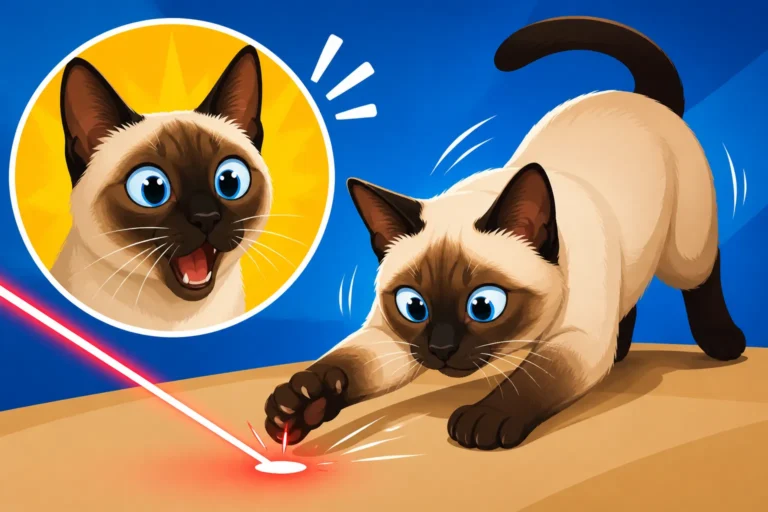
First, let's talk about treats. Not all treats are created equal in the eyes of a Siamese. You'll want to find something truly irresistible – maybe a freeze-dried salmon, a small piece of cooked chicken, or a specific brand of soft, chewy treat. Experiment to see what makes your cat's eyes light up. This "jackpot" reward is crucial for reinforcing good behavior. Next, consider play. Siamese cats are incredibly playful and love to chase, pounce, and "hunt." Using a wand toy or a laser pointer (used carefully and always ending with a physical catch to prevent frustration) can be an amazing motivator. Finally, your attention is gold. A Siamese craves interaction. They want to be involved in your life, to sit on your lap, follow you from room to room, and generally be your shadow. Incorporating praise, gentle petting, and excited verbal encouragement during training sessions leverages this deep desire for connection. When you're feeding a lean Siamese cat that burns everything, high-value, calorie-appropriate treats are important.
Patience and Consistency Are Key
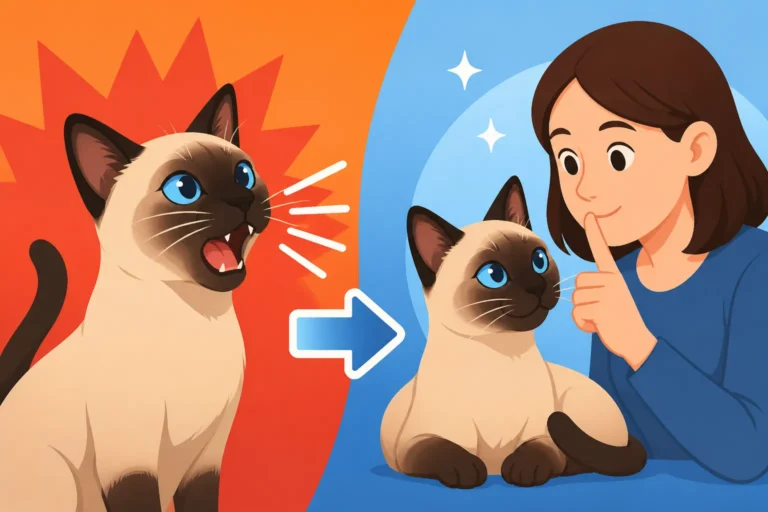
While Siamese cats are indeed quick studies, it's vital to remember that they are still cats. They don't have the same drive to please as some dog breeds, and they certainly won't respond well to harsh commands or punishment. Patience is your best friend here. Training sessions should be short, frequent, and always end on a positive note. Think 5-10 minutes, once or twice a day. If you or your cat are getting frustrated, it's time to stop and try again later.
Consistency is equally important. Everyone in the household needs to use the same command words and reward system. If one person says "come" and another says "here," your Siamese will get confused. Always use positive reinforcement—never scold or punish. This breed thrives on positive interaction and praise, making them more likely to repeat desired behaviors. It's about building trust and making training a fun, bonding experience, not a chore.
Core Commands Your Siamese Cat Can Master Quickly
These aren't just parlor tricks; these commands can genuinely improve your Siamese cat's safety, well-being, and your relationship with them.
"Come" – The Essential Recall
Teaching your Siamese cat to "come" when called is arguably the most important command you can impart. It's not just adorable; it can be a lifesaver, whether you need to quickly usher them away from an open door, move them from a dangerous situation, or simply call them for cuddles. Their natural inclination to follow you and be near you, coupled with their strong bond, makes this a command they can pick up surprisingly fast.
To start, choose a quiet environment with minimal distractions. Hold a high-value treat, say your cat's name clearly, and then immediately follow with the command "come!" as you back away a few steps or crouch down. As soon as they take a step towards you, offer praise ("Good come!"), and when they reach you, give them the treat. Repeat this many times. Once they consistently come in a quiet room, gradually introduce distractions. Try calling them from another room, or when a family member is quietly present. Always reward generously when they respond. The goal is for them to associate their name and the word "come" with something incredibly positive. You'll be amazed at how quickly they figure out that coming to you means good things. This is especially useful if you ever have to quickly secure your cat, like when guests arrive or a door is accidentally left ajar.
"Sit" – A Foundation for Further Tricks
The "sit" command is fantastic for building focus and can serve as a stepping stone for more complex tricks. Many cats, including Siamese, naturally sit when they are about to receive something they want, like a treat or food bowl. We just need to put a word to that action.
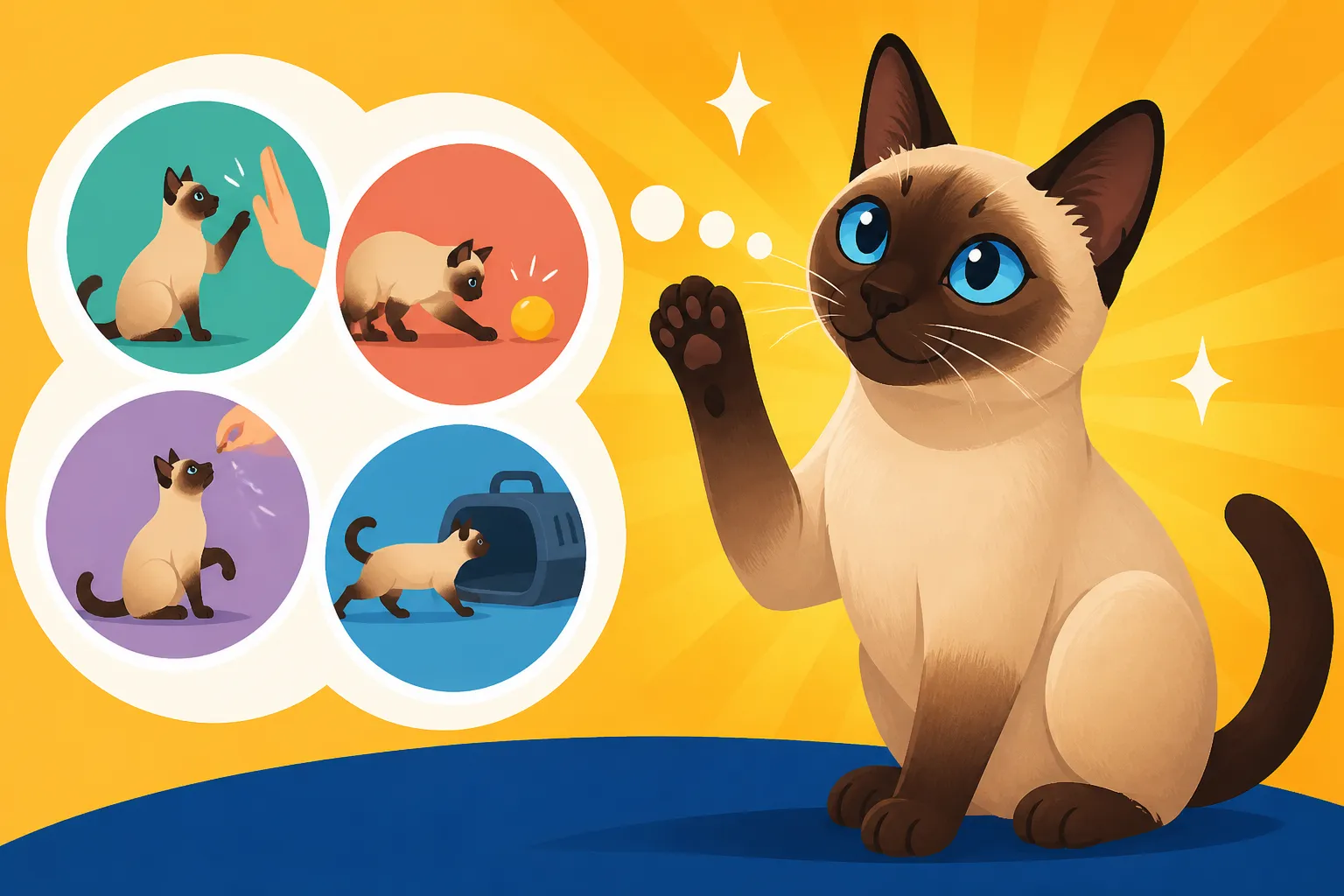
Start with your Siamese cat standing in front of you. Hold a high-value treat near their nose and slowly move it upwards and slightly backward over their head. As their nose follows the treat, their rear end will naturally lower into a sitting position. The instant their bottom touches the ground, say "Sit!" enthusiastically and give them the treat. Repeat this process several times. Once they reliably sit with the lure, start to fade the lure by making the hand motion smaller, eventually just using the verbal command. If they struggle, a very gentle, upward pressure on their rear can guide them into the position, immediately followed by the reward. This command is often one of the first that takes hold because the physical action is so common in their daily lives.
"Stay" – Building Self-Control
"Stay" is a slightly more advanced command, requiring a bit more self-control from your Siamese, but their intelligence makes it very achievable. It builds directly upon the "sit" command. This can be handy for keeping them out of the way while you're cleaning, putting away groceries, or even for a quick photo opportunity.
After your cat has reliably mastered "sit," ask them to "sit." Then, hold your open palm towards them (a common "stay" hand signal) and say "Stay." Immediately take one tiny step back. If they remain sitting, step back to them, praise them lavishly, and give them a treat. The key is to return to them before they break the stay. Gradually increase your distance and the duration of the "stay" in very small increments. If they break the stay, gently guide them back to the original spot, ask them to "sit" again, and restart with a shorter distance or duration. Never scold them for breaking; simply reset and try again. Remember, the goal is success, so keep it easy in the beginning.
Fetch – Tapping into Their Playful Instincts
Many Siamese cats are natural-born fetchers! If your cat already enjoys batting around small toys, teaching them to "fetch" can be incredibly rewarding and a great way to bond. This command taps directly into their prey drive and their love for interactive play.
First, identify a toy your Siamese absolutely adores—a crinkly ball, a small plush mouse, or a spring toy are common favorites. Throw the toy a short distance. If your cat retrieves it, even if they just bring it close to you, praise them and maybe offer a small treat or immediately throw it again. Some cats will drop it right at your feet, others might drop it a few feet away. You can encourage them to drop it closer by offering a treat near your feet as they approach. If they don't bring it back, try enticing them with another toy or a wand toy to get them to return. This command works best when it feels like play, not a chore. Many Siamese cats love this game and will bring toys to you unprompted, begging you to throw them again. You can find a vast array of engaging cat toys on Amazon that can help with this.
Advanced Tricks and Unique Siamese Talents
Once your Siamese has the basics down, their cleverness opens the door to even more impressive feats.
Leash Training for Outdoor Adventures
While not every cat enjoys it, many adventurous Siamese cats can be successfully leash trained, allowing them to safely explore the outdoors under supervision. Their intelligent, curious, and often bold nature makes them good candidates.
The process is gradual. Start by getting your cat comfortable with wearing a harness indoors. Introduce it for short periods, associating it with positive things like treats or mealtime. Don't rush it; some cats take days or even weeks to accept a harness. Once they're comfortable with the harness, attach a lightweight leash and let them drag it around the house (under supervision, of course). Then, start holding the leash for short "walks" around your living room. When they're confident indoors, move to a quiet outdoor space, like a fenced yard or a calm park during off-peak hours. Always supervise them closely and never leave them unattended on a leash. A well-fitting, comfortable harness is essential, and you can find many highly-rated options on Amazon. How to Leash Train a Siamese Cat could be a great next step for those interested.
"High Five" or "Shake" – Fun and Engaging
These tricks are fantastic for showcasing your Siamese's dexterity and smarts, and they're always a crowd-pleaser! It's a great way to further engage their minds.
Start with your cat in a sitting position. Hold a high-value treat in your closed fist, holding it just above and slightly behind one of their paws. They'll likely bat at your hand or paw at it to try and get the treat. The instant their paw touches your hand, open your hand, say "High five!" (or "Shake!"), and give them the treat. Repeat this process. Over time, you can open your hand more and more, eventually just presenting your open palm for them to touch. This trick requires precision and good timing with your rewards.
Solving Puzzle Feeders and Opening Doors
Siamese cats have a knack for figuring things out, and this often extends to puzzle feeders and, much to our chagrin, opening doors and cupboards! You can channel this natural curiosity into productive enrichment.
Puzzle feeders are excellent for mental stimulation and slowing down fast eaters. There are many types, from simple treat balls to more complex mazes and sliding mechanisms. Introduce easier ones first and gradually increase the difficulty. Your Siamese will likely take to them quickly, using their paws and nose to dislodge treats. Whether a Puzzle Feeder Occupies a Siamese Cat is a testament to how effective these can be. As for opening doors, while you might not want to teach them to open your doors, understanding how they figure it out shows their intelligence. If you have a Siamese who constantly tries to get into cabinets or open levers, you'll need to cat-proof your home, perhaps with child-safety locks, as their intelligence means they’ll relentlessly test boundaries.
| Command | Learning Difficulty (1-5, 1=Easiest) | Key Motivator | Potential Benefits |
|---|---|---|---|
| Come | 1 | Treats, Attention | Safety, Recall, Bonding |
| Sit | 2 | Treats | Focus, Foundation for other tricks, Calmness |
| Fetch | 2 (if naturally inclined) | Play, Treats | Exercise, Mental Stimulation, Bonding |
| Stay | 3 | Treats, Praise | Self-control, Patience, Brief containment |
| High Five/Shake | 3 | Treats, Attention | Dexterity, Mental engagement, Fun |
| Leash Training | 4 (requires patience) | Exploration, Treats | Safe outdoor access, New experiences, Exercise |
Common Training Challenges and How to Overcome Them
Even with the smartest Siamese, you'll hit a few bumps in the road. It's all part of the journey!
The "What's In It For Me?" Attitude
Siamese cats are smart, but they're also highly independent. They're not necessarily looking to please you; they're looking to please themselves. This often translates to a "what's in it for me?" attitude during training. If the reward isn't appealing enough, or if they're not in the mood, they simply won't cooperate. You might find yourself saying, "My Siamese cat will not be ignored," and that goes for training too!
The solution here is all about understanding your cat's individual preferences. Is it a specific type of treat? Is it a particular game? Is it the joy of making you laugh or getting lavish praise? Identify their ultimate motivator and use it. Keep your training sessions short and upbeat, always ending before they lose interest. If they're not responding, don't force it. Sometimes, waiting a bit and trying again later, or switching to a different reward, makes all the difference. Remember, they're not being stubborn; they're just being cats with their own priorities.
Distractions and Short Attention Spans
Even the most focused Siamese can have a short attention span, especially when there are interesting things happening around them. A bird outside the window, a rustle in another room, or even the faint smell of something new can completely derail a training session. How Much Play a Siamese Cat Needs highlights their need for mental stimulation, but also their capacity to get bored quickly.
To combat this, start training in a quiet, familiar room with minimal distractions. Turn off the TV, put away your phone, and make sure other pets or people aren't interrupting. As your cat becomes more proficient at a command, you can gradually introduce mild distractions, always returning to the quiet environment if they struggle. Keep sessions very brief – five minutes is often plenty. It's better to have several short, successful sessions throughout the day than one long, frustrating one. Ending on a high note, even if it's just for one successful "sit," will leave them eager for the next session.
The Importance of Positive Reinforcement
This can't be stressed enough: positive reinforcement is the only effective way to train a Siamese cat. Yelling, scolding, or any form of punishment will not only be ineffective but will actively damage the trust and bond you share with your cat. They won't understand why they're being punished, only that you are the source of something unpleasant. This can lead to fear, anxiety, and behavioral problems.
Instead, focus entirely on rewarding desired behaviors. When your Siamese does something you like, reward them instantly with a treat, praise, or play. The immediacy of the reward is crucial so they can connect their action with the positive outcome. If they do something you don't want, redirect their attention to an appropriate behavior and reward that. For example, if they're scratching furniture, gently move them to a Which Scratching Post a Siamese Cat Uses and reward them for scratching there. Positive reinforcement makes training a fun game for both of you, strengthening your bond and making your Siamese feel loved and understood, not just a pet to be commanded.
Disclaimer
This article is for general informational purposes only and does not constitute professional advice. Laws, prices and regulations vary by location and change over time. Consult a qualified professional for guidance on your specific situation.