How to Prepare a Siamese Cat for a Return to the Office
The sudden shift back to the office after months, or even years, of working from home can be incredibly jarring, not just for us, but for our beloved Siamese cats. Many of us brought home our vocal, intelligent companions during a time when we were always around, and now the thought of leaving them alone for eight or more hours fills us with dread and guilt. This guide is here to walk you through how to ease your Siamese cat into a new routine, minimizing their stress and helping them cope with your absence.
Understanding Your Siamese Cat's Attachment and Needs
Siamese cats are often described as "dog-like" in their devotion, and it's not an exaggeration. They crave interaction, conversation, and a sense of being involved in your daily life. When your presence dramatically changes, it’s not just a minor inconvenience for them; it can genuinely disrupt their sense of security and well-being.
Why Your Siamese Cat Might Struggle with Your Return to Office
Your Siamese has spent countless hours by your side during your work-from-home phase. They’ve been your furry desk assistant, your impromptu meeting co-star, and your constant shadow. This isn't just a habit; it's a deep-seated behavioral expectation for a breed that thrives on companionship. Their high intelligence means they notice every little change in routine, and their intense need for communication means they're not shy about expressing their displeasure or anxiety. If they're used to you being a constant presence, suddenly finding themselves alone for long stretches can lead to genuine confusion and distress. They might wonder where you've gone, why their routine has changed so abruptly, and how they're supposed to spend their day without their favorite human to interact with.
This isn't about them being "naughty" or "spoiled." It's about their intrinsic nature. A Siamese cat's personality is built around being part of the family dynamic, often forming a very strong bond with one or two individuals. For them, your return to the office is like a close friend suddenly vanishing for most of the day without explanation. The frustration you might feel with their vocal demands or destructive tendencies upon your return is a direct mirror of the distress they've been experiencing in your absence.
Signs of Separation Anxiety or Boredom in Siamese Cats
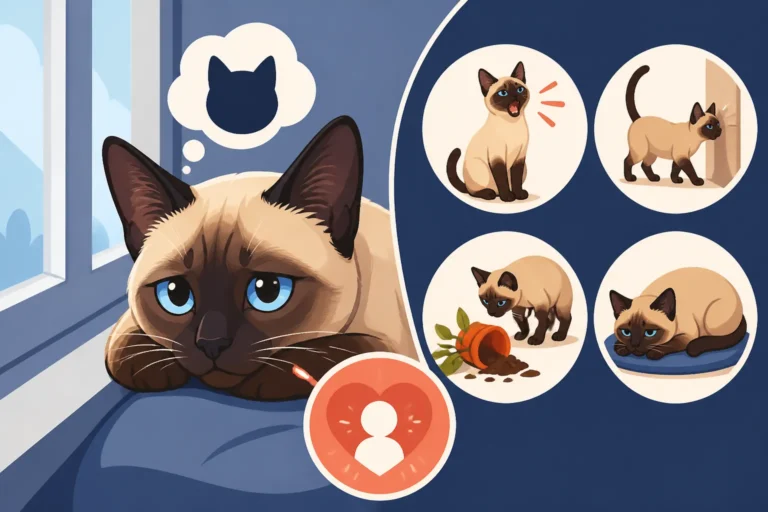
It's crucial to distinguish between a Siamese who's just a bit miffed you're gone and one genuinely suffering from separation anxiety or severe boredom. While a brief "meezer yowl" upon your arrival is standard, persistent signs during your absence or immediate aftermath warrant attention. You might notice them becoming excessively vocal, beyond their usual chatty self, perhaps with a mournful, drawn-out cry that signals distress rather than just a greeting. They might engage in destructive behaviors, scratching furniture they usually leave alone, knocking items off shelves, or even tearing at curtains.
Another tell-tale sign can be inappropriate urination or defecation outside the litter box, especially if it happens in places strongly associated with you, like your bed or laundry. This isn't spite; it’s a sign of extreme stress. Overgrooming, where they lick or chew their fur excessively to the point of creating bald spots or skin irritation, is also a common anxiety response. Some Siamese cats might become clingy and overly solicitous when you are home, afraid you'll leave again, or conversely, they might become withdrawn and hide. If you suspect these behaviors, understanding Signs a Siamese Cat Has Separation Anxiety is a vital first step. Observing your cat's behavior when you're away, perhaps with a pet camera, can offer valuable insights into their emotional state.
Gradual Acclimation: The Key to a Smooth Transition
Sudden, drastic changes are often the hardest for cats, especially intelligent and sensitive breeds like the Siamese. The most effective approach to preparing them for your return to the office is to implement changes gradually, allowing them time to adjust and build new coping mechanisms. Think of it as a slow desensitization process, rather than a cold turkey abandonment.
Slowly Increasing Alone Time
The idea here is to make your departures and absences seem less like an unexpected event and more like a normal part of their day. Start small. Even before your official return to the office, begin leaving your home for very short periods – 15 to 30 minutes at a time. Don't make a big fuss when you leave or return; keep it calm and low-key. The goal is for your Siamese to realize that you always come back. Gradually extend these periods of absence. Perhaps go run an errand that takes an hour, then two hours, building up to a half-day.
Consistency is key during this phase. Try to maintain a similar pattern each day, so your cat starts to anticipate the rhythm. Provide them with engaging toys or a puzzle feeder just before you leave, so they have something positive to associate with your departure. This isn't about tricking them; it's about building a new routine where alone time is less daunting and more predictable. Many Siamese cats do quite well with structured alone time once they understand the pattern, even if they'd prefer you there. How they respond will give you clues about How Long a Siamese Cat Copes Alone and how quickly you can increase your time away.
Mimicking Your Office Schedule
Beyond simply being absent, you should try to simulate your future office schedule even while you're still home. This means waking up at the same time you would for work, feeding your cat at their new "alone time" meal schedule, and engaging in play sessions when you would realistically be available. If your office job means you'll be gone from 8 AM to 5 PM, start creating that empty window in your cat's day now. Go into a separate room, close the door, and don't interact with them for those hours. Let them see that you're "busy" even if you're just reading a book.
This helps them adjust to the lack of continuous human interaction during those specific hours. If they're used to you being available for head scratches or chasing laser pointers at 10 AM, and suddenly you're not there for it, it's a shock. By simulating this now, they learn to self-entertain or simply rest during those hours. This proactive approach reduces the intensity of the shock when your actual office return happens. It teaches them What a Siamese Cat Does While You Are Out when you're not there to supervise.
Enriching Their Environment for Your Absence
A bored Siamese cat is a mischievous, and often destructive, Siamese cat. Since they can't simply pick up a hobby or call a friend, it's up to us to create an environment that remains stimulating and engaging even when we're not physically present. This is about transforming their home from a place of potential loneliness into a landscape of discovery and entertainment.
Interactive Toys and Puzzle Feeders
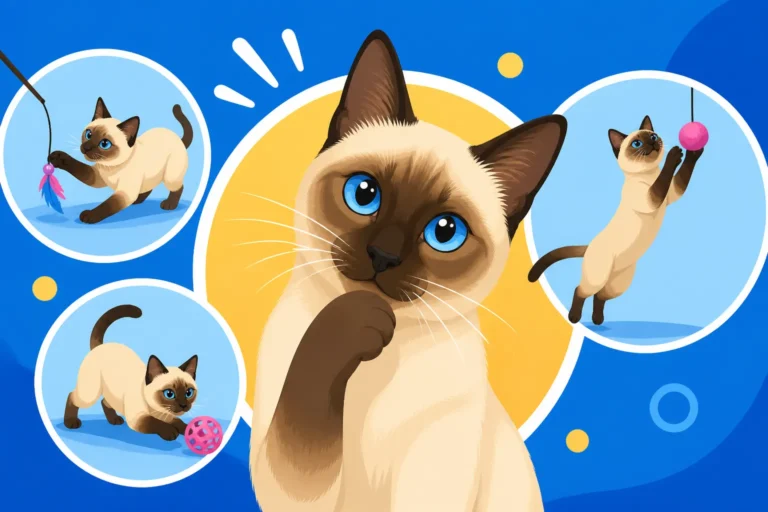
Mental stimulation is paramount for a Siamese cat's well-being. Leaving out a simple plush toy won't cut it for long. Invest in interactive toys that encourage independent play. Automatic laser pointers that move randomly can provide bursts of chasing fun. Ball tracks with jingly balls keep them batting and engaged. But perhaps the most effective tool is the puzzle feeder. Instead of putting their entire meal in a bowl, portion some of their dry food into a puzzle feeder or a treat-dispensing toy. This forces them to "hunt" and problem-solve to get their food, tapping into their natural instincts and keeping them occupied for extended periods.
These aren't just distractions; they are crucial for their cognitive health. Rotating toys daily or weekly prevents boredom; a toy that was exciting yesterday might be old news today. Consider things you can hide treats in, or toys that make interesting sounds when batted. Online retailers like Amazon offer a vast selection of these types of enrichment items, from complicated treat mazes to electronic toys that mimic prey. This helps ensure your cat always has something fresh and interesting to explore. It makes a real difference in What Toys a Siamese Cat Actually Uses and how long they stay engaged. You'd be surprised Whether a Puzzle Feeder Occupies a Siamese Cat for a good chunk of the morning!
Vertical Space and Window Perches
Siamese cats love to climb, observe, and survey their kingdom from on high. Providing ample vertical space caters to this instinct and offers a sense of security. Tall cat trees with multiple levels, cat shelves mounted on walls, or even simply clearing off the top of a sturdy bookshelf can create desirable vantage points. These spaces allow them to escape to a quiet spot, pounce from above, or simply enjoy a different perspective of their surroundings.
Window perches are also invaluable. A comfortable, secure perch attached to a window allows them to watch the "cat TV" of the outside world – birds, squirrels, passing cars, or just the rustling leaves. This can provide hours of passive entertainment and reduce feelings of confinement. Ensure these perches are sturdy and safe, especially if your Siamese is a high-energy jumper. You can find excellent, easy-to-install window perches and multi-level cat trees on Amazon to fit any home decor and budget. It's a simple way to expand their territory and give them something to do besides waiting for you at the door. Think about How High a Siamese Cat Climbs naturally; providing safe outlets for this instinct prevents them from trying to scale your curtains.
The Power of Sound and Scent
The silence of an empty house can be unsettling for a social creature like a Siamese cat. Leaving a radio on a talk station or a TV on a low volume can provide comforting background noise, mimicking the sounds of human activity. Some cats even enjoy classical music or specially designed calming pet music. Experiment with different sounds to see what your cat responds to best. The familiar rhythm of voices or gentle music can significantly reduce feelings of isolation.
Feline pheromone diffusers, such as Feliway or other brands, can also be incredibly helpful. These diffusers release synthetic pheromones that mimic the natural calming pheromones cats produce. They can create a sense of security and familiarity in the environment, helping to reduce anxiety and stress. Place them in the rooms where your cat spends most of their time. While not a magic bullet, used in conjunction with other strategies, they can make a noticeable difference in your cat's comfort level. Don't underestimate the subtle cues that can contribute to your Siamese's overall sense of peace when you're not there.
Considering Companionship or Professional Help
Sometimes, even with the best environmental enrichment and gradual acclimation, a Siamese cat's deep-seated need for companionship can lead to struggles. In these cases, it might be time to consider whether they truly need a consistent presence, either feline or human, to thrive.
Is a Second Cat the Answer?
For a highly social breed like the Siamese, a companion cat can be a fantastic solution to loneliness. Another cat, especially one with a similar energy level and play style, can provide endless entertainment, comfort, and interaction during your absence. They can groom each other, chase each other, and simply curl up together for naps, providing invaluable emotional support. However, this isn't a decision to take lightly. Introducing a new cat requires careful planning and execution to ensure a smooth transition and a positive relationship. Not all cats immediately welcome a new housemate, and some Siamese cats prefer to be the sole recipient of human affection.
Consider your current cat's personality: are they generally tolerant, or do they prefer to be king or queen of the castle? If you decide to go this route, research how to properly introduce cats, taking it slowly over several weeks to allow them to adjust to each other's presence. There are specific guidelines on How to Introduce a Siamese Cat to a Resident Cat to minimize stress and maximize success. While a second Siamese might seem ideal, be warned: Whether Two Siamese Cats Are Louder is often a resounding "yes!" However, for many, the benefits of a contented, engaged pair far outweigh the potential increase in vocalization. Ultimately, if your Siamese is showing severe signs of loneliness despite your best efforts, a compatible companion can truly be a lifesaver.
Hiring a Pet Sitter or Using Technology
If a second cat isn't feasible or desirable, or if your Siamese still struggles, professional help might be the next step. A trusted pet sitter who can visit your home once or twice a day to provide food, clean the litter box, and, most importantly, offer play and cuddles, can make a huge difference. This human interaction breaks up the long stretches of solitude and reinforces their bond with people. It's a significant investment, but for a cat with high social needs, it can be priceless for their mental well-being. Understanding What a Sitter Costs a Siamese Cat Owner is part of budgeting for a happy, well-adjusted pet.
Technology can also bridge some of the gap. Pet cameras that allow you to check in on your cat from your phone, and some even allow two-way audio or treat dispensing, can offer peace of mind. You can say hello, or even give them a treat from afar. While no gadget replaces human interaction, these devices, available on platforms like Amazon, can provide reassurance and allow you to monitor for any signs of distress. If separation anxiety persists or worsens despite all your efforts, consult with your veterinarian. They may recommend working with a feline behaviorist who can provide tailored strategies and, in some cases, even discuss anti-anxiety medication as a temporary aid during the transition.
Strategies for Preparing Your Siamese Cat for Alone Time
Here’s a quick overview of key strategies to help your Siamese cat adjust to your return to the office, categorized by their primary goal:
| Strategy Category | Specific Actions | Goal for Your Siamese Cat |
|---|---|---|
| Routine Adjustment | Gradually increase periods of alone time. | Learn that you always return; predict your schedule. |
| Mimic your future office schedule at home. | Adjust to new meal/play times and quiet periods. | |
| Keep departures and arrivals low-key. | Reduce anxiety associated with coming and going. | |
| Environmental Enrichment | Provide interactive toys and puzzle feeders. | Stay mentally stimulated and engaged independently. |
| Install cat trees, shelves, and window perches. | Access vertical space; enjoy "cat TV" from safe vantage points. | |
| Leave on calming music or TV. | Reduce unsettling silence; create comforting background noise. | |
| Use feline pheromone diffusers. | Promote feelings of security and reduce stress. | |
| Social Support | Consider a compatible companion cat (if appropriate). | Provide constant companionship and interaction. |
| Hire a professional pet sitter for daily visits. | Receive human interaction and care during your absence. | |
| Utilize pet cameras with two-way audio/treats. | Allow remote checking-in and occasional interaction. | |
| Behavioral Support | Avoid punishing anxiety-driven behaviors. | Prevent fear and strengthen trust. |
| Consult a vet or behaviorist for persistent issues. | Address severe anxiety with professional guidance. |
Remember, your Siamese cat needs your patience and understanding during this big life change. While it can be frustrating to deal with their vocal protests or misbehaviors, these are often cries for help rooted in their deep bond with you. Knowing Whether Ignoring a Siamese Cat's Meowing Works is important, but a comprehensive approach is always best. Take it slow, be consistent, and ensure their world is as stimulating as possible when you're not there. With effort, your Siamese can adjust, and you can both find peace in your new routine. Ultimately, a little extra effort now ensures a happier, healthier Siamese, making them a wonderful lifelong companion. If you're wondering Whether a Siamese Cat Is Right for You given these needs, it's worth a deep dive into their social nature.
Disclaimer
This article is for general informational purposes only and does not constitute professional advice. Laws, prices and regulations vary by location and change over time. Consult a qualified professional for guidance on your specific situation.