What a Siamese Cat Does While You Are Out
Leaving your beloved Siamese cat alone when you head out the door can often feel like a mini-drama, filled with silent promises of return and a lingering sense of guilt. Many of us wonder, once that door clicks shut, exactly what kind of mischief or melancholy our intelligent, vocal companions are getting into. This guide will delve into the secret life of your Siamese while you're away, exploring their natural routines, potential struggles, and how you can ensure their alone time is as enriching and stress-free as possible.
The Deeply Social Nature of a Siamese Cat
Let's be real, Siamese cats aren't your average, aloof felines who just tolerate your presence. They are profoundly social creatures, often described as having dog-like personalities due to their intense attachment to their human families. This isn't just anecdotal; it's a core trait of the breed, and it significantly impacts how they handle solitude.
Why Your Siamese Craves Companionship
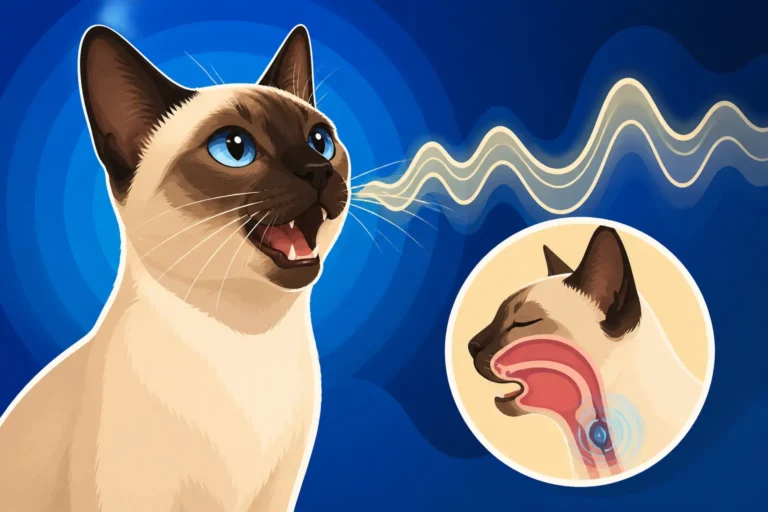
Siamese cats thrive on interaction. They form incredibly strong bonds, often choosing one or two favorite people they follow from room to room. Their ancestry as "temple cats" or companions to royalty in ancient Siam hints at a history of being highly valued and constantly attended to. This isn't just about food or shelter; it's about genuine connection, conversation, and play. When you're home, they're typically right there, perhaps "helping" you type on the keyboard, supervising your cooking, or simply sitting on your lap, purring up a storm. Their constant vocalizations—that famous "Meezer Yowl"—are often a direct bid for your attention, a desire to communicate and be part of your world. A Siamese Cat Will Not Be Ignored is more than a catchy phrase; it's their life motto.
How They Show Their Attachment When You're Gone
When you leave, your Siamese doesn't just forget you exist. Their world, which often revolves around your presence, shifts. You might notice them greeting you enthusiastically at the door when you return, a clear sign they've missed you. Some will rub against your legs incessantly, chattering away about their day (or lack thereof), while others might follow you into every room, demanding immediate snuggles or playtime. They are often acutely aware of your routine and can anticipate your departure and return, which can be both endearing and, at times, heartbreaking. They bond so closely that for many, their human isn't just a provider; they're their best friend, their entertainment, and their source of comfort. How Attached a Siamese Cat Gets to One Person really speaks to this intense loyalty.
Typical Daily Rhythms While You're Away
Even though they miss you, Siamese cats aren't perpetually pining at the door. They have their own internal clock and a distinct pattern of activity that fills their day, blending periods of rest with bursts of intense engagement.
The Cycle of Sleep and Activity
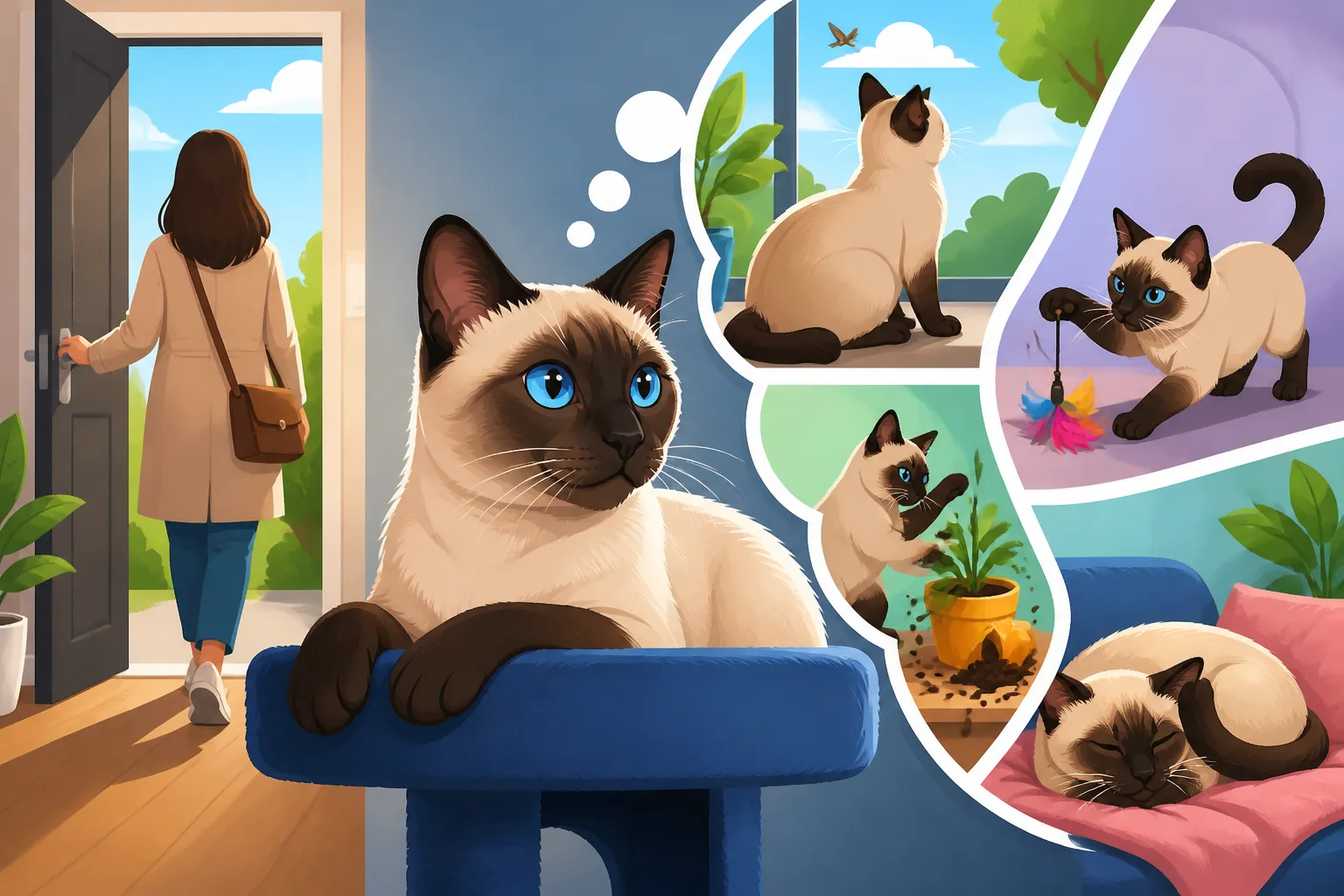
Just like all cats, Siamese cats are crepuscular, meaning they are most active during dawn and dusk. This means that during the peak hours of your workday, your Siamese is likely engaging in several lengthy snooze sessions. They'll find the warmest, sunniest spot in the house or burrow under a blanket on your bed – anything to maximize comfort. These aren't just short naps; a cat's sleep cycle often involves deep, restorative sleep. However, unlike some more placid breeds, even in their downtime, a Siamese cat often has one ear cocked, ready to spring into action if a new and exciting sound (like the mail carrier or a bird outside the window) catches their attention. This balance of deep rest and watchful alertness is key to understanding their day.
Exploring Their Territory and Satisfying Curiosity
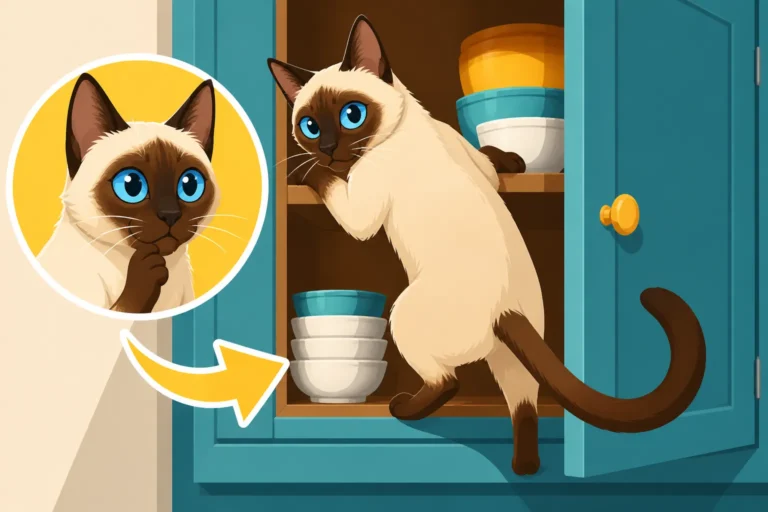
Between their naps, your Siamese will explore. This isn't just aimless wandering; it's a systematic patrol of their territory. They'll check on their favorite spots, perhaps hop onto a high shelf to survey their kingdom, or investigate any new scent that has wafted in through an open window. Siamese cats are incredibly intelligent and curious. How Clever a Siamese Cat Is is evident in their problem-solving skills, like learning to open doors or cupboards. They'll often spend time watching the world outside from a window perch, tracking birds, squirrels, or even just the movement of leaves. This provides crucial mental stimulation and helps pass the time, turning a potentially boring stretch of hours into an active surveillance mission. Providing a cat tree near a window or a sturdy window hammock can become their personal home theater. Many great options for these can be found on Amazon.
Solitary Play and Self-Amusement
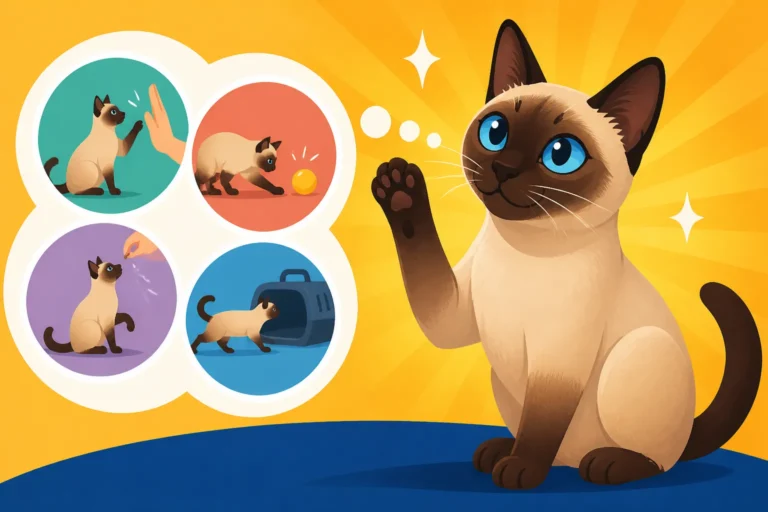
When you're not there to wield the feather wand, your Siamese still needs to satisfy their hunting instincts. They'll often engage in solitary play, batting around small toys, chasing a stray dust bunny, or even playfully attacking their own tail. This can involve anything from pouncing on a crinkly ball to chasing a laser pointer dot (if you've set up an automatic one). They might dig into a puzzle feeder you've left out, using their clever paws and brains to extract treats. Which Toys a Siamese Cat Actually Plays With are often interactive and challenge their intelligence. Without human interaction, these self-directed play sessions are vital for mental and physical exercise, preventing boredom from escalating into destructive behaviors.
Signs Your Siamese Cat is Struggling When Alone
While many Siamese cats can adapt to being left alone for reasonable periods, their social nature means some will struggle, developing behaviors that signal distress or boredom. It's crucial for owners to recognize these signs, as they often indicate a deeper issue than simple "bad behavior."
Excessive Vocalization and Restlessness
One of the most common signs of distress in a Siamese left alone is an increase in their already considerable vocalizations. If your neighbors report constant yowling or crying while you're out, or if you come home to a cat who won't stop "talking" at you, it could be a sign of loneliness or anxiety. This isn't just their normal chattiness; it's a frantic, often mournful sound that indicates a longing for company. Paired with this, you might notice restlessness, such as pacing near the door you left from or an inability to settle down even after you return. A Siamese cat's "yowl" is distinct, and a constant, unchecked version can signify deep unhappiness. Why a Siamese Cat Meows So Much can sometimes stem from feeling neglected or bored.
Destructive Behaviors and Pica
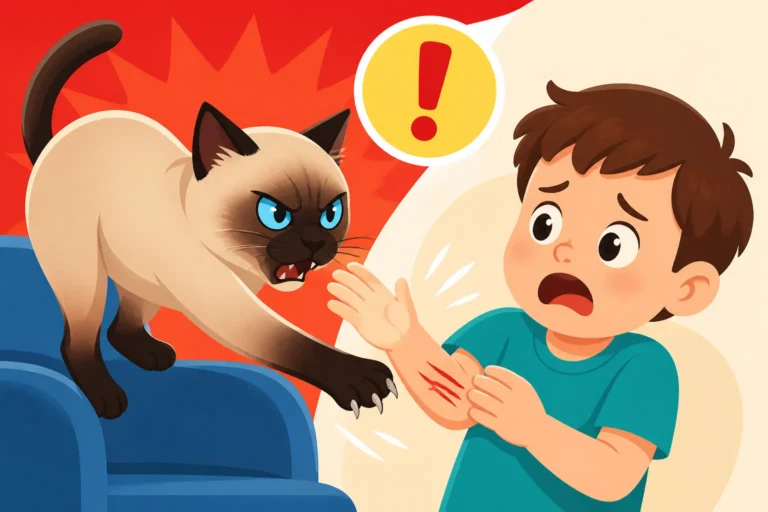
A bored or anxious Siamese cat might turn its intelligence and energy towards inappropriate outlets. This can manifest as scratching furniture excessively, shredding toilet paper, knocking items off shelves (not just playfully), or even urinating or defecating outside the litter box as a stress response. Even more concerning is pica, where a cat compulsively eats non-food items. Siamese cats are particularly prone to wool sucking and fabric eating, which can be exacerbated by stress or boredom when left alone. Why a Siamese Cat Sucks Wool can be more than a quirky habit; it can lead to serious health issues if they ingest enough fabric to cause an intestinal blockage. This kind of behavior isn't vindictive; it's a coping mechanism, a way to self-soothe or burn off pent-up energy. What Psychogenic Alopecia Does to a Siamese Cat is another stress-induced behavior where a cat overgrooms itself to the point of bald patches.
Signs of Separation Anxiety
True separation anxiety is more severe than simple boredom or missing you; it's a panic response to being left alone. Symptoms can include frantic attempts to escape (leading to injuries), persistent vocalization, inappropriate elimination, and destructive behavior targeted at entry/exit points. You might find claw marks around the door frame or evidence of them trying to get out. What Separation Anxiety Looks Like in a Siamese Cat often presents as a combination of these behaviors, and it can be truly heartbreaking to witness. If you suspect your Siamese is experiencing separation anxiety, it's crucial to consult with your veterinarian or a feline behaviorist, as it requires a targeted approach to management. This isn't a problem that can be ignored or "trained out" easily; it's a deep-seated emotional response.
Here's a quick comparison of what you might typically see versus what could indicate a problem:
| Behavior Category | Normal Alone Time Behavior | Signs of Struggle/Anxiety |
|---|---|---|
| Vocalization | Quiet, occasional chirps at birds, greeting yowls on return | Constant, loud yowling reported by neighbors, frantic meows |
| Activity Level | Periods of napping, followed by exploration and solo play | Pacing, inability to settle, hiding, frantic energy |
| Interaction with Home | Light exploration, looking out windows, using scratch posts | Destructive scratching, knocking items down aggressively |
| Litter Box Habits | Uses litter box normally | Urinating/defecating outside the box |
| Eating Habits | Eats from puzzle feeder, perhaps a few kibbles if free-fed | Refuses to eat, excessive pica (wool sucking, eating fabric) |
| Grooming | Normal self-grooming | Excessive licking leading to bald spots |
Making Alone Time Manageable for Your Siamese
Knowing that your Siamese cat's world revolves around interaction, it becomes paramount to implement strategies that make their alone time not just tolerable, but genuinely enriching. A proactive approach can prevent many of the behavioral issues discussed earlier.
Environmental Enrichment is Key
A stimulating environment is your first line of defense against boredom. Think vertical space: cat trees, shelves, or even just clearing a high-up spot on a bookshelf. Siamese cats love to climb and survey their territory from above. Look for robust, multi-level cat trees on Amazon that offer scratching surfaces, hidey-holes, and perches. Window perches are also invaluable, offering endless entertainment as they watch the outside world. Consider a bird feeder mounted outside a favored window to provide a "nature documentary" for your cat. Don't forget puzzle feeders! These ingenious devices require your cat to "work" for their food, engaging their intelligence and making mealtime a longer, more satisfying activity. There are many varieties available on Amazon, from simple treat balls to more complex maze feeders. Enrichment for a Siamese Cat That Gets Bored in an Hour is not just a suggestion, it's a necessity.
Interactive Toys and Scheduled Play
While you're out, toys that can be used solo are important. Look for sturdy toys they can bat around, crinkle balls, or even a kick stick filled with catnip. Some owners use automatic laser pointers or electronic toys that move unpredictably, providing bursts of entertainment. Before you leave, dedicate 10-15 minutes to an intense play session with a wand toy. This mimics a hunting sequence, tiring them out both physically and mentally, making them more likely to nap peacefully while you're gone. When you return, another dedicated play session can help them de-stress and reconnect with you. This structured play helps fulfill their predatory instincts and strengthens your bond.
The Power of Routine and Predictability
Cats are creatures of habit, and Siamese are no exception. Establishing a predictable daily routine can greatly reduce anxiety. Feed them at roughly the same times each day, have a play session before you leave and when you get back, and keep their environment consistent. If you feed wet food, ensure it's available before you go. How Long a Siamese Cat Can Be Left Alone often depends on how well their routine and environment are managed. A timed feeder can also be a game-changer, dispensing a portion of food or treats at specific intervals, breaking up the day and giving them something to anticipate. This small gesture can provide comfort and a sense of normalcy in your absence.
Considering a Companion
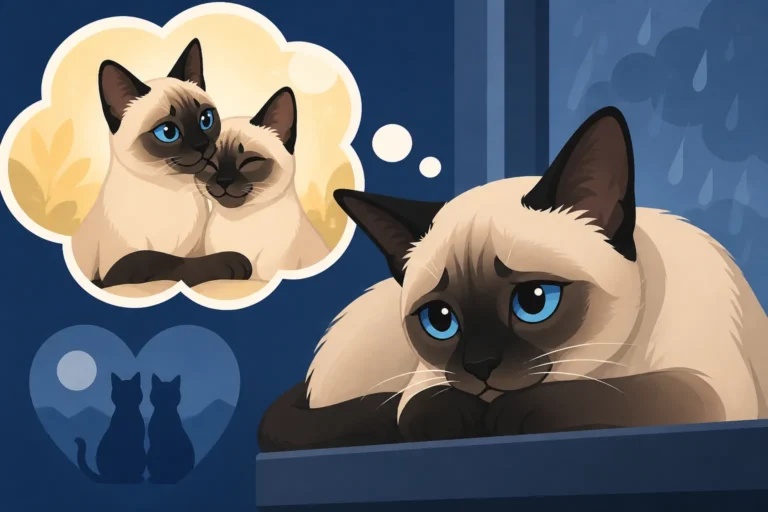
For truly social Siamese cats who struggle intensely with solitude, a companion animal can be a wonderful solution. This isn't a decision to take lightly, as introducing a new pet requires careful planning. However, many Siamese thrive when they have another cat (often another Siamese or a similarly playful breed) to interact with, chase, and cuddle with. They can keep each other company, play together, and even groom one another, greatly reducing feelings of loneliness. Whether a Siamese Cat Needs a Companion Cat is a question many owners ponder, and for some, it's the best answer for their cat's happiness and well-being. If another cat isn't feasible, sometimes even a calm, cat-friendly dog can provide the companionship a Siamese craves, especially if introduced correctly.
Ultimately, your Siamese cat spends its alone time in a combination of sleep, exploration, observation, and solitary play. While some adapt effortlessly, others grapple with the quiet, displaying behaviors that cry out for attention or relief. By understanding their deep need for connection and providing a rich, stimulating environment, you can help ensure that their time alone is peaceful and fulfilling, making your return all the more cherished.
Disclaimer
This article is for general informational purposes only and does not constitute professional advice. Laws, prices and regulations vary by location and change over time. Consult a qualified professional for guidance on your specific situation.